Like
Share
멍실장
강아지 배가 부풀었을 때 — 원인·응급 신호·대처법 총정리

Swollen Belly in Dogs: Causes, Emergency Signs, and Management Guide

DigestiveSymptomsMeongsiljang Veterinary Advisory Board

We’ve compiled a list of possible conditions to suspect when your dog’s belly is swollen, warning signs that require an immediate vet visit, and key checkpoints you can monitor at home.

What’s Going On When Your Dog’s Belly Is Swollen?
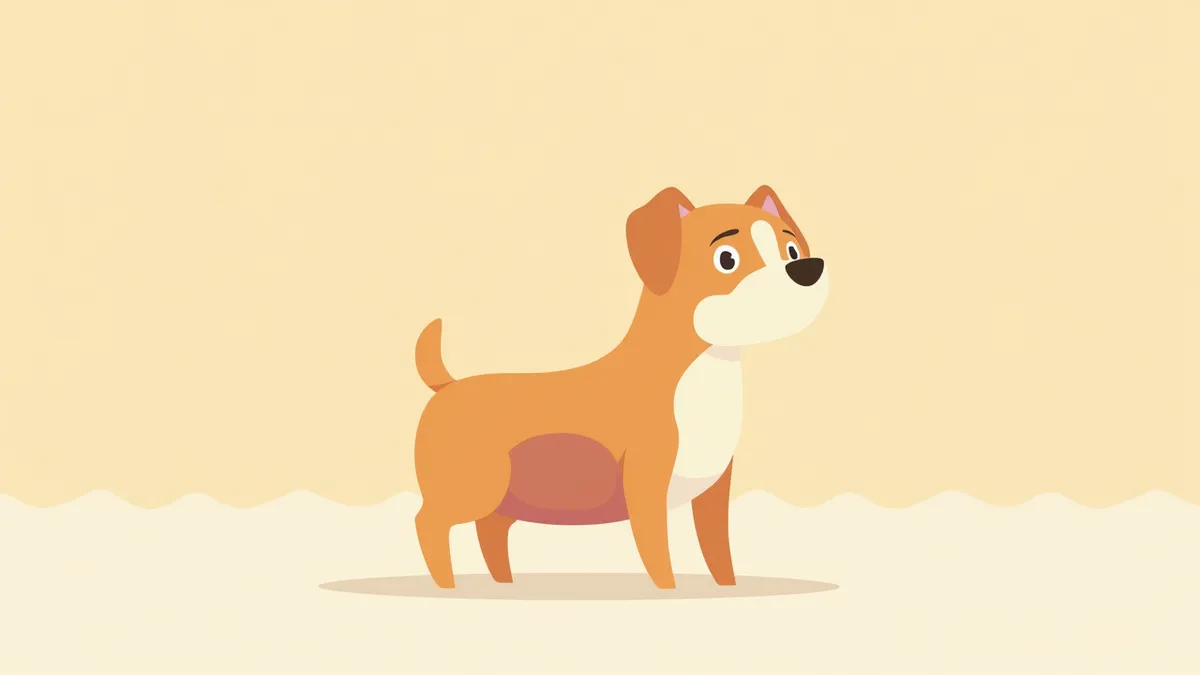
A side view of a dog with a belly that looks more bloated than usual
A swollen belly in dogs (abdominal distension) occurs when gas, fluid, organ enlargement, or tumors accumulate in the abdominal cavity, causing the abdomen to become noticeably larger than usual. The most critical factor is speed. If the swelling develops rapidly over a few hours, accompanied by retching without vomiting, it could indicate a life-threatening emergency such as gastric dilatation-volvulus (GDV), requiring immediate veterinary care. Even if the swelling progresses gradually, it may signal underlying issues such as ascites, heart disease, or internal organ problems that warrant investigation.

Abdominal Distension Urgency Levels at a Glance

ItemSymptom CharacteristicsResponse
🔴 Emergency (within 1–6 hours)Sudden bloating, retching, drooling, restlessnessImmediate 24-hour clinic
🟠 Urgent (within 24 hours)Bloated state persists, decreased appetite, lethargySame-day care essential
🟡 Caution (observe for 2–3 days)Only the belly is bulging, appetite & defecation normalBook an appointment after checking weight & water intake
🟢 TemporaryTemporary bloating after eating, soon subsidesCheck whether overeating occurred

If even one applies, judge it as the more dangerous stage

Home Checklist for Abdominal Distension
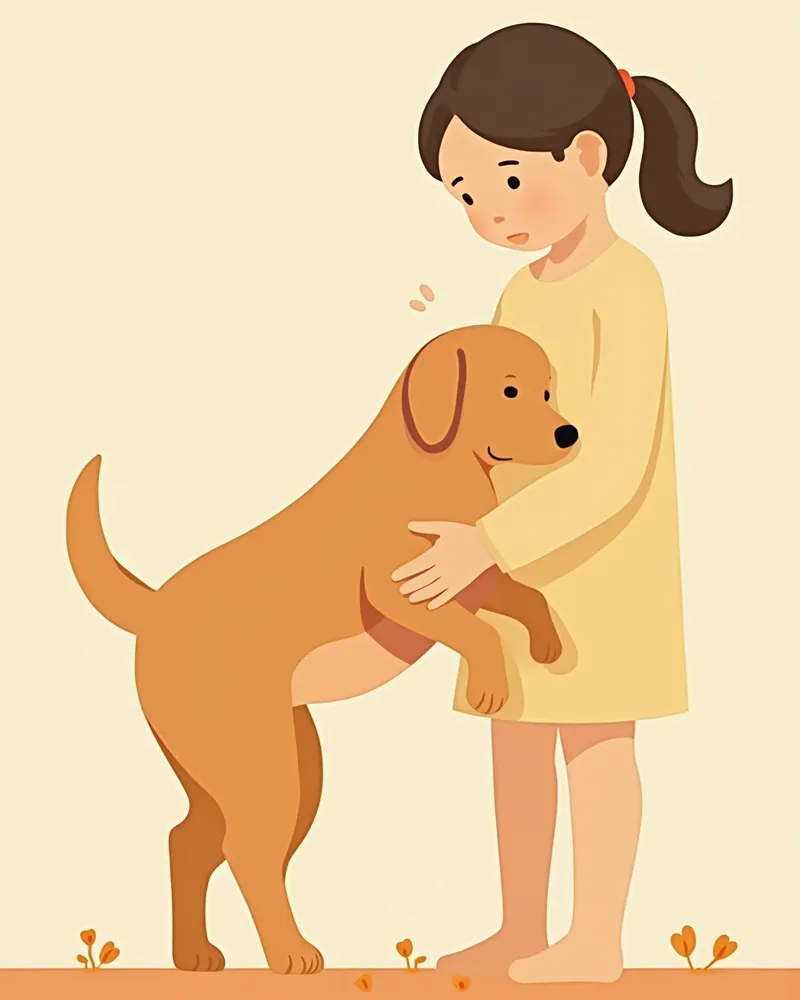
Please check the following items in order. If any of these apply, contact your veterinarian immediately.
Dry heaving: If your pet is retching but nothing comes up, it may be a sign of gastric dilatation-volvulus (GDV) or gastric volvulus.
Abdominal percussion: If you hear a hollow, drum-like sound when gently tapping the abdomen with your fingertips, it may indicate gas accumulation.
Gum color: Healthy gums should be pink. Pale, purple, or gray gums may indicate shock.
Posture: If your pet cannot lie down and instead stands with legs stretched out or assumes a prayer-like position, it may be a sign of pain.
Breathing: If your pet is breathing shallowly and rapidly due to abdominal pressure, it is an emergency.
A pet owner’s hand gently pressing the dog’s belly to check for bloating.

⚠️ Emergency Signs Requiring Immediate Visit to a 24-Hour Clinic

If your dog exhibits any of the following symptoms, do not hesitate and go to an emergency veterinary clinic immediately. Gastric dilatation-volvulus (GDV) is a critical emergency in which the risk of death rises sharply the longer treatment is delayed; prompt diagnosis and appropriate medical and surgical intervention directly determine survival rates. • Repeated dry heaving without producing vomit • A sudden, drum-like distension of the abdomen • Pale or purple gums • Collapse or inability to stand • Panting and extreme restlessness Large-breed dogs—especially deep-chested breeds such as Great Danes, German Shepherds, Saint Bernards, and Irish Wolfhounds—are at particularly high risk for GDV.

Why Is the Belly Swollen? — 5 Main Causes
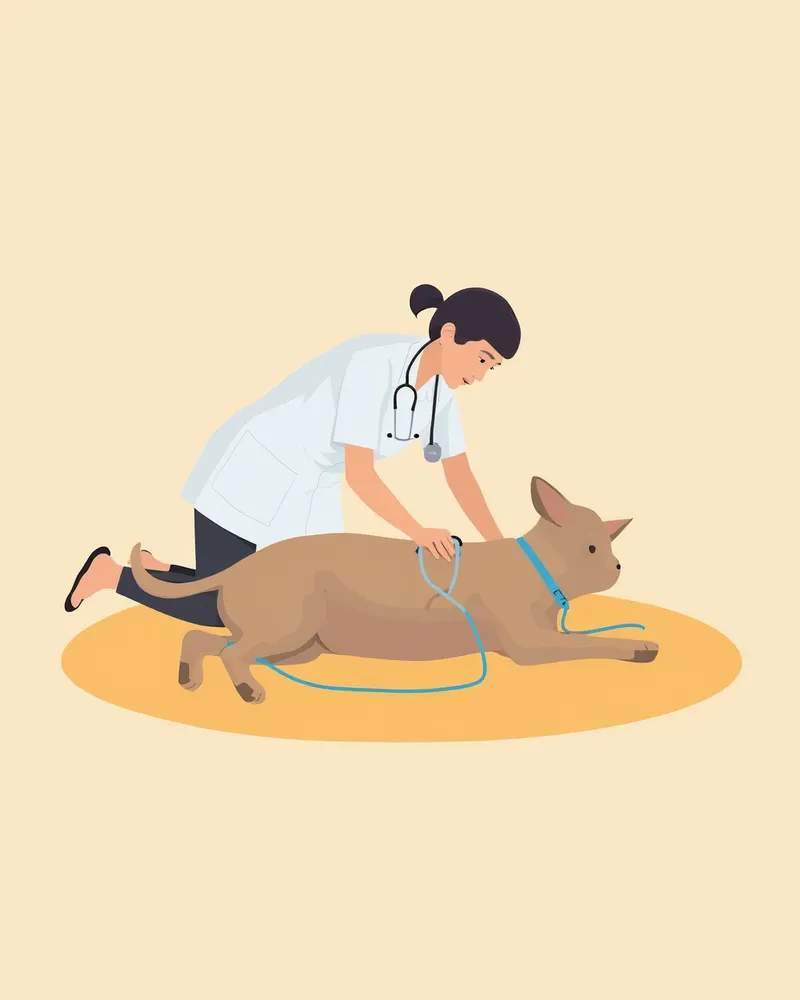
The urgency of a distended abdomen varies significantly depending on the underlying cause.
Gastric Dilatation-Volvulus (GDV): A critical emergency in which the stomach fills with gas and twists, cutting off blood flow.
Ascites: A condition in which fluid accumulates in the abdominal cavity, often due to heart disease, liver disease, or hypoproteinemia.
Pyometra: An emergency condition in unspayed female dogs in which pus accumulates in the uterus.
Tumors or Splenic Disease: Intra-abdominal tumors or splenic rupture can lead to internal bleeding.
Simple Gas or Overeating: A temporary distension after eating that subsides quickly.
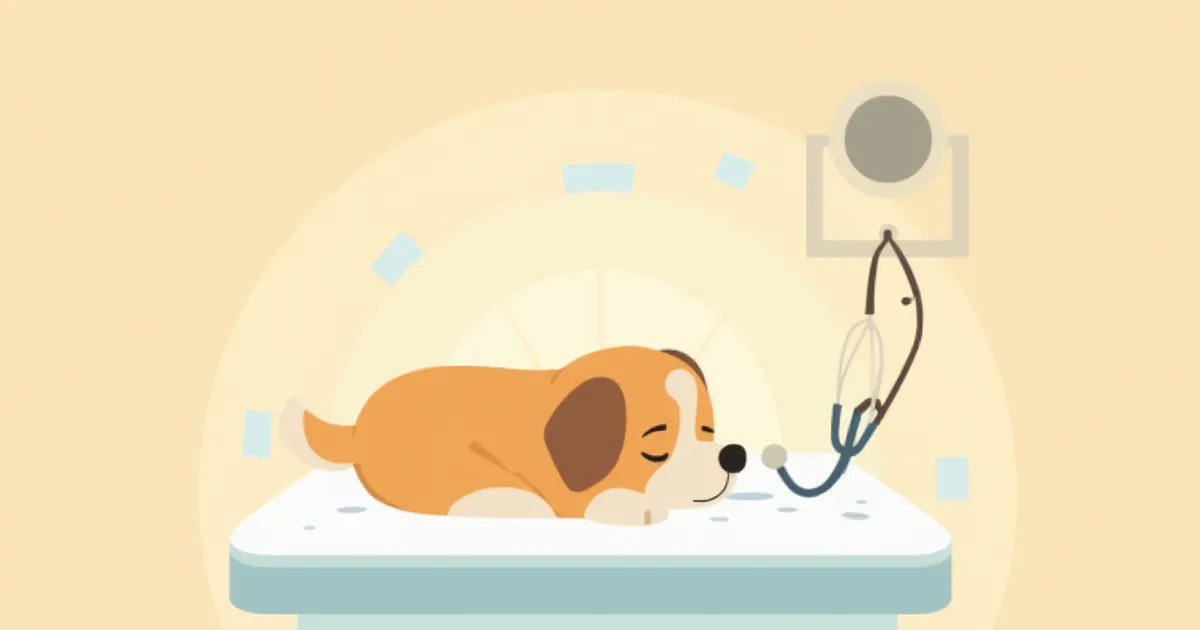
A veterinarian performing an abdominal ultrasound on a puppy.

Diagnostics and Treatment at the Veterinary Clinic

According to veterinary internal medicine textbooks, the first step for patients with abdominal distension is differential diagnosis to identify the underlying cause. X-rays are used to check for gas accumulation and abnormal organ positioning, while ultrasound evaluates ascites, tumors, and organ condition. Blood tests assess anemia, electrolyte levels, and liver and kidney function. Treatment varies depending on the cause. Gastric dilatation-volvulus requires immediate gastric decompression and surgery. Ascites is managed by treating the underlying disease (such as heart, liver, or kidney conditions) along with abdominocentesis to relieve pressure. Pyometra requires emergency ovariohysterectomy. Medication schedules and dosages are determined by the veterinarian based on the patient’s weight and condition.

Pre-Emergency Care Steps You Can Take at Home
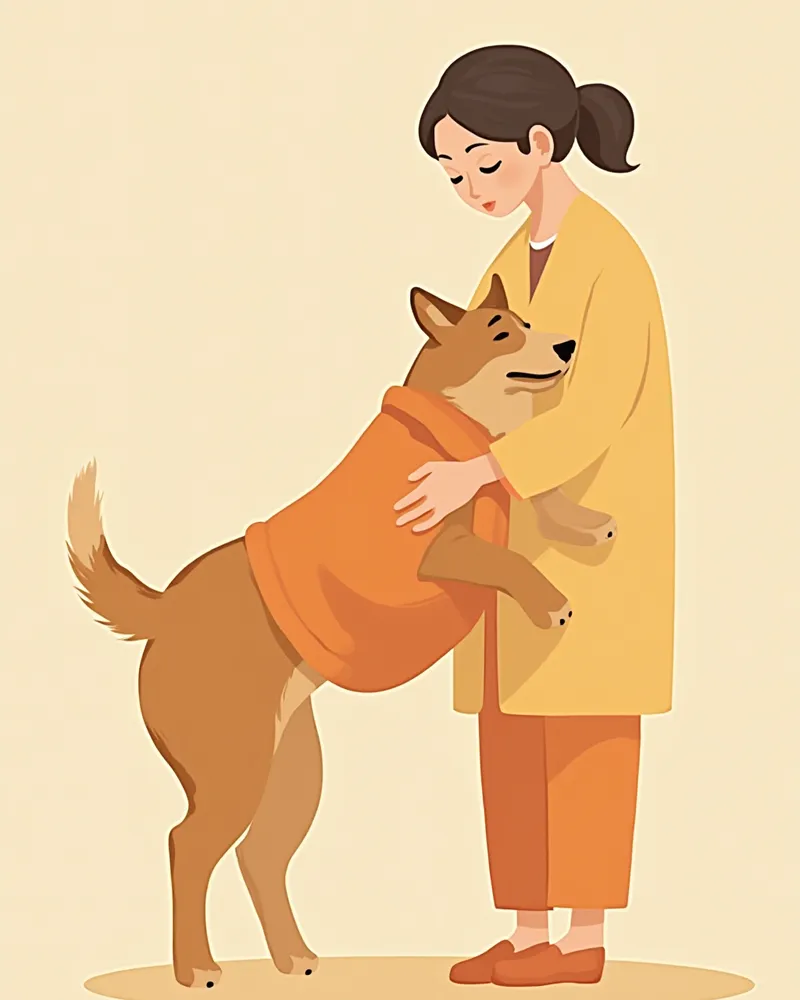
Help your dog maintain a comfortable position while traveling to the clinic.
Fasting: Do not give food or water until you arrive at the clinic, as anesthesia or surgery may be required.
Avoid strenuous movement: Do not allow stair climbing or running; carry your dog instead.
Keep warm: Your dog may be in shock, so cover them with a blanket.
Do not press on the abdomen: Attempting to relieve gas by pressing directly on the belly is dangerous and can worsen the gastric torsion.
Record symptoms: Note the time the abdomen began to swell, the time of the last meal, and the number of vomiting episodes.
A pet owner wrapping their dog in a blanket and preparing to transport them to an emergency animal hospital.

Essential Information for Owners of Large, Deep-Chested Breeds

According to veterinary literature, large, deep-chested breeds such as Great Danes, German Shepherds, Saint Bernards, and Irish Wolfhounds are reported to have a significantly higher risk of gastric dilatation-volvulus (bloat) compared to other breeds. Prevention guidelines: • Avoid large single meals; instead, divide daily food into 2–3 smaller meals • Avoid vigorous exercise for at least 1 hour after eating • Consult your veterinarian to determine the appropriate bowl height and type based on your dog’s breed and body shape • Provide water in smaller, frequent amounts to prevent rapid, excessive drinking • For high-risk breeds, consider discussing prophylactic gastropexy with your veterinarian

Daily Prevention and Management Tips

These are care practices that benefit all dogs.
Regular feeding: Feed small portions at set times to prevent overeating.
Weight management: Obesity increases the risk of ascites, heart disease, and liver disease.
Routine health checkups: Senior dogs aged 7 and older should have annual blood tests and ultrasounds.
Spaying/neutering: This is the most effective way to prevent pyometra in female dogs.
Habit of noting abnormal symptoms: Regularly checking your dog’s abdominal girth by hand helps you detect changes quickly.
A healthy puppy slowly eating a small amount of food placed on the floor.

Reviewed by a veterinarian

Dr. Tony — Punnawat Phongkittirak

Dr. Tony — Punnawat Phongkittirak

Veterinarian

A veterinarian who majored in veterinary medicine at Khon Kaen University, Thailand, and completed the IVSA program at North Carolina State University in the United States. Drawing on clinical experience at animal hospitals, he works in the pet healthcare field and is dedicated to building a digital care environment that connects pet parents with veterinarians.

Frequently Asked Questions

My pet just ate and their belly is full—should I head to the vet right away?
If your pet experiences temporary bloating after eating that subsides within 1–2 hours, and there are no signs of dry heaving or lethargy, it’s likely due to overeating. However, if the bloating persists for more than 6 hours or is accompanied by dry heaving, please seek veterinary care immediately.
Is it okay to gently massage the belly to help release gas?
Absolutely not. Pressing on the abdomen when the stomach is twisted can worsen organ damage or shock. Immediate veterinary decompression treatment is essential.
Pregnant dogs also have swollen bellies, so how can you tell the difference?
During pregnancy, a pet’s belly gradually enlarges over several weeks, accompanied by changes such as mammary gland development. In contrast, if the abdomen swells rapidly within just a few hours or is accompanied by pain or dry heaving, it may indicate an emergency condition like gastric dilatation-volvulus (GDV) or severe gastritis, rather than pregnancy. For an accurate diagnosis of pregnancy and the cause of abdominal distension, an ultrasound examination at a veterinary clinic is the safest approach.
Can young puppies also develop gastritis?
It’s rare, but possible. While it’s most common in medium to large breeds and senior dogs, even young puppies can be at risk if they exercise right after eating or drinking heavily. Be sure to let your dog rest after meals.
I hear a sloshing sound coming from my pet’s belly. Is that normal?
It’s likely that fluid has accumulated in the abdomen. This could be a sign of heart, liver, or kidney disease, so please have an ultrasound performed at a veterinary clinic either today or tomorrow.

Share

Related Guides

References

[1] Ettinger, S.J., Feldman, E.C., Cote, E. Textbook of Veterinary Internal Medicine, 8th ed., 2017, Chapter: Abdominal Distension, Ascites, and Peritonitis

[2] Nelson, R.W., Couto, C.G. Small Animal Internal Medicine, 6th ed., 2019, Chapter: Gastric Dilatation-Volvulus Syndrome

[3] Beck, J.J. et al., Evaluation of risk factors associated with gastric dilatation-volvulus in dogs, Journal of the American Veterinary Medical Association, 2006

This information is based on veterinary literature and does not replace diagnosis or treatment. Please consult a veterinarian for specific health concerns.

Metapet Co., Ltd. | CEO: Park Sung-yong | Business Reg. No. 417-88-02562 | Seoul, South Korea | Customer Center

Swollen Belly in Dogs: Causes & Emergency Signs | Meongsiljang