Like
Share
멍실장
강아지 황달 증상과 원인

Dog Jaundice: Symptoms and Causes

Liver HealthSymptomsMeongsiljang Veterinary Advisory Board

Jaundice in dogs is an urgent warning sign of liver, bile duct, or red blood cell abnormalities. If your dog's gums and the whites of their eyes turn yellow, you should visit a vet within 24 hours.

What Is Canine Jaundice?
A veterinarian examining a puppy's gums and eyes.
Canine jaundice is a condition in which bilirubin abnormally accumulates in the blood, causing the gums, sclera (whites of the eyes), skin, and inner ears to turn yellow. This is not a standalone disease but rather a sign that something is wrong with the liver, bile ducts, or red blood cells. Bilirubin is a natural byproduct of red blood cell breakdown; it builds up in the bloodstream when red blood cell destruction exceeds the liver’s processing capacity, when liver function declines, or when the pathway for bile to flow into the intestines is blocked. According to veterinary standards, jaundice is detectable when plasma or serum bilirubin levels reach approximately 25 µmol/L (about 1.5 mg/dL) or higher. However, for the yellowing to become visibly apparent in tissues, levels typically need to rise further to around 40–50 µmol/L (about 2.3–2.9 mg/dL) or more. Tissue jaundice is most noticeable in the sclera, followed by the mucous membranes (gums), and then the skin. Therefore, once color changes become visible, it indicates that bilirubin levels have already risen significantly. As soon as you notice these symptoms, your dog should undergo blood tests and an ultrasound at a veterinary clinic.

Jaundice Urgency Stages Table

The urgency of jaundice varies depending on the intensity of the color change and accompanying symptoms. Use the table below to determine which stage your pet is in.

Criteria for Determining Jaundice Stages

ItemMildModerateSevere
Gum ColorSlightly off-whiteDistinct yellowDeep ochre yellow
Color of the Whites of the EyesAlmost no changeTurns yellowClose to orange
Appetite & EnergySlightly decreasedLoss of appetite, no energyBarely eats, lethargic
Accompanying SymptomsNoneVomiting, diarrheaBlack stool, convulsions, decreased consciousness
ResponseCare within 48 hoursSame-day careImmediate emergency room

Check gum color in natural light by gently lifting the upper lip.

Symptom Checklist You Can Check at Home
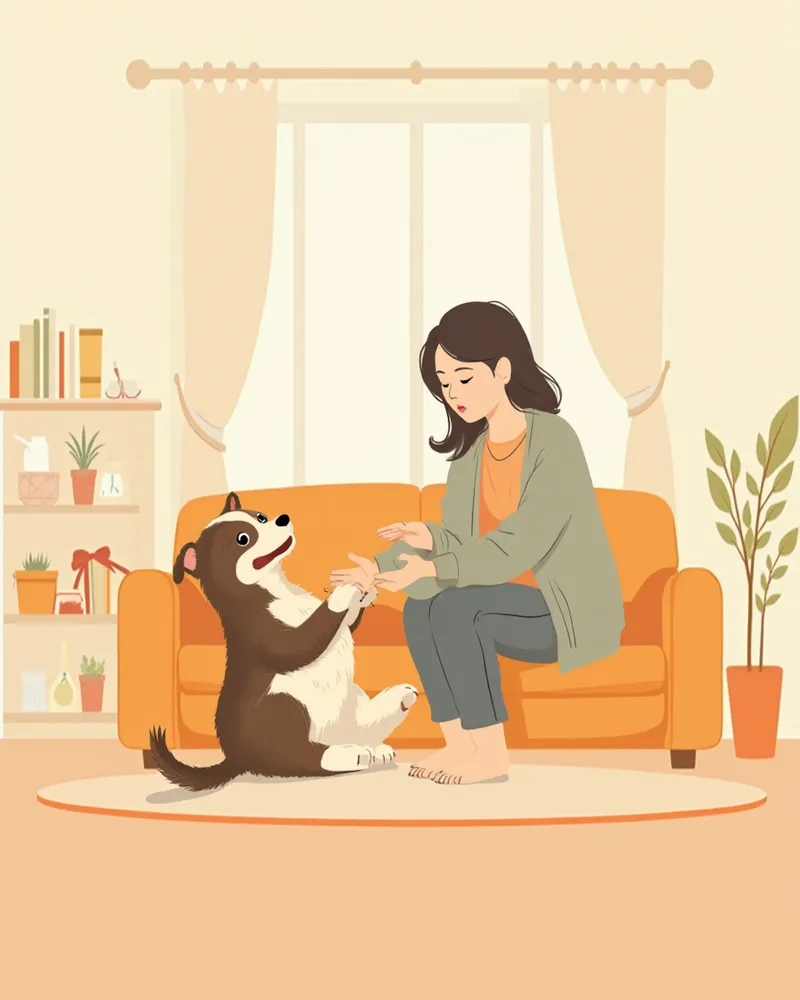
Jaundice isn’t just about a change in color. If you notice any of the following signs alongside it, the likelihood of jaundice is much higher.
Yellow gums and whites of the eyes: Under natural light, the whites of the eyes and gums appear distinctly yellow.
Dark orange urine: The urine isn’t a clear yellow, but rather resembles the color of black tea or soy sauce.
Pale gray or clay-colored stool: This occurs when bile cannot properly flow into the intestines.
Loss of appetite and vomiting: These are the most common early signs of declining liver function.
Abdominal distension and pain: The pet may flinch when the abdomen is touched or assume a hunched posture.
A pet owner checking their dog’s condition at home

Signs Requiring Immediate Emergency Vet Visit

If you notice any of the following symptoms, take your pet to a 24-hour emergency animal hospital immediately, even at night. Conditions such as acute liver failure, hemolytic anemia, and biliary obstruction can worsen within hours. - Gums appear deep yellow or orange - Blood is present in vomit or stool - Breathing is labored and the tongue is purple - Staggering, seizures, or altered consciousness - Refusal to eat or drink for more than 24 hours

Cause 1. Liver Dysfunction (Hepatic Jaundice)
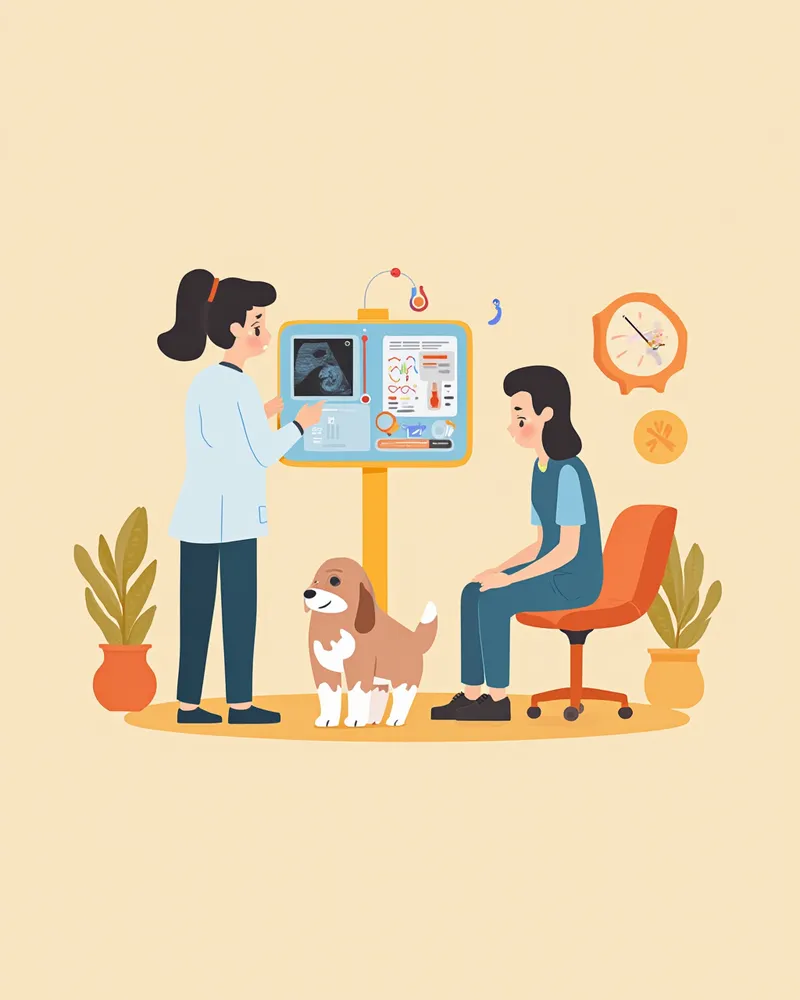
This occurs when damaged liver cells can no longer process bilirubin. Jaundice caused by such intrinsic liver dysfunction is called hepatic jaundice. While pre-hepatic jaundice results from hemolysis, the key driver in this type is liver cell injury.
Common causes: acute or chronic hepatitis, hepatotoxic drugs (acetaminophen, xylitol), leptospirosis infection, liver tumors, and copper storage disease (Bedlington Terriers, Doberman Pinschers)
Over-the-counter pain relievers, human cold medications, and sugar-free gum (containing xylitol) are fatal to small dogs and must never be given.
A veterinarian reviewing blood test results and liver ultrasound findings.

Cause 2. Biliary Obstruction (Post-hepatic Jaundice)

When the pathway for bile produced by the liver to flow into the intestines is blocked, bilirubin backs up into the bloodstream. Common causes include gallstones, gallbladder mucoceles, compression of the bile ducts due to pancreatitis, and tumors. Gallbladder mucoceles are particularly common in Shetland Sheepdogs and Miniature Schnauzers, and if the gallbladder ruptures, emergency surgery is required. Diagnosis can be expedited by abdominal ultrasound, which can identify characteristic gallbladder shapes such as a star or kiwi cross-section. The presence of pale gray stools strongly suggests a possible biliary obstruction.

Cause 3. Red Blood Cell Destruction (Pre-hepatic Jaundice)

When red blood cells are destroyed in large numbers at once, the liver can’t keep up with the resulting surge of bilirubin. This condition is called hemolytic anemia.
Common causes: Immune-mediated hemolytic anemia (IMHA), onion or garlic toxicity (Heinz body hemolysis), tick-borne infections (Babesia), and toxicity from human fever reducers.
In these cases, jaundice appears along with pale gums and rapid breathing. Emergency treatment is critical, as blood transfusions may be necessary.

Breed-Specific and Situational Precautions

Certain breeds and circumstances carry a higher risk of jaundice. - Bedlington Terriers: Genetic copper accumulation disorder - Miniature Schnauzers, Shetland Sheepdogs, Cocker Spaniels: Prone to gallbladder mucoceles - Doberman Pinschers: Genetic predisposition to chronic hepatitis - Senior dogs (7 years and older): Increased incidence of liver tumors and biliary tract diseases - Unvaccinated dogs: Risk of leptospirosis infection If your dog falls into any of these categories, it is recommended to have liver enzyme tests (ALT, ALP, bilirubin) performed at least once a year.

How Diagnosis and Treatment Are Conducted
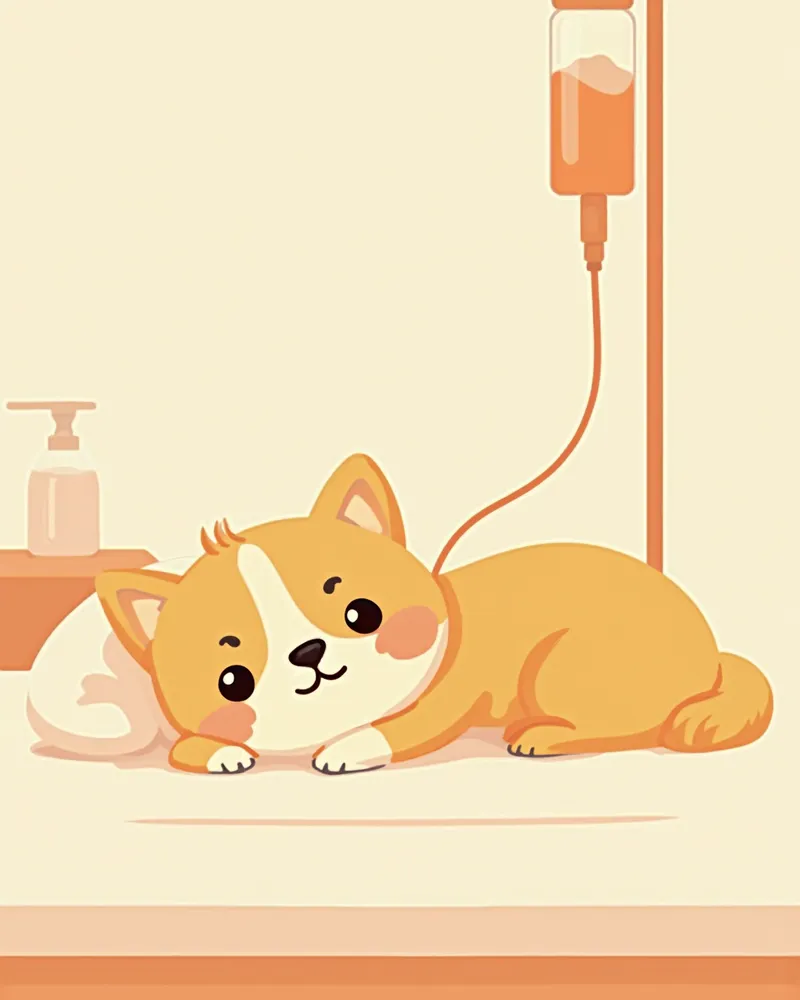
At the clinic, we identify the underlying cause through blood tests (CBC, liver enzymes, bilirubin), abdominal ultrasound, and, if necessary, bile acid testing or a liver biopsy. The treatment approach varies significantly depending on the cause.
Hepatocellular: Hepatoprotective agents, intravenous fluids, and removal of the underlying cause (such as detoxification for poisoning)
Biliary obstruction: Surgical drainage of bile if there is no response to medical therapy
Hemolytic: Immunosuppressants, blood transfusions, and detoxification for poisoning
Your veterinarian will determine the appropriate medication type and dosage based on your pet’s weight and the specific cause. Administering over-the-counter liver supplements at home without veterinary guidance can inadvertently delay an accurate diagnosis.
A puppy resting while receiving intravenous fluid therapy.

Prevention and Management Tips for Home Care

With jaundice, early detection is more practical than prevention. Establish a routine for regular monitoring.
Check gum and sclera color weekly: Document changes with photos taken in natural light.
Never administer human medications: This includes acetaminophen, ibuprofen, and xylitol.
Regular health screenings: Pets aged 7 and older should have their liver enzymes checked twice a year.
Leptospirosis vaccination: Essential for pets that frequently go on walks or camping trips.
Weight management: Obesity can lead to fatty liver disease and gallbladder disorders.
If you notice any changes in your pet’s appetite or energy levels, don’t assume they’ll recover on their own. The most reliable form of prevention is to seek a veterinary check-up promptly.

Reviewed by a veterinarian

Dr. Tony — Punnawat Phongkittirak

Dr. Tony — Punnawat Phongkittirak

Veterinarian

A veterinarian who majored in veterinary medicine at Khon Kaen University, Thailand, and completed the IVSA program at North Carolina State University in the United States. Drawing on clinical experience at animal hospitals, he works in the pet healthcare field and is dedicated to building a digital care environment that connects pet parents with veterinarians.

Frequently Asked Questions

My dog’s gums look a little yellow. Should I take him to the vet right away?
Yes, I recommend visiting a vet within 48 hours. If jaundice is visible to the naked eye, the bilirubin levels are already significantly elevated, so the sooner we identify the underlying cause, the higher the chances of successful treatment. Take photos in natural light and note down your pet’s appetite and urine color to bring to the clinic—this will help with the diagnosis.
Does jaundice mean the liver is damaged? Is recovery possible?
Not necessarily. In cases of jaundice caused by red blood cell issues, such as hemolytic anemia, the liver itself may be perfectly healthy. Even with hepatocellular jaundice, conditions like acute hepatitis or drug toxicity often resolve with the liver regenerating and returning to normal if treated promptly. The prognosis varies significantly depending on the underlying cause.
What should I feed a puppy with jaundice?
Until the underlying cause is diagnosed, offer small, frequent meals of your pet’s regular food while avoiding stimulating treats and high-fat foods. After diagnosis, your veterinarian will recommend a prescription diet tailored to your pet’s liver function. Do not administer liver supplements or herbal remedies without consulting your vet first, as they may increase the burden on the liver.
My pet’s urine is a deep orange color—could this be a sign of jaundice?
It’s quite likely. When bilirubin leaks into the urine, it can give it a color resembling black tea or soy sauce. However, dehydration and blood in the urine can look similar, so it’s important to differentiate between them. If the gums and the whites of the eyes are also yellow, there’s a high chance of jaundice. Collecting the urine in a clear cup and bringing it to the vet can help speed up the diagnosis.
I gave my pet human Tylenol, and it has been lethargic for several days. Could it develop jaundice?
Yes, acetaminophen is highly toxic to a dog’s liver. After ingestion, symptoms such as vomiting, changes in gum color, and jaundice may appear. Even if no symptoms are present, if you know your dog has ingested it, you must go to an emergency clinic immediately for detoxification treatment. Delaying care can be life-threatening.

Share

Related Guides

References

[1] Ettinger, S.J., Feldman, E.C., Textbook of Veterinary Internal Medicine, 8th Ed, Chapter on Icterus and Hepatobiliary Disease, 2017

[2] Nelson, R.W., Couto, C.G., Small Animal Internal Medicine, 6th Ed, Hepatobiliary Disorders, 2020

[3] Washabau, R.J., Day, M.J., Canine and Feline Gastroenterology, Icterus and Liver Failure, 2013

This information is based on veterinary literature and does not replace diagnosis or treatment. Please consult a veterinarian for specific health concerns.

Metapet Co., Ltd. | CEO: Park Sung-yong | Business Reg. No. 417-88-02562 | Seoul, South Korea | Customer Center

Dog Jaundice: Symptoms and Causes of Yellow Gums | Meongsiljang