
My Dog Is Drinking Too Much Water — A Guide to Suspecting Diabetes, Kidney Disease, and Cushing’s Syndrome
We’ve compiled the accompanying symptoms of diabetes, chronic kidney disease, and Cushing’s syndrome to watch for when your dog suddenly starts drinking excessive amounts of water, along with the emergency criteria that warrant an immediate trip to the vet.
When Your Dog Drinks Too Much Water — Assess Urgency First
Normal Water Intake by Weight vs. Polydipsia Criteria
| Item | Normal | Borderline (Monitor) | Further Diagnosis |
|---|---|---|---|
| 24-hour Water Intake per 1kg Body Weight | 50–80ml | 80–100ml | Over 100ml |
| Conversion for 5kg Dog | 250–400ml | 400–500ml | Over 500ml |
| Conversion for 10kg Dog | 500–800ml | 800–1000ml | Over 1000ml |
| Recommended Action | Routine care | Record water intake for 1 week | Immediate clinic examination |
A dry-food-based diet naturally involves more water intake than a wet-food diet. For the first 1–2 weeks right after changing food type, regard it as within the normal range of fluctuation and monitor.
Checklist of Accompanying Symptoms to Suspect Pathological Polydipsia
Signs That Require an Immediate Trip to the Emergency Vet
If your pet has been vomiting and unable to keep down anything except water for more than 24 hours, if their breathing becomes abnormally rapid and their breath smells sweet (like acetone), or if they show signs of lethargy, seizures, or an inability to stand, you must take them to a 24-hour emergency veterinary clinic immediately. Uncontrolled diabetes can lead to a buildup of ketones in the body and metabolic acidosis, resulting in diabetic ketoacidosis (DKA), which is a critical condition requiring urgent emergency treatment. If you notice any of these signs, do not delay; getting your pet to a vet right away is the safest course of action.
Cause 1 — Canine Diabetes
Cause 2 — Chronic Kidney Disease
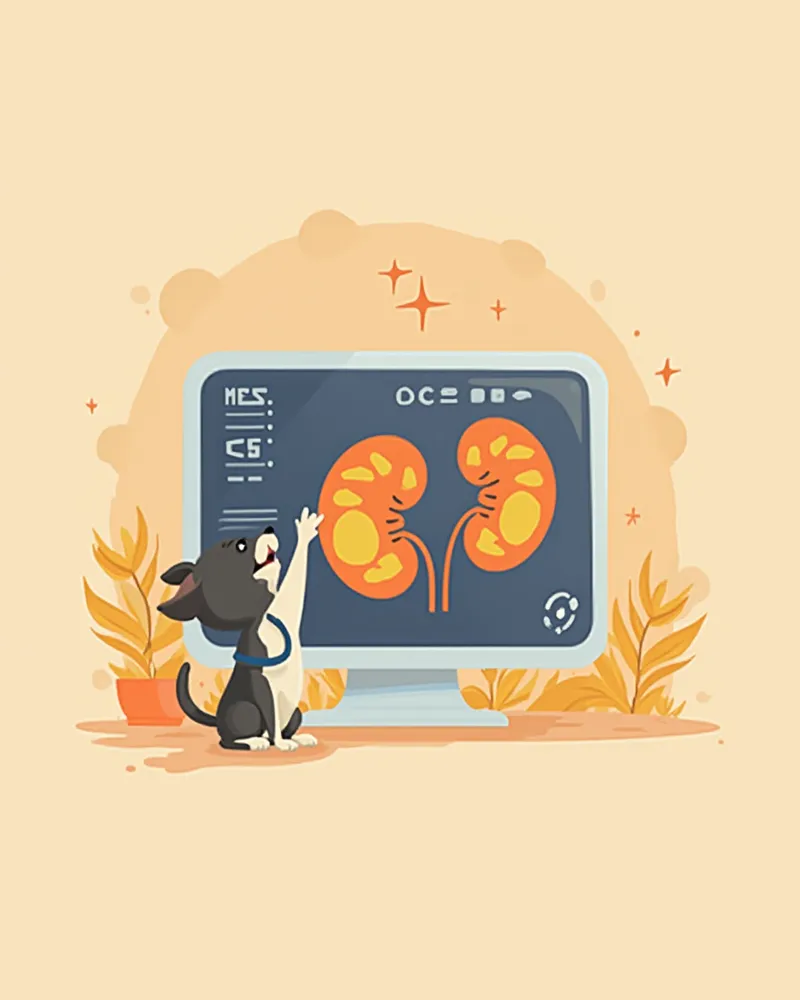
Cause 3 — Cushing’s Syndrome (Hyperadrenocorticism)
These Cases Are Temporary and Normal
Drinking a large amount of water for about 30 minutes to an hour after exposure to summer heat above 30°C (86°F), or immediately after walks and play, is a normal physiological response. Similarly, a temporary increase in water intake is natural during the first 1–2 weeks after switching to a drier dry food, or for several hours after consuming salty treats. However, if your pet continues to drink more than twice their usual amount for over a week even in a cool environment, or if they start seeking water in the early morning hours, this pattern should be considered indicative of an underlying medical condition.
Measuring and Managing Water Intake at Home
Reviewed by a veterinarian

Dr. Tony — Punnawat Phongkittirak
VeterinarianA veterinarian who majored in veterinary medicine at Khon Kaen University, Thailand, and completed the IVSA program at North Carolina State University in the United States. Drawing on clinical experience at animal hospitals, he works in the pet healthcare field and is dedicated to building a digital care environment that connects pet parents with veterinarians.
Reviewed 2026-05-05
Frequently Asked Questions
How much water intake per day is considered abnormal?
We switched our pet’s food from dry kibble to wet food, and now they’re drinking less water. Is this normal?
What tests will my pet undergo at the clinic if they show these symptoms?
Can diabetes and Cushing’s disease occur at the same time?
My senior dog is drinking slightly more water than usual. Is it okay to just leave it as is?
Share
Related Guides
Top 5 Prescription Dog Foods for Diabetes Recommended by Veterinarians — Blood Sugar-Stabilizing Food Comparison
7 Key Products for Managing Feline Hypercalcemia Recommended by Veterinarians and Selection Criteria
7 Key Points for Canine Thyroid T4 Testing by Veterinarians — From Timing to Result Interpretation
Causes and How to Check When Your Dog Drinks a Lot of Water

Causes of Dog Tremors and Assessing Urgency
Causes of Fever in Dogs and How to Respond
Emergency Response for Dog Heatstroke
Feline Stress Signals and Management: A Comprehensive Guide to Key Signs Owners Often Miss

When a Membrane Covers Your Cat’s Eye — Causes and Suspected Conditions of Third Eyelid (Nictitating Membrane) Exposure
Why Is My Cat Grooming So Much? — Causes of Overgrooming and Hidden Disease Signals
References
[1] Notes on Canine Internal Medicine, 4th Ed — Endocrine Disorders 챕터, Diabetes Mellitus 섹션
[2] Clinical Medicine of the Dog and Cat, 4th Ed — Endocrine System: Diabetes Mellitus and Hyperadrenocorticism
[3] The Dog Care Handbook — Practical Home Nursing of Your Dog 챕터
[4] BSAVA Manual of Canine and Feline Endocrinology, 4th Ed — Polyuria/Polydipsia Diagnostic Approach