

Emergency Response for Swallowed Fishhooks
Learn how to assess the urgency and provide proper first aid when your pet swallows a fishhook. We’ve also outlined why you should never pull on the line and the key principles for transporting your pet to the hospital.
What Kind of Emergency Is a Swallowed Fishhook?

Urgency Levels — Location Is Everything
Urgency Classification by Embedding Location
| Item | Mouth / tongue / cheek | Esophagus | Stomach / small intestine |
|---|---|---|---|
| Urgency | Moderate | Very high | High |
| Typical symptoms | Drooling, unable to close mouth | Difficulty swallowing, gagging | Vomiting, abdominal pain, decreased appetite |
| Treatment | Can be removed after sedation | Endoscopy or surgery | Endoscopy or open abdominal surgery |
| Timing of treatment | As soon as possible | Immediately without delay | Immediately without delay |
Because it is metal and shows up well on X-ray, imaging is essential in all cases. The exact timing of treatment varies by location and individual, so textbooks recommend removing it 'as soon as possible' rather than fixing a time.
Suspect a Swallowed Fishhook If You See These Symptoms

Signs That Require Immediate Emergency Care
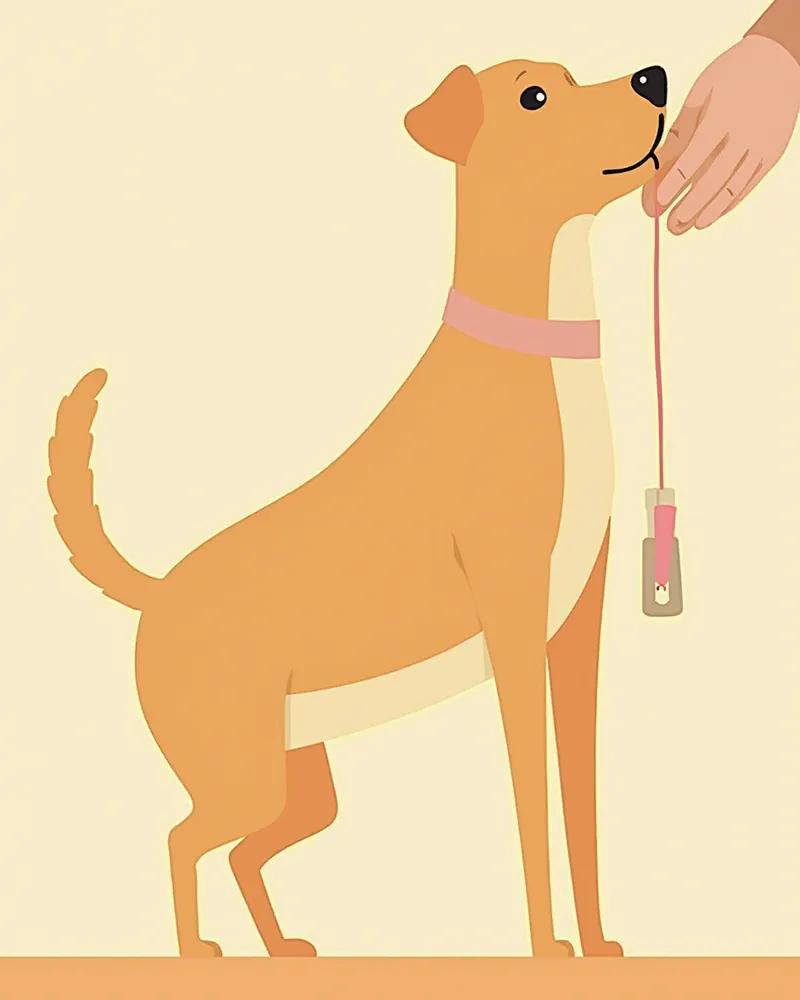
If any of the following situations apply, do not attempt home treatment; immediately transport your pet to a 24-hour veterinary hospital. - If the fishing line is visible outside the mouth (visible line indicates the hook is embedded internally) - If your pet is vomiting blood or passing black stools - If breathing is labored and the abdomen is distended - If the gums are pale or your pet is lethargic and unresponsive During transport, withhold all food and water. If a line is present, gently secure it to the neck area with tape to prevent further movement.
3 Emergency Actions to Absolutely Avoid
What Happens at the Veterinary Clinic
Symptoms Appear Later in Cats
Cats have a strong instinct to hide pain, so they may appear perfectly fine at first even after swallowing a fishhook. If you notice vomiting, loss of appetite, or hiding behavior that persists, do not wait—take your cat to the vet immediately. Linear foreign bodies, such as string or fishing line, are more common in cats than in dogs, and nearly half of these cases involve one end lodged under the tongue. This type of foreign body can cause the intestines to fold accordion-style (intestinalplication), leading to multiple injuries. If left untreated, it can progress to intestinal perforation, septic peritonitis, and shock, making it a highly dangerous emergency.
Prevention — Safety Rules at Fishing Spots and Beaches

Reviewed by a veterinarian

Dr. Tony — Punnawat Phongkittirak
VeterinarianA veterinarian who majored in veterinary medicine at Khon Kaen University, Thailand, and completed the IVSA program at North Carolina State University in the United States. Drawing on clinical experience at animal hospitals, he works in the pet healthcare field and is dedicated to building a digital care environment that connects pet parents with veterinarians.
Reviewed 2026-04-27
Frequently Asked Questions
My pet swallowed a fishing hook a few hours ago and seems fine. Is that okay?
The fishing line is sticking out of the mouth—can I cut it with scissors?
Even if it seems like my pet only swallowed the bait, should I still go to the vet?
How much should I expect the treatment to cost?
How long does the recovery period after surgery take?
Share
Related Guides

Primary vs. Secondary Veterinary Hospitals: A Comparison

5 Easy-to-Raise Cat Breeds for First-Time Owners — Grooming Difficulty Comparison

Top 7 Short-Legged Dog Breeds

Emergency Response and Treatment for Frostbite in Dogs and Cats

Emergency Response for Injuries During Walks

Emergency Response for Bee Stings in Dogs and Cats

Emergency First Aid for Pet Electric Shock Accidents

Emergency First Aid for Bleeding in Pets

If Your Pet Suddenly Has a Seizure — Emergency Response and When to Go to the Vet

Causes of Hairballs in Cats and Management Strategies
References
[1] Fossum TW, Small Animal Surgery, 5th Edition, Chapter: Surgery of the Esophagus
[2] Ettinger SJ, Textbook of Veterinary Internal Medicine, 8th Edition, Gastrointestinal Foreign Bodies
[3] Blackwell's Five-Minute Veterinary Consult Clinical Companion, Small Animal Toxicology, 3rd Edition