

Emergency Response for Hypothermia in Dogs and Cats During Cold Waves
We’ve compiled veterinary guidelines on emergency signs and within-one-hour responses for pets experiencing a rapid drop in body temperature due to cold waves. Check the step-by-step action instructions for shivering, lethargy, and decreased consciousness.
What Is a Hypothermia Emergency During a Cold Wave?
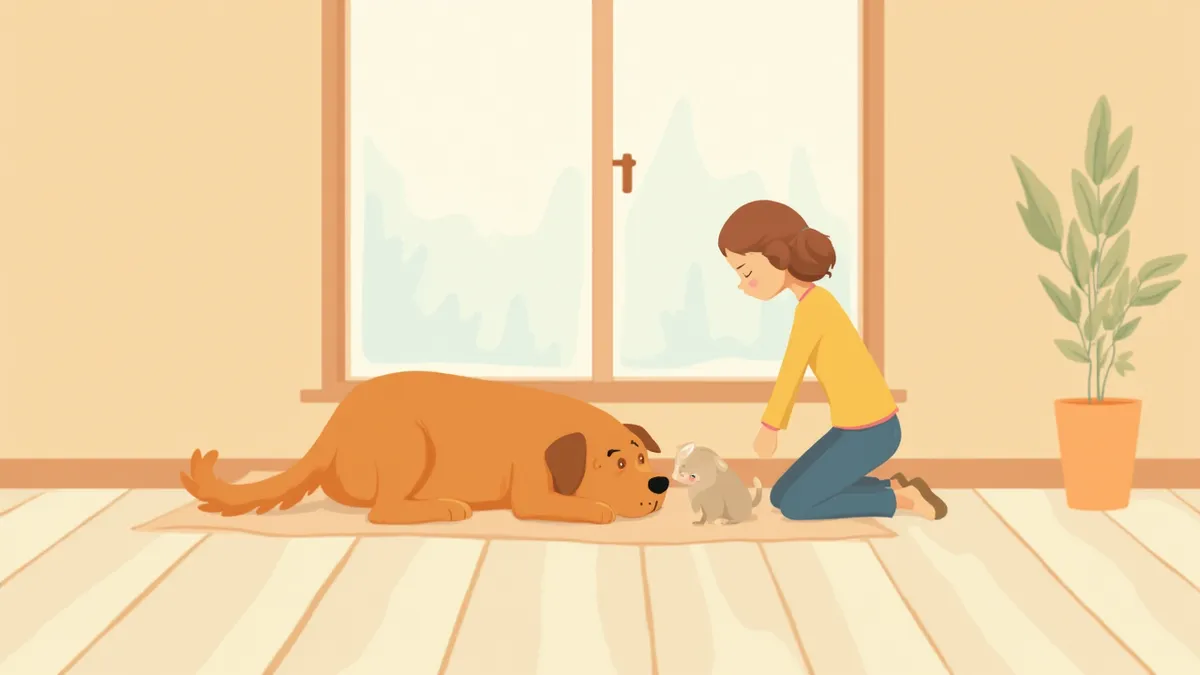
Temperature Criteria by Hypothermia Stage
Temperature and Response Guidelines by Stage
| Item | Mild | Moderate | Severe |
|---|---|---|---|
| Core Body Temperature | 32–37℃ | 28–32℃ | Below 28℃ |
| Main Signs | Severe shivering, curling up | Reduced shivering, lethargy, difficulty standing | Decreased consciousness, dilated pupils, bradycardia |
| Home Response | Blanket / move indoors | Wrap in a towel and go to the hospital immediately | Keep warm during transport + emergency (911-level) |
| Rewarming Rate | Passive warming possible | Active rewarming at the hospital needed | Core rewarming (performed by a veterinarian) |
Rather than judging solely by temperature values, it is more accurate to assess severity by clinical signs such as the presence of shivering and level of consciousness (based on the functional classification in veterinary critical care medicine). Because loss of shivering can occur over a relatively wide temperature range, the values above are for reference only, and when rewarming, warm the body's core before the extremities.
Emergency Signs to Check For
Situations Requiring Immediate Veterinary Care
If any of the following apply, keep your pet warm during transport and go immediately to a 24-hour emergency veterinary hospital. • Body temperature measures below 35°C • Shivering stops and the pet becomes limp • Little to no response when called by name • Gums appear pale or purple • Small-breed dogs, puppies, or senior cats have been exposed to cold weather for more than 30 minutes Do not apply hot water or blow dryers directly. In veterinary critical care, the principle of rewarming hypothermic patients is to warm the core torso before the extremities; applying intense heat directly to the skin surface is not considered safe first aid.
Which Pets Are at Higher Risk?
What to Do at Home Before Going to the Hospital

Special Precautions for Cats, Kittens, and Senior Dogs
Cats have a strong tendency to hide signs of illness, which often leads to delayed detection of hypothermia. If your cat has access to the outdoors during a cold wave, be sure to check their body temperature, gum color, and responsiveness upon returning home. In kittens and puppies, a rectal temperature below 34.4°C can lead to respiratory depression, bradycardia, and impaired immune function. Hypothermia may also be accompanied by hypoglycemia, necessitating glucose supplementation under veterinary guidance. For senior pets, the rate of rewarming must be carefully controlled due to underlying heart or kidney conditions, so professional treatment at a veterinary clinic is essential.
Preventive Care Points During Cold Waves
Reviewed by a veterinarian

Dr. Tony — Punnawat Phongkittirak
VeterinarianA veterinarian who majored in veterinary medicine at Khon Kaen University, Thailand, and completed the IVSA program at North Carolina State University in the United States. Drawing on clinical experience at animal hospitals, he works in the pet healthcare field and is dedicated to building a digital care environment that connects pet parents with veterinarians.
Reviewed 2026-04-27
Frequently Asked Questions
Won't my pet recover faster if I use a dryer with warm air?
Can I trust the temperature reading from an ear thermometer?
If my pet’s temperature has returned to normal, do I still need to visit the vet?
My cat was on the balcony for 30 minutes and has now come back inside. It seems fine, but what should I check?
Is it safe for my pet to sleep while hugging a heat pack?
Share
Related Guides

Primary vs. Secondary Veterinary Hospitals: A Comparison

5 Easy-to-Raise Cat Breeds for First-Time Owners — Grooming Difficulty Comparison

Top 7 Short-Legged Dog Breeds
Emergency Response for Respiratory Arrest — Golden Time Guide for Dog and Cat CPR

Causes of Frequent Urination in Dogs

Heartworm Infection Symptoms and Treatment
If Your Dog or Cat Falls from a Height — Dangerous Internal Injury Signs Even If They Look Fine

Causes and Treatment of Canine Paw Eczema

Causes of Cat Vomiting and How to Respond

My Dog Vomited — Should I Go to the Vet Now or Wait?
References
[1] Small Animal Critical Care Medicine, 3rd Ed — Hypothermia and Rewarming chapter
[2] Advanced Monitoring for Small Animal Emergency and Critical Care, 2nd Ed
[3] Feline Emergency and Critical Care Medicine, 2nd Ed — Global assessment of the emergency patient
[4] Kjærgaard B, Bach P: Warming of patients with accidental hypothermia, Resuscitation, 2006