

If Your Pet Was Hit by a Vehicle — Immediate First Aid and When to Go to the Vet
We’ve outlined how to recognize emergency symptoms in pets hit by motorcycles or bicycles in urban areas, along with the essential steps owners should follow before transporting their pet to a veterinary clinic.
What Are Urban Accidents? A Quick Overview

Emergency Severity Levels Immediately After Collision
Criteria for Determining the Three Levels of Emergency Severity
| Item | Stage 1 (Immediate) | Stage 2 (Within 1 hour) | Stage 3 (Same-day care) |
|---|---|---|---|
| Consciousness | Unresponsive/seizures | Dazed but responsive | Normal |
| Breathing | Gasping/blue gums | Rapid but regular | Normal |
| Bleeding | Bleeding won't stop | Small amount/stopped | Abrasion level |
| Gait | Unable to stand | Limping | Able to walk |
| Behavior | Limp/listless | Trying to hide | Similar to usual |
Stage 1 may require preparation for CPR. Stages 2 and 3 also require examination within 24 hours to check for internal damage.
Checklist of Warning Signs You Must Not Miss

Do Not Delay for Even a Second in These Situations
If your pet’s gums are pale, breathing is shallow, consciousness is clouded, or the abdomen is swelling rapidly, they may be going into shock. For severe bleeding, apply firm pressure with a clean towel for at least five minutes to control the hemorrhage, then transport them to the nearest 24-hour veterinary clinic. During transport, support your pet flat on a stretcher or blanket to prevent additional trauma to the spine and pelvis.
What Injuries Occur — Major Causes and Mechanisms
Step-by-Step Treatment Process
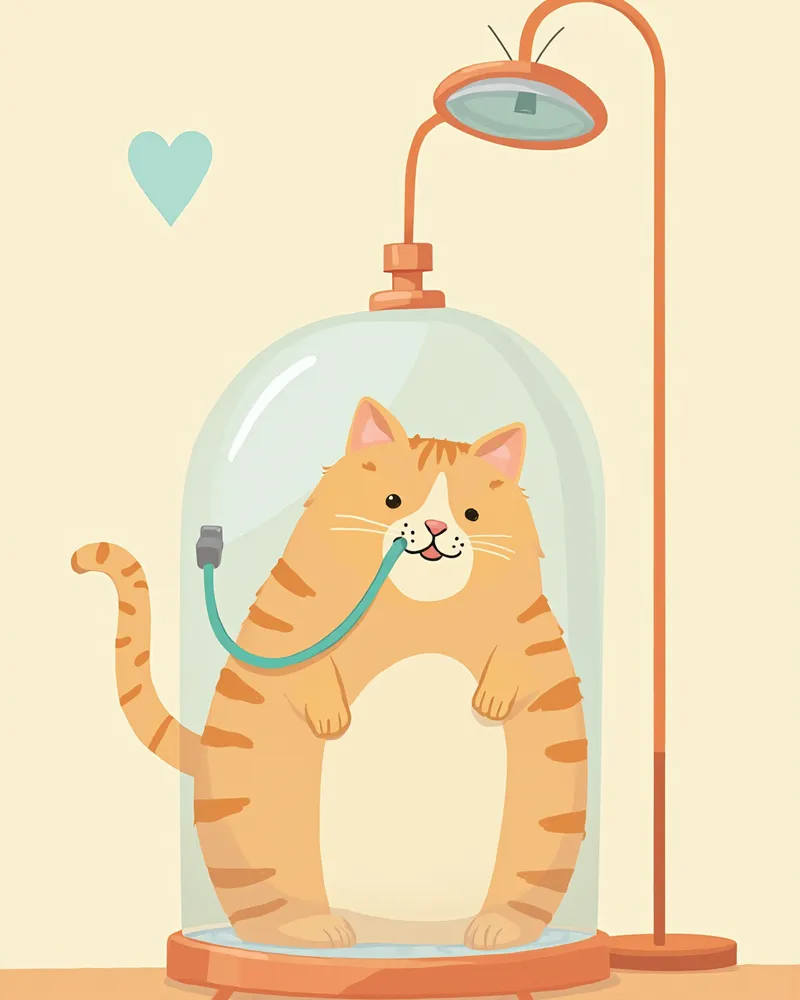
Important Information for Cat and Small Dog Owners
Cats often hide pain and discomfort, so they may appear completely fine even immediately after an accident. Veterinary textbooks actually note that it is difficult to assess whether a cat is in pain and to what degree. Therefore, it is safest to have your cat examined within 24 hours, even if they seem okay. The absence of visible wounds does not rule out blunt force trauma, and blunt cardiac injury should be suspected in all trauma cases, even when there are no visible chest wounds. When walking your cat, use a harness instead of a collar, and carry your pet when near bicycle or motorcycle lanes.
Daily Habits to Prevent Accidents

Reviewed by a veterinarian

Dr. Tony — Punnawat Phongkittirak
VeterinarianA veterinarian who majored in veterinary medicine at Khon Kaen University, Thailand, and completed the IVSA program at North Carolina State University in the United States. Drawing on clinical experience at animal hospitals, he works in the pet healthcare field and is dedicated to building a digital care environment that connects pet parents with veterinarians.
Reviewed 2026-04-27
Frequently Asked Questions
If my dog gets up and walks normally right after an accident, can I skip the vet visit?
My pet is bleeding heavily—how can I stop the bleeding?
Can I carry my injured pet without a carrier?
How much will the treatment cost?
Does pet insurance cover traffic accidents?
Share
Related Guides

Primary vs. Secondary Veterinary Hospitals: A Comparison

5 Easy-to-Raise Cat Breeds for First-Time Owners — Grooming Difficulty Comparison

Top 7 Short-Legged Dog Breeds

Why Cats Eat Grass

If Your Dog or Cat Has Been Stung Multiple Times by Bees or Wasps — Warning Signs from Swelling to Anaphylaxis

Emergency Response for Pet Choking and Airway Obstruction
If Your Pet Collapses Suddenly — Emergency CPR Response for Dogs and Cats

Emergency Response and Treatment for Frostbite in Dogs and Cats

Emergency Response for Injuries During Walks

Emergency Response for Bee Stings in Dogs and Cats
References
[1] Silverstein DC, Hopper K, Small Animal Critical Care Medicine, 3rd Edition, Chapter: Shock and Trauma
[2] Tilley LP, Smith FWK, Blackwell's Five-Minute Veterinary Consult: Canine and Feline, Chapter: Trauma, Blunt
[3] Drobatz KJ, Costello MF, Feline Emergency and Critical Care Medicine, Chapter: Approach to the Traumatized Cat