Like
Share
멍실장
한파 차내 방치 응급 — 저체온증 증상과 대처법

If You Left Your Dog in the Car During a Cold Snap — Hypothermia Warning Signs and Immediate First Aid

ImmunitySymptomsMeongsiljang Veterinary Advisory Board

Even leaving your pet in a car for just a moment during winter can lead to hypothermia. We’ve outlined the warning signs and immediate first aid steps you should take.

Why Is Leaving Pets in Cars During Cold Snaps Dangerous?
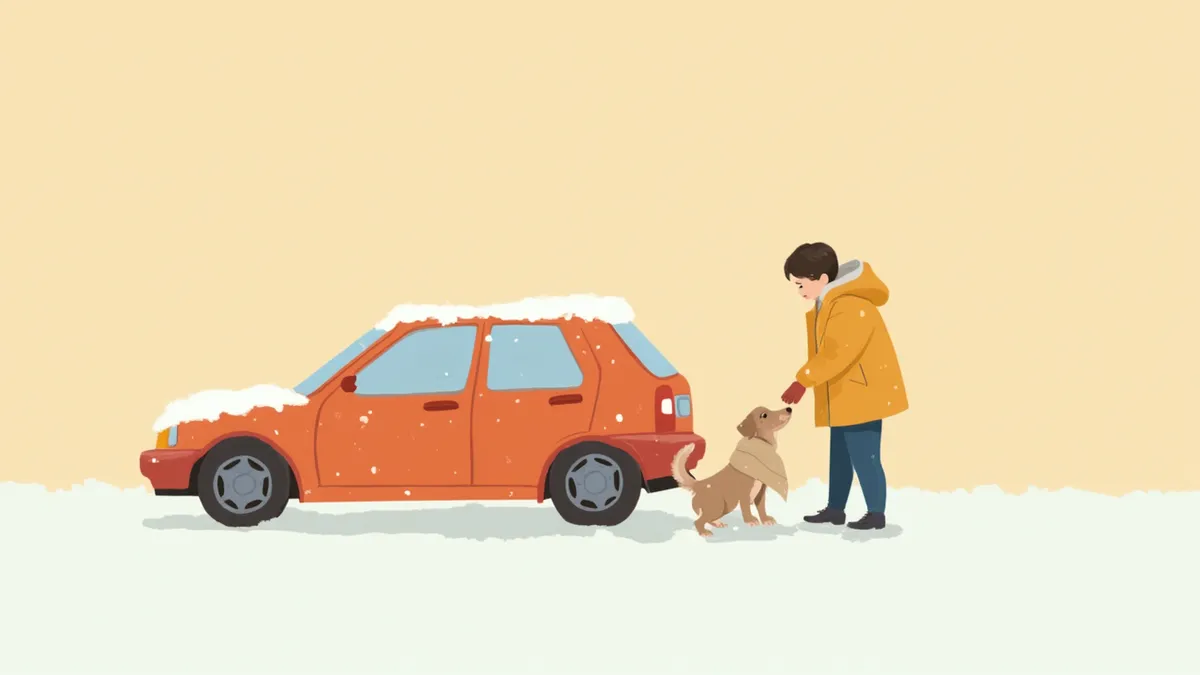
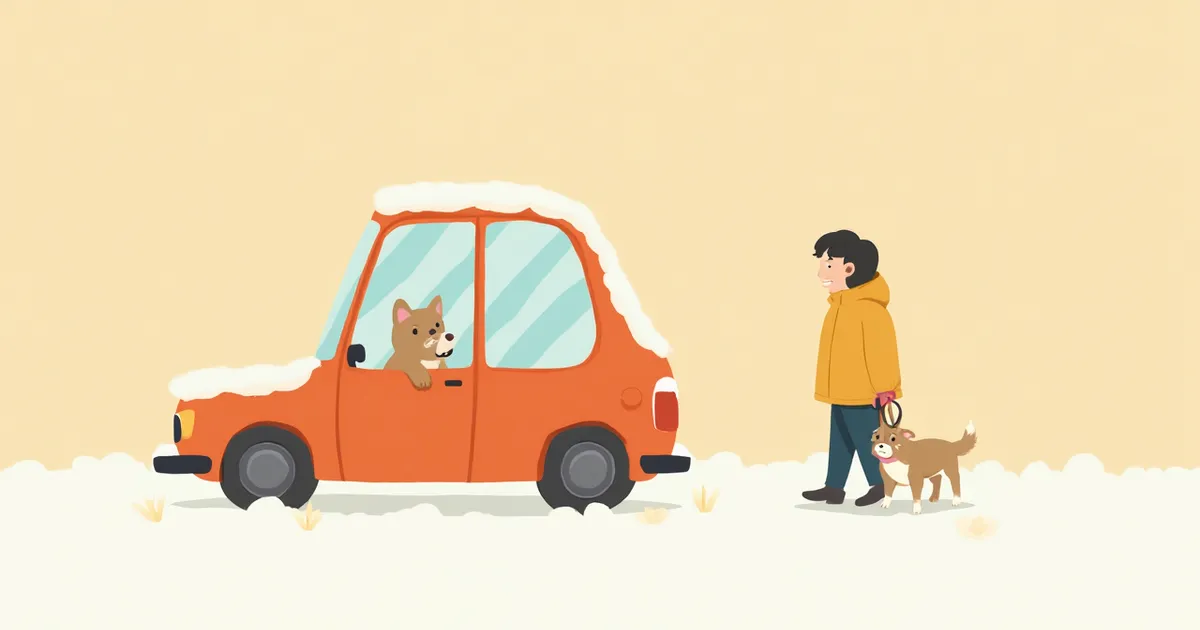
A pet owner opens the car door stuck in the snow and checks on their trembling dog.
Leaving pets in parked cars during cold snaps—when outside temperatures drop below freezing—is an emergency that can cause rapid hypothermia. What’s truly critical is that even brief exposure can lead to a swift drop in core body temperature, depending on environmental conditions. If you notice shivering, lethargy, or slowed breathing, immediately move your pet out of the car and into a warm indoor space. If symptoms persist, seek veterinary care right away.

Hypothermia Symptoms by Stage

A pet’s normal body temperature is roughly 38°C or higher. According to veterinary emergency medicine textbooks, hypothermia is classified as mild when the core temperature drops to 32–37°C, moderate when it falls to 28–32°C, and severe when it drops below 28°C. The longer a pet remains in a cold car, the more their body temperature gradually declines, with symptoms varying by stage to help assess urgency. Use the table below for initial assessment at home, and if the condition is moderate or worse, begin transporting the pet to a veterinary clinic immediately.

Urgency Levels for Each Stage of Hypothermia

ItemMild (32–37°C)Moderate (28–32°C)Severe (below 28°C)
ConsciousnessAlert, shiveringConfused, slow to respondUnresponsive, comatose
Heart rate/breathingSlightly rapidSlowingVery slow, irregular
Gum colorPinkPaleGrayish-blue
ManagementMove indoors, keep warmContact hospital while transportingTransport to ER immediately

The values are based on veterinary emergency medicine standards, and at home you measure with a rectal thermometer.

Checklist to Verify Immediately in the Car
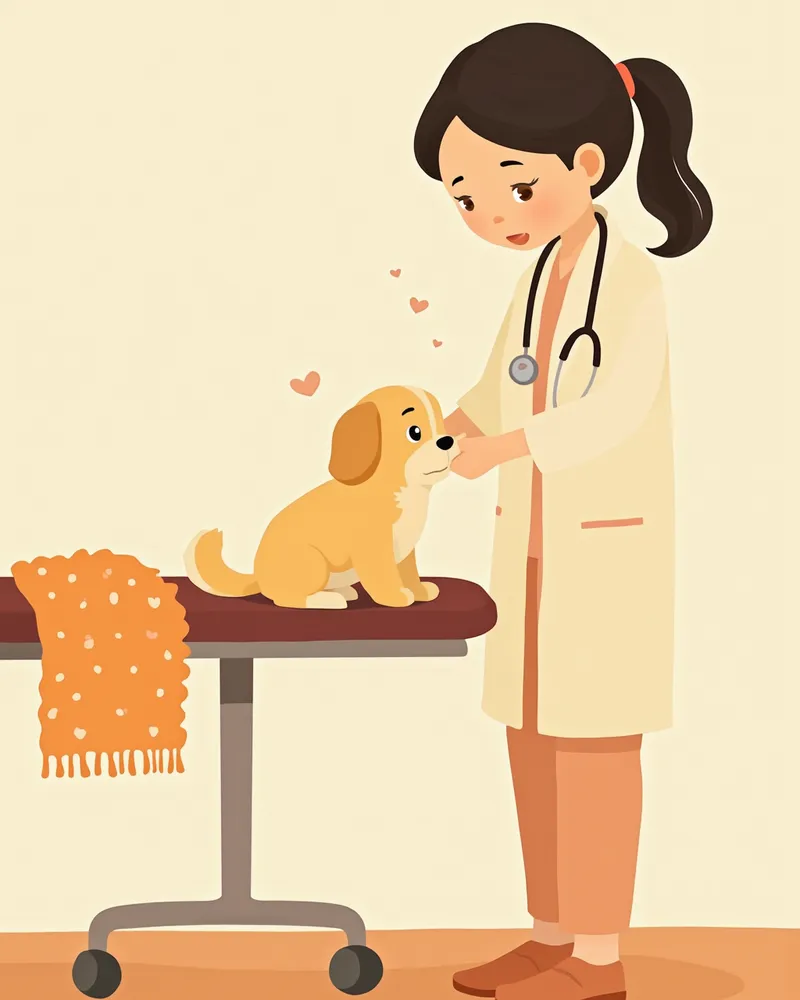
- Trembling: Persistent muscle tremors are already a sign of mild hypothermia. - Cold ears and paws: Reduced blood flow to the extremities causes them to become cold and pale. - Sluggish response: Your pet may react slowly to their name or stare blankly. - Breathing changes: Shallow and slow breathing suggests moderate hypothermia or worse. - Urination changes: In the early stages of hypothermia, cold diuresis can increase urine output. As the condition progresses to moderate or severe stages, overall bodily regulatory functions may also decline. If two or more of these signs appear simultaneously, you should provide home first aid while arranging immediate transport to a veterinary clinic.
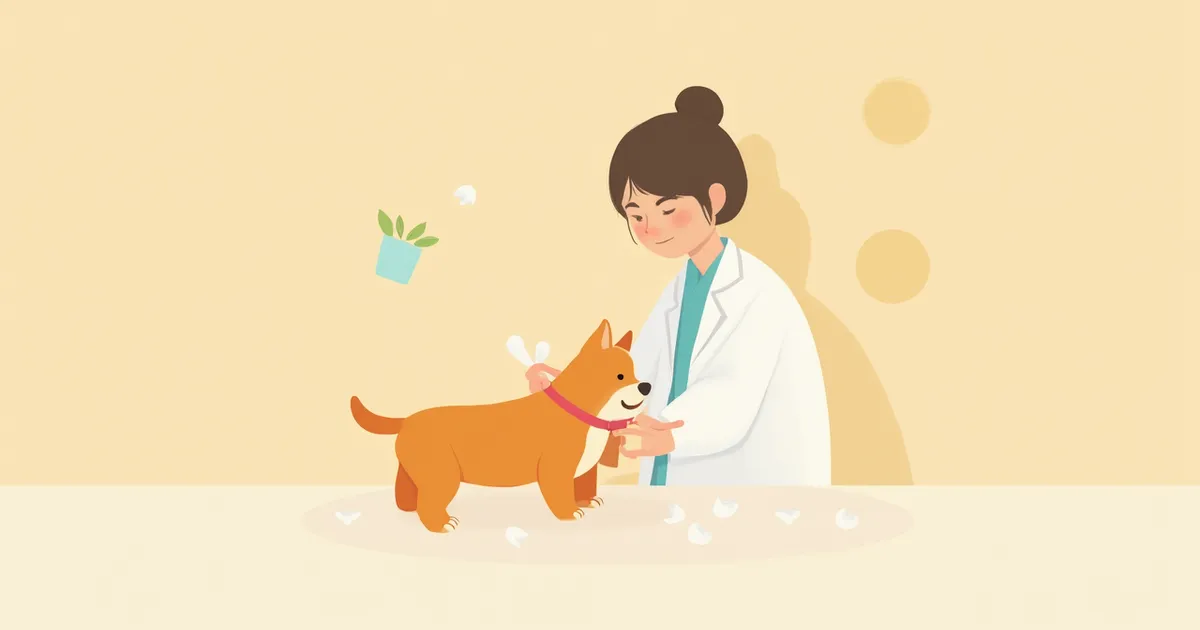
The veterinarian’s hands gently checking the puppy’s ears and paw tips.

Emergency Signs Requiring Immediate Veterinary Care

If any of the following signs are present, do not attempt to fully warm your pet at home. Instead, wrap them in a dry blanket and transport them to a veterinary clinic immediately. Incorrect or rapid rewarming can be dangerous, as it may cause "rewarming shock" from sudden peripheral blood vessel dilation and a drop in blood pressure, or "afterdrop," where cold blood from the extremities returns to the core, causing the internal body temperature to fall further. - No response to calling or shaking - Pale or bluish gums - Noticeably slow or irregular breathing - Rectal temperature below 36°C (96.8°F) - Left unattended in a car during a cold snap for more than 1 hour

Why Is the Inside of a Car More Dangerous?

According to veterinary emergency medicine textbooks, when animals are exposed to cold that exceeds their ability to regulate body temperature, their core temperature gradually drops. Metal and glass conduct external cold directly, and prolonged contact with cold metal surfaces can even lead to frostbite. In enclosed spaces, body heat escapes easily, accelerating heat loss. Small-breed dogs, senior dogs, short-haired cats, and young animals are especially vulnerable because their lower body fat and muscle mass allow heat to transfer and dissipate more quickly, putting them at greater risk even in the same environment.

Proper First Aid You Can Perform at Home
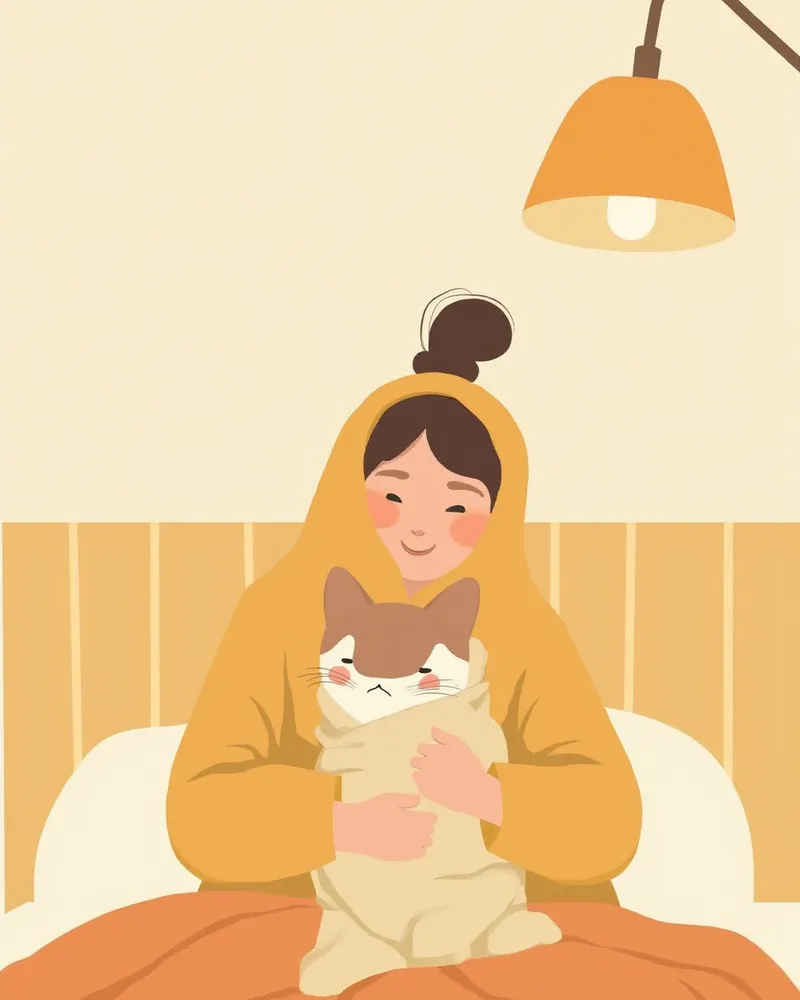
- Move indoors immediately: Bring your pet into a heated room to protect them from cold floors. - Wrap in a dry towel: If they are wet, gently dry them first, then wrap them in a dry blanket. - Use a lukewarm heat pack: Never use a hot water bottle. Apply a heat pack at 40°C or below, wrapped in a towel, to the armpits and abdomen. - Offer lukewarm water if conscious: Do not force-feed; let your pet lick the water on their own. - Monitor body temperature: Check their rectal temperature every 10–15 minutes and keep the vet updated on their condition. Direct contact with heat packs and rapid heating with hair dryers are prohibited due to the risk of burns.
A caregiver wrapping a cat in a warm towel

Special Precautions for Cats, Small Breeds, and Senior Pets

Cats have a natural tendency to hide pain and discomfort, so early signs of hypothermia are often subtle. While curling up in a corner might seem like a simple response to the cold, a sluggish reaction can indicate moderate hypothermia. Senior dogs, small breeds (especially Chihuahuas, Pomeranians, and Maltese), and puppies or kittens under three months old are at higher risk of rapid deterioration even in milder cold. During cold wave warnings, never leave your pet alone in a car, even for five minutes.

Recovery and Prevention of Recurrence

Even after your pet’s body temperature returns to normal following hospital treatment, a phenomenon called “afterdrop” can occur, where the core temperature drops again during the rewarming process. Therefore, it’s important to monitor their body temperature for a while. At home, maintain a warm sleeping area using a heating pad or blanket, and keep walks short during the early recovery phase. In the initial stages of hypothermia, cold diuresis may cause increased urination, so it’s also important to check if their appetite has returned and if their urine output has normalized. For prevention, never leave your dog alone in the car during winter outings, place a warming blanket inside the carrier, and preheat the vehicle before getting in. For comprehensive winter health care tips, please refer to our Dog Winter Care Guide.
A puppy resting on a warm, heated mat

Reviewed by a veterinarian

Dr. Tony — Punnawat Phongkittirak

Dr. Tony — Punnawat Phongkittirak

Veterinarian

A veterinarian who majored in veterinary medicine at Khon Kaen University, Thailand, and completed the IVSA program at North Carolina State University in the United States. Drawing on clinical experience at animal hospitals, he works in the pet healthcare field and is dedicated to building a digital care environment that connects pet parents with veterinarians.

Frequently Asked Questions

Is it safe to leave my pet in the car for a short time if I start the engine and turn on the heater?
We do not recommend it. There are risks of heater malfunction, engine stalling, and carbon monoxide leaks, and if an accident occurs while your pet is left alone in the car, you won't be able to respond immediately. During cold waves, it's essential to never leave your pet alone in the car, even for a short time.
How much should a pet’s body temperature drop before I need to take them to the vet?
A normal body temperature is roughly 38°C or higher. If the rectal temperature drops below approximately 37°C, it falls into the mild hypothermia range (32–37°C) according to veterinary emergency medicine textbooks, so it is advisable to seek veterinary care. In particular, if the temperature is below 32°C, it indicates moderate to severe hypothermia, requiring immediate emergency transport. If you do not have a thermometer, use the presence of two or more of the following signs as a guideline: sluggish responsiveness, pale gums, and decreased respiration.
Can I quickly warm it up with a hot water bottle?
No, that’s not safe. Rapid rewarming can cause “rewarming shock,” where peripheral blood vessels dilate first, leading to a drop in blood pressure. It can also trigger “afterdrop,” in which cold blood from the extremities returns to the core, causing the core body temperature to fall even further. Instead, wrap a heating pad set below 40°C (104°F) in a towel and gently warm the body from the core outward, focusing on areas like the armpits and abdomen.
I’ve heard that cats are resilient to the cold. Is it safe to leave my cat in the car?
No. Cats have a tendency to hide pain and discomfort, so early signs of hypothermia are rarely visible, which actually makes the condition more dangerous. Short-haired breeds, senior cats, and kittens are especially vulnerable to cold snaps.
Is it okay if my pet recovers after first aid without going to the vet?
Even if your pet appears to have recovered on the surface, hypothermia can affect major systems such as the cardiovascular and nervous systems. For safety, it’s recommended to have your pet examined by a veterinarian and undergo blood tests and an electrocardiogram (ECG), even in mild cases.

Share

Related Guides

References

[1] Small Animal Critical Care Medicine, 3rd Edition - Hypothermia and Frostbite Chapter

[2] Canine and Feline Respiratory Medicine, 3rd Edition

[3] The Cat, Clinical Medicine and Management, 2nd Edition - Thermal Injury

This information is based on veterinary literature and does not replace diagnosis or treatment. Please consult a veterinarian for specific health concerns.

Metapet Co., Ltd. | CEO: Park Sung-yong | Business Reg. No. 417-88-02562 | Seoul, South Korea | Customer Center

Dog Left in a Car During a Cold Snap: Hypothermia Warning Signs | Meongsiljang