Like
Share
멍실장
강아지·고양이 높은 곳에서 떨어짐 응급 대처법

If Your Dog or Cat Falls from a Height — Dangerous Internal Injury Signs Even If They Look Fine

ImmunitySymptomsMeongsiljang Veterinary Advisory Board

We’ve compiled the emergency symptoms that can appear when dogs or cats fall from heights, the criteria for when you should immediately visit a vet, and how to safely transport and monitor your pet.

What Is a Fall-Related Emergency? Key Response Points
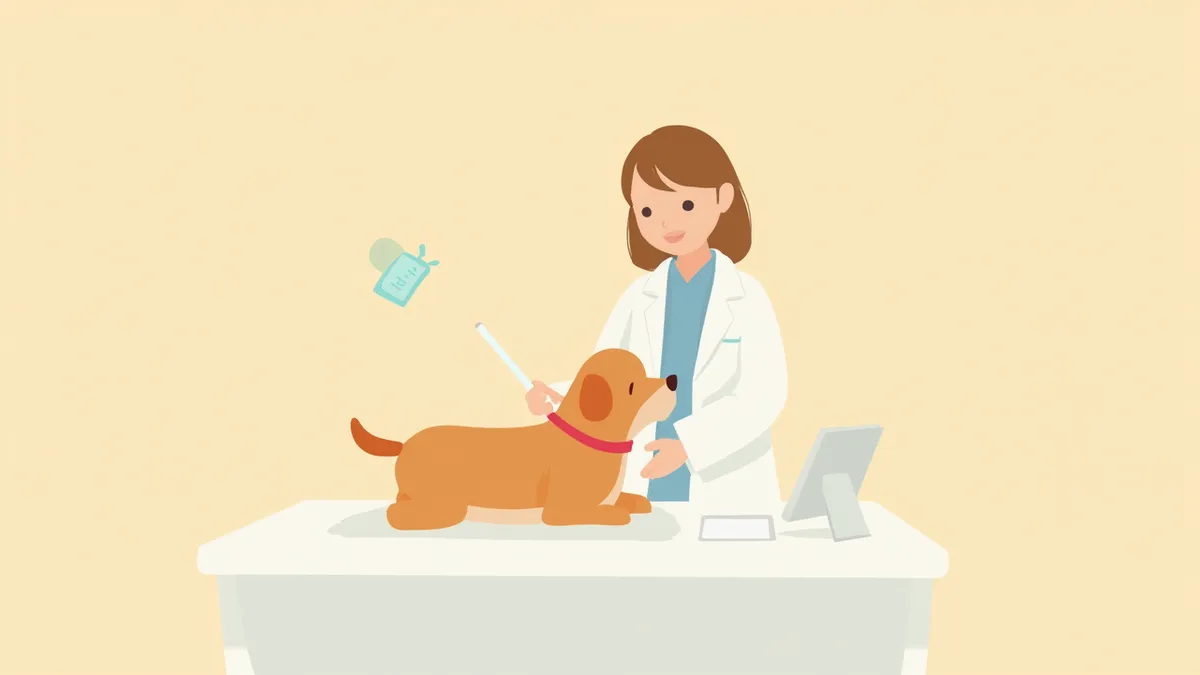
A puppy being examined at the vet clinic after a fall
A fall-related emergency in pets occurs when they drop from heights such as beds, sofas, stairs, or balconies, potentially sustaining trauma to the head, chest, abdomen, or limbs. The most critical point is that even if the pet appears fine on the outside, there may be internal bleeding or pulmonary contusions. Do not assume everything is okay just because the pet can walk immediately after the fall; instead, monitor their breathing, gum color, and level of consciousness, and have them examined by a veterinarian within 24 hours for safety.

Criteria for Judging Risk Level by Fall Height

The risk of injury from a fall depends on the height, floor surface, and the pet’s weight. The table below provides general guidelines, but small-breed dogs, senior dogs, and young cats should be considered one risk level higher.

Risk Level by Fall Height

ItemLow fallMedium fallHigh fall
Height50 cm or less50 cm–2 m2 m or more
ExamplesSofa/low bedAdult bed/stairs/tableBalcony/window/rooftop
Hospital visitObserve 24 hours, visit if abnormalSame-day visit recommendedEmergency room immediately
Main risksBruises/sprainsFractures/concussionMultiple trauma/chest injury

For small-breed dogs, senior dogs, and those under 6 months, judge one stage higher

Symptom Checklist to Check After a Fall

Monitor your pet closely for at least 48 hours after the fall, as delayed bleeding and swelling often appear several hours later.
Shallow, rapid breathing: Possible chest contusion or pneumothorax
Pale or gray gums: Suspected internal bleeding or shock
Limping or holding one leg up: Possible fracture or dislocation
Vomiting or decreased consciousness: Signs of concussion or head trauma
Distended, bloated abdomen: Suspected internal abdominal bleeding
Blood in urine: Signs of bladder or kidney injury
A pet owner checking their cat's gum color

Signs That Require an Immediate Trip to the Emergency Room

If you notice any of the following signs, your pet’s condition may worsen during transport, so head to a 24-hour emergency veterinary clinic immediately: - Rapid, labored breathing or panting with an open mouth - Pale or bluish gums - Unconsciousness or no response when called - Seizures or convulsions - Limbs bent at abnormal angles - Bleeding from the nose, mouth, or ears

Why Is It Dangerous Even If the Outside Looks Fine?
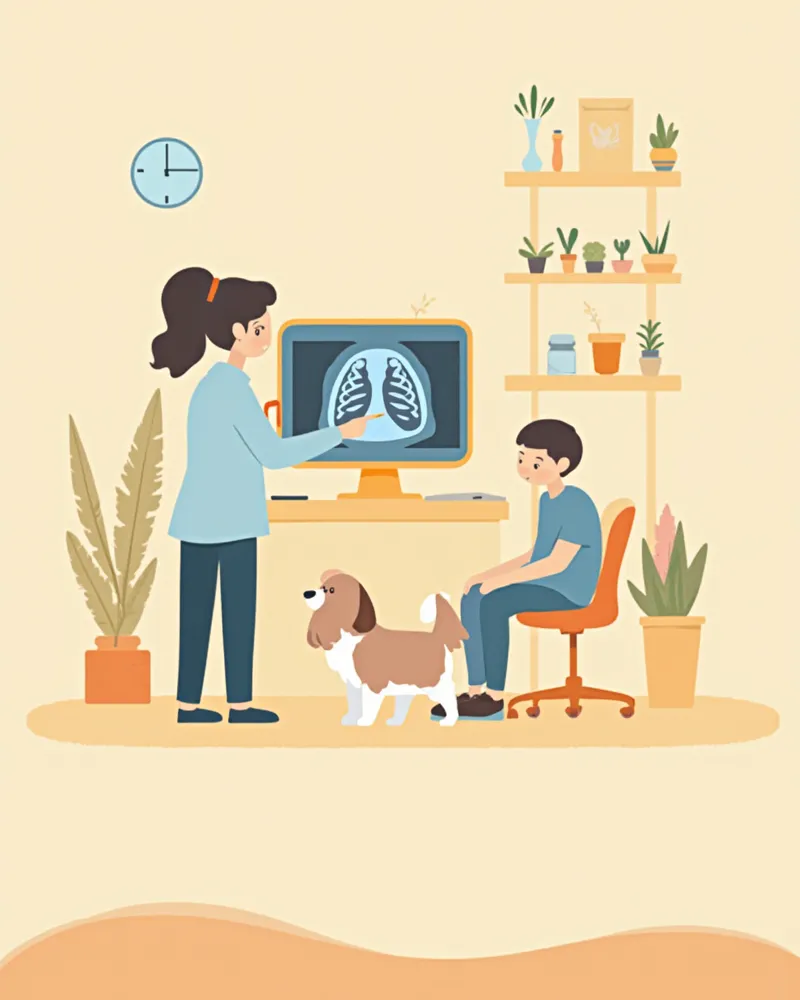
The most serious concerns after a fall are pulmonary contusions and internal bleeding within the abdominal cavity. Even without visible external wounds, chest trauma can cause bleeding and swelling within the lung tissue, often manifesting initially as internal signs such as rapid breathing or difficulty breathing. Furthermore, these injuries may not appear clearly on initial imaging but become more evident over time, so it is safer to recheck with thoracic and pulmonary ultrasound or X-rays. Similarly, if the liver or spleen is damaged in the abdomen, blood can slowly accumulate in the abdominal cavity, potentially leading to shock over several hours. Therefore, assuming your pet is fine simply because they are walking normally right now is very dangerous.
A veterinarian reviewing a pet’s chest X-ray

How to Safely Transport to the Vet

After a fall, proper transport is crucial to prevent worsening of spinal injuries or fractures.
Use a flat board: Place your pet on a thick cardboard box lid, tray, or book to keep the spine straight.
Do not carry or shake: This can worsen pain and bleeding.
Keep warm: Wrap in a blanket, but avoid overheating.
Withhold food and water: Maintain an empty stomach in case anesthesia or surgery is required.
Call ahead: Notify the clinic of the situation so they can prepare the emergency room.

Examinations and Treatments at the Vet

In the emergency room, the first step is to check vital signs to assess for shock and provide oxygen support. Next, chest and abdominal X-rays and ultrasound are used to identify internal injuries such as pneumothorax or hemoperitoneum, with CT scans performed if necessary. If a fracture is suspected, an orthopedic examination is added, and in cases of severe bleeding, fluid therapy and blood transfusions are administered immediately. The veterinarian determines the appropriate doses of pain relievers and antibiotics based on the pet’s weight and the extent of the injury, and hospitalization for monitoring is often required until the patient stabilizes.

Beware of High-Rise Syndrome in Cats

Cats are particularly at risk for "High-Rise Syndrome," which occurs when they fall from elevated areas such as balconies or windows. The impact of landing often causes damage to the oral and facial regions, with common injuries including palatal fractures, mandibular fractures, mandibular symphysis separation, and dental trauma. A study analyzing 119 cases reported that approximately 46% involved limb fractures and about 34% involved thoracic injuries. Even if a cat appears fine on the outside, these injuries may be hidden, so it is essential to have your cat examined at a veterinary clinic on the same day for oral and thoracic checks, regardless of the height from which they fell.

Home Environment Check to Prevent Recurrence

Falls tend to recur in the same location once they happen. The key to prevention is creating an environment where falling is impossible.
Balcony and window cat nets: Cats can squeeze through gaps as small as 10 cm.
Install steps for sofas and beds: Essential for small breeds, Dachshunds, and senior dogs.
Non-slip mats: Place on wooden floors and stairs.
Block access to high furniture: Correct habits of climbing onto dining tables and bookshelves.
Use a leash during outdoor walks: Keep it short near stairs or cliffs.
A cat looking outside from behind the balcony's cat-proof net.

Reviewed by a veterinarian

Dr. Tony — Punnawat Phongkittirak

Dr. Tony — Punnawat Phongkittirak

Veterinarian

A veterinarian who majored in veterinary medicine at Khon Kaen University, Thailand, and completed the IVSA program at North Carolina State University in the United States. Drawing on clinical experience at animal hospitals, he works in the pet healthcare field and is dedicated to building a digital care environment that connects pet parents with veterinarians.

Frequently Asked Questions

My pet fell off the sofa but is walking fine. Do I really need to take them to the vet?
Even if your pet is walking around, internal injuries may not become apparent for several hours. We recommend bringing them in for an examination the same day, especially if they are a small-breed dog, a senior dog, or a young cat. Over the next 48 hours, carefully monitor their breathing, appetite, and gum color.
Can I give my pet pain medication right after a fall?
Never give your pet human pain relievers like acetaminophen or ibuprofen. Even small amounts can be fatal to cats, and they can cause stomach and kidney bleeding in dogs. Do not administer any medication without a veterinarian’s prescription.
The X-ray showed no abnormalities, so why are you recommending hospitalization?
Lung contusions and internal bleeding in the abdominal cavity may not be clearly visible on initial imaging but can become apparent over time. Therefore, hospitalization for close monitoring, along with repeated ultrasound and X-ray examinations, serves as a crucial safety measure to ensure we don’t miss any signs of worsening.
My cat fell from the second floor, but seems fine. Is it okay to just monitor them?
Feline high-rise syndrome can occur when a cat falls from a significant height. Even if the cat appears fine on the outside, there may be hidden injuries such as palatal fractures, limb fractures, or chest trauma. It is essential to have the cat examined at a veterinary clinic on the same day, including chest and oral examinations.
How should I care for my pet at home in the days following a fall?
For at least two weeks, limit jumping, stair climbing, and vigorous play, and have your pet rest in a confined space or crate. If you notice any changes in appetite, bowel movements, or breathing compared to normal, a follow-up examination is necessary.

Share

Related Guides

References

[1] Small Animal Critical Care Medicine, 3rd Ed - Trauma Chapter

[2] Feline Emergency and Critical Care Medicine, 2nd Ed

[3] Textbook of Respiratory Disease in Dogs and Cats - Thoracic Trauma

This information is based on veterinary literature and does not replace diagnosis or treatment. Please consult a veterinarian for specific health concerns.

Metapet Co., Ltd. | CEO: Park Sung-yong | Business Reg. No. 417-88-02562 | Seoul, South Korea | Customer Center

Dog or Cat Fell From a Height: Hidden Internal Injury Signs | Meongsiljang