Like
Share
멍실장
심장사상충 감염 증상과 치료 방법

Heartworm Infection Symptoms and Treatment

HeartSymptomsMeongsiljang Veterinary Advisory Board

What symptoms appear when infected with heartworms, and how is treatment carried out? Here’s a summary of symptoms and treatment processes by infection stage.

Heartworm Infection: No Symptoms in the Early Stages

Illustration of a puppy having its heart examined with a stethoscope
Heartworm disease is a parasitic condition in which worms, transmitted through mosquito bites, live in the heart and pulmonary arteries, damaging cardiopulmonary function. Symptoms typically don’t appear until several months after infection, and by the time they become noticeable, the disease is often already quite advanced. Heartworms (Dirofilaria immitis) are spread by mosquitoes. Once inside the body, the larvae take some time to mature into adult worms, gradually settling in the heart and pulmonary arteries during this period. As the adult worms grow, they can physically compress blood vessels and obstruct blood flow through the pulmonary arteries, directly impairing heart and lung function.

Symptoms by Infection Stage

Veterinary internal medicine textbooks classify heartworm infection into four stages.
StageSymptomsCondition
Stage 1Asymptomatic or occasional coughingDifficult for pet owners to notice
Stage 2Coughing after exercise, easy fatigueRefusal to walk, decreased activity level
Stage 3Persistent coughing, difficulty breathingRight ventricular hypertrophy, pulmonary artery dilation
Stage 4Caval syndrome, right-sided heart failureEmergency surgery required

Suspect Heartworms If You See These Symptoms

Chronic cough: A dry cough that occurs after exercise or during excitement. This is the most common early symptom.
Exercise intolerance: Your pet can no longer run as much as before and quickly tires during walks, often sitting down.
Difficulty breathing: Panting, rapid, or labored breathing even while at rest.
Decreased appetite and weight loss: In stage 3 or later, your pet may eat less and lose weight.
Abdominal distension: If right-sided heart failure leads to fluid accumulation in the abdomen, the belly may appear swollen.
Illustration of a tired puppy sitting down during a walk

Go to the Vet Immediately If You See These Symptoms

If your pet suddenly collapses, has pale gums, passes dark brown urine, or experiences severe difficulty breathing, it may be suffering from Caval Syndrome (Grade 4). This is an emergency, so please visit an animal hospital immediately.

Treatment Step 1 — Doxycycline Pre-treatment

Killing adult heartworms directly can be dangerous, so we first administer the antibiotic doxycycline for 30 days. According to veterinary internal medicine textbooks, this antibiotic reduces the bacteria that live symbiotically within the heartworms. Eliminating these bacteria first can significantly reduce the inflammatory response that occurs after the adult worms die.

Treatment Step 2 — Melarsomine Adulticide
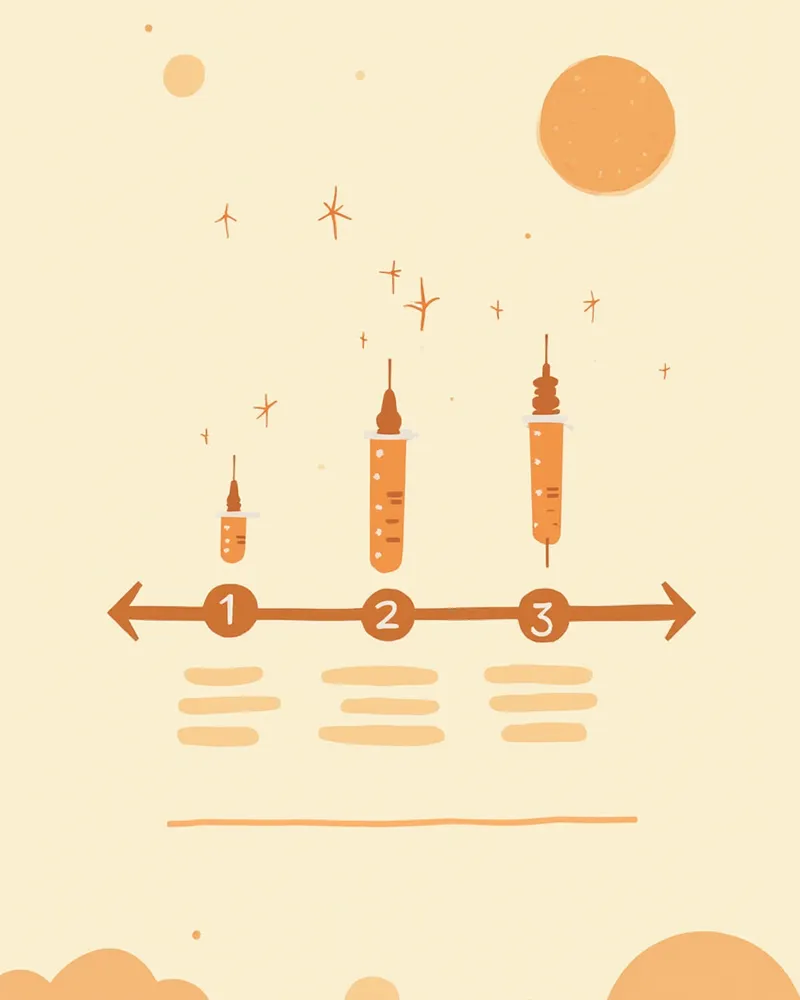
Melarsomine is the only approved adulticide for heartworm disease. It is an arsenic compound administered via intramuscular injection into the lumbar muscles. According to veterinary pharmacology textbooks, there are two administration protocols:
Standard Protocol: Administer 2.5 mg/kg once daily for two consecutive days (24 hours apart). To minimize muscle irritation, the first injection is given in the right lumbar muscle and the second in the left lumbar muscle.
Modified Protocol: This method involves an initial injection followed by a waiting period, after which two additional injections are given 24 hours apart. Your veterinarian will select the most appropriate protocol based on the severity of the infection and the individual health status of your dog.
Illustration of a heartworm treatment schedule

Treatment Step 3 — Strict Rest Is Most Important

When adult worms die, their fragmented remains can travel to the pulmonary blood vessels. Engaging in exercise during this time significantly increases the risk of pulmonary thromboembolism. Strict cage rest is essential throughout the treatment period. This means limiting not only walks but also running around inside the house. This period of rest is the most critical phase of the entire treatment process. Following this, macrocyclic lactone medications, such as ivermectin or milbemycin, are administered to eliminate microfilariae (larvae in the bloodstream). According to veterinary pharmacology textbooks, it is recommended to begin microfilaricide treatment three to four weeks after adult worm elimination.

Treatment Is Different for Cats

Unlike dogs, cats cannot be treated with adulticide medications containing melarsomine. According to veterinary pharmacology textbooks, administering melarsomine to cats can cause fatal reactions. Therefore, the key to managing heartworm disease in cats is symptomatic treatment and prevention.

Prevention Is Much Easier Than Treatment

Treating heartworm disease is expensive, risky, and time-consuming. In contrast, prevention is simple—just administer or apply a preventive medication once a month.
Annual infection testing: Even if your pet is on preventive medication, confirm their status with a yearly blood test.
Monthly preventive medication: Various options are available, including oral tablets, topical applications, and injections.
Year-round administration recommended: Since mosquitoes can be active indoors even in winter, administer preventives regardless of the season.
If you’d like to compare different types of heartworm preventives, check out our Guide to Heartworm Medications and Administration.
Illustration of a healthy puppy behind a protective shield

Reviewed by a veterinarian

Dr. Tony — Punnawat Phongkittirak

Dr. Tony — Punnawat Phongkittirak

Veterinarian

A veterinarian who majored in veterinary medicine at Khon Kaen University, Thailand, and completed the IVSA program at North Carolina State University in the United States. Drawing on clinical experience at animal hospitals, he works in the pet healthcare field and is dedicated to building a digital care environment that connects pet parents with veterinarians.

Frequently Asked Questions

How is a heartworm test performed?
A small blood sample is collected to perform an antigen test, which confirms whether adult worms are present. The time it takes to get results may vary depending on the testing method and type. This test should be done regularly every year.
Is it possible to fully recover after an infection?
With proper treatment, it is possible to eliminate the parasites. However, the heart and pulmonary blood vessels that have already been damaged may not fully recover. The longer the infection persists, the higher the likelihood of lasting complications, making early detection crucial.
My pet’s cough has gotten worse during treatment. Is this normal?
Coughing may occur as adult worms break down in the pulmonary blood vessels after being killed. However, if this is accompanied by difficulty breathing, loss of appetite, or pale gums, these are warning signs of a pulmonary embolism—contact your veterinarian immediately.
Can humans get infected with heartworms?
Humans can also become infected, but because we are not suitable hosts, the parasites do not mature into adult worms. In most cases, this results only in small nodules forming in the lungs, and it is very rare for the infection to progress to a serious disease.
Do I still need to have my pet tested even though they’re already on preventive medication?
Yes, even preventive medications aren’t 100% effective. A dose may have been missed, or vomiting might have prevented proper absorption. For the safest approach, we recommend annual testing to confirm your pet’s status.

Share

Related Guides

References

[1] Handbook of Veterinary Pharmacology — Drugs for Heartworm Prevention and Therapy

[2] Canine and Feline Respiratory Medicine, 3rd Edition — Heartworm Disease Treatment

[3] Notes on Canine Internal Medicine, 4th Ed — Heartworm Disease

[4] The Cat, Clinical Medicine and Management, 2nd Ed — Feline Heartworm

This information is based on veterinary literature and does not replace diagnosis or treatment. Please consult a veterinarian for specific health concerns.

Metapet Co., Ltd. | CEO: Park Sung-yong | Business Reg. No. 417-88-02562 | Seoul, South Korea | Customer Center

Heartworm Disease in Dogs: Symptoms, Stages & Treatment | Meongsiljang