Like
Share
멍실장
개물림 상처 대처법 - 응급 처치부터 병원 치료까지

How to Handle Dog Bite Wounds: From First Aid to Veterinary Treatment

ImmunitySymptomsMeongsiljang Veterinary Advisory Board

Dog bites may look like small puncture wounds on the surface, but they often cause deep tissue damage underneath. We’ve outlined the step-by-step process from initial first aid to veterinary treatment and infection prevention.

What Are Dog Bite Wounds? Why They Are an Emergency
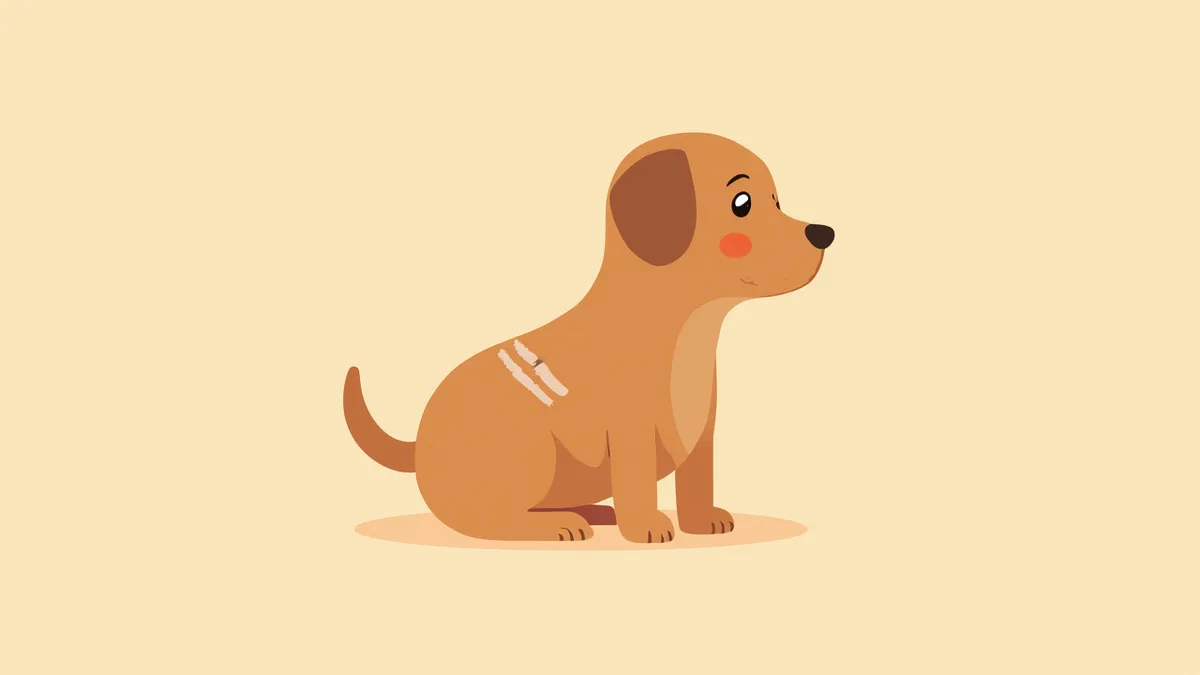
Examining a dog bite wound
Dog bite wounds are emergency injuries that can cause deep tissue damage to the skin, muscles, and beyond. The most important thing to remember is not to be fooled by appearances. Even if the surface shows only a few small puncture holes, the teeth may have penetrated deeply, causing extensive tearing of the underlying tissues (often referred to as the "tip of the iceberg" phenomenon). In particular, when dogs of significantly different sizes fight, such as a large dog and a small dog, internal injuries like rib fractures, chest wall damage, or lung damage can occur even if the external wounds appear minor. Therefore, even if your dog seems fine immediately after being bitten, do not simply monitor the situation at home. It is safest to have your dog examined by a veterinarian as soon as possible, ideally within a few hours.

Severity Levels of Dog Bite Wounds

Veterinary clinical literature assesses the severity of dog bite wounds by considering multiple factors, including the extent of superficial skin damage, the degree of internal tissue and organ injury, and the amount of bleeding. The following classification is for general reference only; because the true extent of damage cannot be determined by appearance alone, a direct veterinary examination is always necessary. Use the table below to get an initial sense of where your pet’s wound might fall.

Characteristics and Management by Wound Severity

ItemGrade 1 (Mild)Grade 2 (Moderate)Grade 3 (Severe)Grade 4 (Emergency)
Skin conditionSuperficial scratchSkin punctureSkin + muscle damageMuscle + organ damage
BleedingAlmost noneMinor bleedingModerate bleedingMassive bleeding
ResponseClean at home and observeHospital visit recommendedGo to hospital immediatelyGo immediately to a 24-hour emergency animal hospital
Visit urgencyVisit same day if possibleVisit within a few hoursVisit without delayImmediate emergency care

Grade classifications are for general reference only. With dog bites, it is hard to judge the extent of damage by appearance alone, so an actual grade determination requires examination by a veterinarian.

Step-by-Step Home First Aid Immediately After a Dog Bite
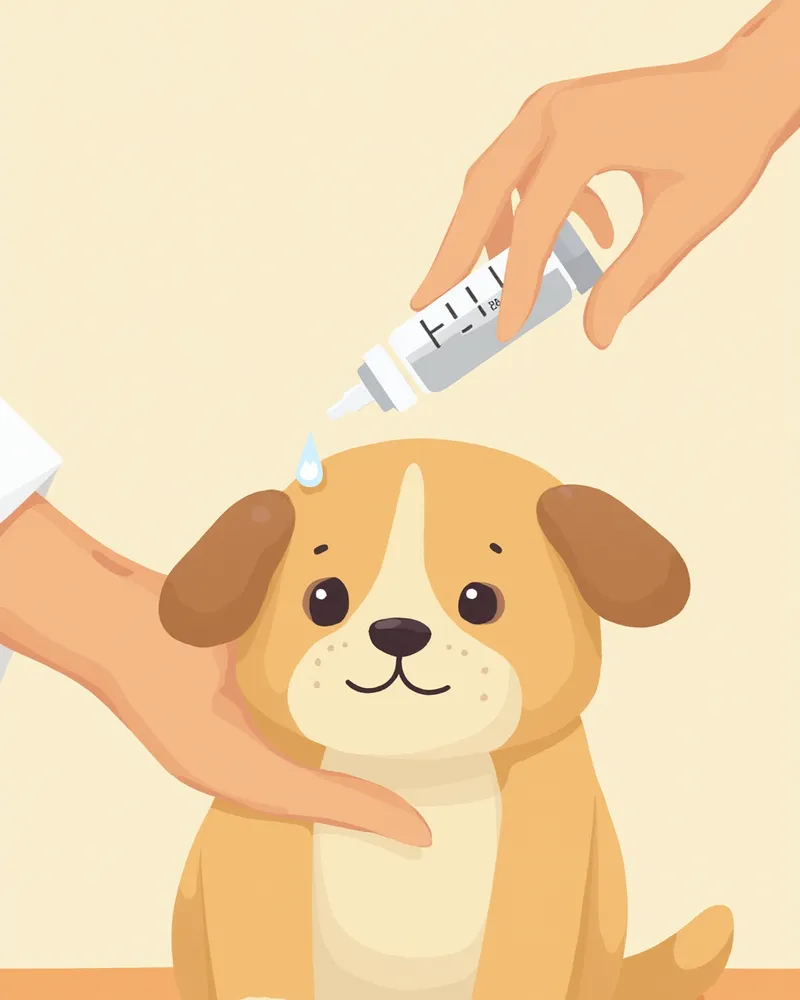
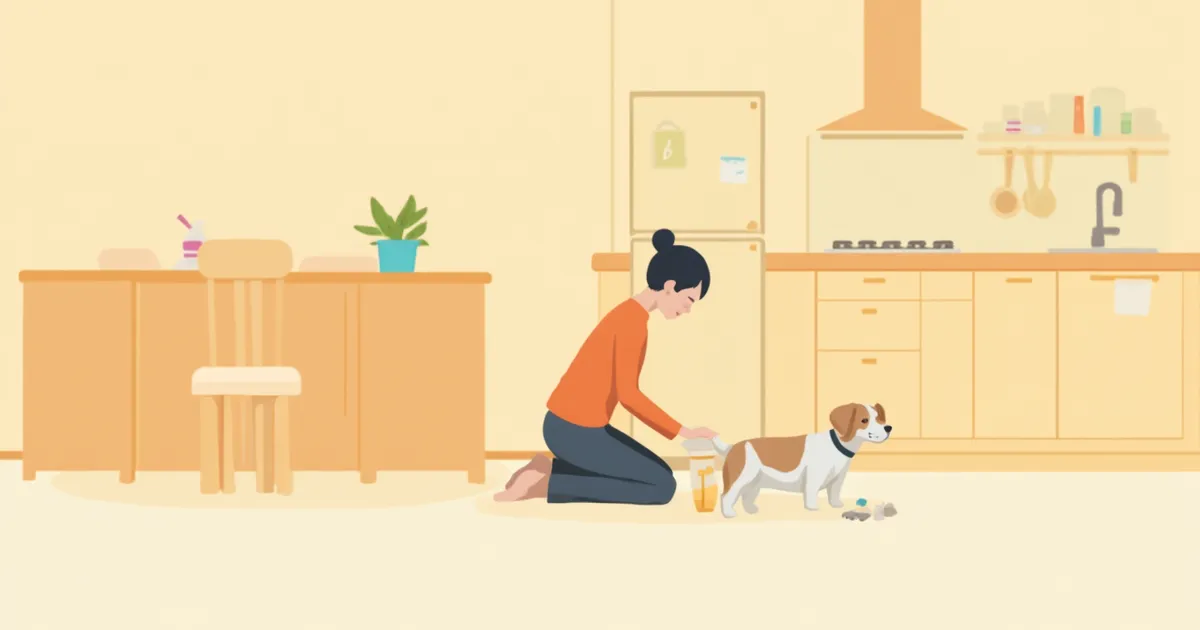
Step 1: Ensure Safety – Immediately separate the aggressive dog and move your pet to a quiet, calm space. Step 2: Control Bleeding – Apply firm pressure to the wound with a clean towel for 5–10 minutes to stop the bleeding. Never use a tourniquet. Step 3: Clean the Wound – Gently rinse the area thoroughly with a generous amount of sterile saline or lukewarm tap water. Avoid using antiseptics like alcohol or hydrogen peroxide, as they can be irritating and are not recommended for emergency cleaning before reaching the clinic. Step 4: Keep Warm – Wrap your pet in a blanket to maintain body temperature, then head to the veterinary clinic immediately.
Cleaning a dog bite wound with saline solution.

Signs You Need to Go to the Emergency Room Right Now

If any of the following apply, do not wait to monitor at home—seek immediate care at a 24-hour veterinary hospital. • Bleeding that does not stop after 5 minutes • Labored breathing or pale gums • Lethargy, disorientation, or collapse • Bites to the abdomen or chest (risk of internal organ damage) • Bites to the neck (risk of airway or jugular vein damage) • Inability to bear weight on a limb or abnormal joint angulation (suspected fracture)

Treatment Process at the Veterinary Clinic
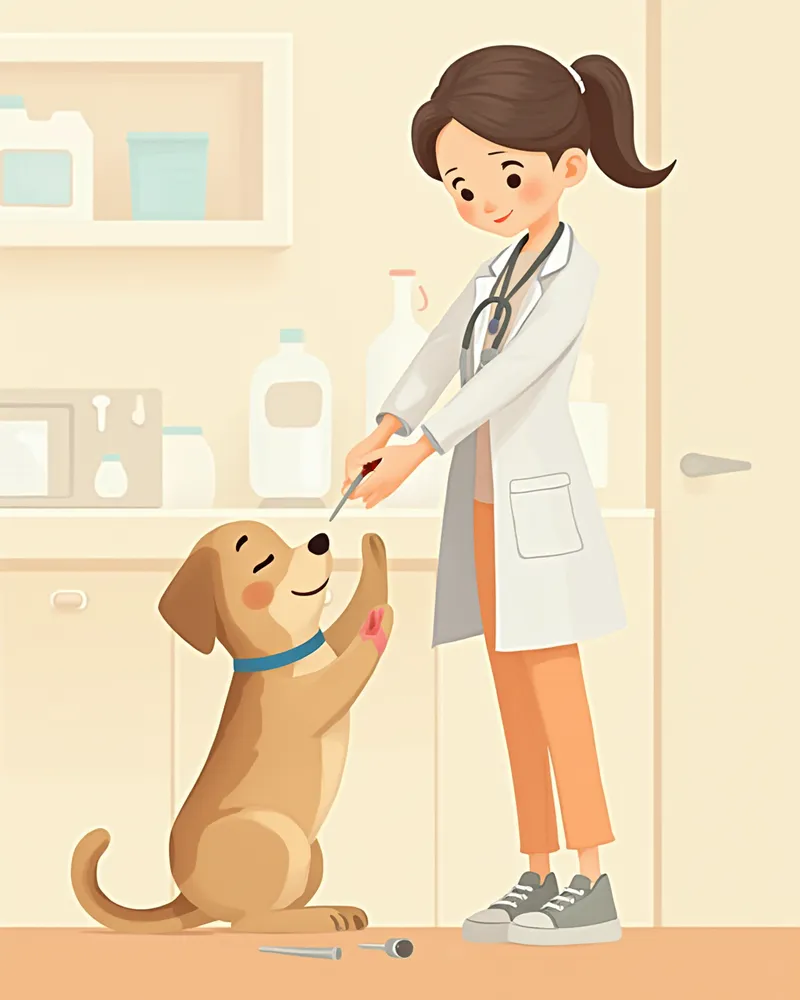
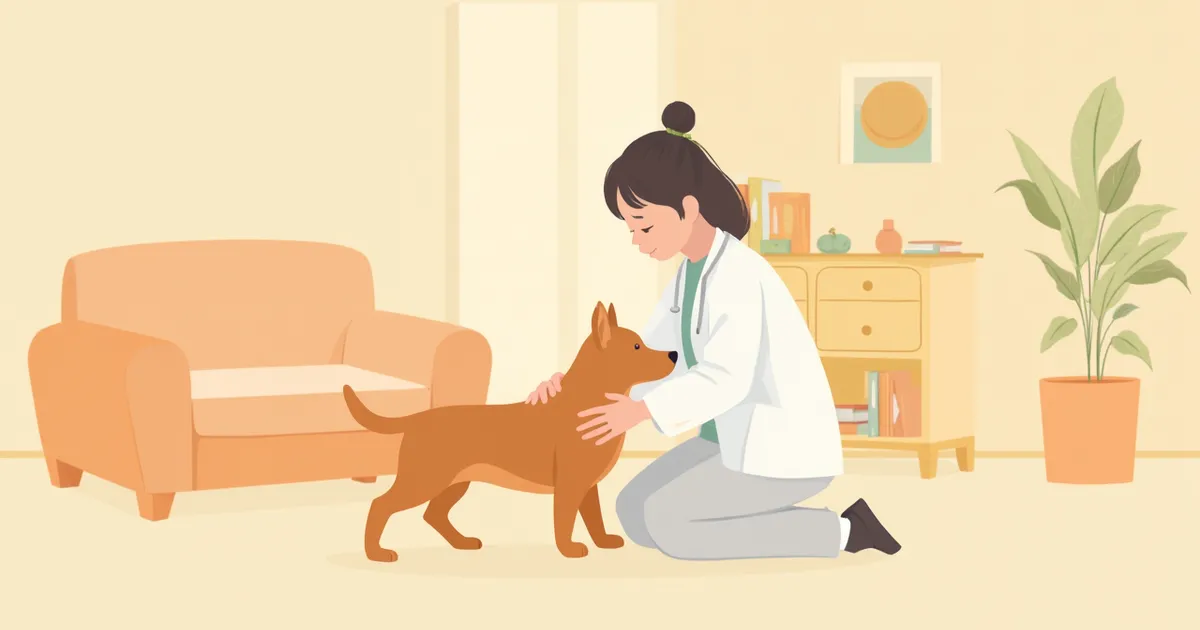
At the clinic, we first assess the dog’s overall condition. If shock or internal bleeding is present, we begin with fluid therapy and oxygen support.
Wound exploration: Even small puncture wounds often extend widely beneath the skin, so we use a probe to determine the true extent of the damage.
Cleaning and debridement: We remove contaminated and necrotic tissue, then thoroughly flush the wound down to the deepest layers with copious amounts of sterile saline.
Decision on suturing: Because dog bites carry a high risk of bacterial contamination, we often leave the wound open for drainage and apply dressments rather than closing it immediately. Your veterinarian will prescribe antibiotics and pain medication tailored to your dog’s weight and the depth of the injury.
A puppy receiving treatment for a dog bite wound at a veterinary clinic.

Rabies and Tetanus Vaccination Checks Are Essential

The biggest risk with dog bite wounds is infection. Please be sure to check the following two points. Rabies vaccination: You need to verify the vaccination records for both your pet and the other dog. If the other dog is unvaccinated or its vaccination status is unknown, your pet may require additional vaccination. Bacterial infection precautions: Dog bite wounds are contaminated injuries where bacteria from the victim’s skin and the attacker’s mouth are introduced simultaneously. They can lead to serious secondary infections such as cellulitis or abscesses. The deeper the wound, the higher the likelihood of bacteria penetrating deep into the tissue, making early antibiotic treatment crucial. Obtaining information about the attacking dog: If possible, obtain the other owner’s contact information and a copy of their vaccination certificate. This is essential for any potential legal disputes or claims for medical expenses.

Must-Do Care Instructions at Home
Dressing changes: Change the dressing exactly at the intervals specified by your veterinarian (typically every 12–24 hours).
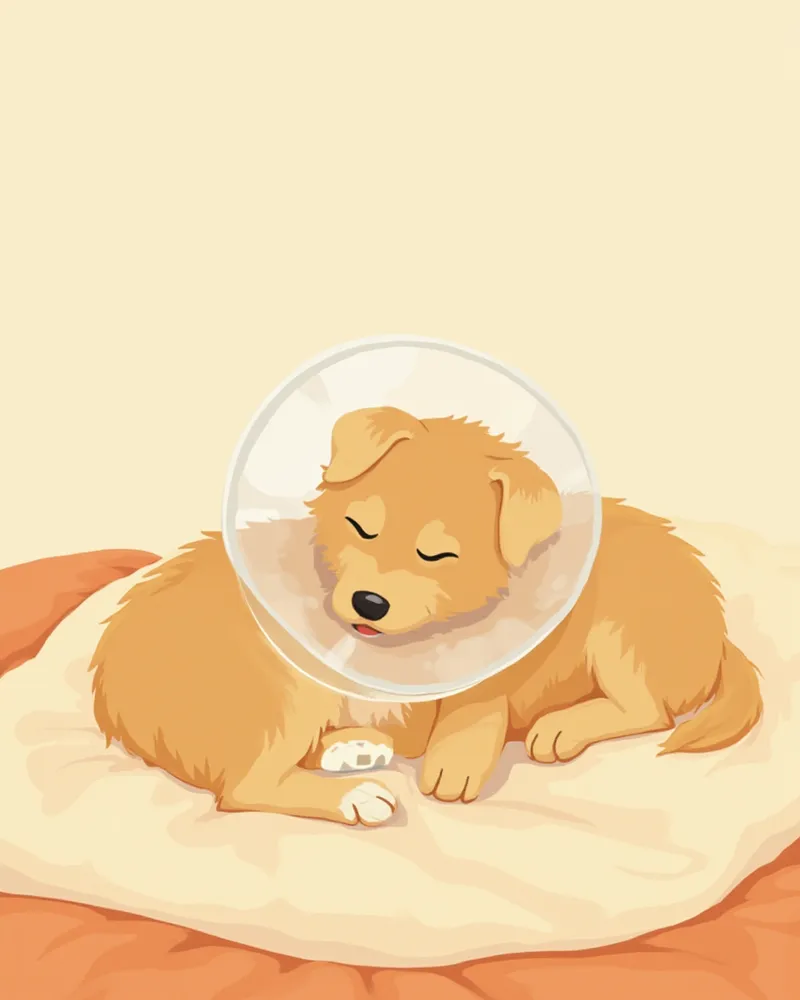
Wear an Elizabethan collar: Licking can introduce oral bacteria into the wound, leading to secondary infection. The collar must be worn 24 hours a day until full recovery.
Limit walks: Avoid contact with dirt, grass, and puddles until the wound has fully healed.
Complete the full course of antibiotics: Even if symptoms improve, finish the entire prescribed course to prevent antibiotic resistance.
Follow-up visits: If pain, fever, pus, or swelling worsens, return to the clinic immediately, even if it’s before your scheduled follow-up.
A puppy recovering while wearing a neck collar

Don't Forget to Address Psychological Trauma

Even after physical wounds from a dog bite have healed, your dog may still experience psychological aftereffects. Following an attack, various behavioral changes can occur, such as fear of other dogs, heightened sensitivity to sounds, and separation anxiety. The severity and duration of these symptoms vary from dog to dog.
Signs of recovery: Tail wagging, return of appetite, no longer avoiding other dogs during walks
Warning signs: Refusing to eat, hiding, sudden aggression, crying at night
If these behaviors persist for more than two weeks, consider consulting a veterinarian or a certified animal behavior specialist.

Reviewed by a veterinarian

Dr. Tony — Punnawat Phongkittirak

Dr. Tony — Punnawat Phongkittirak

Veterinarian

A veterinarian who majored in veterinary medicine at Khon Kaen University, Thailand, and completed the IVSA program at North Carolina State University in the United States. Drawing on clinical experience at animal hospitals, he works in the pet healthcare field and is dedicated to building a digital care environment that connects pet parents with veterinarians.

Frequently Asked Questions

Even if there’s only a small hole, do I really need to go to the vet?
Yes, it’s safer to go. Dog teeth are conical, so even if the surface puncture is small, it can cause extensive damage to the underlying tissues. Veterinary literature describes this as the "tip of the iceberg" phenomenon, emphasizing that the actual extent of damage beneath the skin can be much greater than the visible wound.
Can I suture the wound at home?
No, that’s not advisable. Dog bite wounds are often heavily contaminated with bacteria, so suturing them immediately can actually lead to abscess formation inside the wound. It’s essential to have a veterinarian evaluate the injury first.
Can I apply hydrogen peroxide or disinfectant?
Disinfectants such as hydrogen peroxide, alcohol, and povidone-iodine can be irritating, so they should be used with caution. For first aid before visiting the clinic, it is recommended to thoroughly rinse the area with sterile saline or clean tap water.
Can I claim veterinary treatment costs from the owner of the dog that caused the injury?
Yes, it’s possible. Keep your veterinary medical records, treatment receipts, and photos of the incident, and obtain the contact information and vaccination records of the other dog’s owner. If you can’t reach a settlement, you may pursue a civil lawsuit.
Should my pet receive additional vaccinations even after full recovery?
If the rabies vaccination status of the dog that bit your pet is unclear, or if your pet was bitten by an unknown dog outdoors, your veterinarian may recommend additional vaccinations.

Share

Related Guides

References

[1] Fossum, T.W., Small Animal Surgery Textbook, Ch. Management of Bite Wounds, 2018

[2] Ettinger, S.J. et al., Textbook of Veterinary Internal Medicine, 8th ed., Ch. Bite Wounds and Sepsis

[3] Holt, D.E. and Griffin, G., Bite wounds in dogs and cats, Vet Clin North Am Small Anim Pract, 2000

This information is based on veterinary literature and does not replace diagnosis or treatment. Please consult a veterinarian for specific health concerns.

Metapet Co., Ltd. | CEO: Park Sung-yong | Business Reg. No. 417-88-02562 | Seoul, South Korea | Customer Center

Dog Bite Wounds: First Aid to Veterinary Treatment | Meongsiljang