Like
Share
멍실장
강아지 골절 응급 대처와 회복

Emergency Response and Recovery for Dog Fractures

JointSymptomsMeongsiljang Veterinary Advisory Board

Learn to quickly recognize the symptoms of fractures in dogs, and get a detailed understanding of everything from on-site first aid to hospital treatment and the recovery process.

How to Recognize a Dog Fracture

A puppy limping with one front leg held up, and its worried owner.
A dog fracture is an orthopedic emergency caused by external impact or a fall, resulting in a crack or break in the bone. Fractures refer to either complete breaks or cracks in the bone. Since dogs instinctively tend to hide pain, it’s crucial for owners to notice symptoms quickly. If you suspect a fracture, never force your dog to move and seek veterinary care as soon as possible. Early response significantly impacts the speed and outcome of recovery.

Severity by Fracture Type

The treatment approach and recovery time for a dog’s fracture depend on the specific type of break.
TypeDescriptionSeverity
Incomplete fractureA crack in the bone without a complete breakLow
Simple fractureThe bone is cleanly broken into two piecesModerate
Comminuted fractureThe bone is shattered into multiple fragmentsHigh
Open fractureThe broken bone protrudes through the skinVery high

Suspect a Fracture If You See These Symptoms
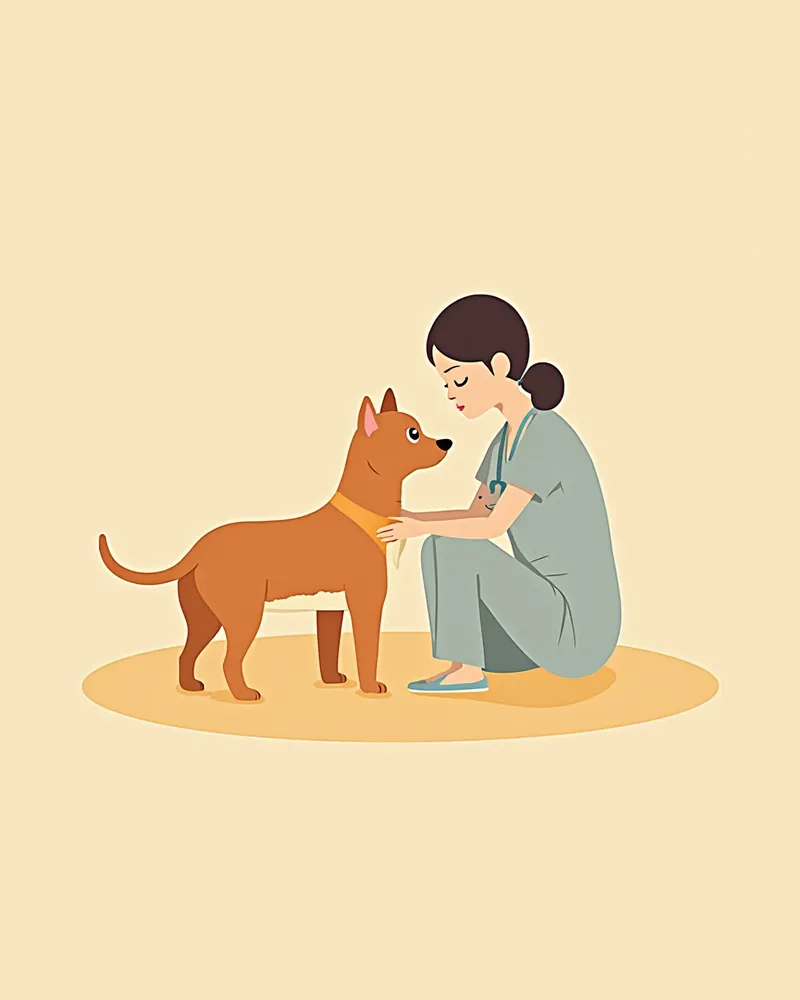
If you notice any of the following signs, there may be a fracture.
Limping: The pet suddenly holds up one leg or walks with a limp.
Swelling and inflammation: The injured area becomes visibly swollen and feels warm to the touch.
Severe pain response: The pet whines or tries to bite when a specific area is touched.
Abnormal limb shape: The leg is bent at an unnatural angle or appears elongated.
Reluctance to move: Unlike usual behavior, the pet avoids moving and stays curled up in one spot.
Decreased appetite: Due to severe pain, the pet eats less than usual.
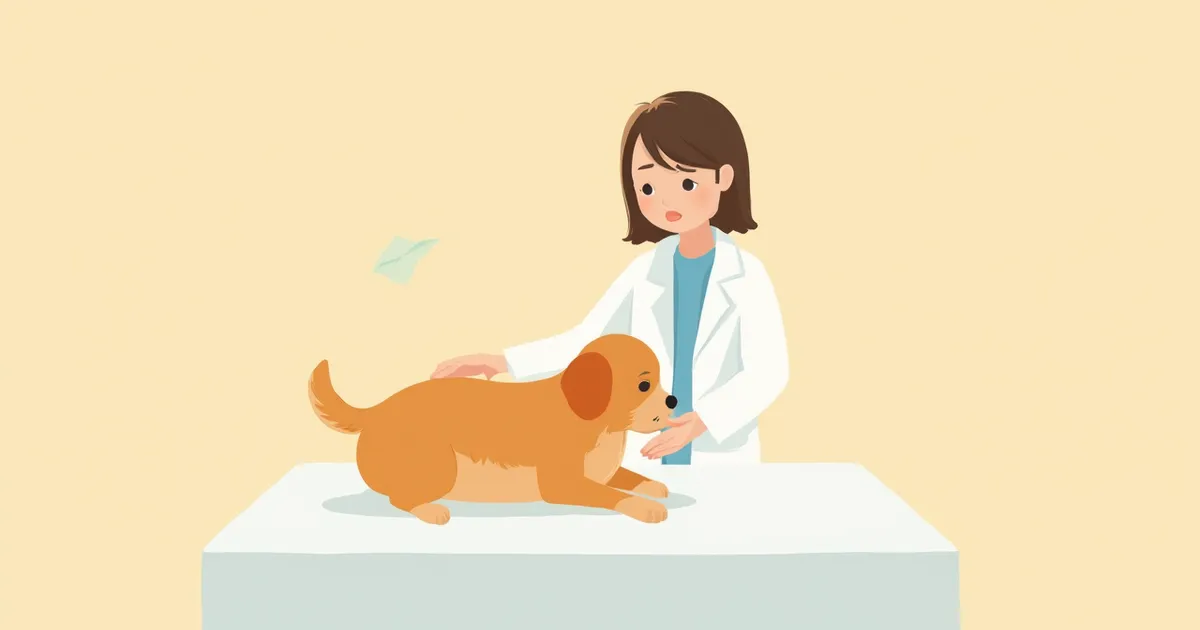
A veterinarian carefully examining a puppy's swollen front leg.

Situations Requiring Immediate Emergency Veterinary Care

If a broken bone is protruding through the skin, bleeding from the injured area won’t stop, your dog becomes lethargic or disoriented, or their gums turn pale, this is a life-threatening emergency. A distended, bloated abdomen after a car accident may also signal internal organ damage. In these situations, seek immediate care at a 24-hour emergency veterinary clinic.

Main Causes of Dog Fractures

Most dog fractures result from external trauma.
Falls: The most common cause is a leg snapping when jumping off furniture like sofas or beds, or down stairs. Small-breed dogs are especially vulnerable because their slender bones can fracture even from relatively low falls.
Traffic accidents: Being hit by a car during a walk can lead to multiple fractures or pelvic fractures.
Collisions with other animals: Injuries can occur if a dog is stepped on by a larger dog or hurt during rough play.
Pathologic fractures: This occurs when bones are weakened by conditions such as bone tumors or nutritional imbalances like rickets or osteomalacia, causing them to break even with minor impact.

On-Site First Aid Measures

It’s helpful to know what you can do on the spot if you suspect your dog has a fracture. First, keep your dog calm and limit movement as much as possible, since excitement can worsen the injury. Never try to manipulate the injured leg or force it back into place. If there’s bleeding from an open fracture, apply gentle pressure with a clean cloth to control the bleeding. For safe transport to the vet, wrap your dog in a towel or blanket to maintain body temperature and place them on a flat board.
A caregiver wrapping an injured puppy in a towel and placing it on a flat board

Treatment Process at the Veterinary Clinic
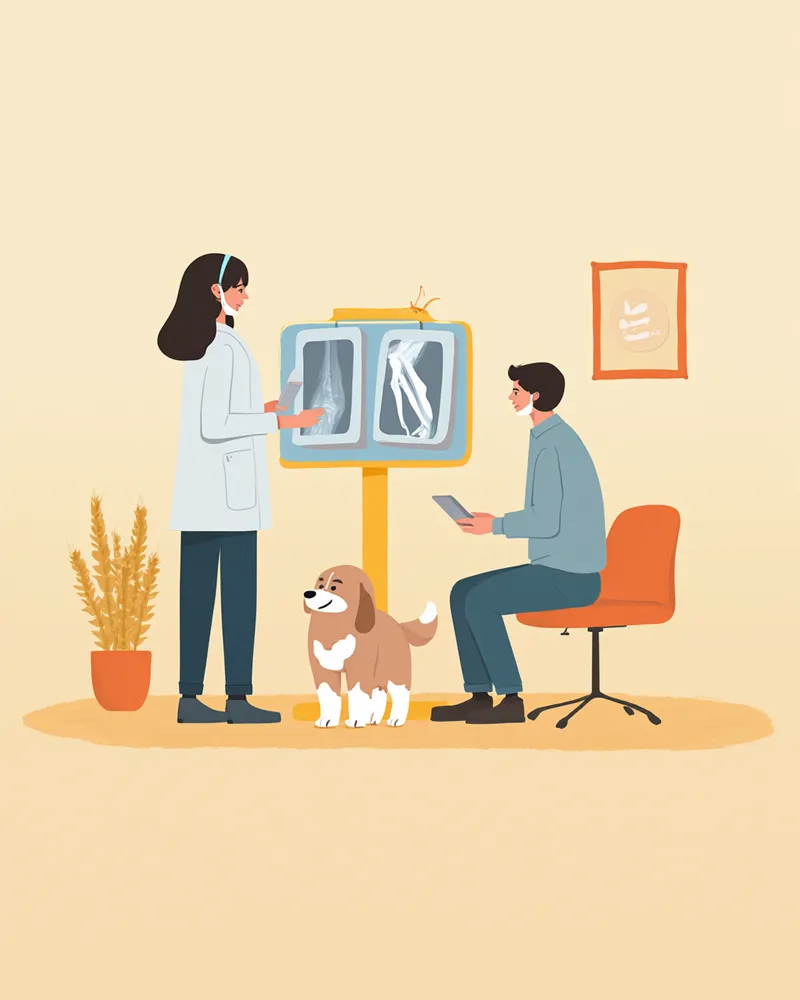
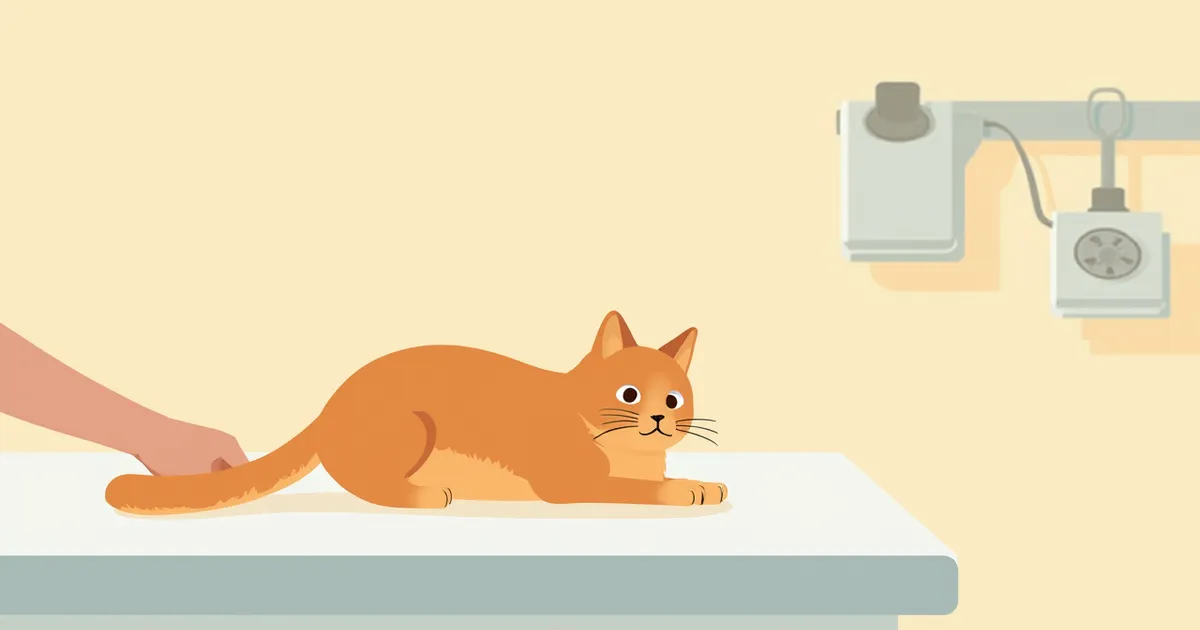
Upon arrival at the clinic, the veterinarian will take X-rays to precisely determine the location and type of fracture. Radiography is the most definitive method for confirming a fracture. Some simple fractures with relatively stable bones can be treated with external fixation, such as a cast or splint. However, only a limited number of fractures can be managed conservatively; comminuted fractures, unstable fractures, and fractures involving joints often require surgery. During surgery, metal pins, plates, and screws are used to securely fix the bone fragments in their original positions. In particular, plate and screw fixation is known to provide robust stability for unstable comminuted fractures and allow for earlier joint movement, aiding in faster functional recovery. Rest and proper care are crucial for healing, and you should follow your veterinarian’s instructions regarding the extent of activity restriction and when to begin rehabilitation, based on the specific condition of the fracture.
A veterinarian showing a dog owner an X-ray image of the dog’s leg.

Precautions to Strictly Follow During Recovery

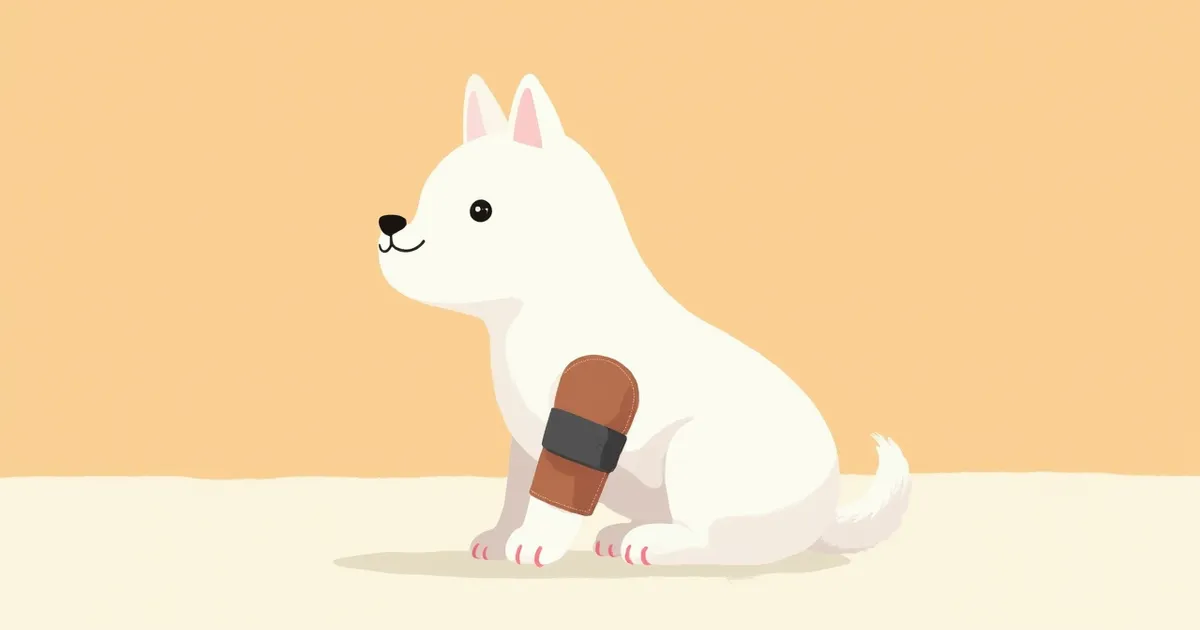
After treatment, it is crucial to strictly prevent high-impact activities such as running or jumping. Excessive movement before the bone has sufficiently healed can cause the stabilized fracture to displace again. However, if the bone is securely fixed with plates and screws, early joint mobilization may be encouraged to aid functional recovery. Therefore, the timing and extent of weight-bearing and rehabilitation exercises must be determined strictly according to your veterinarian’s instructions. It is safest to avoid independently increasing your pet’s activity level. Ensure your pet wears an Elizabethan collar to prevent chewing on the cast or bandage. If the area inside the cast becomes wet or develops an odor, it may indicate a skin infection, requiring immediate veterinary attention.

Fracture Recovery Time and Prevention of Recurrence

The recovery time for a dog’s fracture varies significantly depending on the type of fracture, the dog’s age, overall health, and the method of immobilization used. It’s difficult to give a specific timeline of days or weeks, as your veterinarian will need to monitor bone healing through regular X-rays. Even with the same type of fracture, healing speed can differ based on the immobilization method, complexity of the fracture, any accompanying soft tissue damage, and the dog’s age. To prevent recurrence, please install stairs or ramps to stop small dogs from jumping down from high places. Maintaining bone health with a balanced diet is also important. Consistently performing rehabilitation exercises recommended by your veterinarian, without overexertion, will help restore muscle and joint function while reducing the risk of re-fracture.
A dog climbing up a ramp installed next to the living room sofa.

Reviewed by a veterinarian

Dr. Tony — Punnawat Phongkittirak

Dr. Tony — Punnawat Phongkittirak

Veterinarian

A veterinarian who majored in veterinary medicine at Khon Kaen University, Thailand, and completed the IVSA program at North Carolina State University in the United States. Drawing on clinical experience at animal hospitals, he works in the pet healthcare field and is dedicated to building a digital care environment that connects pet parents with veterinarians.

Frequently Asked Questions

How much does it cost to treat a dog’s broken bone?
The cost can vary significantly depending on the location and type of fracture, as well as the treatment method. Simple cast treatment is relatively affordable, but if surgery is required, the cost may increase. For an accurate estimate, it’s best to consult directly with your veterinarian after the examination.
Can a dog’s fracture heal on its own?
If the bone has only a very fine hairline fracture, it may heal naturally with rest and restricted activity. However, most fractures require professional treatment to ensure proper healing and prevent deformity, so it is essential to have your pet diagnosed at a veterinary clinic.
How long does a pet need to wear a cast after a fracture?
The duration of cast immobilization varies depending on the type and location of the fracture, as well as your dog’s age, so there is no one-size-fits-all timeline. Your veterinarian will regularly monitor bone healing through X-rays to determine the appropriate time for cast removal. Removing the cast too early can cause the bone to shift out of alignment, so please follow your veterinarian’s guidance.
Are small-breed dogs more prone to fractures?
Yes, small-breed dogs have slender, delicate bones, so they’re at a higher risk of fractures even when falling from the same height as larger dogs. In particular, toy breeds can break a leg simply by jumping off a bed or sofa. Please provide a ramp or prevent them from accessing elevated surfaces.
How should I do rehabilitation exercises after fracture treatment?
Once your veterinarian determines that the bone has healed sufficiently, start with short, gentle walks. It’s important to gradually increase exercise to strengthen the muscles. In some cases, aquatic therapy or physical rehabilitation may be recommended, so consult your vet to create a personalized recovery plan for your pet.

Share

Related Guides

References

[1] Textbook of Veterinary Orthopaedic Surgery, Springer

[2] Handbook on Field Veterinary Surgery, Ch21: Management of Fractures - First Aid

This information is based on veterinary literature and does not replace diagnosis or treatment. Please consult a veterinarian for specific health concerns.

Metapet Co., Ltd. | CEO: Park Sung-yong | Business Reg. No. 417-88-02562 | Seoul, South Korea | Customer Center

Dog Fracture Symptoms and Emergency Care: A Complete Recovery Guide | Meongsiljang