Like
Share
멍실장
강아지 균형감각상실 원인과 단계별 대처법, 병원 가야 할 신호 총정리

Dog Balance Loss: Causes, Step-by-Step Management, and Signs Requiring Veterinary Care

Brain & CognitionSymptomsMeongsiljang Veterinary Advisory Board

If your dog suddenly starts stumbling or tilting its head, it could indicate an issue with the inner ear’s vestibular system or a neurological problem in the brain. We’ve outlined the symptom differences based on the underlying cause, along with warning signs that require immediate veterinary care.

What Is Loss of Balance in Dogs?
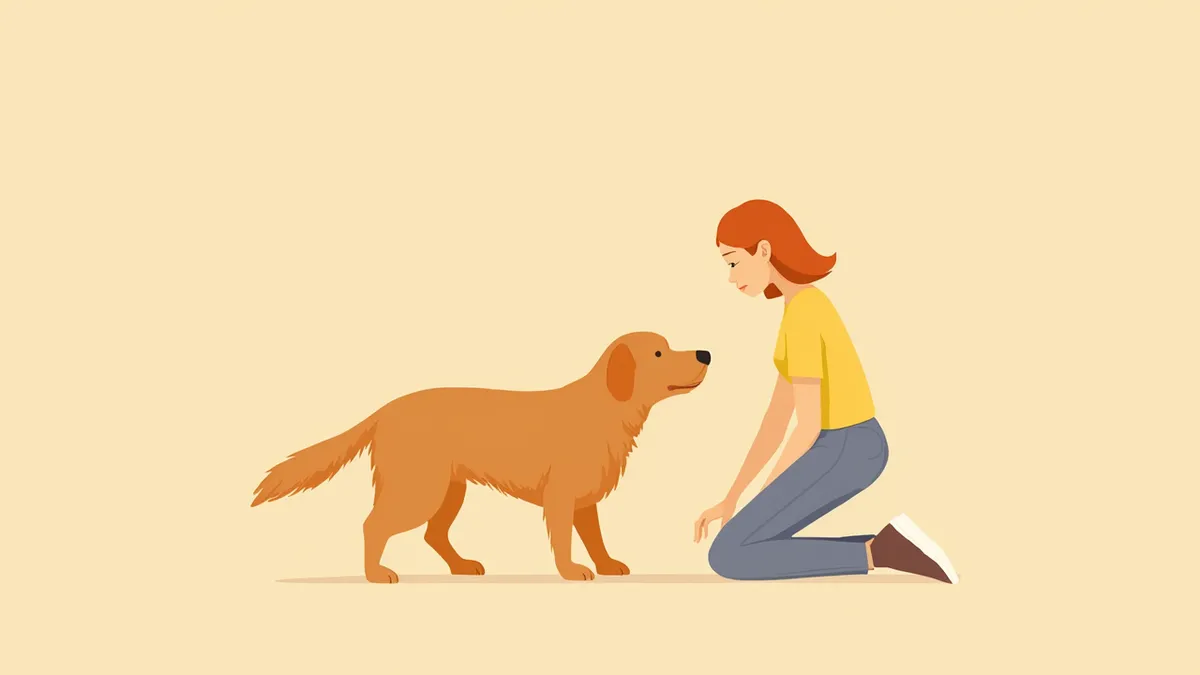
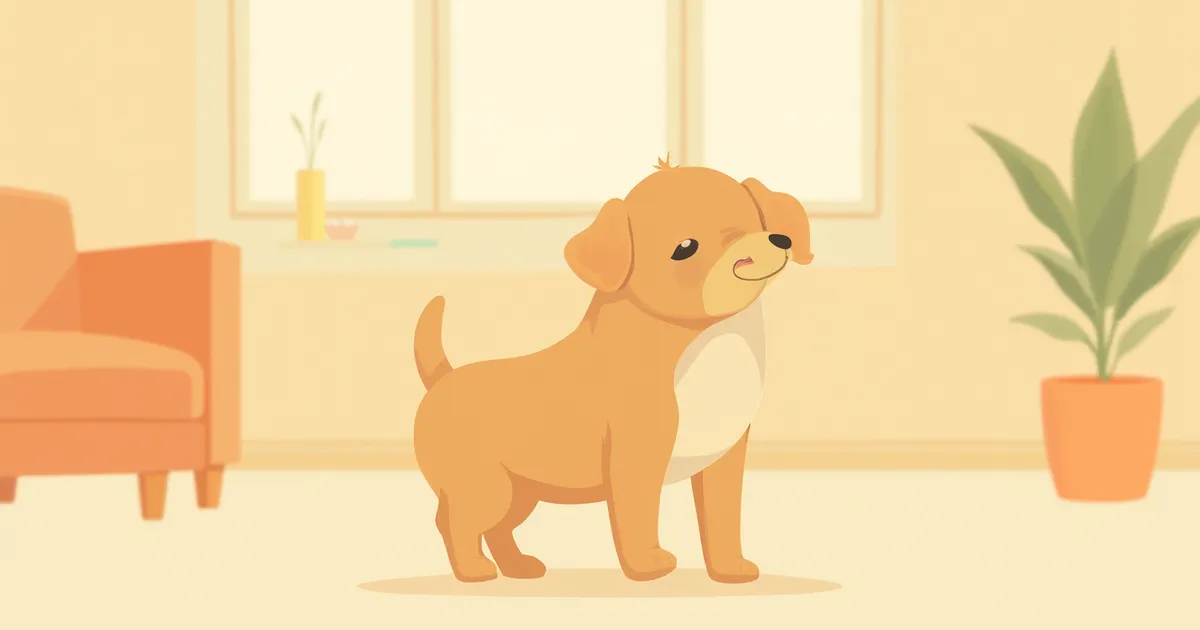
A puppy tilting its head and losing balance, with a concerned owner looking on.
Loss of balance in dogs is a symptom where the dog cannot maintain its body balance and stumbles or falls due to abnormalities in the inner ear (labyrinth) vestibular apparatus or problems with the brain and cerebellum nervous system. What's truly important is quickly determining whether the cause is an inner ear vestibular issue or a brain disease. If it occurs suddenly and is accompanied by nystagmus (rapid side-to-side eye movements), head tilting, and vomiting, you should visit the hospital within 24 hours.

Balance Loss Urgency Levels — How to Check at Home

ItemMain symptomsUrgencyAction guidelines
MildSlight staggering, head tilted to one sideHospital within 48 hoursMaintain a calm environment, provide food and water
ModerateUnable to walk and falling over, vomiting, nystagmusHospital the same dayCarry when moving, block off stairs and sofas
SevereSeizures, reduced consciousness, lasting more than 24 hoursEmergency hospital immediatelyNever leave alone

Inner ear (peripheral) vestibular disorders are not progressive and have a relatively good prognosis, so they generally follow a course of gradual improvement. In contrast, brain (central) disease can worsen more rapidly.

Checklist of Accompanying Symptoms

Head tilt: The head remains tilted to one side and does not return to a normal position.
Nystagmus: The eyes move rapidly from side to side or up and down.
Vomiting and decreased appetite: These symptoms are often accompanied by nausea.
Circling: The animal continuously walks in circles in one direction.
Falling and inability to stand: The animal may collapse when trying to stand or roll on the floor.
Seizures: If the entire body trembles or consciousness is lost, a brain disease should be strongly suspected.
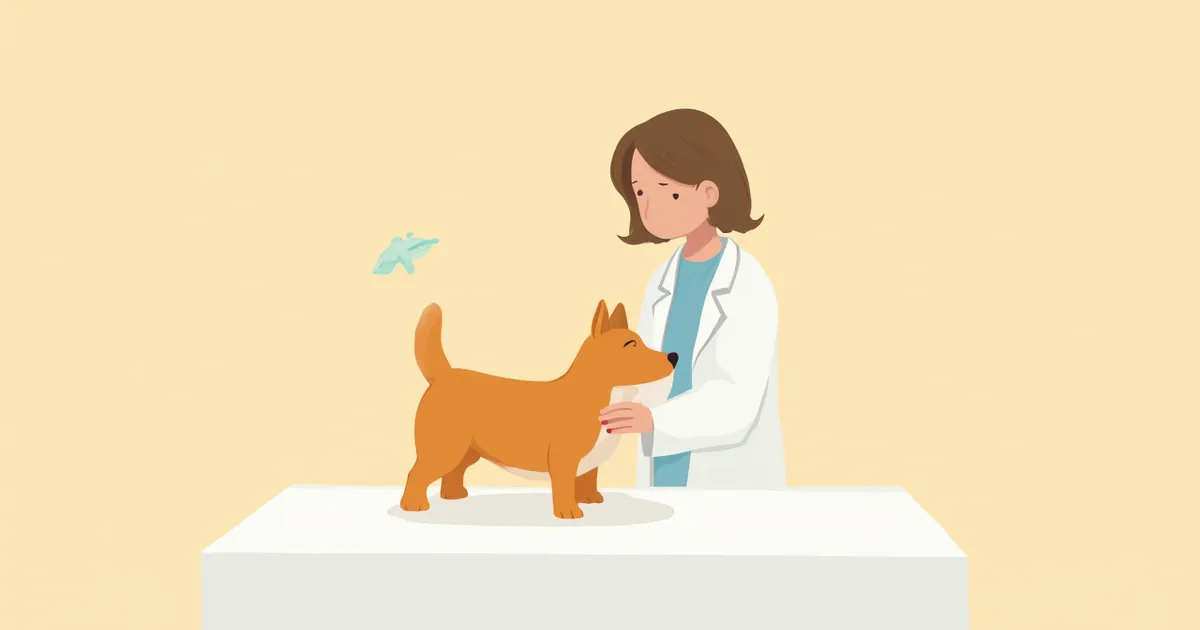
A puppy showing signs of ocular abnormalities and head tilting

Seek Emergency Veterinary Care Immediately for These Symptoms

If seizures last more than five minutes, if your pet is unconscious, or if they cannot stand for over 24 hours, seek emergency veterinary care immediately. A sudden change in the direction of nystagmus (involuntary eye movements) or worsening symptoms over time strongly suggests a neurological disorder. In such cases, waiting to see how things progress can cause you to miss the critical window for effective treatment.

Cause 1: Inner Ear Vestibular Dysfunction (Most Common Cause)
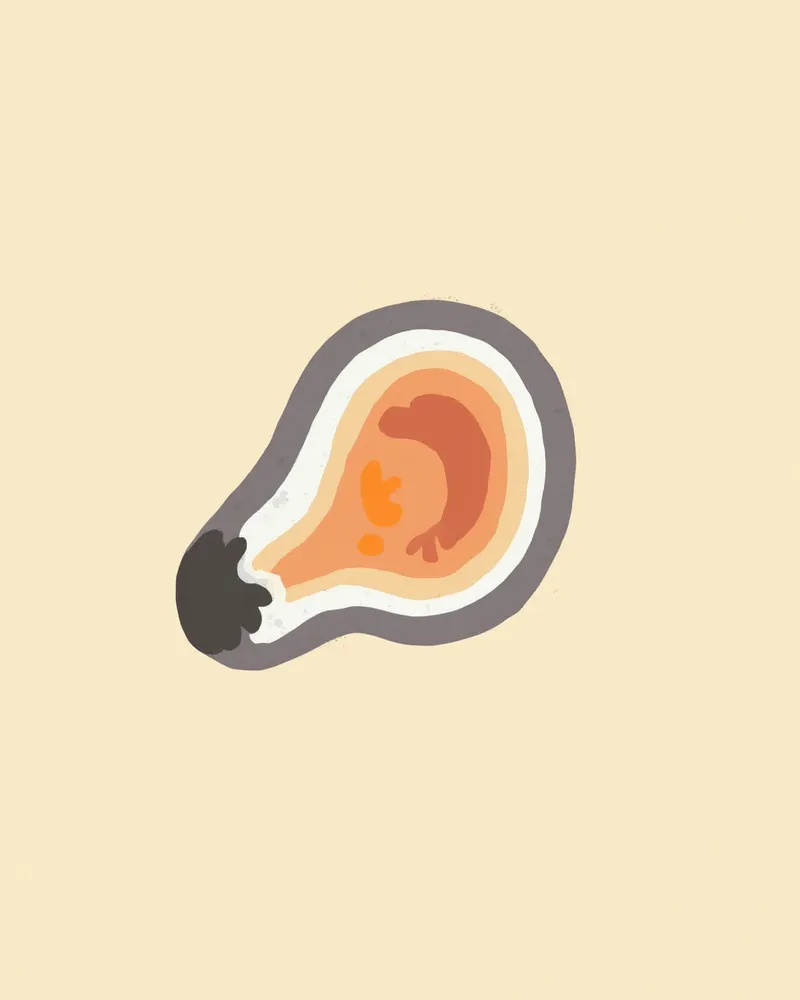
The most common cause of balance problems in dogs is dysfunction of the inner ear (peripheral) vestibular system. Idiopathic vestibular syndrome is a condition that appears suddenly in older dogs without a clear underlying cause. Although it can look dramatic, similar to a stroke, it is not progressive and generally has a good prognosis, with most dogs gradually recovering over time without specific treatment. However, this diagnosis is only made after all other potential causes have been ruled out. Otitis interna (middle or inner ear infection) can also directly damage the vestibular system and may be accompanied by odor or discharge from deep within the ear. Neurological abnormalities associated with hypothyroidism are also known to be a rare cause.
An illustration showing the structure of the inner ear vestibular system in dogs

Cause 2: Brain and Nervous System Problems
Problems in the brain or cerebellum can produce symptoms similar to vestibular disorders, but they tend to worsen more rapidly.
Brain tumors: In senior dogs, symptoms typically progress gradually over days to weeks.
Stroke (cerebrovascular accident): Onset is sudden and often accompanied by seizures and decreased consciousness.
Meningitis: Presents with fever, neck pain, and convulsions.
Toxicity: Lead, certain plants, and some medications can also affect the nervous system.
When the cause is brain-related, symptoms tend to be more varied and complex.
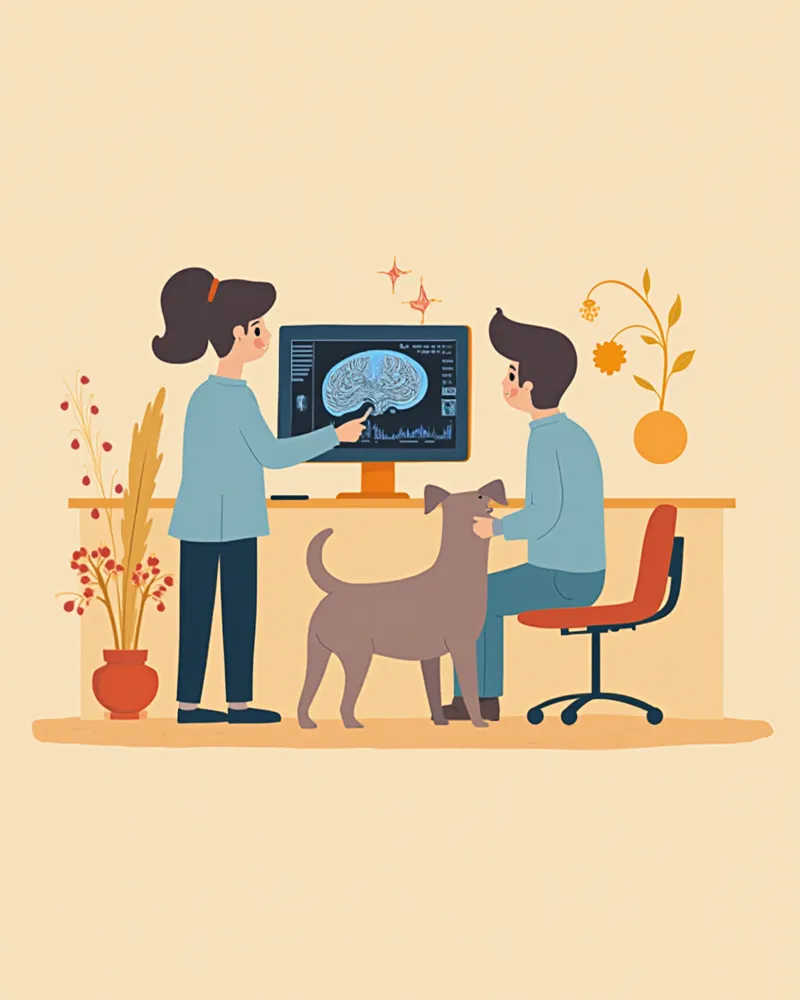
A veterinarian reviewing a puppy's brain MRI scan.

How Is It Diagnosed and Treated at the Veterinary Clinic?
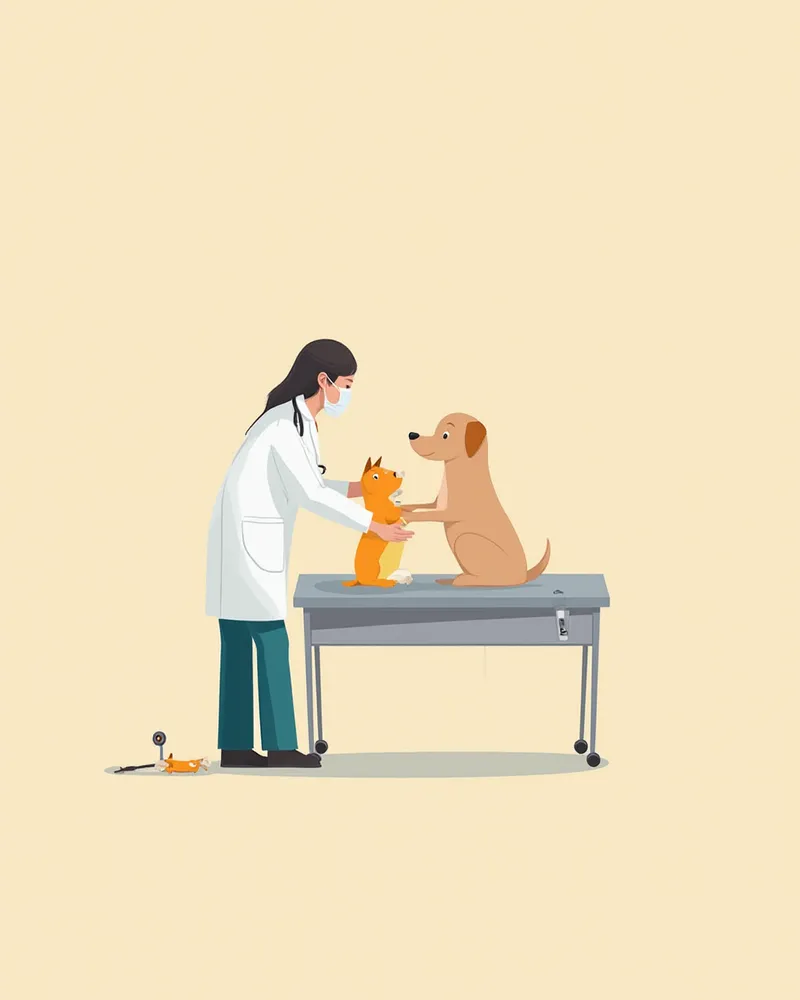
We start by performing a neurological exam to pinpoint the problem, followed by routine blood and ear tests. If a brain disorder is suspected, an MRI may be necessary. For inner ear vestibular issues, treatment primarily involves anti-nausea medication, fluids, and supportive care. In cases of inner ear infection, antibiotics or antifungal medications are prescribed depending on the cause. Treatment for brain disorders varies based on the underlying cause, potentially involving surgery, immunosuppressive therapy, or tumor-targeted medication. Your veterinarian will determine the appropriate dosage and schedule based on your pet’s weight and condition.
A veterinarian conducting a neurological examination on a dog at an animal hospital.

Essential Care Guidelines to Follow at Home

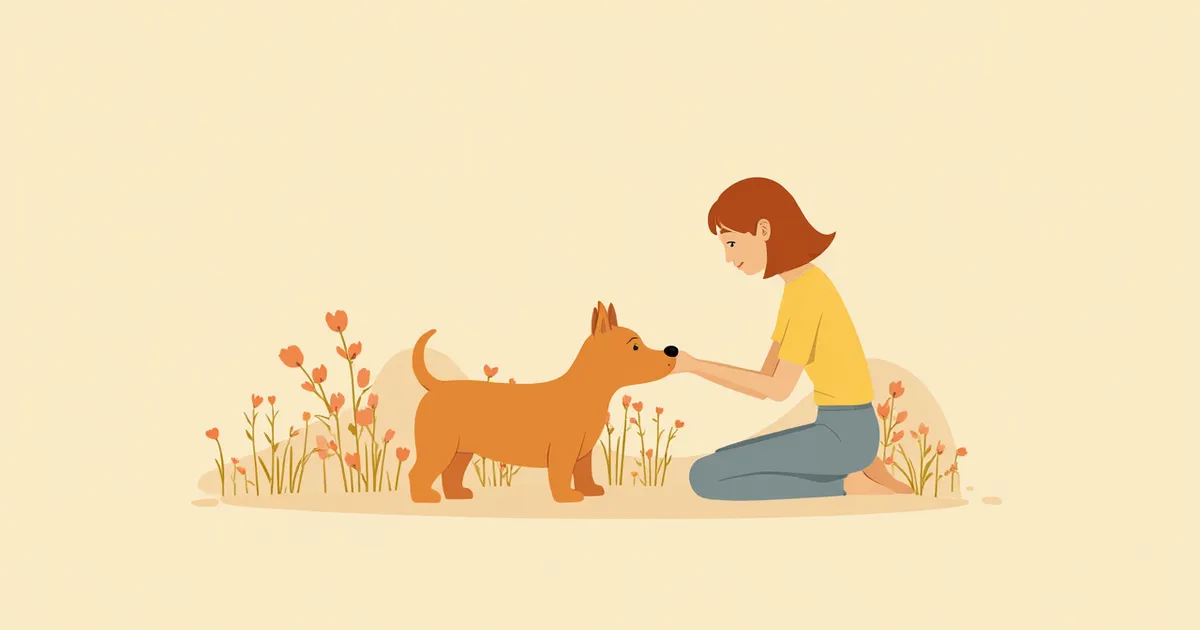
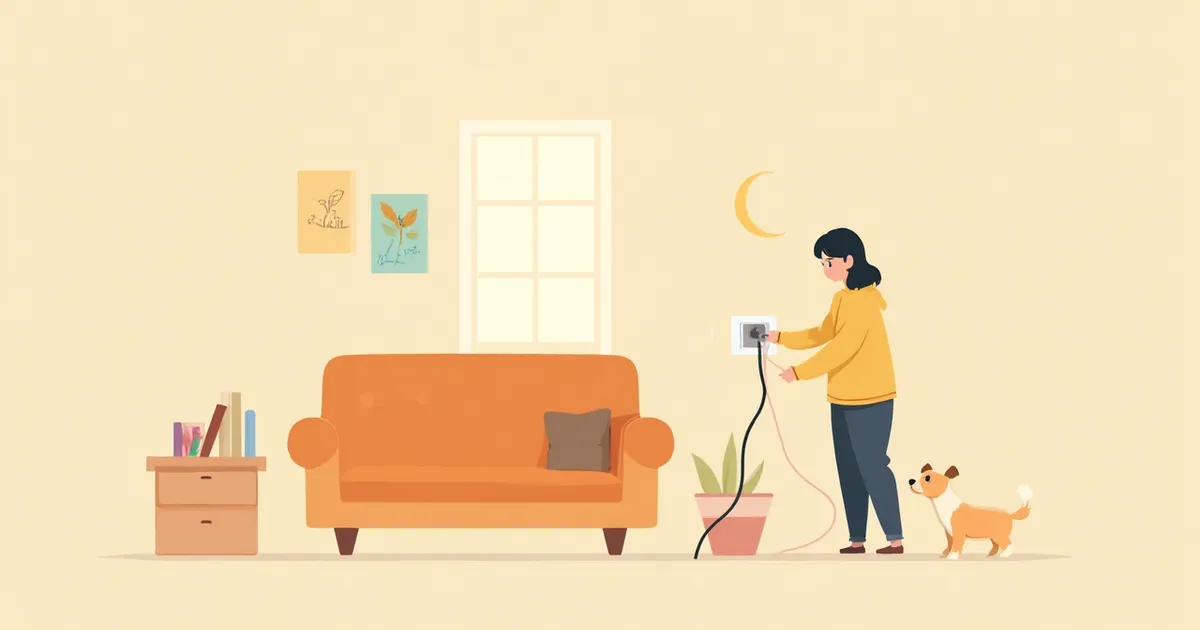
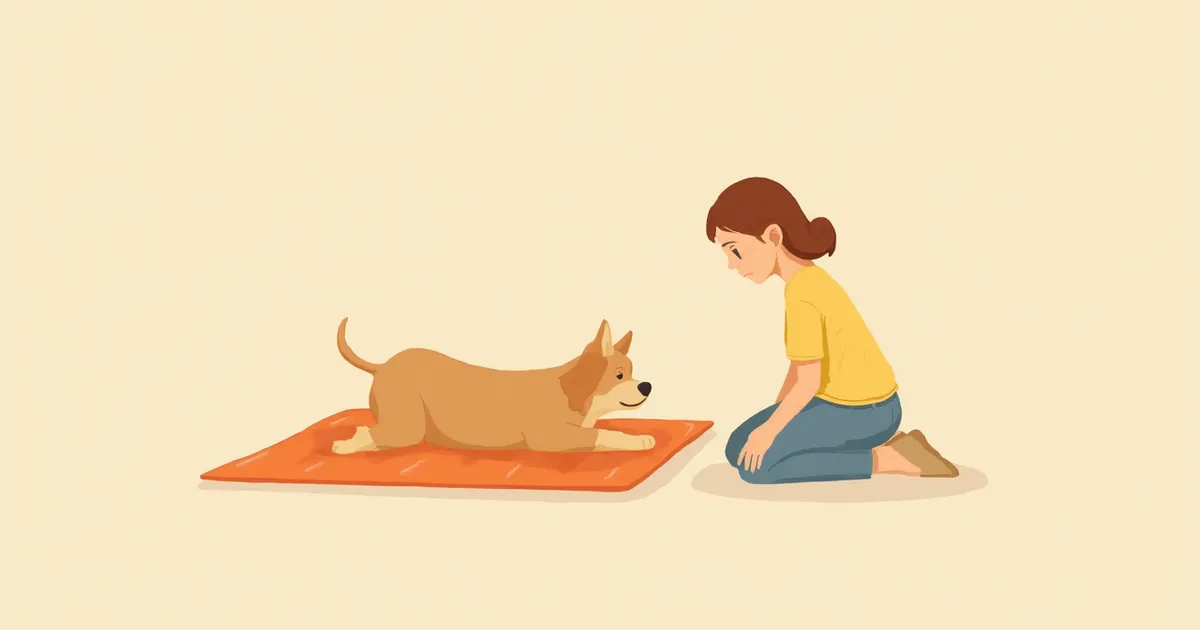
Block off high places like stairs, sofas, and balconies to prevent falls. Place non-slip mats to help with movement, and keep food and water bowls at a low level. Avoid forcing your pet to walk or trying to correct their lying position; instead, allow them to recover naturally. If symptoms worsen, contact your veterinarian immediately.

Post-Recovery Prevention and Recurrence Management

While most cases of idiopathic vestibular syndrome resolve on their own, some pets may retain a permanent head tilt. To reduce the risk of recurrence, regular health check-ups—every six months for dogs and cats aged seven and older—are recommended to proactively assess the inner ear and nervous system. Routine ear cleaning can also help prevent infections from spreading to the inner ear. If the underlying cause was a neurological condition, it is essential to strictly adhere to the follow-up examination schedule set by your veterinarian.
A dog that has regained its balance enjoying a walk in the park with its owner.

Reviewed by a veterinarian

Dr. Tony — Punnawat Phongkittirak

Dr. Tony — Punnawat Phongkittirak

Veterinarian

A veterinarian who majored in veterinary medicine at Khon Kaen University, Thailand, and completed the IVSA program at North Carolina State University in the United States. Drawing on clinical experience at animal hospitals, he works in the pet healthcare field and is dedicated to building a digital care environment that connects pet parents with veterinarians.

Frequently Asked Questions

If your dog suddenly collapses and their eyes move rapidly, could it be a stroke?
It is difficult to distinguish between a stroke and an inner ear vestibular disorder at home based on symptoms alone. If your pet is conscious and not experiencing seizures, a vestibular disorder is more likely, but a neurological examination at a veterinary clinic is necessary for a definitive diagnosis.
Should I always rush an elderly dog to the emergency room if it suddenly starts stumbling?
If your pet is vomiting and tilting its head but has no seizures and remains conscious, a veterinary visit on the same day or within 24 hours is often sufficient. However, if seizures or decreased consciousness are present, seek emergency veterinary care immediately.
How long does it take to recover from idiopathic vestibular syndrome?
Idiopathic vestibular syndrome is non-progressive and generally has a good prognosis, with most cases showing gradual improvement over time. Acute symptoms such as nystagmus tend to subside relatively quickly, while head tilt may persist longer in some animals. Although recovery typically occurs without additional treatment, this is a diagnosis of exclusion made only after ruling out other causes, so ongoing veterinary monitoring is essential.
Can you tell at home whether the problem is in the ear or in the brain?
It’s difficult to make a clear distinction. Ear issues tend to present with the pet remaining conscious and symptoms stabilizing within the first few hours. In contrast, brain-related problems often involve progressively worsening symptoms, accompanied by seizures or decreased consciousness. If you’re unsure, a veterinary examination is the most accurate way to determine the cause.
Should I force my pet to eat while they’re experiencing a loss of balance?
There’s no need to force-feed your pet. If they’re experiencing nausea, forcing food can increase the risk of aspiration into the airway. Instead, offer water and a small amount of food at a low level. If your veterinarian has prescribed an antiemetic, administer it first before offering food.

Share

Related Guides

References

[1] Blunden A., The Dog Care Handbook: Things I Wish My Vet Had Told Me, Murdoch Books, 2024

[2] Silverstein D.C., Hopper K. (eds.), Small Animal Critical Care Medicine, 3rd Ed, Elsevier, 2022

[3] Schaer M., Gaschen F. (eds.), Clinical Medicine of the Dog and Cat, 4th Ed, CRC Press, 2022

[4] Dewey C.W., da Costa R.C., Practical Guide to Canine and Feline Neurology, 3rd Ed, Wiley-Blackwell, 2016

This information is based on veterinary literature and does not replace diagnosis or treatment. Please consult a veterinarian for specific health concerns.

Metapet Co., Ltd. | Seoul, South Korea | © 2024 Metapet Co., Ltd. All rights reserved.

Dog Balance Loss: Causes, Home Care, and When to See a Vet | Meongsiljang