Like
Share
멍실장
강아지 비틀거림 원인과 단계별 대처법, 병원 가야 할 신호 총정리

Causes of Dog Stumbling, Step-by-Step Response, and Signs You Need to Go to the Vet: A Complete Guide

Brain & CognitionSymptomsMeongsiljang Veterinary Advisory Board

If your dog suddenly starts stumbling while walking, it could be a sign of a neurological or vestibular issue, or an ear problem. Here’s a step-by-step breakdown of the causes and their urgency.

What Are the Symptoms of Dog Stumbling?
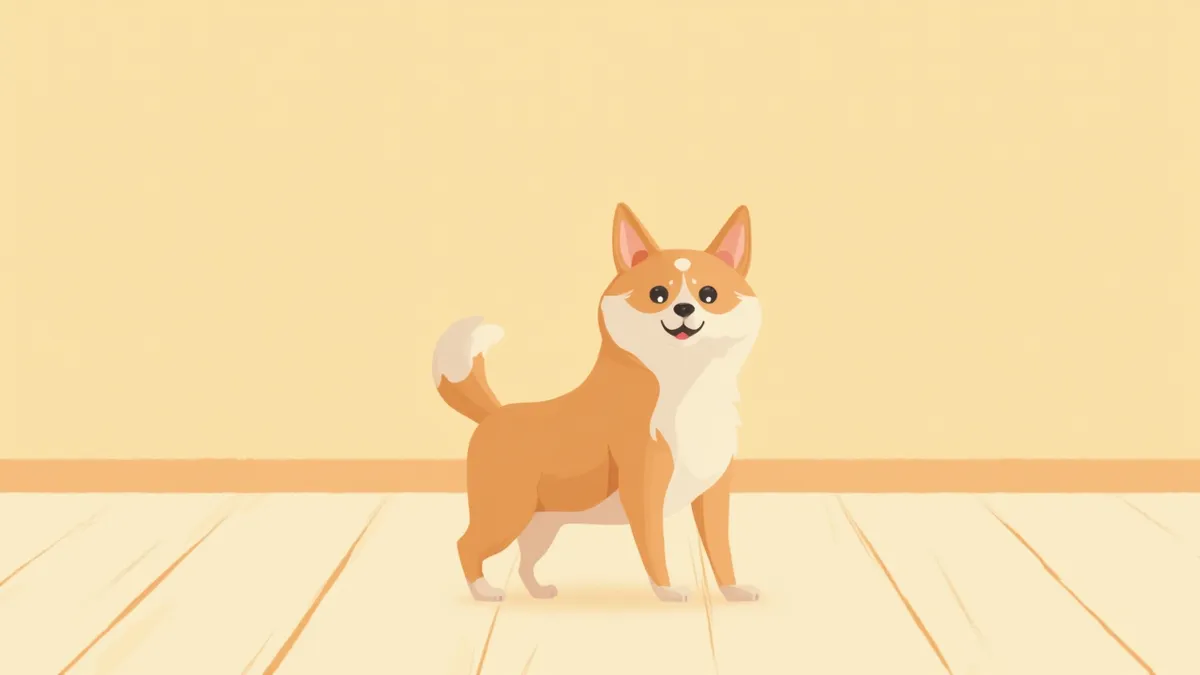
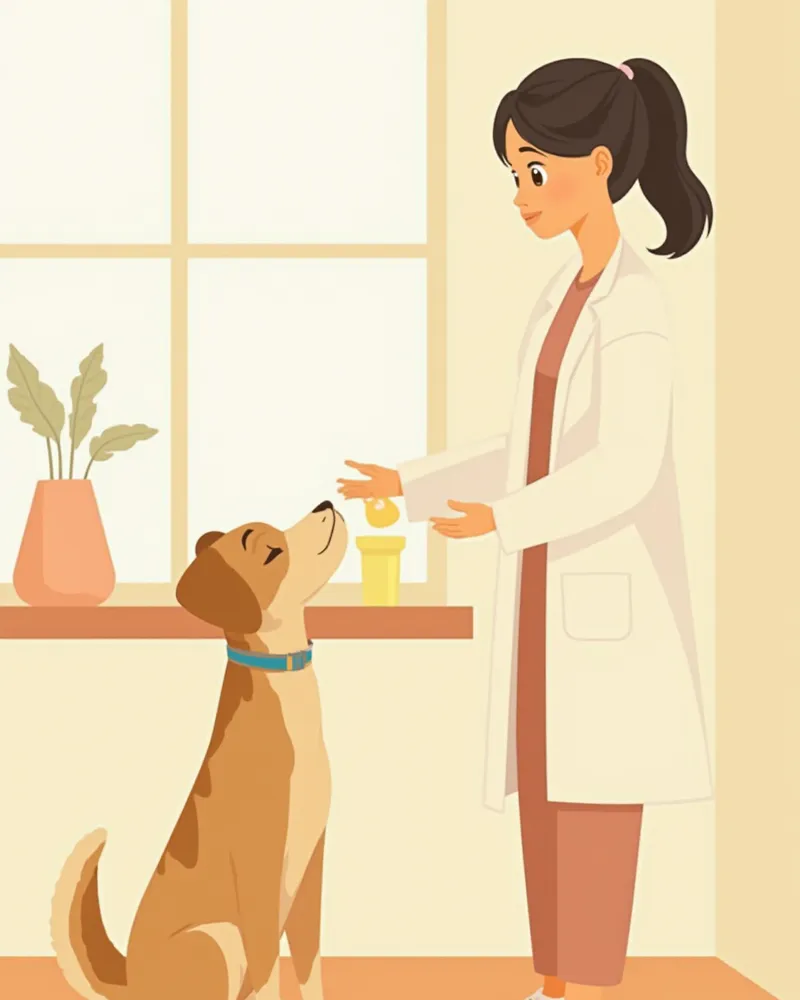
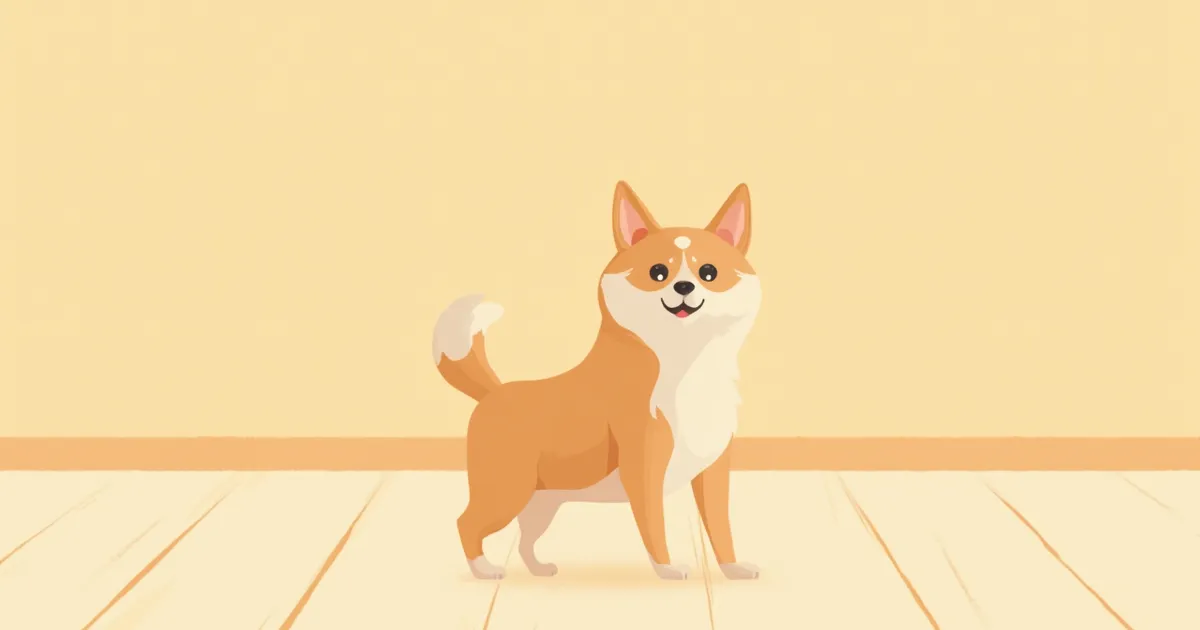
A dog standing unsteadily, losing its balance and stumbling
A dog’s stumbling is a neurological symptom caused by abnormalities in the brain, vestibular system, or nerves that regulate balance and movement, resulting in loss of equilibrium, swaying, or an unstable, leg-giving-out gait. Assessing urgency is key. Brief stumbling from slipping is normal, but persistent stumbling accompanied by rapid eye movements (nystagmus), head tilting to one side, or collapse warrants suspicion of a neurological issue. It is important to have the cause evaluated at a veterinary clinic within 24 hours.

Step-by-Step Urgency Assessment for Stumbling

ItemSymptomUrgencyResponse method
MildIntermittent slight wobbling, no other abnormalitiesLowBook a same-day appointment and monitor progress
ModeratePersistent staggering + head tilt or vomitingMediumVisit an animal hospital within the day
SevereUnable to walk, nystagmus, circling in one directionHighVisit the hospital without delay
EmergencyAccompanied by seizures, fainting, or reduced consciousnessVery highTransport to an emergency animal hospital immediately

Checklist of Accompanying Symptoms

Check for the following symptoms along with unsteady gait: Nystagmus (eye tremors): The eyes move rapidly side-to-side or up and down. This is a classic sign of vestibular system dysfunction. Head tilt: The head remains persistently tilted to one side. Compulsive circling: The animal circles continuously in one direction. Vomiting or retching: Occurs due to dizziness, similar to motion sickness. Decreased consciousness: The animal responds slowly or appears dull when called by name.
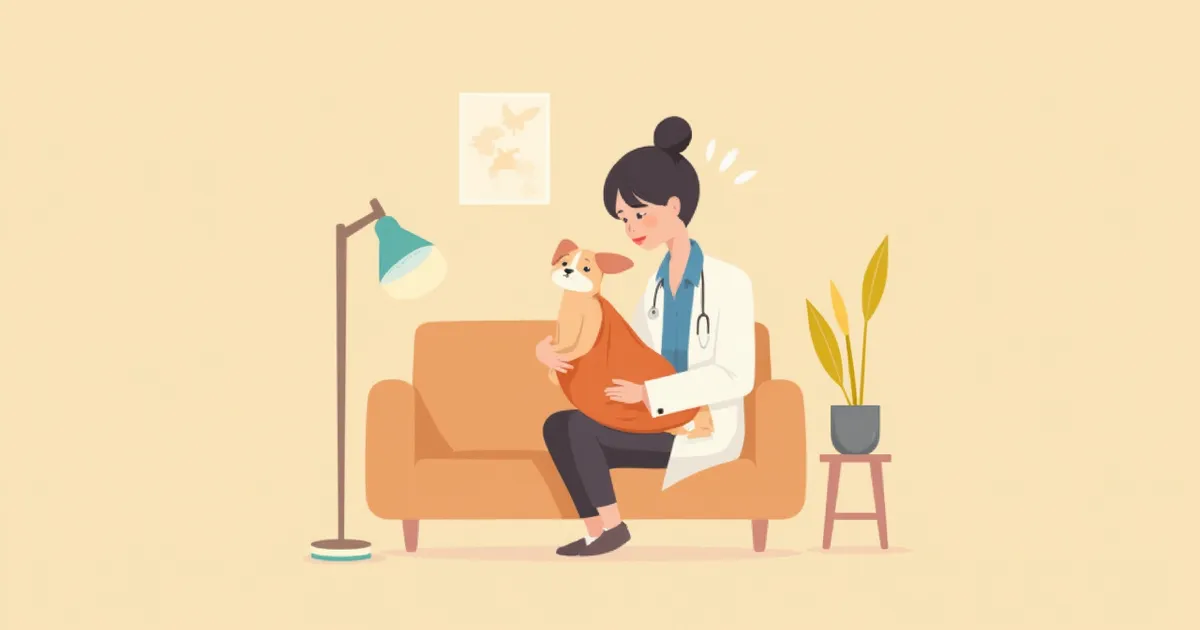
A puppy undergoing a balance assessment at the veterinary clinic

If You See These Symptoms, Go to an Emergency Vet Immediately

If your pet experiences any of the following symptoms—seizures (generalized convulsions), sudden inability to stand or walk, unequal pupil sizes, or decreased consciousness with no response to their name—seek emergency veterinary care immediately. These signs may indicate a lesion in the brainstem or cerebellum, or a stroke.

Serious Causes — Brain and Nervous System Diseases
Problems in the brain (central nervous system) can cause ataxia to worsen rapidly, which can be dangerous. The most common causes of central ataxia are tumors and infections or inflammation.
Brain tumors: Tumors are a common cause of central ataxia, and symptoms may gradually worsen in middle-aged to senior dogs.
Encephalitis and meningitis: These conditions arise from infections or immune system abnormalities and may be accompanied by fever and seizures. If suspected, cerebrospinal fluid (CSF) testing may be necessary.
Stroke (cerebral infarction): This can occur suddenly and may be associated with systemic diseases, so detailed imaging studies are needed for confirmation.
Hydrocephalus: This condition involves fluid accumulation in the brain and can present as one of the causes of ataxia.
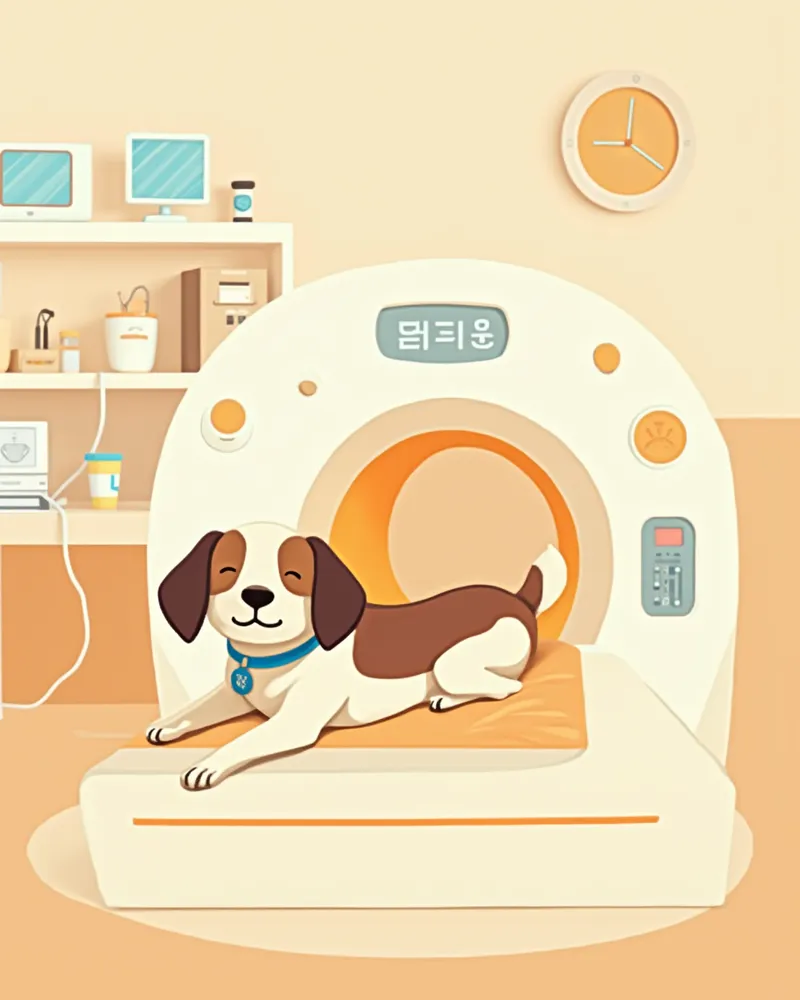
A dog undergoing an MRI scan

Common Causes — Vestibular and Ear Diseases
When the inner ear or vestibular nerve is affected, balance is disrupted, causing the pet to stagger. A key feature of peripheral vestibular disease is that consciousness and proprioception (awareness of limb position) generally remain intact.
Peripheral Vestibular Syndrome: Abnormalities in the inner ear or vestibular nerve cause sudden loss of balance, head tilt, nystagmus (involuntary eye movements), vomiting, and nausea.
Otitis Media and Interna: These middle and inner ear infections are caused by bacterial or fungal pathogens. Suspect these conditions if you notice odor or discharge from the ear; facial nerve paralysis may also occur.
Idiopathic Vestibular Syndrome: This refers to peripheral vestibular dysfunction with no identifiable cause. It is common in older dogs, often called "old dog vestibular disease." It is typically non-progressive with a favorable prognosis. Management involves supportive care while monitoring the condition, with improvement usually assessed within 72 hours.
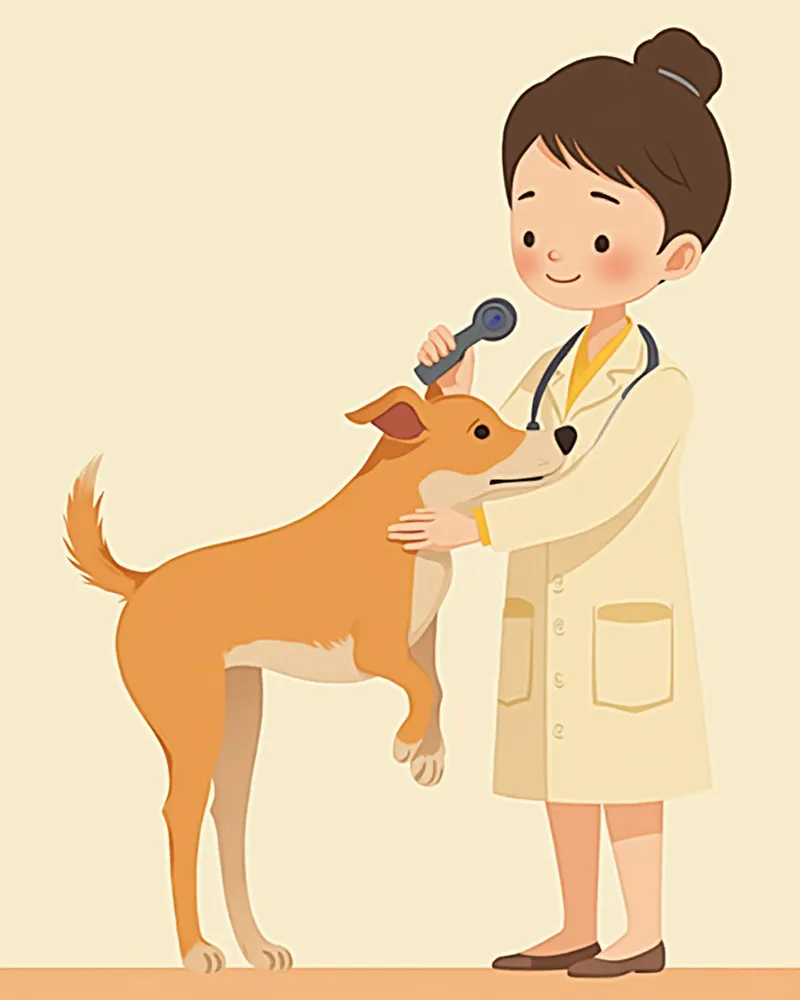
Close-up of a puppy's ear examination

Diagnosis and Treatment Process at the Veterinary Clinic

Veterinarians first determine whether the vestibular disorder is peripheral or central through a neurological examination. Additional tests are then performed based on the suspected cause.
Otoscopic examination: To check for infections in the middle or inner ear.
Blood and urine tests: To rule out systemic conditions such as thyroid disease or Cushing’s syndrome.
CT or MRI: For detailed imaging if a brain lesion is suspected.
Treatment varies depending on the underlying cause, and your veterinarian will decide on appropriate interventions, such as antibiotics or supportive care, tailored to your pet’s condition.

Stumbling in Senior Dogs — Do Not Let Your Guard Down Even If It Resolves Naturally

If your senior dog suddenly starts stumbling, tilting their head, or vomiting, they may have idiopathic vestibular syndrome. This condition arises without a clear cause and is typically non-progressive, often improving with supportive care. However, you should monitor for improvement within 72 hours; if symptoms persist, further testing is necessary. Because these symptoms can overlap with central vestibular diseases such as tumors or infections/inflammations, a veterinary examination is essential to rule out serious underlying causes. Do not dismiss these signs as harmless without professional evaluation.

Steps You Can Take at Home Before Visiting the Vet
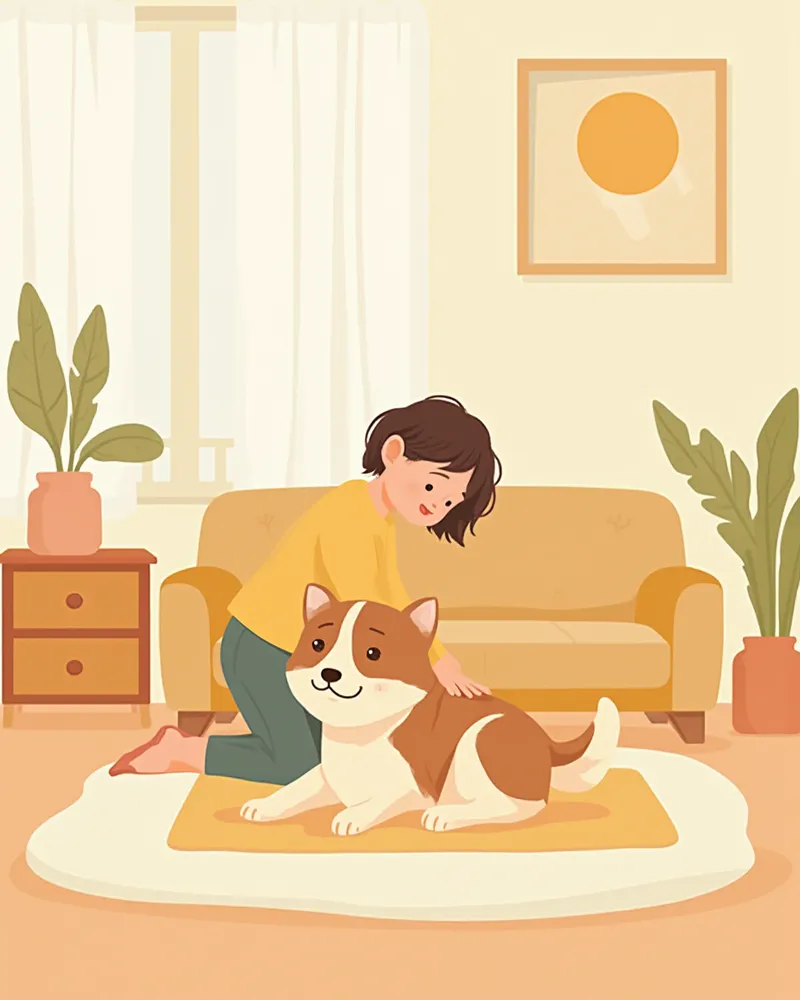
If there are no emergency signs, please take these steps before visiting the clinic:
Place them in a safe area: Keep your pet on the floor to prevent falls from stairs or sofas.
Do not force-feed: Feeding a dizzy pet can lead to aspiration into the airway.
Record symptoms on video: Showing the vet your pet’s gait and eye movements can aid diagnosis.
Stay with your pet: Remain nearby in case of sudden seizures.
Caring for a Wobbly Dog: A Guide for Pet Parents

Reviewed by a veterinarian

Dr. Tony — Punnawat Phongkittirak

Dr. Tony — Punnawat Phongkittirak

Veterinarian

A veterinarian who majored in veterinary medicine at Khon Kaen University, Thailand, and completed the IVSA program at North Carolina State University in the United States. Drawing on clinical experience at animal hospitals, he works in the pet healthcare field and is dedicated to building a digital care environment that connects pet parents with veterinarians.

Frequently Asked Questions

My puppy is suddenly stumbling. Should I go to the vet today?
If your pet isn't experiencing seizures, fainting, or difficulty walking, a same-day appointment should be fine. However, if any of these emergency symptoms are present, you should take them to an emergency veterinary clinic immediately.
My pet’s wobbliness keeps getting better and worse. Is it okay to just monitor the situation?
If the symptoms recur, it may be a sign of a persistent ear infection or brain lesion. If you notice any pattern of worsening, it's safest to have your pet evaluated at the clinic for an accurate diagnosis.
The vet said my senior dog has vestibular syndrome. What can I do at home to help?
Keep your pet away from stairs and elevated surfaces, and provide a non-slip floor for them to rest on. If vomiting is severe, consult your veterinarian for anti-nausea medication. Idiopathic vestibular syndrome is typically non-progressive and carries a favorable prognosis; with supportive care, improvement is usually observed within 72 hours. If no improvement occurs, further diagnostic testing is necessary.
Can the wobbliness come back even after it has completely resolved?
Idiopathic vestibular syndrome can recur. If ear infections were the cause, inadequate management may lead to relapse. The key to preventing recurrence is fully treating the underlying condition and scheduling regular veterinary check-ups.
Can you tell the difference between ear problems and brain problems at home?
It can be difficult to make a definitive distinction. If your pet’s ears are producing an odor or discharge and they’re frequently scratching at them, an ear infection is likely. However, an accurate diagnosis requires neurological and imaging examinations. A veterinary visit is essential.

Share

Related Guides

References

[1] Dewey CW, da Costa RC. Practical Guide to Canine and Feline Neurology. 3rd ed. Wiley-Blackwell; 2016.

[2] Lorenz MD, Coates JR, Kent M. Handbook of Veterinary Neurology. 5th ed. Saunders Elsevier; 2011.

[3] de Lahunta A, Glass E, Kent M. Veterinary Neuroanatomy and Clinical Neurology. 5th ed. Saunders Elsevier; 2020.

This information is based on veterinary literature and does not replace diagnosis or treatment. Please consult a veterinarian for specific health concerns.

Metapet Co., Ltd. | CEO: Park Sung-yong | Business Reg. No. 417-88-02562 | Seoul, South Korea | Customer Center

Dog Stumbling: Causes, Step-by-Step Care & When to See a Vet | Meongsiljang