Like
Share
멍실장
고양이 스트레스 신호와 관리

Feline Stress Signals and Management: A Comprehensive Guide to Key Signs Owners Often Miss

Brain & CognitionSymptomsMeongsiljang Veterinary Advisory Board

Feline stress manifests as behavioral changes triggered by external stimuli or environmental shifts. It’s crucial for pet owners to accurately recognize these often-overlooked signs and intervene early.

Feline Stress Signals Are Behavioral Changes That Owners Often Miss
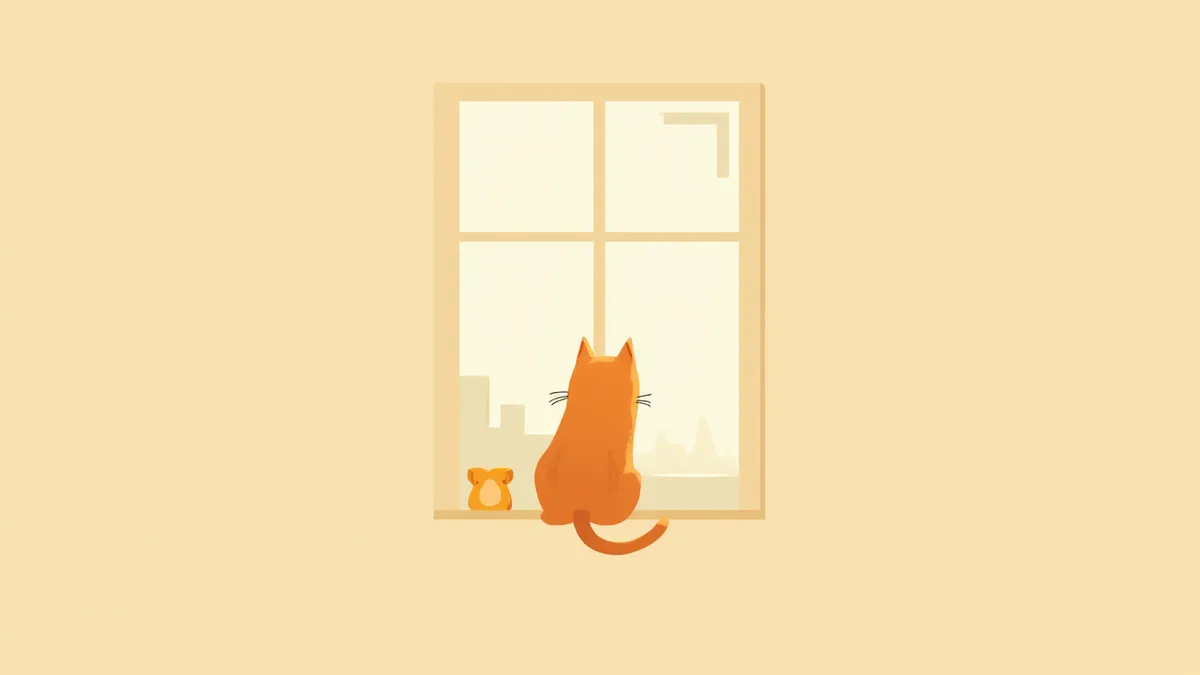
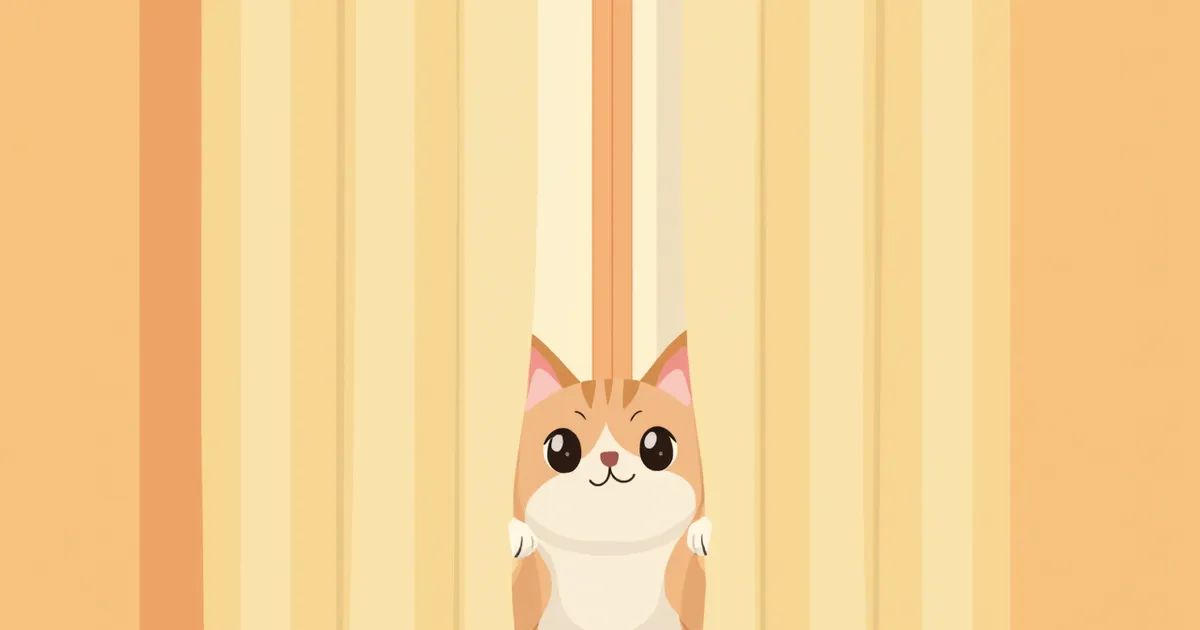
A nervous cat hiding under the bed
Cats show stress through behavioral changes triggered by external stimuli or environmental shifts. Sudden changes or repeated stressors can build up, increasing psychological burden. Since cats rarely express emotions directly, it’s crucial for owners to recognize subtle signs they might otherwise miss. Early detection and response are key to maintaining a cat’s well-being.

Environmental changes and social stimuli are the main causes of stress

Item초기 스트레스중기 스트레스만성 스트레스
행동평소보다 숨기 증가공격성 또는 위축무기력, 반응 감소
식욕약간 감소뚜렷한 감소 또는 폭식지속적 식욕 부진
배변화장실 밖 실수 1~2회반복적 부적절 배변만성 설사 또는 변비
그루밍특정 부위 반복 핥기털 빠짐 시작넓은 범위 탈모
긴급도관찰 및 환경 점검수의사 상담 권장즉시 병원 방문

개체마다 차이가 있으므로 평소 행동과 비교해서 판단해 주세요

Checklist of 6 Key Stress Signals

Be sure to watch for these key signs so you don’t miss your cat’s stress signals.
Hiding: Suddenly hiding under the bed, inside the carrier, or in drawers.
Increased hair loss: Excessive licking or scratching that leads to hair loss.
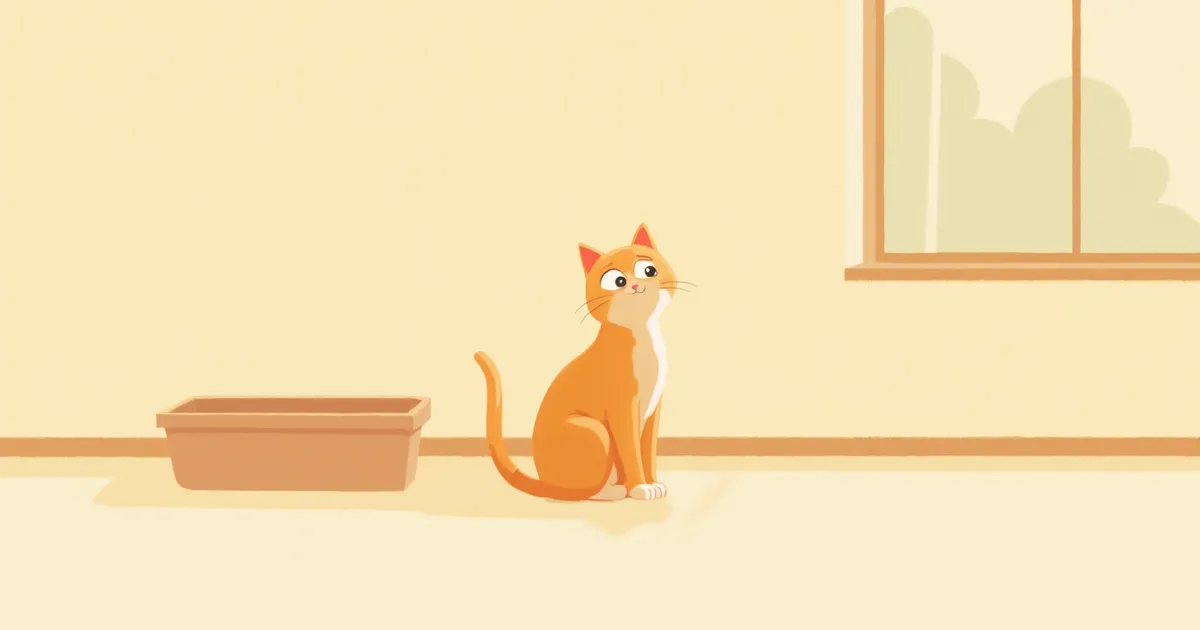
Litter box issues: Changes in elimination habits, such as urinating or defecating outside the litter box or increased urine marking.
Increased aggression: Suddenly swiping with claws or biting at owners or other animals.
Loss of appetite: Refusing their usual food or a sudden, significant decrease in food intake.
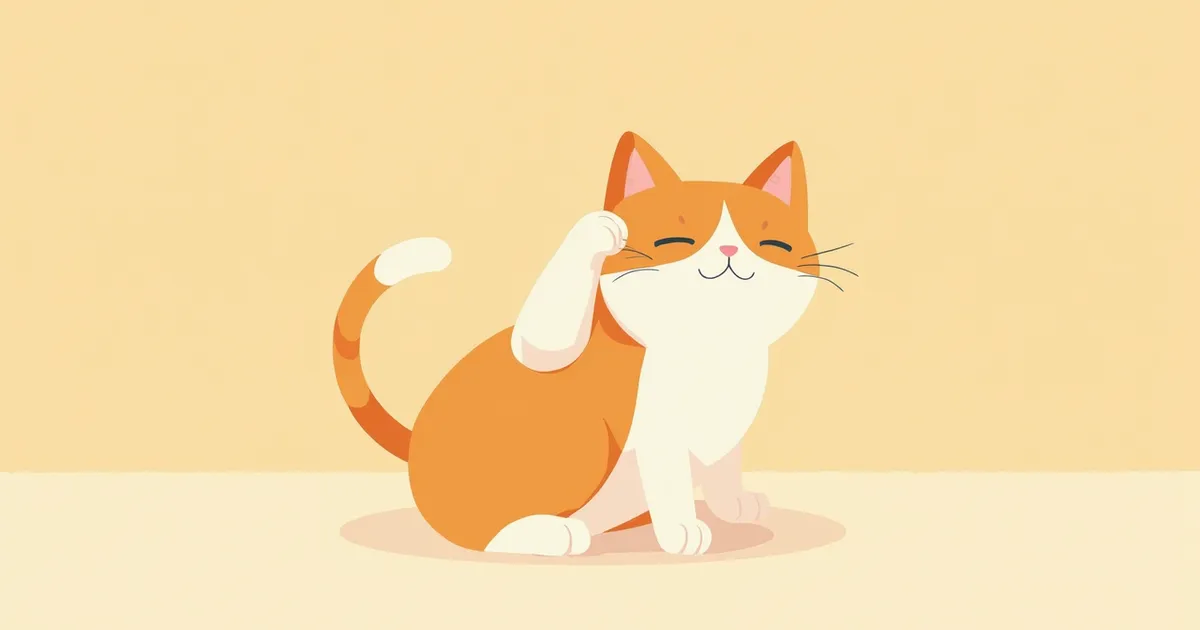
Overgrooming: Repetitive licking of the fur, sometimes severe enough to cause bald patches.
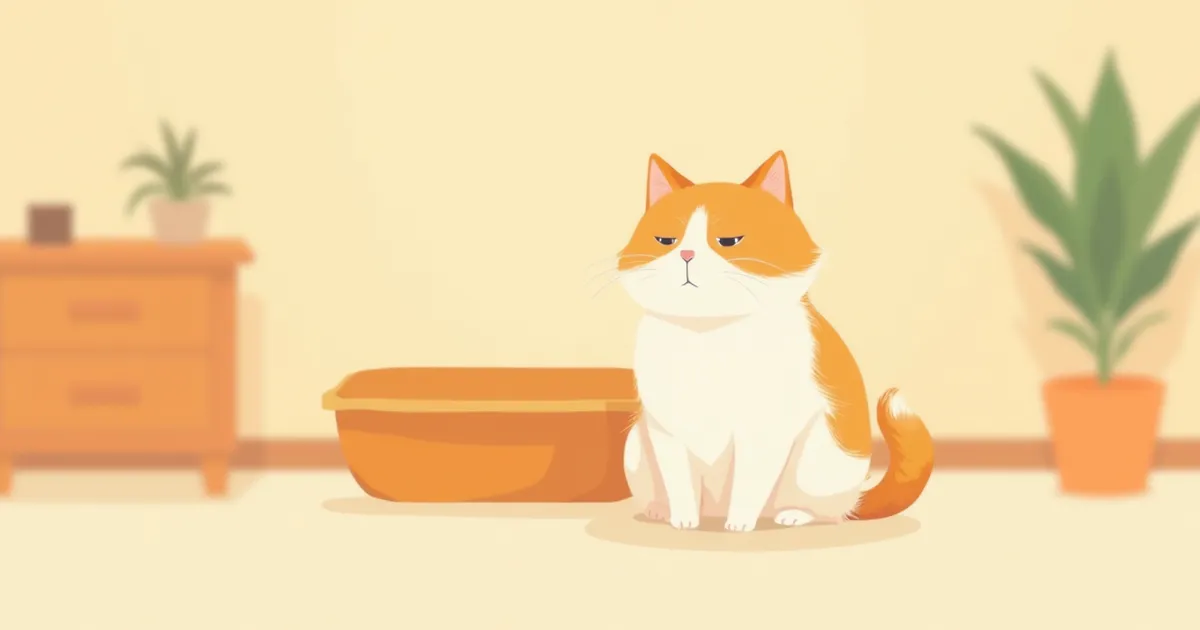
A cat sitting with an anxious expression

Signs Requiring Immediate Veterinary Care

If your cat persistently refuses food, experiences sudden changes in bowel movements, shows signs of respiratory or physical distress, or exhibits extreme aggression that results in injury to you or other animals, seek veterinary care immediately. These symptoms may indicate that stress has escalated to a severe level or that an underlying medical condition is present. Professional diagnosis and treatment by a veterinarian are essential.

Comparison of Stress Stages from Mild to Severe

Feline stress manifests in stages, ranging from mild to severe.
Mild: The cat may hide briefly or avoid eye contact. These behaviors are typically reactions to temporary stimuli, and the cat recovers quickly once the stressor is removed.
Moderate: Recurring issues such as changes in litter box habits, altered grooming patterns, or food refusal begin to appear, starting to impact daily life.
Severe: Persistent signs such as food refusal, litter box problems, and increased aggression are evident. Chronic stress is continuous, places the greatest physical and emotional burden on the cat, and can be linked to various diseases. Immediate veterinary attention is required.

Stress Management Methods You Can Do at Home
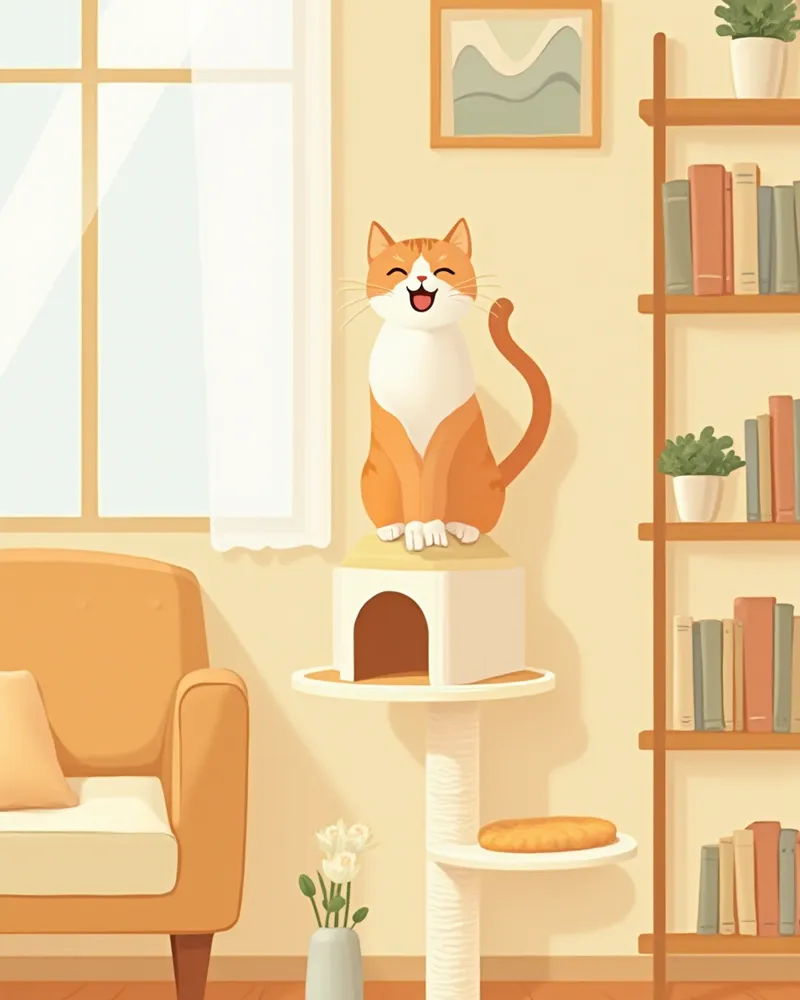
There are several things you can do at home to help reduce your cat’s stress.
Environmental enrichment: Provide climbing structures, elevated perches, and hiding spots.
Use of synthetic pheromones: Products like Feliway can be used as a supplementary tool alongside environmental adjustments and maintaining a consistent routine.
Consistent routine: Keep feeding, play, and sleep times regular.
Individual spaces: In multi-cat households, provide separate areas for eating, litter boxes, and resting.
Appropriate interaction: Encourage more cat-led play rather than forcing interaction.
Enriched Cat Spaces

Daily Care Points for Prevention

Preventing stress starts with consistent daily care.
Signal Detection Training: Carefully observe your cat’s everyday behavioral patterns.
Preparation for Change: Gradually introduce new furniture or animals before they become part of the household.
Use of Synthetic Pheromones: Incorporate products like Feliway into your cat’s routine to promote calmness.
Regular Check-ups: Rule out any physical causes that may contribute to stress.
Allow Alone Time: Give your cat the opportunity to enjoy some quiet time on their own.
A serene cat sleeping by the window.

Certain Breeds May Be More Sensitive to Stress

Some cats may be more sensitive to stress due to their genetic temperament or early socialization experiences. Cats with a timid temperament may react strongly to environmental changes and show signs of stress more quickly. These cats require more careful observation and environmental adjustments from their owners. Early intervention is important.

Frequently Asked Questions

Stress isn't something that's resolved once and for all. Consistent environmental management and the owner's attention are what matter most.
Maintain a consistent routine: Keep meal times, play times, and the sleeping environment consistent. Cats feel secure with a predictable daily routine.
Make changes gradually: When moving or rearranging furniture, relocate your cat's core areas (litter box, food bowl, sleeping spot) as late as possible.
Regular health checkups: Because stress symptoms can accompany actual illnesses such as cystitis or skin disease, it's best to have your cat examined every 6 months to 1 year.
Check your own reactions: When your cat hides or acts aggressively, don't force it into your arms or scold it—give it time to calm down naturally in a safe space.

Reviewed by a veterinarian

Dr. Tony — Punnawat Phongkittirak

Dr. Tony — Punnawat Phongkittirak

Veterinarian

A veterinarian who majored in veterinary medicine at Khon Kaen University, Thailand, and completed the IVSA program at North Carolina State University in the United States. Drawing on clinical experience at animal hospitals, he works in the pet healthcare field and is dedicated to building a digital care environment that connects pet parents with veterinarians.

Share

Related Guides

References

[1] Frank, D. et al. (1999) Efficacy of synthetic feline facial pheromone in reducing urine marking in multi-cat households. Journal of Feline Medicine and Surgery.

[2] Mills, D.S. & White, S. (2000) The use of pheromone therapy in the management of feline stress-related disorders. Veterinary Clinics of North America: Small Animal Practice.

[3] Gaultier, E. et al. (1998) Effect of synthetic feline facial pheromone on stress-related behaviors in cats during travel. Applied Animal Behaviour Science.

This information is based on veterinary literature and does not replace diagnosis or treatment. Please consult a veterinarian for specific health concerns.

Metapet Co., Ltd. | CEO: Park Sung-yong | Business Reg. No. 417-88-02562 | Seoul, South Korea | Customer Center

Feline Stress: 6 Signs Owners Miss and How to Manage It | Meongsiljang