Like
Share
멍실장
강아지 고양이 식중독·상한 음식 대처법

How to Handle Food Poisoning and Spoiled Food in Dogs and Cats

DigestiveSymptomsMeongsiljang Veterinary Advisory Board

We’ve compiled the signs of food poisoning in dogs and cats after they’ve eaten spoiled or toxic foods, along with emergency steps you can take at home and guidelines for when to visit the vet.

What Is Food Poisoning in Dogs and Cats?
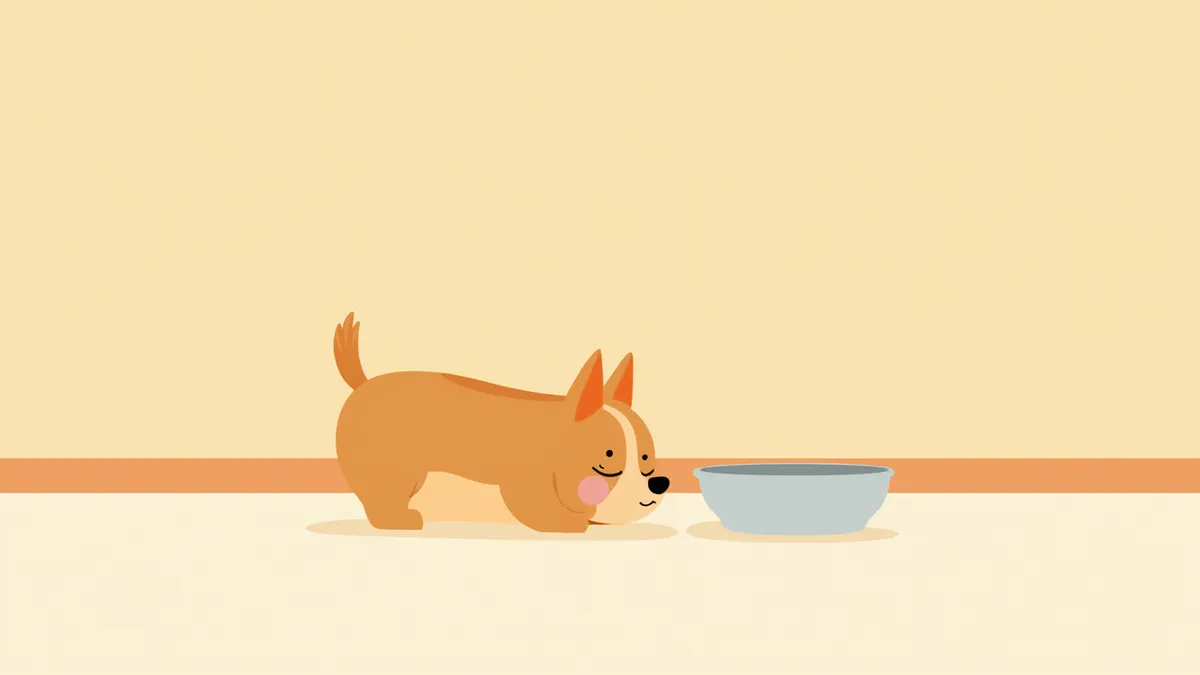
A puppy and its owner dealing with discomfort from eating the wrong food
Pet food poisoning occurs when a pet eats spoiled or contaminated food, or food containing toxic ingredients, leading to gastrointestinal symptoms such as vomiting, diarrhea, and abdominal pain. Quick judgment is key. If the ingestion just happened, don’t force your pet to vomit. Instead, write down what and how much they ate, then call your vet immediately for guidance. Professional advice should always take priority over home remedies.

Urgency Level Assessment Chart

The level of response depends on what your pet ate and the symptoms they’re showing. Use the chart below to quickly assess your pet’s situation.

Food Poisoning Urgency Classification

ItemStage 1 ObservationStage 2 Hospital ConsultationStage 3 Immediate Emergency
Food EatenSlightly spoiled foodSpoiled meat / dairyChocolate, onion, grapes, xylitol
SymptomsMild vomiting 1–2 timesVomiting 3+ times / diarrheaSeizures / reduced consciousness / bloody stool
ActionFast for 12 hours, then observeVisit hospital within 12 hoursImmediately to 24-hour emergency room

Chocolate and xylitol are an immediate emergency even in small amounts.

Food Poisoning Symptoms to Check For

Symptoms of food poisoning vary depending on the type and toxicity of the ingested food, and can appear as quickly as within tens of minutes. If you notice any of the following signs, suspect food poisoning: - Vomiting: Repeated vomiting of ingested food, yellow gastric fluid, or foam - Diarrhea: Loose stools, sometimes mixed with mucus or blood - Lethargy: Lack of response to activities the pet usually enjoys - Decreased appetite: Refusal of food and treats for more than 24 hours - Abdominal pain: Cowering or arching the back when the abdomen is touched - Excessive drooling: Increased salivation as a sign of nausea
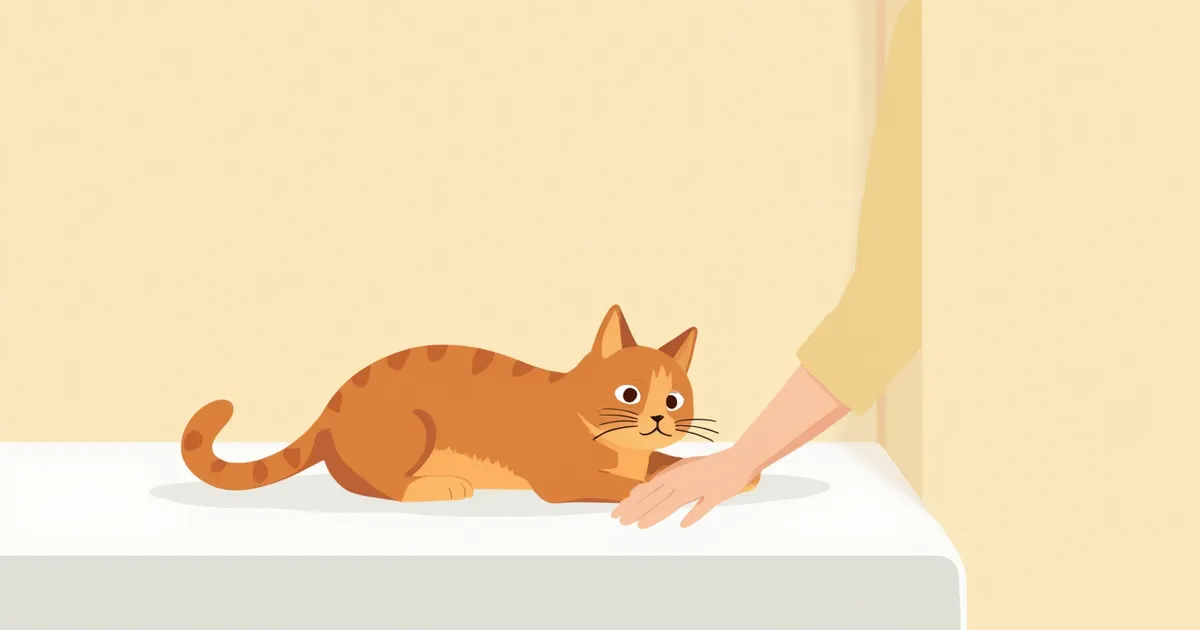
A guardian checking on a lethargic cat lying down

Danger Signs Requiring Immediate Emergency Vet Visit

If any of the following apply, take your pet to a 24-hour emergency veterinary clinic immediately, even in the middle of the night: - Ingestion of known toxic foods such as chocolate, xylitol, onions, grapes, raisins, or macadamia nuts. - Repeated vomiting over a short period that does not stop, or persistent vomiting accompanied by diarrhea. - Bright red blood in the stool or black, tarry stools. - Seizures, convulsions, or altered consciousness. - Pale, gray, or purple gums. - Rapid, labored breathing or open-mouth panting.

Common Causes of Food Poisoning

Knowing the cause helps prevent similar incidents in the future. The most common causes that pet owners often overlook include: - Spoiled food and treats: Wet food left open for too long, moldy dry kibble - Leftover human food: Seasoned meats, greasy fried foods, spoiled milk - Toxic foods: Chocolate, onions and garlic, grapes and raisins, xylitol-containing gum - Decaying food waste: Picking up and eating trash while walking outside - Mold and bacterial contamination: Damp food containers, unwashed bowls

Emergency Steps You Can Take at Home

Even with mild food poisoning, self-treatment should be approached with caution. According to veterinary emergency medicine textbooks, attempts by pet owners to induce vomiting can actually be dangerous. - Fasting: Withhold food for 12 hours, but offer small amounts of water frequently. - Recovery diet: Once vomiting has stopped, begin with small portions of boiled chicken breast and white rice. - Observation log: Record the frequency and color of vomiting, the nature of diarrhea, and any changes in energy levels. - Identify ingested items: Take photos of packaging or leftover food to show the veterinarian. Never administer human anti-diarrheal or emetic medications without a veterinarian's instructions.
A pet owner and their dog preparing a recovery meal

Points Cat Owners Should Pay Extra Attention To

Cats can be more sensitive to certain toxic substances than dogs, meaning the same exposure can lead to more severe symptoms. - Onion and garlic powder: These contain toxic compounds that can affect the blood, so caution is needed even with small amounts. - Lilies: Even small ingestions or contact with pollen can cause severe kidney damage, requiring immediate veterinary care. - Potpourri and essential oils: These can strongly irritate the mouth and digestive tract, so ingestion and inhalation must be strictly avoided. - Tuna and fish-only diets: Long-term exclusive feeding can lead to nutritional imbalances and related health issues. If your cat shows a significant loss of appetite or refuses food for an extended period, this itself may be a sign of an underlying health issue, so it’s best to have a veterinarian check them promptly.

Preventive Care to Prevent Recurrence
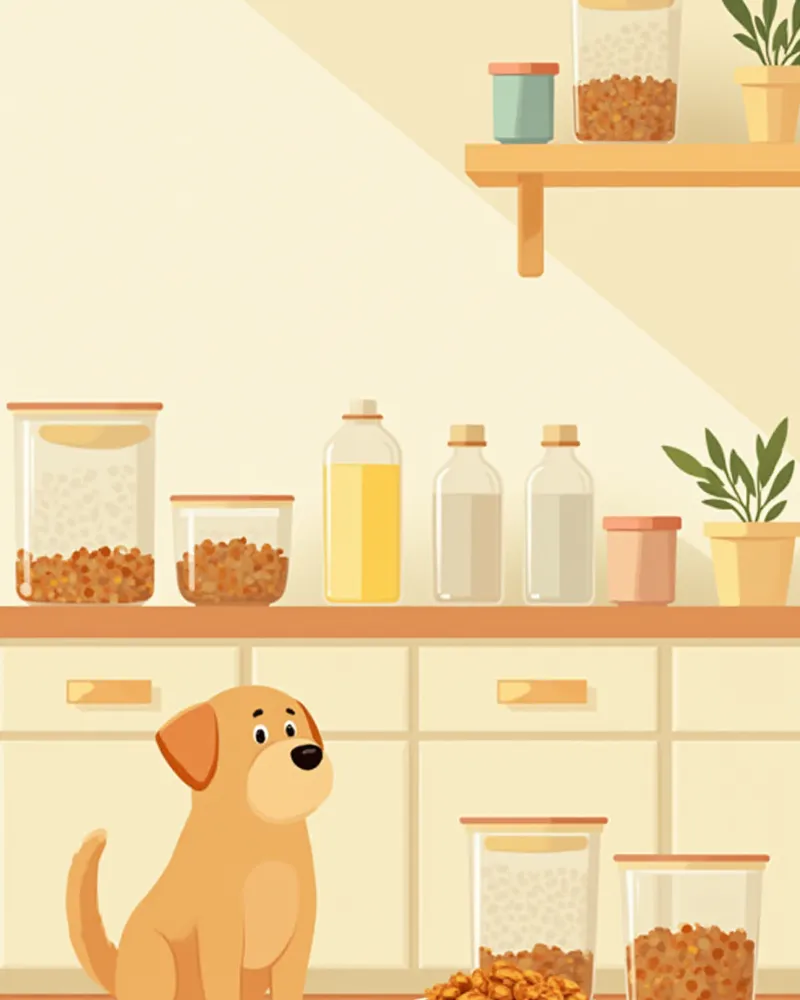
While a bout of food poisoning makes pet owners more vigilant, most cases can be prevented simply by adjusting a few daily habits. - Food Storage: Keep dry food in airtight containers in a cool, dry place, and use it within the manufacturer’s recommended timeframe after opening. - Wet Cans: Refrigerate opened cans and use them as soon as possible. - Bowl Cleaning: Wash food and water bowls daily with warm water and dish soap. - Separate Human Food: Never share foods containing seasonings or spices with your pet. - Walk Training: Train your pet to “leave it” so they don’t pick up food while walking outside. - Secure Hazardous Foods: Store chocolate and xylitol gum out of reach, such as on high shelves, to keep them away from pets.
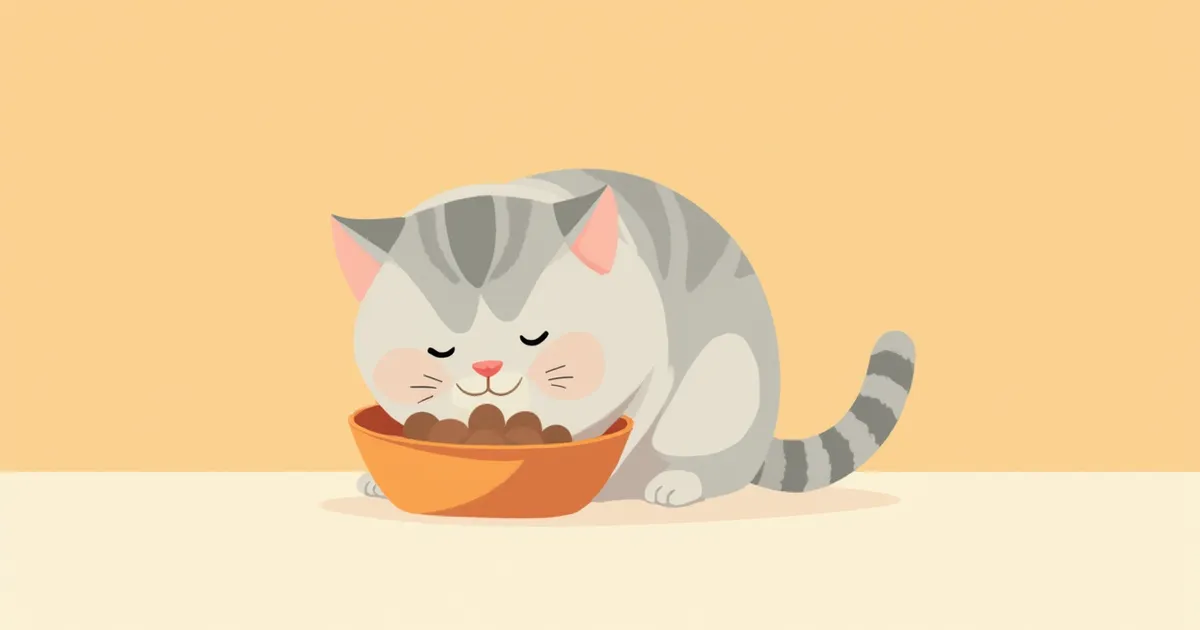
A neatly organized food storage container and feeding bowls

Reviewed by a veterinarian

Dr. Tony — Punnawat Phongkittirak

Dr. Tony — Punnawat Phongkittirak

Veterinarian

A veterinarian who majored in veterinary medicine at Khon Kaen University, Thailand, and completed the IVSA program at North Carolina State University in the United States. Drawing on clinical experience at animal hospitals, he works in the pet healthcare field and is dedicated to building a digital care environment that connects pet parents with veterinarians.

Frequently Asked Questions

My dog ate spoiled food but seems fine. Do I really need to take him to the vet?
Even if your pet shows no symptoms, seek immediate veterinary care if they have ingested chocolate, xylitol, onions, or grapes. For regular spoiled pet food, withhold food for about 12 hours while monitoring your pet, and contact your veterinarian if vomiting or diarrhea begins.
Is it okay to induce vomiting at home?
Inducing vomiting at home with hydrogen peroxide, salt, or similar substances can severely damage the esophagus and increase the risk of aspiration pneumonia. This procedure should only be performed at a veterinary clinic under the guidance of a veterinarian.
How long should I feed my pet recovery food?
Once vomiting and diarrhea have subsided, it helps to offer small, frequent meals of easily digestible foods like boiled chicken breast and white rice. As the stool stabilizes, gradually reintroduce regular pet food by mixing it in small amounts. Since recovery rates vary from pet to pet, please consult your veterinarian if symptoms persist or worsen.
My cat ate spoiled canned tuna. What should I do?
Eating spoiled fish can cause gastrointestinal symptoms such as vomiting and diarrhea. Note down the amount eaten and the time it was consumed, and if symptoms like vomiting, diarrhea, or lethargy appear, visit a vet immediately. Even if there are no symptoms, if you're concerned, call your veterinarian to inform them of the situation first.
Can I give my pet human anti-diarrheal medications (such as Smecta or Jeongrohwan)?
Absolutely not. Human medications are not formulated for pets' body weight and metabolism, and can cause liver and kidney damage. All medications should only be administered under a veterinarian's prescription.

Share

Related Guides

References

[1] Blackwell's Five-Minute Veterinary Consult Clinical Companion: Small Animal Toxicology, 3rd Edition

[2] Plumb's Veterinary Drug Handbook, 10th Ed

[3] Clinical Medicine of the Dog and Cat, 4th Ed

[4] Feline Emergency and Critical Care Medicine, 2nd Ed

This information is based on veterinary literature and does not replace diagnosis or treatment. Please consult a veterinarian for specific health concerns.

Metapet Co., Ltd. | CEO: Park Sung-yong | Business Reg. No. 417-88-02562 | Seoul, South Korea | Customer Center

Food Poisoning in Dogs & Cats: Emergency First Aid | Meongsiljang