Like
Share
멍실장
강아지 발 습진 원인과 치료

Causes and Treatment of Canine Paw Eczema

Skin & CoatSymptomsMeongsiljang Veterinary Advisory Board

Canine foot eczema is a condition characterized by inflammation of the skin between the toes. This guide covers everything from causes and symptoms to treatment and home care, all based on evidence from veterinary dermatology textbooks.

Canine Paw Eczema: Do You See These Symptoms?

An illustration of a puppy looking at its own paws
Dog paw eczema is a skin condition in which inflammation develops between the toes due to bacteria, fungi, allergies, and other causes. In veterinary dermatology, this condition is called interdigital dermatitis, referring to inflammation of the skin between the toes and on the paw pads. According to veterinary dermatology textbooks, it is particularly common in dogs, with the majority of cases associated with atopic dermatitis. In mild cases, dogs may simply lick their paws, but if left untreated, the condition can progress to a severe state with abscesses and pus discharge between the toes.

How to Classify the Severity of Paw Eczema

Paw eczema in dogs can be broadly divided into three stages based on severity.
StageKey SymptomsUrgency
MildSlight redness between toes, occasional lickingVisit within 1–2 weeks
ModerateSwelling, frequent licking, foul odor, changes in gaitVisit within a few days
SevereAbscesses, pus, bleeding, limping, refusal to bear weightImmediate visit
Identifying which stage your dog is currently in will help you determine the appropriate timing for intervention.

If You See These Symptoms, It’s Paw Eczema

If you notice any of the following signs, your pet may be suffering from pododermatitis (interdigital dermatitis).
Excessive licking or chewing: Your pet may frequently lick or chew their paws without any apparent trigger.
Redness between the toes: The skin between the toes may become red and swollen.
Unpleasant odor: A musty or foul smell from the paws can indicate a secondary bacterial or yeast infection.
Hair loss: You may notice thinning or loss of hair on the top of the foot or between the toes, exposing the skin.
Abscesses or pus: In severe cases, abscesses may form between the toes, potentially draining pus.
Changes in gait: Due to pain, your pet may limp or refuse to go for walks.
An illustration showing symptoms between a dog's toes

Go to the Vet Immediately in These Cases

If you notice pus or blood coming from between your pet’s toes, or if the foot is so severely swollen that they can’t walk, please visit a veterinary clinic immediately. A thorough examination is also necessary if symptoms persist for more than two weeks or if the affected area continues to spread. There may be underlying causes that won’t respond to standard skin treatments, such as demodex mite infestations or autoimmune diseases.

Why Does Canine Paw Eczema Occur?

Your dog’s paw eczema isn’t caused by a single factor, but rather by a combination of several underlying issues.
Atopic dermatitis: According to veterinary dermatology textbooks, this is the most common cause. It often results in intense itching concentrated on the paws due to reactions to environmental allergens or food ingredients.
Bacterial and yeast infections: Bacteria and Malassezia yeast can thrive in the moist spaces between the toes, leading to worsening inflammation.
Mite infestations: Mite infestations can sometimes manifest exclusively on the paws. Veterinary dermatology textbooks note that these may not be detected in routine skin exams, so repeated testing may be necessary.
Body type, weight, and other factors: Veterinary dermatology textbooks describe the causes of chronic interdigital pyoderma as multifactorial. This means that abnormal weight distribution related to paw structure (body type), orthopedic issues, obesity, mites, and endocrine disorders can all play a role. Since obesity and weight-bearing stress are also contributing factors, it’s best to consult with your veterinarian to accurately assess the specific cause for your pet.

How Diagnosis Is Performed at the Veterinary Clinic

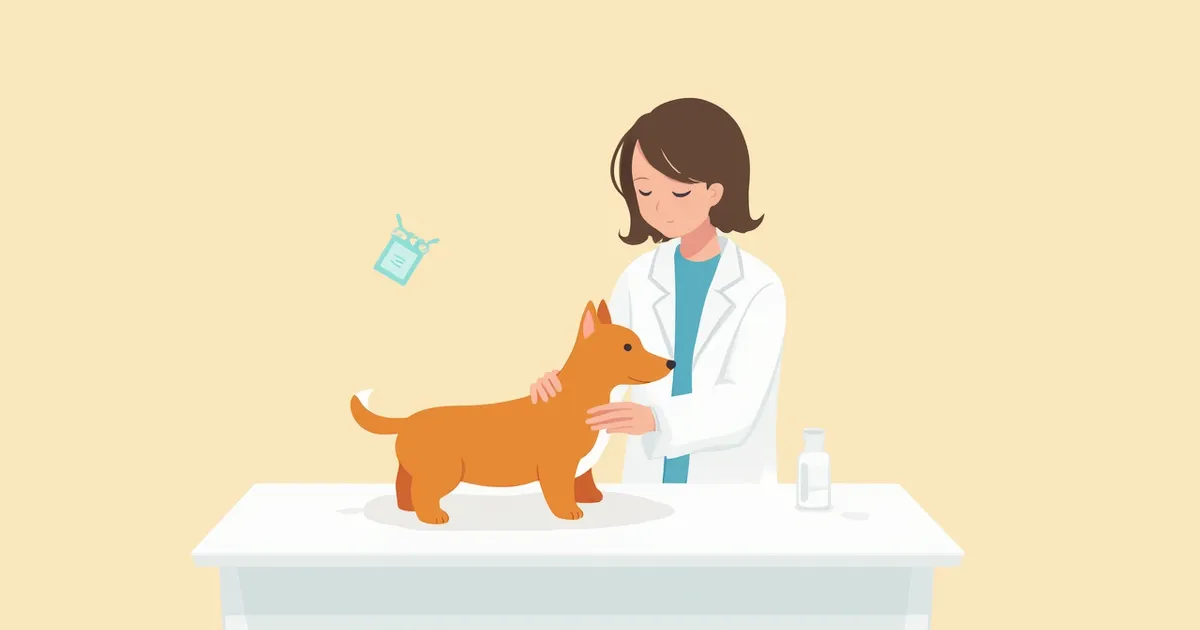
The veterinarian will carefully examine the entire paw and then perform various tests depending on the suspected cause.
Skin scraping: This test checks for parasitic infections such as Demodex mites. However, since mites on the paws can be difficult to detect, repeated testing may be necessary.
Cytology: Cells from the inflamed area are collected on a slide to check for bacterial or yeast infections.
Allergy testing: If atopic dermatitis is suspected, blood tests or an elimination diet are used to identify the specific allergen.
Biopsy: If abscesses recur or do not respond to treatment, a tissue sample is taken to rule out autoimmune diseases or tumors.

Treatment Methods for Paw Eczema

Treatment depends on the underlying cause, so an accurate diagnosis comes first.
Infection treatment: Antibiotics are used for bacterial infections, and antifungals for yeast infections. In severe cases, oral and topical medications may be used together.
Allergy management: If atopy is the cause, it’s important to minimize exposure to allergens through environmental management, alongside medications to reduce itching.
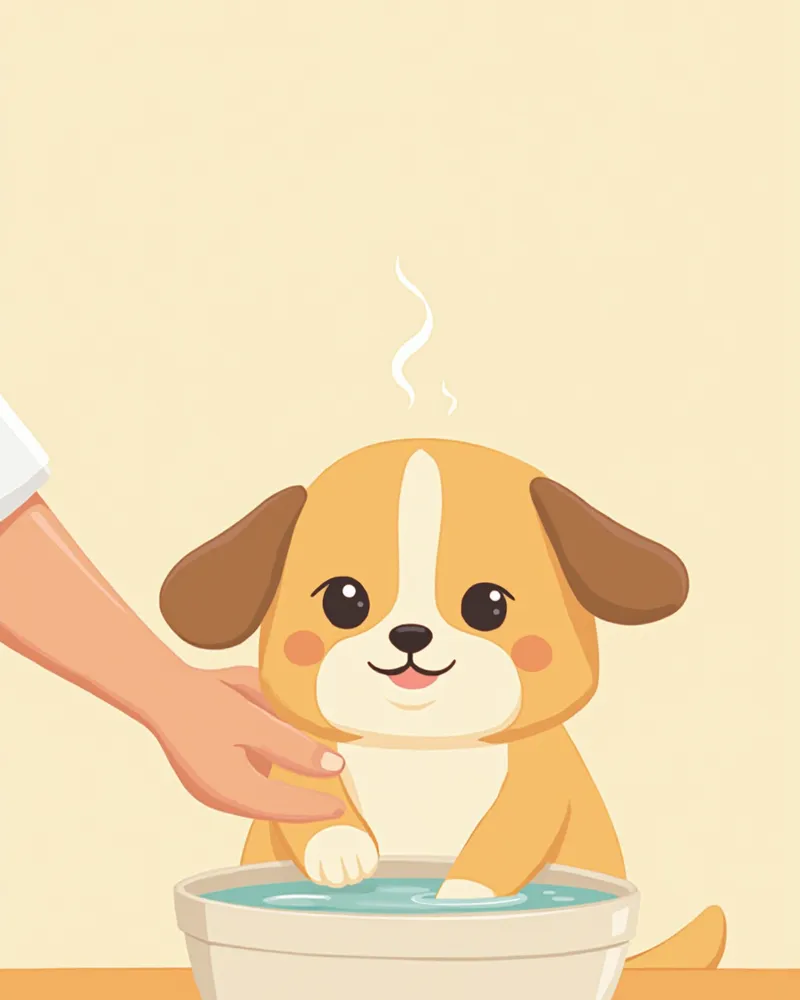
Foot soak therapy: Regularly washing your pet’s paws with a disinfectant foot soak recommended by your veterinarian can help reduce bacterial and yeast overgrowth. Always follow your veterinarian’s instructions regarding the product and method of use.
Mite treatment: If mites are the cause, your veterinarian will prescribe an appropriate antiparasitic medication.
Illustration of a puppy receiving foot bath therapy

Pay Special Attention to These Breeds

According to veterinary dermatology textbooks, English Bulldogs, Beagles, Cocker Spaniels, and Cavalier King Charles Spaniels are breeds prone to chronic interdigital pyoderma, commonly known as toe abscesses. West Highland White Terriers and Bulldog-type breeds have a higher predisposition to atopic dermatitis, while Golden Retrievers and Labrador Retrievers are associated with breed-specific paw conditions such as digital hyperkeratosis. However, textbooks emphasize that breed predispositions can vary depending on regional populations. If you own one of these breeds, it’s a good idea to regularly check between your dog’s toes and make it a habit to wash and thoroughly dry their paws after walks.

How to Manage and Prevent It at Home

Because paw eczema tends to recur frequently, consistent care alongside treatment is essential.
Clean and dry paws after walks: After each walk, thoroughly wash your pet’s paws and ensure the spaces between the toes are completely dry. Residual moisture can lead to reinfection.
Prevent licking: Use an Elizabethan collar or paw protectors to stop your pet from licking their paws, as licking can worsen the wounds.
Weight management: Veterinary dermatology textbooks identify obesity and abnormal weight-bearing as contributing factors to chronic interdigital pyoderma. Maintaining an appropriate body weight supports paw health; please consult your veterinarian to determine a specific weight management plan.
Regular medicated foot soaks: Manage bacteria and yeast with antiseptic foot soaks according to the frequency recommended by your veterinarian.
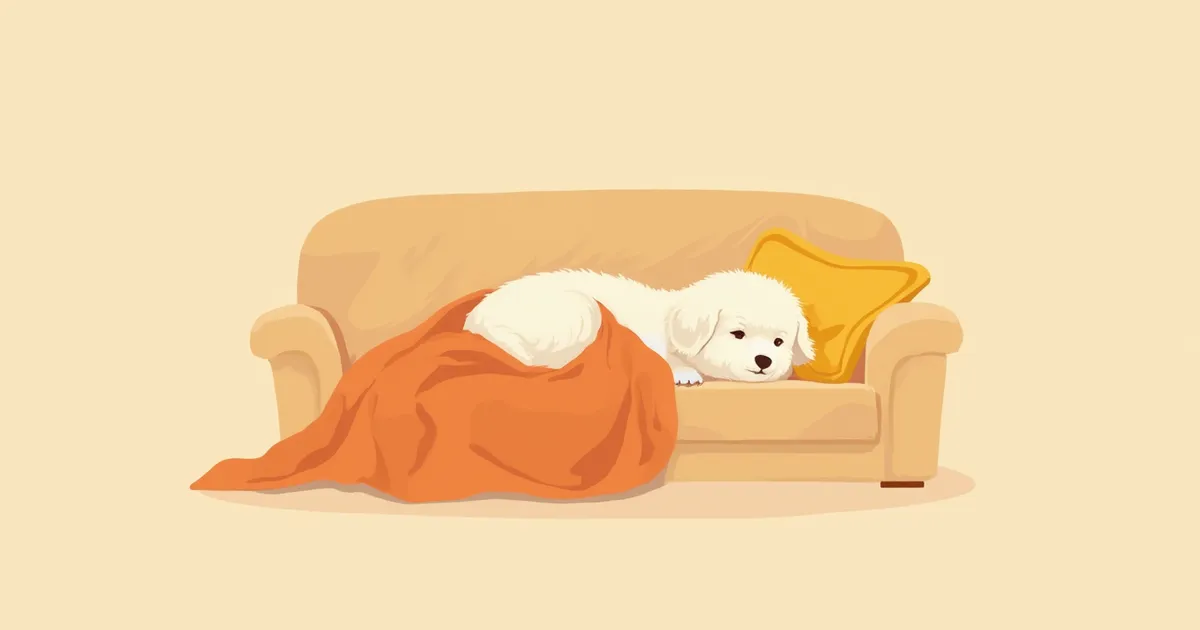
Environmental management: Avoid hot asphalt and lawns treated with herbicides, and keep your pet’s sleeping area clean.
An illustration of a dog resting comfortably on a clean bed.

Reviewed by a veterinarian

Dr. Tony — Punnawat Phongkittirak

Dr. Tony — Punnawat Phongkittirak

Veterinarian

A veterinarian who majored in veterinary medicine at Khon Kaen University, Thailand, and completed the IVSA program at North Carolina State University in the United States. Drawing on clinical experience at animal hospitals, he works in the pet healthcare field and is dedicated to building a digital care environment that connects pet parents with veterinarians.

Frequently Asked Questions

Can a dog's foot eczema be transmitted to humans?
General paw eczema (interdigital dermatitis) is not contagious to humans when caused primarily by bacteria or atopy. However, if the underlying cause is a dermatophyte (fungal) infection, it can rarely be transmitted to people, making accurate diagnosis and proper hygiene essential.
Can I apply human ointment to my pet’s foot eczema?
Never apply human ointments to your pet without veterinary guidance. In particular, improper use of steroid ointments can thin the skin or worsen infections. Always use medications specifically prescribed by a veterinarian for animals.
Can paw eczema heal on its own?
While mild cases may improve with environmental management alone, most will recur or worsen if the underlying cause isn’t addressed. It’s best to have a veterinarian identify the cause early on as soon as symptoms appear.
How often should I give my pet a foot bath?
The frequency of foot soaks depends on the underlying cause and severity of the infection, so it’s best to follow your veterinarian’s guidance. In cases of severe infection, more frequent soaks may be recommended, while the schedule can be adjusted as the condition improves—always in consultation with your vet. After each foot soak, it’s essential to thoroughly dry between the toes.
Does your dog’s foot licking always mean it has foot eczema?
Licking the paws can stem from various causes beyond pododermatitis, including stress, boredom, and joint pain. If the spaces between your pet’s toes appear red or swollen, a skin condition is likely, so please consult your veterinarian.

Share

Related Guides

References

[1] BSAVA Manual of Canine and Feline Dermatology, 4th Ed — Chapter 33: Diseases of the Footpads and Interdigital Skin

[2] Peter Hill, Pododermatitis, 100 Top Consultations in Small Animal General Practice, Chapter 25

[3] Nuttall T (2019) Chronic pododermatitis and interdigital furunculosis in dogs. Companion Animal 24, 194-200

This information is based on veterinary literature and does not replace diagnosis or treatment. Please consult a veterinarian for specific health concerns.

Metapet Co., Ltd. | CEO: Park Sung-yong | Business Reg. No. 417-88-02562 | Seoul, South Korea | Customer Center

Paw Eczema in Dogs: Causes & Treatment | Meongsiljang