Like
Share
멍실장
고양이 침 많이 흘릴 때: 원인과 응급 판단 기준

When Your Cat Is Drooling Excessively: Causes and Emergency Assessment Criteria

DigestiveSymptomsMeongsiljang Veterinary Advisory Board

We’ve organized the causes of drooling in cats into four categories: oral, toxic, gastrointestinal, and neurological, and we’ll share emergency signs that require immediate veterinary care along with tips for home management.

What Is Cat Drooling?

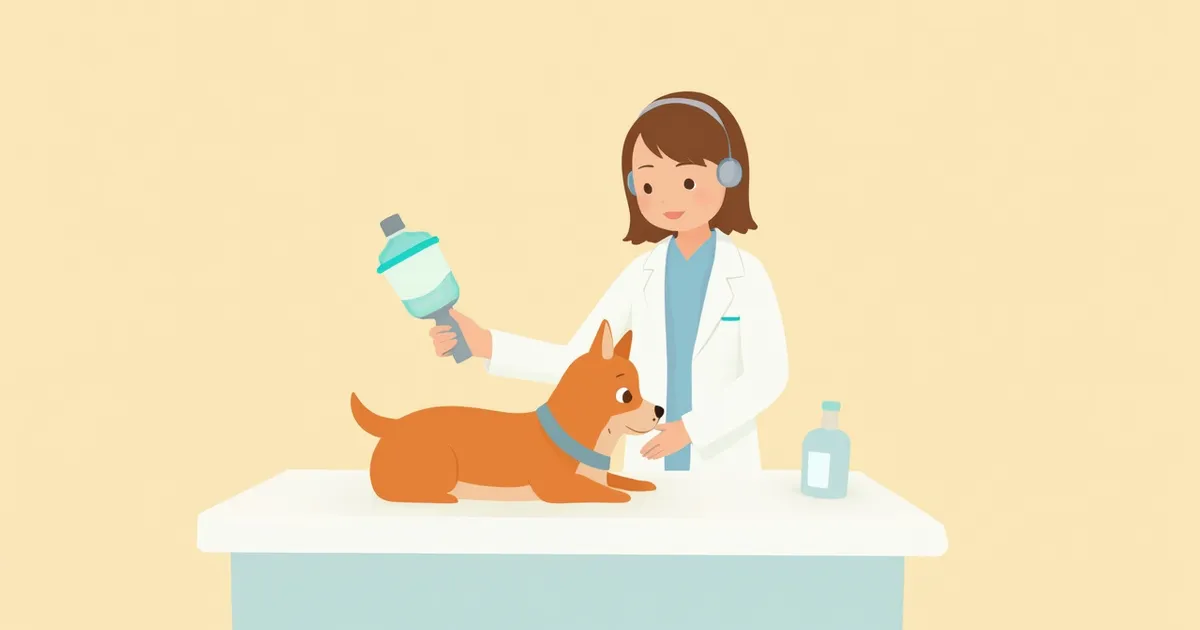
A worried pet owner gazing at their cat, whose mouth is frothing with saliva.
Feline hypersalivation, or ptyalism, refers to a condition where excessive drool escapes from the mouth or accumulates enough to wet the fur on the chin and chest. What truly matters is how long it lasts and what other symptoms accompany it. If the drooling persists beyond brief episodes of motion sickness or momentary stress, or if it occurs alongside bad breath, reduced appetite, or vomiting, it may signal an underlying issue such as oral disease, poisoning, or gastrointestinal problems rather than simple excitement. Since hypersalivation in cats can be a clinical sign of various systemic conditions, including oral diseases and hepatic encephalopathy, any unusual drooling warrants a thorough investigation to identify the root cause.

Assessing Urgency: How to Categorize

Cat drooling can be categorized into observation, same-day veterinary visit, or immediate emergency depending on the cause. Use the table below to quickly assess the urgency. If poisoning or difficulty breathing is suspected, visit a 24-hour emergency animal hospital even at night.

Cat Drooling Urgency Classification Table

ItemObservableSame-day visitImmediate emergency
SituationTemporary drooling right after a car rideBad breath and reduced appetite lasting 2–3 daysAccompanied by respiratory distress, seizures, or reduced consciousness
DurationResolves within a short time after removing the causeSeveral hours to a few daysImmediate
Additional symptomsNoneDislikes having mouth touched, weight lossVomiting, pupil abnormalities, collapse
ResponseCalm and observeSee a vet within 24–48 hoursTransport to a 24-hour hospital immediately

When symptoms are ambiguous, taking a video to share with your vet can help with assessment.

Checkpoints to Verify at Home
To narrow down the cause, you should observe the characteristics of the drool along with any accompanying symptoms.
Saliva color: Check whether it is clear, tinged with blood, or frothy.
Bad breath: A noticeably foul odor compared to usual may signal stomatitis or periodontal disease.
Eating behavior: Chewing on only one side or picking up food and spitting it out suggests possible oral pain.
Exposure history: Recall whether your pet has recently come into contact with lilies, houseplants, detergents, or human medications.
Vomiting or diarrhea: If these occur alongside excessive drooling, suspect gastrointestinal issues or poisoning.
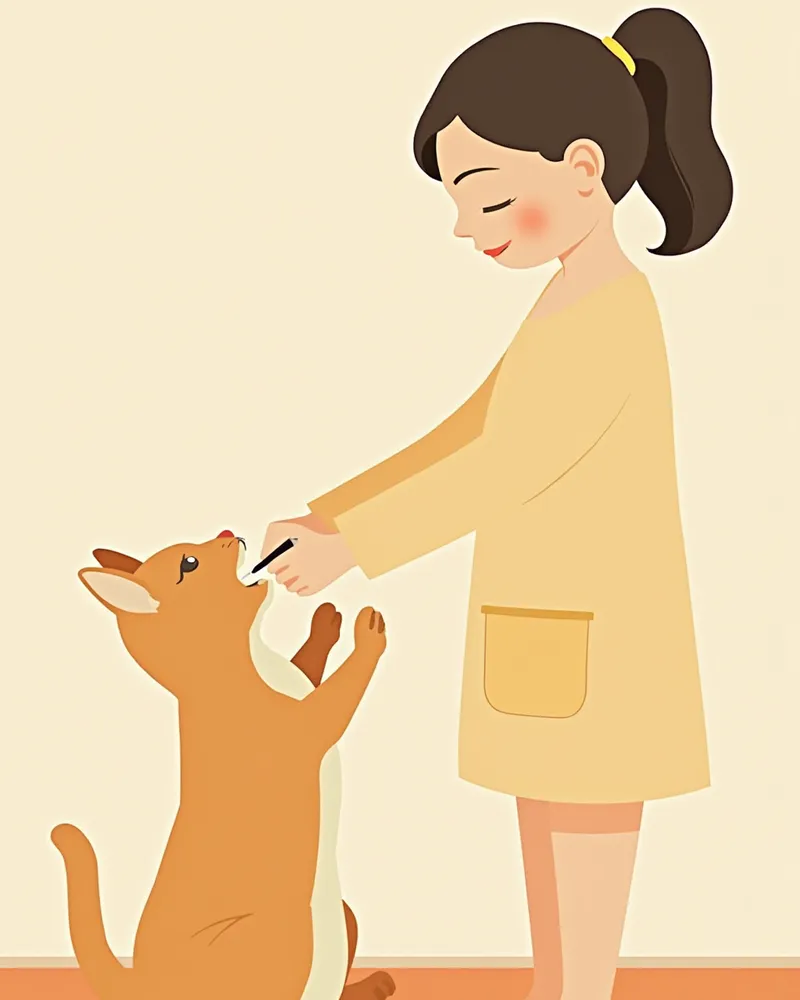
A caring owner gently examining their cat’s mouth

Go to the Vet Immediately! Emergency Signs

If you notice any of the following symptoms, take your pet to a 24-hour veterinary clinic immediately. Exposure to lilies, permethrin (a topical flea and tick medication for dogs), antifreeze, or human pain relievers such as acetaminophen can be fatal to cats. Signs of a potential poisoning emergency include foaming at the mouth, seizures, difficulty breathing, dilated pupils, and changes in tongue color. Bringing the packaging or any remaining residue of the ingested substance can greatly assist with antidote treatment.

Why Is Your Cat Drooling?

There are four main causes of excessive drooling in cats.
Oral diseases: Stomatitis, periodontitis, tooth resorption, and oral tumors are the most common causes.
Toxicity and foreign bodies: Lilies, permethrin, detergents, human medications, and foreign objects such as plant thorns or threads can irritate the salivary glands.
Gastrointestinal diseases: Conditions like esophagitis, megaesophagus, pancreatitis, and hairball obstruction can cause nausea, leading to drooling.
Neurological and metabolic disorders: Neurological diseases such as rabies and tetanus, as well as uremia resulting from liver disease or kidney failure, can also be underlying causes.

How Diagnosis Is Performed at the Clinic
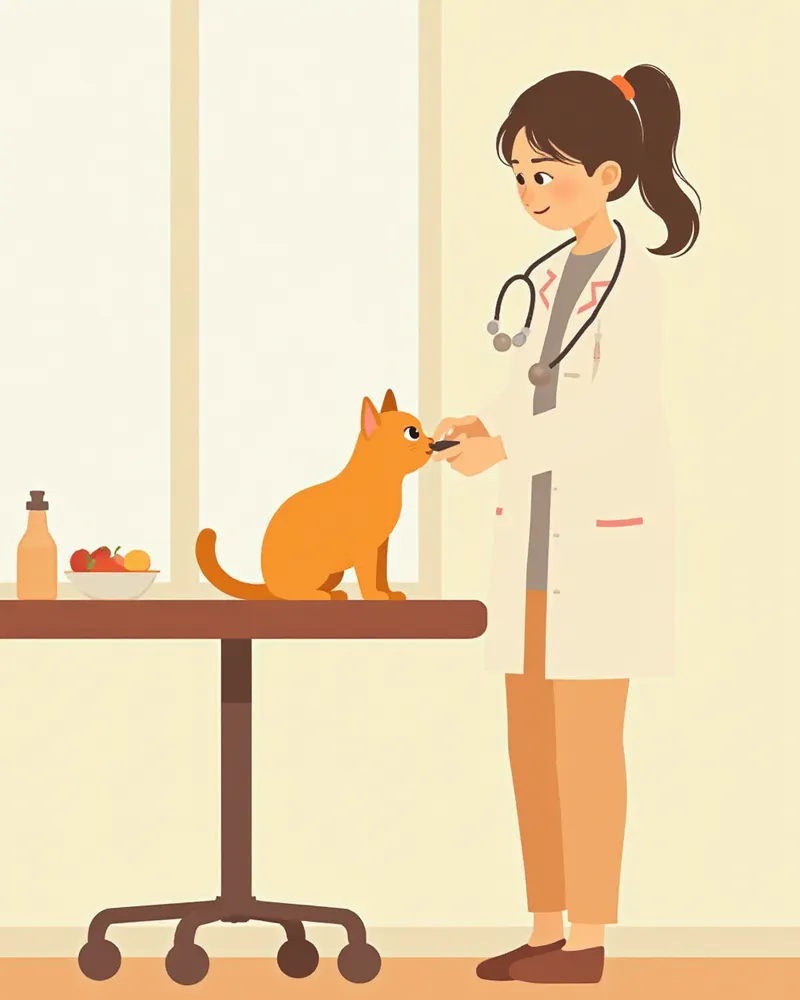
The veterinarian begins with an oral examination to check the teeth, gums, underside of the tongue, and pharynx for foreign bodies or ulcers. If necessary, dental X-rays are taken under sedation or anesthesia to identify root resorption lesions. If poisoning is suspected, blood tests are performed to assess liver and kidney function as well as electrolyte levels. When a gastrointestinal cause is suspected, an abdominal ultrasound and a pancreas-specific lipase test (fPLI) are conducted. If neurological symptoms are present, advanced imaging such as CT or MRI may also be performed.
A veterinarian examining a cat's mouth in the clinic.

Treatment Flow by Cause

Treatment depends on the underlying cause. For stomatitis and periodontal disease, the standard approach involves scaling, tooth extractions, and concurrent use of anti-inflammatory and immunomodulatory medications. If a foreign object is lodged, it is removed via endoscopy or surgery. Poisoning requires immediate intervention with intravenous fluids, activated charcoal, and antidotes. Pancreatitis necessitates hospitalization for fluid therapy, pain management, and nutritional support. Never induce vomiting or administer human medications on your own, as this is strictly prohibited. Your veterinarian will determine the appropriate medications and dosages based on your pet’s weight and condition.

Cat-Specific Precautions

Unlike dogs, cats can react very sensitively to acetaminophen (Tylenol), ibuprofen, and permethrin-based external parasite treatments. Exposure to these substances can lead to serious systemic adverse effects, so you should never use human medications or dog products on cats without veterinary guidance. Additionally, lilies can cause acute kidney failure even with minimal exposure, so it’s safest to keep them out of your home. Always verify that any new medication or plant is safe for cats before introducing it into your household.

How to Prevent and Manage at Home
With proper daily care, you can prevent many of the causes of excessive drooling.
Regular dental checkups: Have your pet’s mouth examined at least once a year, and schedule professional cleaning if needed.
Keep toxic substances out of reach: Avoid keeping poisonous plants such as lilies, tulips, and poinsettias in your home.
Store human medications safely: Keep pill bottles and bags out of your cat’s reach.
Hairball management: Reduce hairballs and nausea through regular brushing and hairball-control diet.
Stress management: Minimize drooling during environmental changes or travel by using pheromone products and training your pet to get comfortable with their carrier.
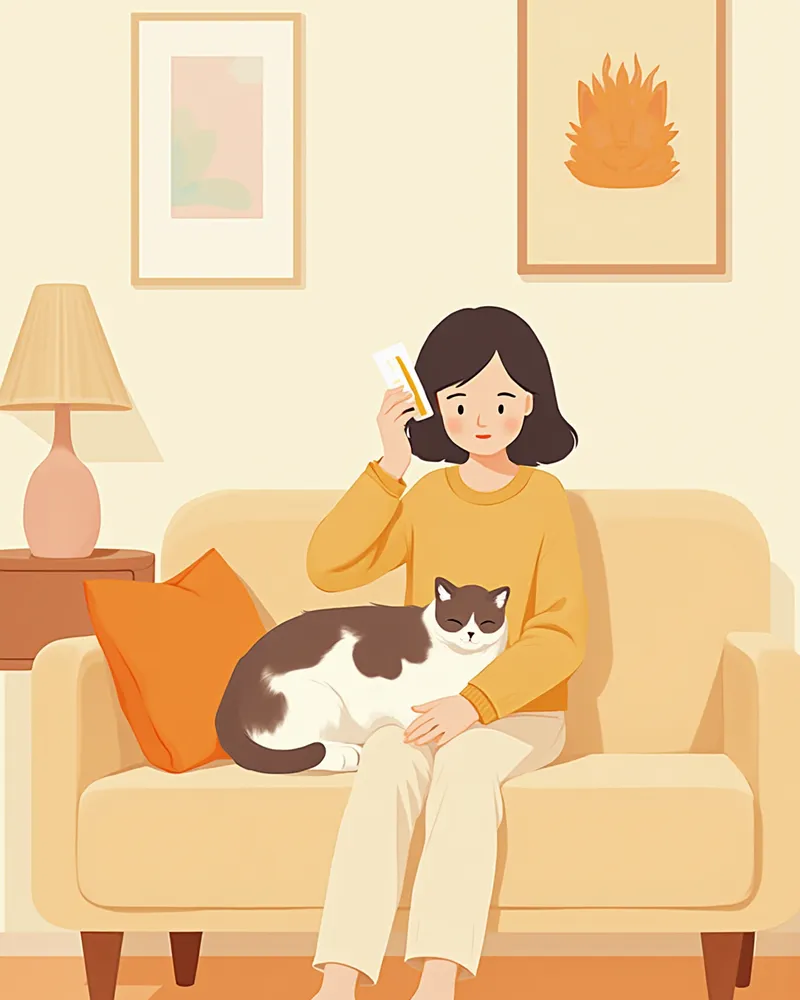
A caregiver gently brushing their cat at home

Reviewed by a veterinarian

Dr. Tony — Punnawat Phongkittirak

Dr. Tony — Punnawat Phongkittirak

Veterinarian

A veterinarian who majored in veterinary medicine at Khon Kaen University, Thailand, and completed the IVSA program at North Carolina State University in the United States. Drawing on clinical experience at animal hospitals, he works in the pet healthcare field and is dedicated to building a digital care environment that connects pet parents with veterinarians.

Frequently Asked Questions

My cat drools whenever it rides in the car. Could this be a sign of illness?
It’s likely temporary drooling caused by travel stress and motion sickness. If it stops shortly after the trip and there are no other symptoms, it’s usually not a major concern. However, if it keeps happening, consult your veterinarian about using motion sickness medication or calming pheromones.
My dog is foaming at the mouth. Is this dangerous?
Foamy drooling can occur temporarily after giving bitter-tasting medicine or during periods of stress. However, if these symptoms are accompanied by seizures, difficulty breathing, or abnormal pupil dilation, it may indicate a poisoning emergency, and you should take your pet to the hospital immediately.
My pet has bad breath and is drooling. Could this be a sign of a disease?
It’s likely that your cat has stomatitis or resorptive tooth lesions. These are painful conditions, and if left untreated, they can lead to a decreased appetite and weight loss. It’s best to have your cat see a veterinarian as soon as possible for a dental checkup.
The saliva is tinged with blood.
Bleeding from the mouth can be caused by injuries to the gums, tongue, or oral mucosa, tumors, or foreign objects. If you notice blood in your pet's saliva, it's not something to just monitor at home—please visit the vet right away.
Do kittens drool too?
It’s normal for puppies to drool a bit while their baby teeth are coming in and falling out. However, viral infections like calicivirus or herpesvirus can also cause mouth ulcers and drooling, so if you notice runny nose or eye inflammation along with the drooling, it’s time to see a vet.

Share

Related Guides

References

[1] Little SE, ed. The Cat: Clinical Medicine and Management, 2nd Edition. Elsevier, 2020 — Chapter on Oral Cavity and Salivary Glands

[2] Ettinger SJ, Feldman EC. Textbook of Veterinary Internal Medicine, 8th Edition. Elsevier, 2017 — Ptyalism in Cats

[3] Xenoulis PG, Steiner JM. Current concepts in feline pancreatitis. Topics Comp Animal Med. 2008;23:185–192.

This information is based on veterinary literature and does not replace diagnosis or treatment. Please consult a veterinarian for specific health concerns.

Metapet Co., Ltd. | CEO: Park Sung-yong | Business Reg. No. 417-88-02562 | Seoul, South Korea | Customer Center

Causes and Solutions for Excessive Drooling in Cats | Meongsiljang