Like
Share
멍실장
강아지 탈모·털 빠짐 — 원인별 의심 질환과 진단 가이드

Dog Hair Loss: Suspected Conditions by Cause and Diagnostic Guide

Skin & CoatSymptomsMeongsiljang Veterinary Advisory Board

Dog hair loss can have a wide variety of causes. The pattern of hair loss can vary, appearing in a single area, multiple areas, or all over the body. Depending on the pattern, the suspected conditions and diagnostic methods differ.

What Is Dog Hair Loss? The Pattern Is the First Clue in Diagnosis
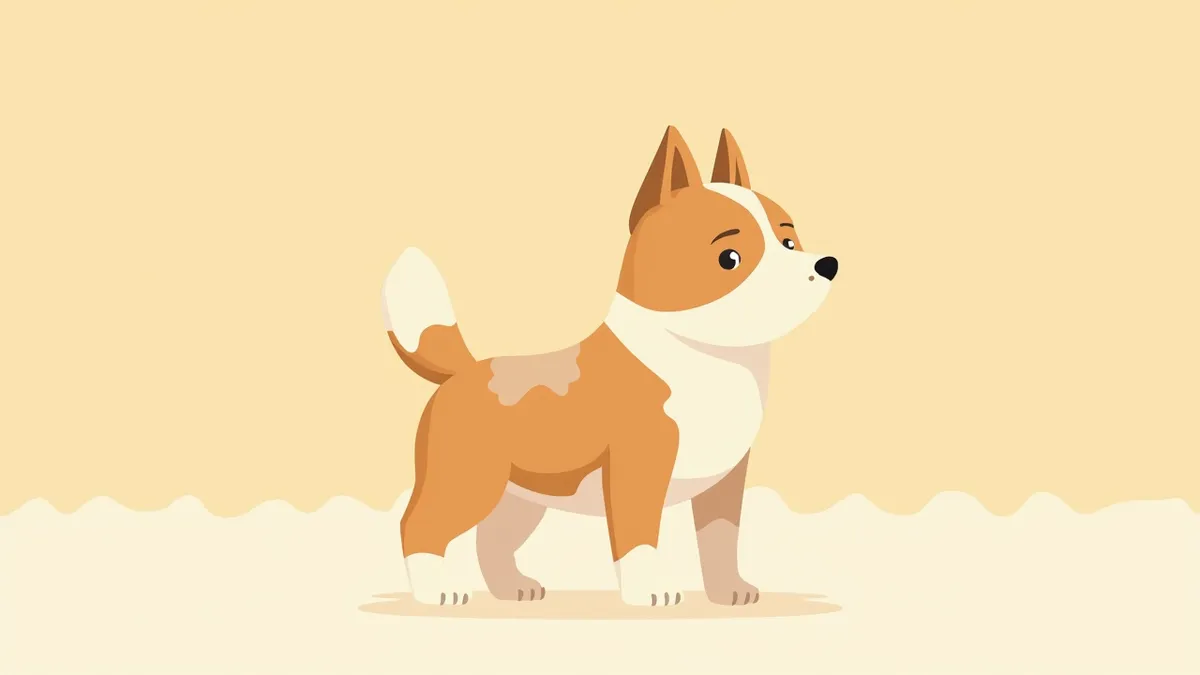
A dog with patchy hair loss on its side
Dog hair loss is a skin condition where fur falls out due to various causes such as follicle damage, hormonal imbalances, parasites, or fungal infections, leaving the skin partially or fully exposed. The first clue in diagnosis is the pattern. Whether the hair loss appears as a single round patch, is scattered across multiple areas, or occurs symmetrically on both sides can completely change the suspected condition. Considering whether itching is also present can help narrow down the cause.

Summary Table of Suspected Conditions by Hair Loss Pattern

The pattern of hair loss can help narrow down the possible underlying conditions. Use the table below to get a general overview.

Comparison of Suspected Conditions by Pattern

ItemSingle site (one round spot)Multiple (several sites)Bilaterally symmetric (whole body·flanks)
Main suspected conditionsDemodicosis, dermatophytosis (fungus), injection·drug marksBacterial (staphylococcal) folliculitis, demodicosis, dermatophytosis (fungus)Hypothyroidism, Cushing's syndrome, follicular dysplasia
Accompanying itchinessUsually mildUsually mild to moderate (can become strong if there is secondary infection)Usually mild (generally not itchy)
First-line testsSkin cytology·scraping test, Wood's lamp, fungal cultureDeep scraping test, cytology·bacterial test, fungal testBlood test, thyroid·adrenal hormone test
Onset speedDays to weeksWeeksSlowly over several months

The pattern is only the first clue for narrowing down the cause; a definitive diagnosis always requires examination at a hospital.

Owner Checklist: Information to Share with Your Veterinarian

To help your veterinarian quickly narrow down the cause, the information you’ve observed is crucial. Please prepare the following details in advance: - Onset: Where the hair loss first appeared and when it started - Progression: Whether it spread over a few days or developed slowly over several months - Itchiness: How often your pet scratches or licks, and whether it’s severe enough to disrupt sleep - Accompanying signs: Dandruff, oozing, dark pigmentation, or changes in weight - If you have multiple cats or dogs: Whether any other pets are showing similar symptoms
The owner parts the dog’s fur to examine the area of hair loss.

When to Seek Prompt Veterinary Care

If any of the following apply, the hair loss is likely not simple shedding, and prompt veterinary examination is needed. - When there is discharge, pus, or a foul odor in the affected area - When the hair loss spreads rapidly over a few days - When a family member develops circular rashes (suspected dermatophytosis) - When water intake and urine output increase simultaneously (suspected adrenal or hormonal disorders such as Cushing’s syndrome) - When a puppy under one year of age experiences widespread hair loss (possible generalized demodicosis)

Cause 1 — Parasitic and Infectious Hair Loss
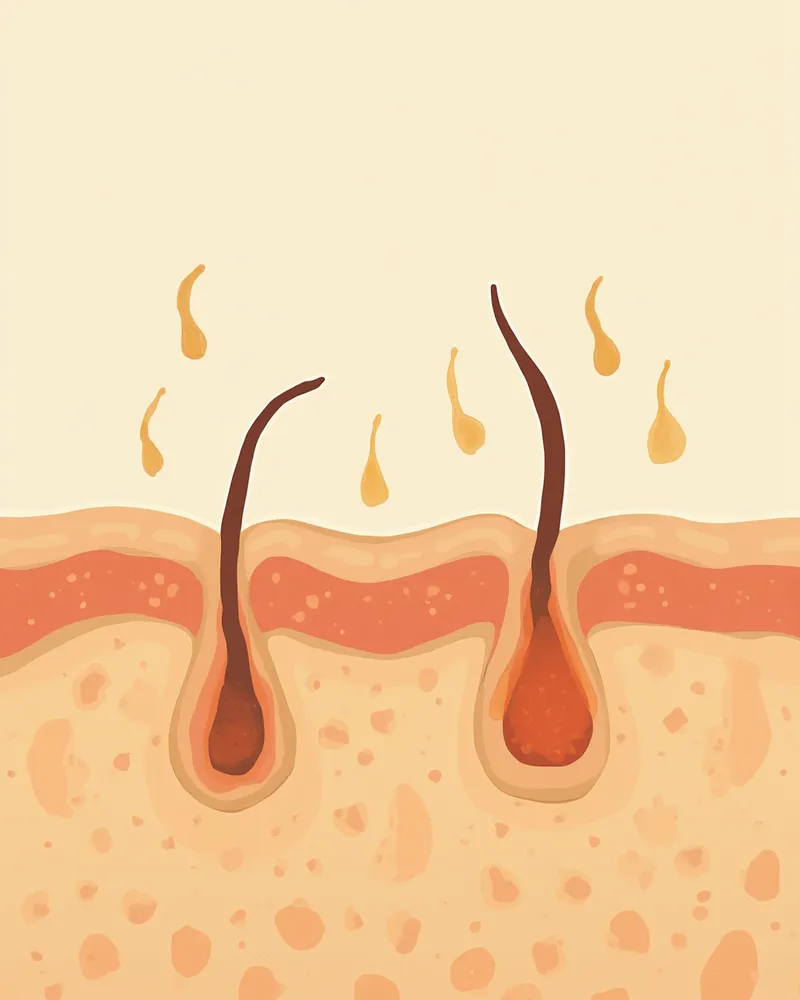
Demodicosis: Caused by mites that infest hair follicles, this is the leading cause of localized hair loss in puppies and can progress to a generalized form in adult dogs with compromised immune systems.
Dermatophytosis (Ringworm): Characterized by circular, well-defined patches of hair loss and mild itching. This condition is zoonotic, meaning it can be transmitted to humans.
Bacterial Folliculitis: Presents as small pustules at the hair follicle openings with sparse hair loss. It frequently occurs alongside atopic dermatitis or allergies in dogs.
Illustration comparing a healthy hair follicle with an inflamed one

Cause 2 — Hormonal and Endocrine Hair Loss

Symmetrical hair loss on both sides of the body, without itching and progressing slowly, is often a sign of a hormonal disorder. - Hypothyroidism: Symmetrical hair loss on the sides and tail (rat-tail appearance), accompanied by lethargy and weight gain. - Cushing’s disease (hyperadrenocorticism): A pot-bellied appearance, increased water intake and urination, and frequent panting. - Sex hormone-related hair loss: Can occur as symmetrical hair loss on the perineum and sides in intact adult dogs. Hormonal disorders are diagnosed through blood tests and hormone stimulation tests.

Cause 3 — Allergic and Self-Trauma Hair Loss
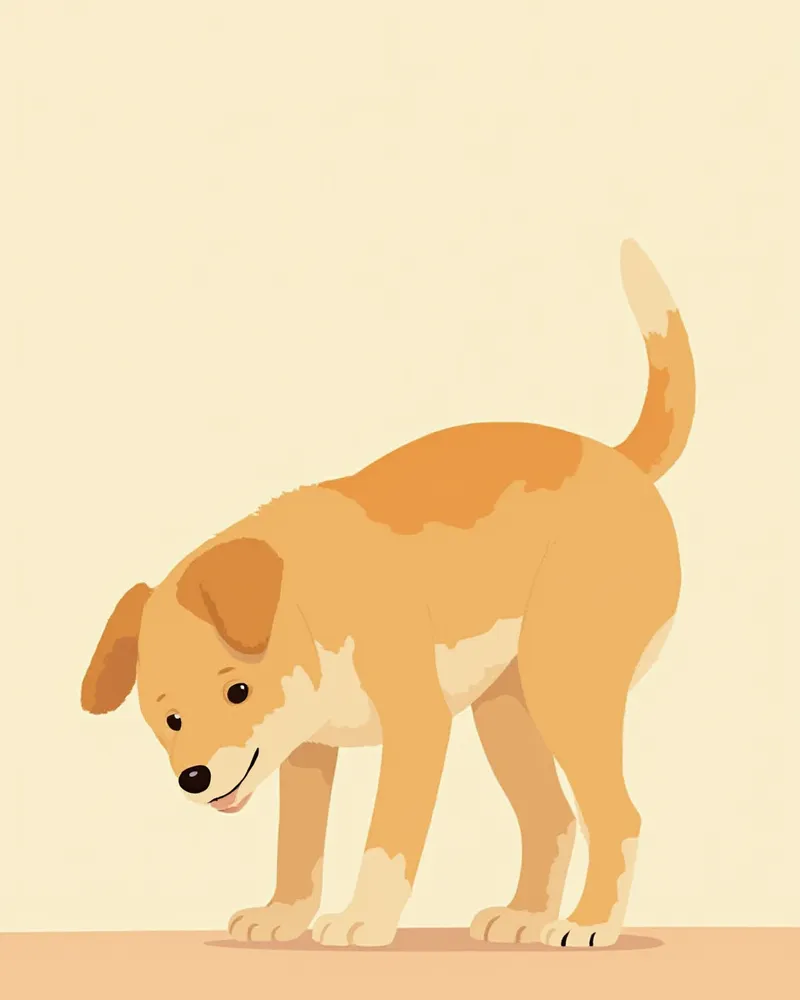
Hair loss accompanied by intense itching is usually caused by the dog scratching and licking itself, which pulls the hair out. This differs from other causes because the hair follicles aren’t dead; the hair is lost due to trauma. - Atopic dermatitis: Chronic itching of the paws, ears, armpits, and groin - Food allergy: Itching that persists year-round, regardless of the season - Flea allergy dermatitis: Focused hair loss and itching on the lower back and tail area Alongside tests to identify the specific allergen, it’s essential to simultaneously treat the itching itself to provide quick relief.
A dog scratching its side

Hair Loss to Watch for in Specific Breeds

Certain breeds are genetically predisposed to hair loss. If you own one of these breeds, please check your pet’s coat more frequently. - Dachshund, Chihuahua: Pattern baldness (gradual, symmetrical hair loss on the ears, chest, and abdomen) - Pomeranian, Siberian Husky: Follicular dysplasia, alopecia X (including color change alopecia) - Bulldog, Pug: Bacterial infection-induced hair loss in skin fold areas - German Shepherd, Golden Retriever: High incidence of hypothyroidism

Diagnostic Process at the Clinic: What Tests Will Be Performed?
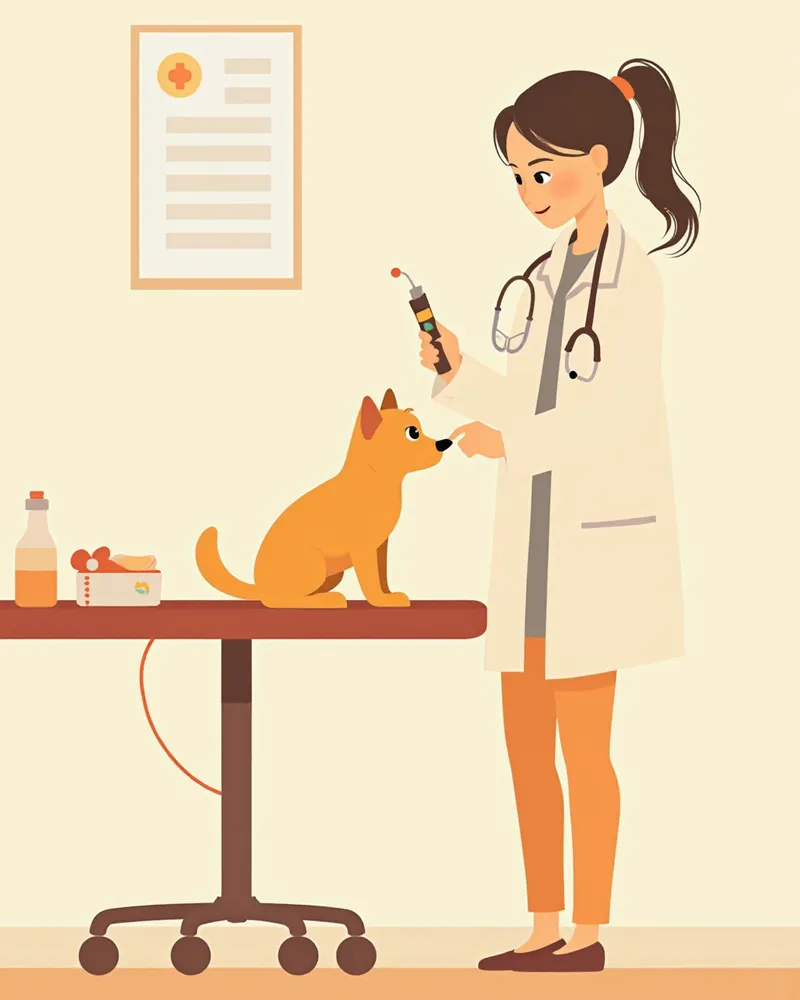
Veterinarians typically follow this sequence of examinations. In many cases, the cause can be identified with just the initial tests. 1. Visual examination and history taking: Assessing the pattern of hair loss, when it started, and the degree of itching. 2. Skin scraping test: Checking for mites. 3. Tape and smear tests: Checking for bacteria and yeast (Malassezia). 4. Wood's lamp examination and fungal culture: Checking for dermatophytes. 5. Blood and hormone tests: Conducted if thyroid or adrenal issues are suspected. 6. Skin biopsy: This is the final step if the cause remains unclear after the above tests.
A veterinarian examining a dog's skin in the clinic.

Reviewed by a veterinarian

Dr. Tony — Punnawat Phongkittirak

Dr. Tony — Punnawat Phongkittirak

Veterinarian

A veterinarian who majored in veterinary medicine at Khon Kaen University, Thailand, and completed the IVSA program at North Carolina State University in the United States. Drawing on clinical experience at animal hospitals, he works in the pet healthcare field and is dedicated to building a digital care environment that connects pet parents with veterinarians.

Frequently Asked Questions

How can I tell the difference between seasonal shedding and hair loss?
Normal shedding occurs evenly across the body without exposing the skin. In contrast, hair loss is characterized by noticeable bald patches in specific areas or symmetrical thinning on both sides. If you start seeing exposed skin, it’s best to have your pet examined for hair loss rather than assuming it’s just seasonal shedding.
There’s a single circular patch of hair loss—could it be a fungal infection?
Localized hair loss is most commonly caused by demodicosis (mite infestation) or dermatophytosis (fungal infection). Since it is difficult for pet owners to distinguish between these two conditions visually, a definitive diagnosis requires tests such as Wood’s lamp examination, skin scraping, and fungal culture. Prompt diagnosis is crucial because fungal infections can be transmitted to humans.
The hair is falling out symmetrically on both sides, but it doesn’t seem to be itchy. Is this something to worry about?
This pattern actually warrants closer attention. Symmetrical hair loss on both sides of the body, without itching, can be a sign of hormonal disorders such as hypothyroidism or Cushing’s syndrome. Blood tests and hormone tests are necessary.
Can I apply supplements or ointments to the bald spots first?
We do not recommend self-treatment before a proper diagnosis. Demodex mites and fungal infections do not improve with nutritional supplements, and the unauthorized use of steroid ointments can worsen demodicosis. After diagnosis, treatment involves a combination of topical medications, oral drugs, a
Will hair grow back in an area that has experienced hair loss?
Most cases recover fully with prompt identification and treatment of the underlying cause. However, permanent hair loss may occur if the hair follicles are scarred due to severe burns or recurrent infections, or in genetic conditions such as follicular dysplasia. Early diagnosis is key to maximizing the chances of recovery.

Share

Related Guides

References

[1] Hill P, '100 Top Consultations in Small Animal General Practice' Ch.33 The dog that is losing hair

[2] BSAVA Manual of Canine and Feline Dermatology, 4th Edition — Symmetrical Alopecia in Dogs

[3] The Veterinary Workbook of Small Animal Clinical Cases, Case 48 — Alopecia differential

This information is based on veterinary literature and does not replace diagnosis or treatment. Please consult a veterinarian for specific health concerns.

Metapet Co., Ltd. | CEO: Park Sung-yong | Business Reg. No. 417-88-02562 | Seoul, South Korea | Customer Center

Dog Hair Loss: Suspected Causes & Diagnostic Guide | Meongsiljang