

Sudden Excessive Hair Loss in Cats: Causes and Management Guide
Sudden, excessive hair loss in cats can signal a variety of underlying causes, including parasites, allergies, and stress. We’ve outlined the criteria for assessing urgency and key checkpoints you can use to monitor your cat at home.
What Are the Symptoms of Sudden Hair Loss in Cats?
Criteria for Assessing Urgency by Level
Urgency Level Chart
| Item | Mild (monitor) | Moderate (visit within 1 week) | Emergency (immediate visit) |
|---|---|---|---|
| Extent of hair loss | Small amount, seasonal-shedding level | 1–3 coin-sized bald patches | Rapid hair loss in multiple areas |
| Skin condition | Normal, no redness | Some redness, dandruff, or scabs | Erosion, bleeding, foul odor |
| Itchiness | Almost none | Frequent scratching and licking | Self-harming level of grooming |
| Systemic symptoms | None | Slightly reduced appetite and energy | Fever, weight loss, lethargy |
Checklist to Verify at Home
Go to the Vet Immediately If You See These Signs
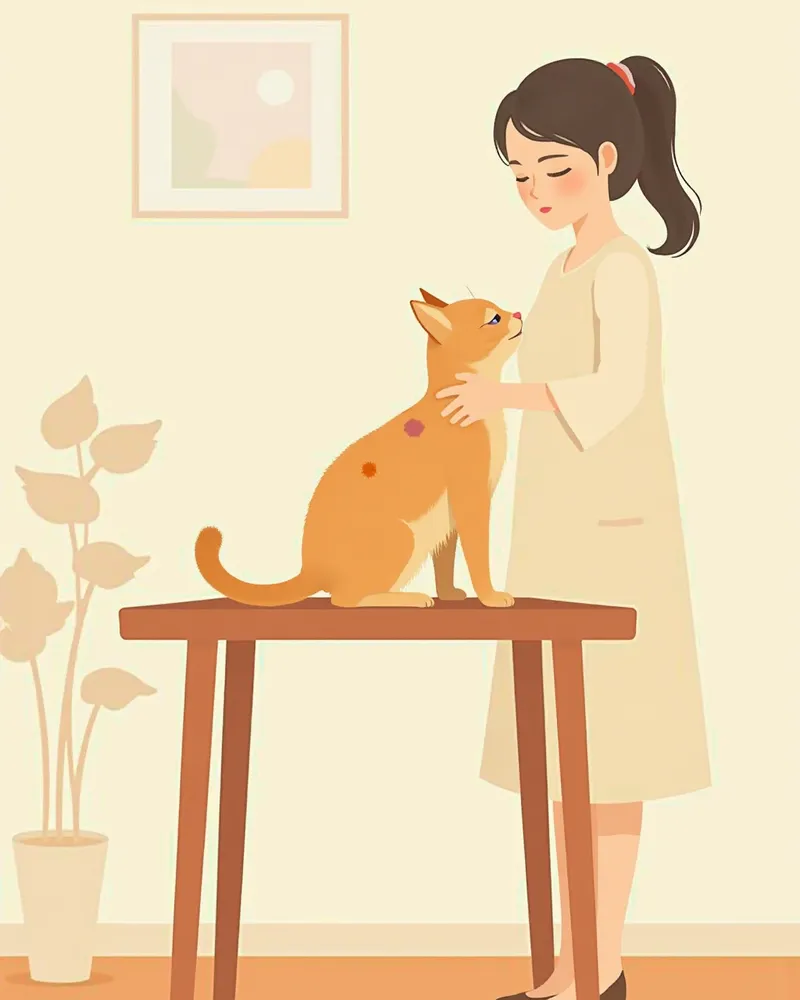
Visit a veterinary clinic immediately if you notice any of the following symptoms, as they may indicate a systemic illness rather than a localized skin condition. • Large skin wounds with pus, bleeding, or a foul odor • A bald patch the size of a palm appearing within a single day • Fever, loss of appetite, and weight loss occurring simultaneously • Severe head shaking accompanied by hair loss around the ears and eyes • Circular bald patches or red spots appearing on other cats or people living in the same household (suspected fungal infection)
Main Causes of Sudden Hair Loss
Underlying Systemic Diseases May Be the Cause
How Is Diagnosis and Treatment Conducted?
Caution for Multi-Cat Households, Pregnant Individuals, and Immunocompromised Persons
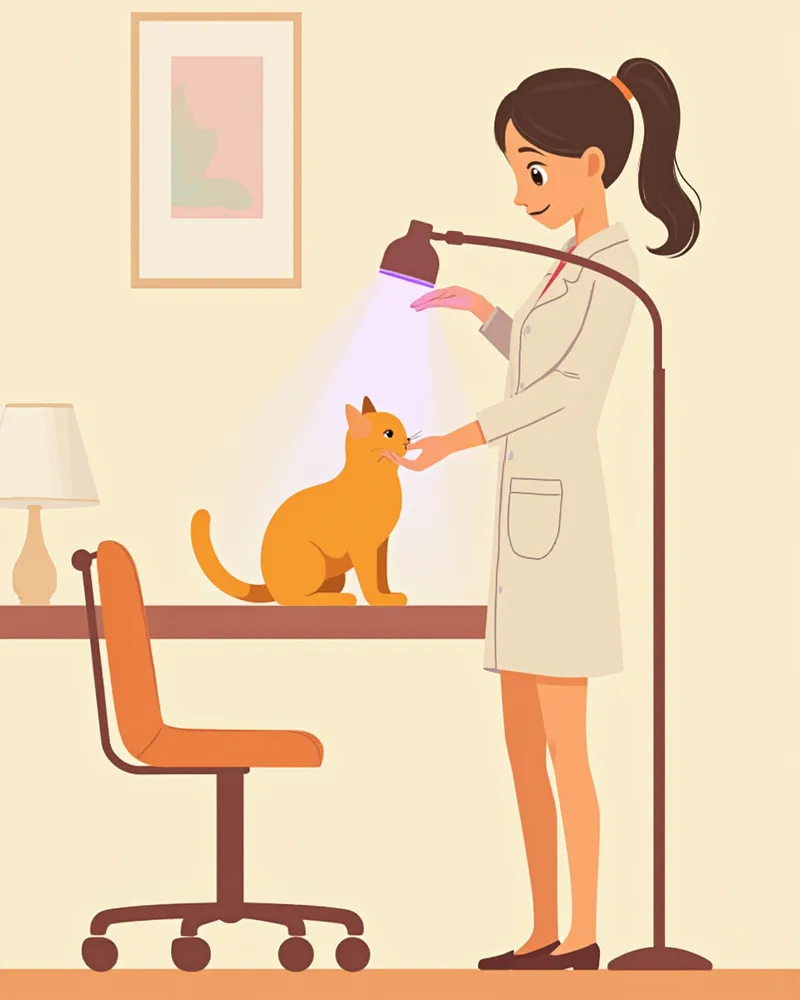
Dermatophytosis is a zoonotic disease that can be transmitted to humans. Spores from infected cats can adhere to their fur and skin scales, and these spores can remain infectious in the environment for an extended period, making thorough environmental disinfection essential. • Isolate suspected infected cats in a single room and wear gloves when handling them. • Wash blankets, cushions, and combs in hot water or replace them. • Households with pregnant women, children, or immunocompromised individuals should take extra precautions. If a circular rash appears on a person, consult a dermatologist. • Applying human antifungal creams to cats without veterinary guidance is dangerous.
Home Care Tips
Reviewed by a veterinarian

Dr. Tony — Punnawat Phongkittirak
VeterinarianA veterinarian who majored in veterinary medicine at Khon Kaen University, Thailand, and completed the IVSA program at North Carolina State University in the United States. Drawing on clinical experience at animal hospitals, he works in the pet healthcare field and is dedicated to building a digital care environment that connects pet parents with veterinarians.
Reviewed 2026-04-19
Frequently Asked Questions
How can you tell the difference between normal shedding and abnormal hair loss in cats?
Can stress cause hair loss?
Are there any causes of hair loss that can be transmitted to humans?
Will giving only nutritional supplements help improve the condition?
How long does it take for the fur to grow back?
Share
Related Guides

Top 5 Medicated Dog Shampoos — For Pyoderma and Bacterial Infections

Veterinarian-Recommended Top 5 Medicated Shampoos for Canine Yeast Dermatitis — Relieves Itching and Greasiness

Top 5 Medicated Cat Shampoos Recommended by Veterinarians — Fungal Dermatitis and Fungal Care

Emergency Response and Recovery for Dog Fractures

Causes and Management of Itching in Dogs
Causes and Management of Canine Anemia – From Symptoms of Regenerative and Non-regenerative Anemia to Treatment
Early Signs and Management of Feline Chronic Kidney Disease

Causes of Cat Sneezing and How to Respond

Causes and Management of Excessive Eye Discharge and Tearing in Dogs
How to Distinguish the Causes of a Dog’s Cough and Related Diseases
References
[1] Peter Hill, '100 Top Consultations in Small Animal General Practice' Ch.33 The dog/cat that is losing hair
[2] BSAVA Manual of Canine and Feline Dermatology, 4th Edition
[3] Feline Emergency and Critical Care Medicine, 2nd Edition
[4] The Cat, Clinical Medicine and Management, 2nd Edition