Like
Share
멍실장
강아지 체중감소 원인과 단계별 대처법, 병원 가야 할 신호 총정리

Causes of Weight Loss in Dogs, Step-by-Step Management, and Signs You Need to Visit the Vet: A Complete Guide

DigestiveSymptomsMeongsiljang Veterinary Advisory Board

If your dog is eating well but still losing weight, it could be a sign of digestive issues, kidney problems, tumors, or other underlying conditions. A weight loss of more than 5% within two weeks is a red flag that requires an immediate vet visit.

How Rapid Is Weight Loss in Dogs Before It Becomes Dangerous?
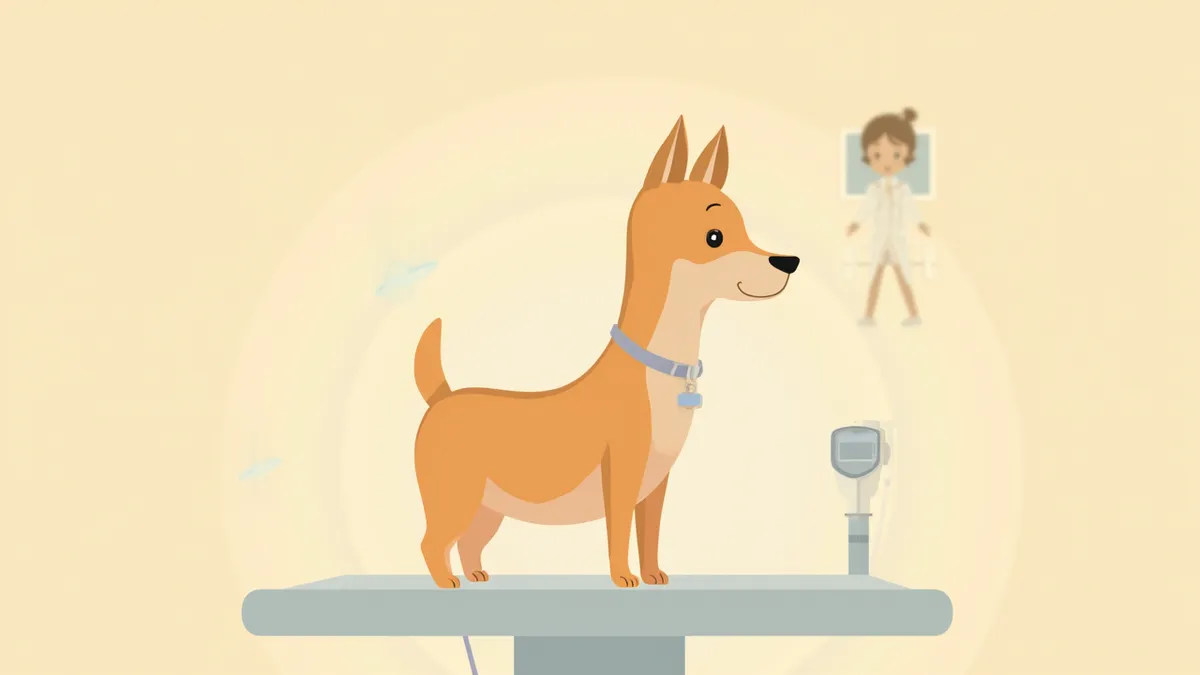
A thin puppy standing on the scale at the veterinary clinic
Weight loss in dogs refers to an abnormal decrease in body weight that occurs without dietary restriction. Dogs lose weight when their energy expenditure or loss exceeds their intake and absorption, which can be a sign of various underlying conditions such as gastrointestinal, kidney, or tumor-related diseases. In veterinary medicine, a loss of 10% or more of body weight is considered clinically significant. Therefore, the key factors are how quickly and how much weight is being lost. If your dog loses weight rapidly over a short period, or if they continue to eat normally but still lose weight, you should visit the vet without delay. This is especially urgent if the weight loss is sudden and severe, or if it is accompanied by vomiting, diarrhea, or lethargy.

Urgency Assessment Chart by Stage of Weight Loss

ItemMildCautionEmergency
Weight Loss (over 2 weeks)2–4%5–9%10% or more
For a 10kg Dog200–400g loss500–900g loss1kg or more loss
Recommended ResponseObserve for 3–5 days, then re-measureVisit animal clinic within 1–2 daysImmediate emergency animal clinic

If accompanying symptoms (vomiting, diarrhea, lethargy) are present, go to the clinic immediately regardless of the amount of weight loss.

Checklist for Accompanying Symptoms
If weight loss is the only symptom, pinpointing the cause can be challenging. Please check for the accompanying symptoms below and share them with your veterinarian during the visit.
Decreased appetite: Your pet shows little interest in food or leaves more behind than usual.
Vomiting or diarrhea: These often accompany digestive or pancreatic issues.
Lethargy and low energy: Your pet dislikes walks or sleeps more than usual.
Increased water intake: A sudden increase in drinking can signal kidney disease or diabetes.
Abdominal distension: A swollen belly may indicate ascites or intestinal obstruction.
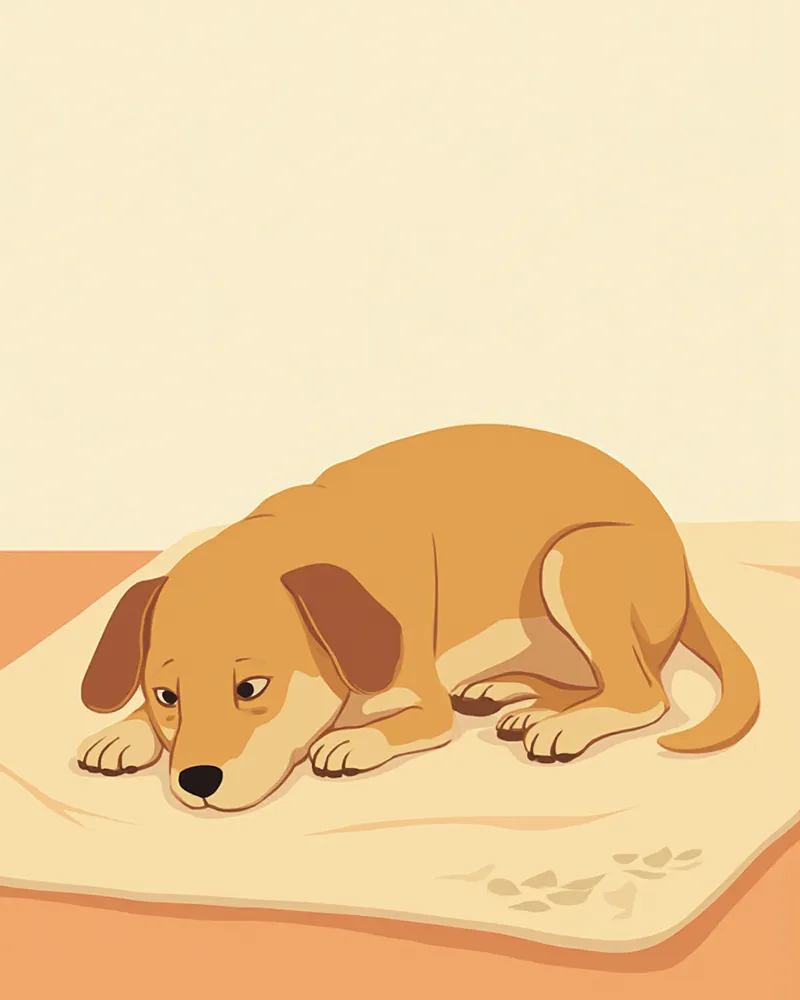
A lethargic, underweight puppy lying down listlessly

Signs You Need to Go to an Emergency Veterinary Clinic Immediately

If any of the following apply, you should take your pet to an emergency veterinary clinic immediately: • Not eating anything and showing lethargy for more than 24 hours • Repeated vomiting or bloody stool/vomit • A distended, firm abdomen • Inability to stand or altered consciousness • Seizures occurring in a visibly emaciated state

Gastrointestinal Causes — The Most Common Group
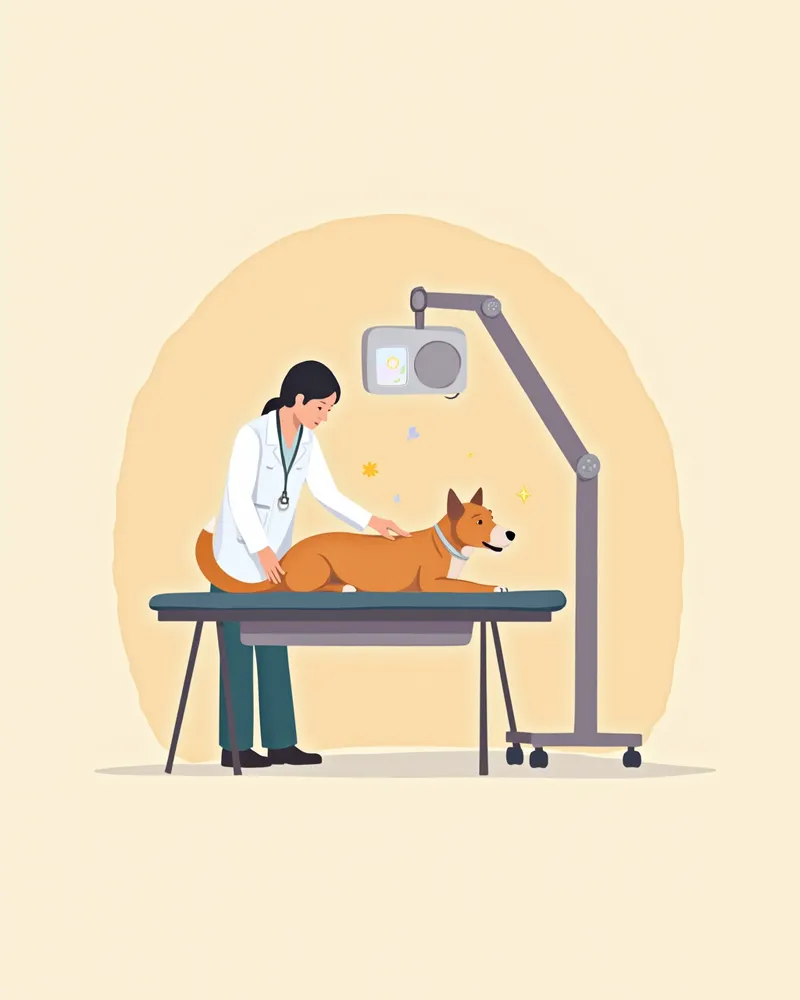
The most common cause of weight loss in dogs is gastrointestinal dysfunction.
Inflammatory Bowel Disease (IBD): Chronic inflammation of the intestinal lining impairs nutrient absorption, often accompanied by chronic vomiting and diarrhea.
Exocrine Pancreatic Insufficiency (EPI): A deficiency in digestive enzymes prevents the absorption of fats and proteins, so the dog fails to gain weight despite eating.
Intestinal Parasites: Dogs that haven’t been dewormed lose nutrients to parasites.
Gastrointestinal Tumors: These typically begin with a decreased appetite, followed by rapid weight loss.
A dog undergoing an abdominal ultrasound examination

Systemic Disease Causes — Why Weight Loss Occurs Despite Eating

Systemic diseases outside the digestive tract can also cause weight loss.
Kidney disease: Uremia leads to a decreased appetite and muscle wasting. Changes in water intake and urine output may also occur.
Diabetes: A lack of insulin prevents the body from using glucose for energy, resulting in weight loss, excessive thirst, and frequent urination.
Thyroid disease: In dogs, hypothyroidism (underactive thyroid) is common, and it is characterized by weight gain even without an increase in food intake. Therefore, weight loss due to hyperthyroidism (overactive thyroid) is rare in dogs, so other causes should be investigated first when weight loss occurs.
Cancer cachexia: This is a state of muscle wasting caused by metabolic disruption, characterized by poor recovery even when food intake is increased. However, in dogs, weight loss is less common and less severe than in humans, so it should be evaluated alongside other potential causes.

Diagnostic Process and Treatment Direction at the Veterinary Hospital

At the hospital, we identify the underlying cause through blood tests (complete blood count and biochemistry), urinalysis, and abdominal ultrasound. If needed, endoscopy and biopsy may be added. Treatment varies depending on the cause: Gastrointestinal disease → Prescription diet, digestive enzyme supplementation, immunosuppressants Parasites → Deworming medication Kidney disease → Low-protein prescription diet, fluid therapy Diabetes → Insulin injections, dietary management Tumors → Surgery, chemotherapy Administering supplements without knowing the underlying cause is ineffective.

Senior and Small-Breed Dogs Are More Sensitive to Weight Changes

Senior dogs aged 10 and older may experience sarcopenia, the natural loss of muscle mass. However, sudden weight loss can be a sign of illness, so we recommend recording your dog’s weight every three months. Small breeds are particularly sensitive to weight changes because even a small absolute loss represents a large percentage of their body weight. For example, if a 3 kg dog loses just 150 g, that’s a 5% decrease. Always assess weight changes in terms of percentage (%) rather than absolute numbers.

Home Weight Monitoring and Management Methods
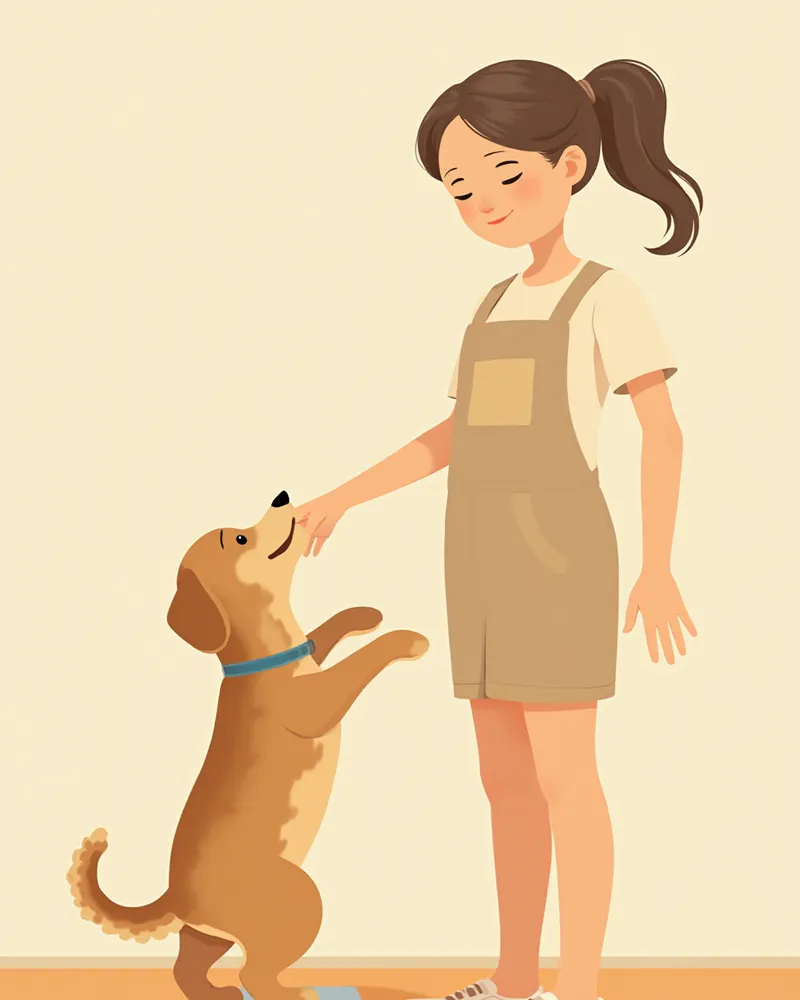
Regular weight tracking: Weigh your pet at home once a month and record the date along with the weight to catch changes early.
Measured food portions: Use a scale instead of a cup to measure food accurately, making it easier to identify the cause of weight changes.
Water intake check: Normal water consumption is 50–70 ml per kg of body weight per day. A sudden increase may be a warning sign.
Body Condition Score (BCS) self-check: If you can easily feel the ribs with your hands and the waist is clearly defined, the weight is normal. If the ribs are visible, your pet is underweight.
A pet owner weighing their dog on a scale

Reviewed by a veterinarian

Dr. Tony — Punnawat Phongkittirak

Dr. Tony — Punnawat Phongkittirak

Veterinarian

A veterinarian who majored in veterinary medicine at Khon Kaen University, Thailand, and completed the IVSA program at North Carolina State University in the United States. Drawing on clinical experience at animal hospitals, he works in the pet healthcare field and is dedicated to building a digital care environment that connects pet parents with veterinarians.

Frequently Asked Questions

If your dog is eating well but still losing weight, what conditions should you suspect?
If your dog is eating well—or even overeating—but is losing weight and experiencing diarrhea, the first thing to suspect is a malabsorption issue, such as a small intestine disorder. Other possible causes include conditions like diabetes, where the body can’t properly utilize energy, or cancer-related cachexia. Note that thyroid disease in dogs is typically hypothyroidism, which tends to cause weight gain rather than loss; therefore, when weight loss occurs, we look for causes other than thyroid dysfunction first. To pinpoint the exact cause, blood tests and an abdominal ultrasound are essential.
How rapid a weight loss in a dog constitutes an emergency?
Veterinary textbooks consider a weight loss of 10% or more to be medically significant. Therefore, if your pet has lost 10% or more of its body weight over any period, you should seek veterinary care promptly. For example, a 10 kg dog would need to lose more than 1 kg. Even if the weight loss is less than 10%, immediate veterinary attention is necessary if it occurs rapidly over a short period or is accompanied by symptoms such as vomiting, diarrhea, or lethargy, regardless of the percentage lost.
My dog suddenly stopped eating and is losing weight. What can I do at home to help?
If your pet has had no appetite for more than 48 hours, it’s best to visit the vet rather than trying to manage it at home. In the meantime, you can try offering small amounts of highly palatable foods, such as boiled chicken breast, but avoid force-feeding if the cause of the loss of appetite is unknown.
My dog is on a diet. How much weight loss is considered normal?
If your pet is losing weight under a veterinarian’s prescription, a reduction of 1–2% per week is considered an appropriate rate. Losing weight faster than this can put them at risk of losing muscle mass. We do not recommend putting your pet on a diet based solely on your own judgment without a veterinary prescription.
Can I give my dog supplements that are said to help with weight loss?
Weight loss itself cannot be resolved with supplements alone. The underlying disease must be treated first. Under a veterinarian's prescription, protein-enriched therapeutic diets for muscle supplementation, digestive enzymes, and probiotics may be used. Adding supplements on your own could delay the detection of the disease.

Share

Related Guides

References

[1] Blum D, Omlin A, Baracos VE, et al. Cancer cachexia: a systematic literature review of items and domains associated with involuntary weight loss in cancer. Crit Rev Oncol Hematol. 2011;80(1):114-144.

[2] Laflamme DP, Kuhlman G, Lawler DF. Evaluation of weight loss protocols for dogs. J Am Anim Hosp Assoc. 1997;33(3):253-259.

[3] Wakshlag JJ, Struble AM, Levine CB, et al. The effects of weight loss on adipokines and markers of inflammation in dogs. Br J Nutr. 2011;106(Suppl 1):S11-S14.

[4] Linder DE, Parker VJ. Dietary aspects of weight management in cats and dogs. Vet Clin North Am Small Anim Pract. 2016;46(5):869-882.

This information is based on veterinary literature and does not replace diagnosis or treatment. Please consult a veterinarian for specific health concerns.

Metapet Co., Ltd. | CEO: Park Sung-yong | Business Reg. No. 417-88-02562 | Seoul, South Korea | Customer Center

Weight Loss in Dogs: Causes, Management & When to See a Vet | Meongsiljang