
Cat Squinting: Causes, Step-by-Step Management, and Signs It’s Time to Visit the Vet
A cat squinting its eyes shouldn’t be ignored—it could lead to blindness. Here’s a step-by-step guide to understanding the causes, such as herpesvirus, corneal ulcers, and glaucoma, along with how to address each one and when it’s time to visit the vet.
If Your Cat Is Squinting — Check the Urgency Level First
4 Stages of Squinting Urgency — Do You Need to Go to the Vet Now?
| Stage | Symptoms | Action |
|---|---|---|
| Stage 1 (Observation) | Occasional eye rubbing, slight tearing | Observe for 1–2 days; visit a vet if symptoms persist |
| Stage 2 (Caution) | Persistent squinting, accompanied by discharge or redness | Visit a vet within 24 hours |
| Stage 3 (Severe) | Eyes completely closed, light avoidance, white spots on the cornea | Visit a vet the same day |
| Stage 4 (Emergency) | Proptosis or enophthalmos, excessive discharge, severe pain | Visit an emergency animal hospital immediately |
Checklist of Accompanying Symptoms — Signs to Identify the Cause
Signs You Need to Go to an Emergency Animal Hospital Immediately
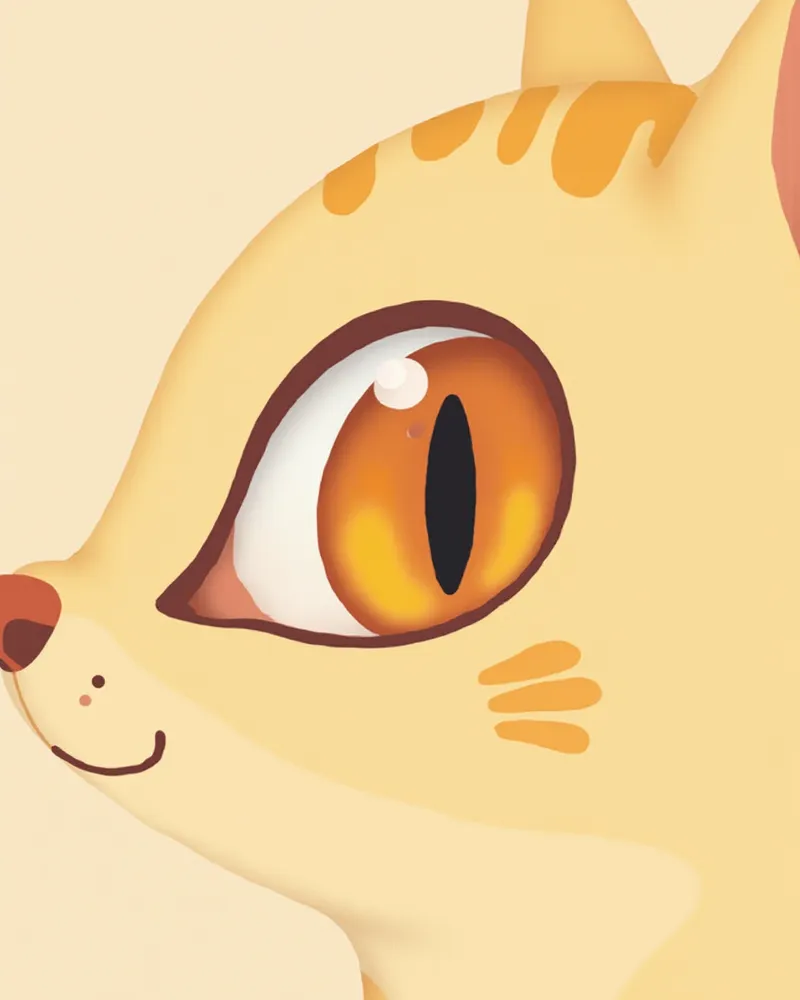
If you notice any of the following symptoms, your cat needs emergency care today: the eye bulging or sinking in, the entire cornea becoming cloudy, blood or a large amount of pus-like discharge coming from the eye, or the cat refusing food while keeping the eye completely closed. Contact an emergency veterinary clinic immediately. A cat's eye condition can deteriorate rapidly within just a few hours.
7 Main Causes of Cat Squinting
Treatment by Cause — Why You Can’t Just Wait at Home
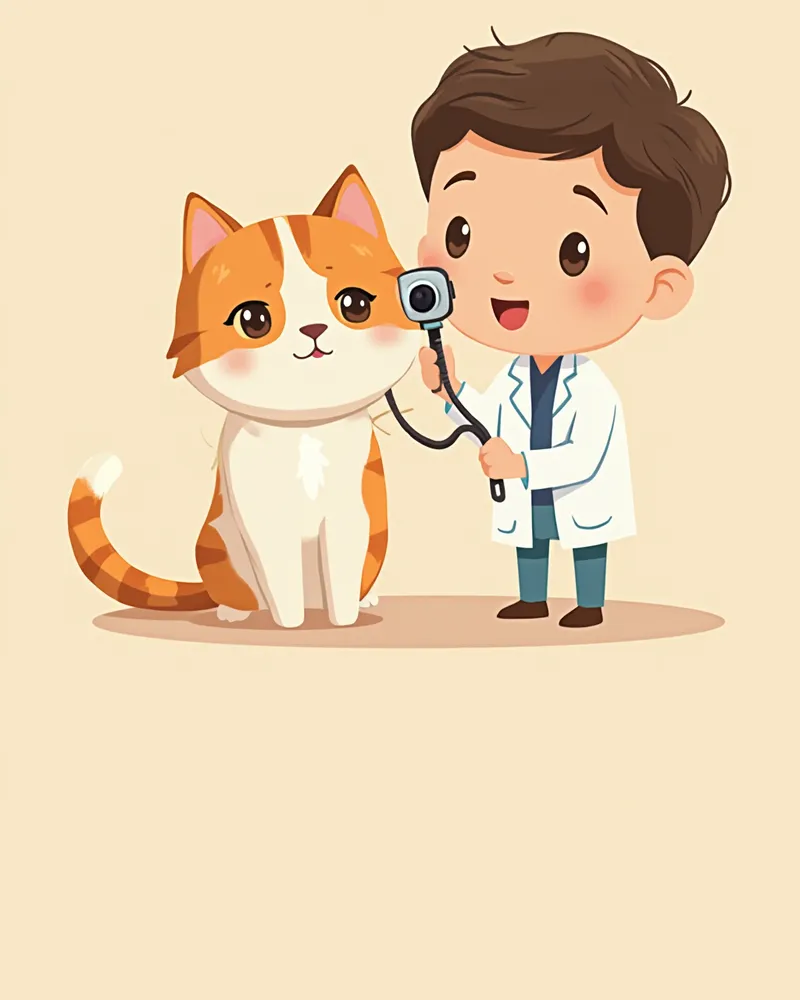
First Aid You Can Do at Home Before Visiting the Vet
Pay Special Attention to Senior Cats and White Cats
Cats are skilled at hiding pain. Even a slight squint may indicate severe discomfort, and they may raise their third eyelid (nictitating membrane) when in pain. In senior cats, systemic conditions such as hypertension can manifest as ocular symptoms like retinal detachment or hemorrhage, so extra vigilance is warranted. Additionally, white or light-colored cats are prone to skin diseases and tumors on areas with less pigmentation, such as the eyelids, making it important to limit their sun exposure. If symptoms persist for more than 48 hours, even if they seem mild, please visit the clinic.
Preventive Care for Cat Eye Health
Reviewed by a veterinarian

Dr. Tony — Punnawat Phongkittirak
VeterinarianA veterinarian who majored in veterinary medicine at Khon Kaen University, Thailand, and completed the IVSA program at North Carolina State University in the United States. Drawing on clinical experience at animal hospitals, he works in the pet healthcare field and is dedicated to building a digital care environment that connects pet parents with veterinarians.
Reviewed 2026-05-28
Frequently Asked Questions
My cat is squinting with only one eye. Could something have gotten into it?
It seems the squinting has resolved on its own. Is it okay to just leave it alone?
Can I use human eye drops on my cat?
How can you tell the difference between a cat squinting its eyes and glaucoma?
My pet is squinting a lot—can we wait until tomorrow’s appointment?
Share
Related Guides
Top 5 Dog Tear Supplements Recommended for 2026

What is Lutein? Effects on Dog Eye Health

The Best Canine Uveitis Management Products and Selection Criteria: A Comprehensive Guide
Emergency Response for Pets Swallowing Foreign Objects: Symptoms, Urgency, and Clinic Decision Guide

When Your Cat Is Drooling Excessively: Causes and Emergency Assessment Criteria
Cold Paws and Ears (Hypothermia Signs)
If Your Cat Is Drinking Too Much Water — Warning Signs of Kidney Disease and Diabetes, and How to Respond

Assessing Urgency When Your Cat Stops Eating
Complete Guide to Causes and Management of Swelling in Dogs

Dog Jaundice: Symptoms and Causes
References
[1] Reinstein S. The squinting cat: Herpes until proven otherwise. In: Englar RE, ed. The Veterinary Workbook of Small Animal Clinical Cases. Sheffield: 5M Publishing; 2020.
[2] Colitz CM. Feline uveitis: diagnosis and treatment. Clin Tech Small Anim Pract. 2005;20(2):117–120.
[3] Blocker T, van der Woerdt A. The feline glaucomas: 82 cases (1995–1999). Vet Ophthalmol. 2001;4(2):81–85.
[4] Lim CC, Maggs DJ. Ophthalmology. In: Little SE, ed. The Cat: Clinical Medicine and Management. 2nd ed. St. Louis, MO: Saunders Elsevier; 2012:807–845.
[5] Silverstein SM, Hopper K, eds. Feline Emergency and Critical Care Medicine. 2nd ed. Ames, IA: Wiley-Blackwell; 2015.