
Like
Share
멍실장
강아지 고혈압과 단백뇨 관계 자주 묻는 질문 Q&A — 보호자가 꼭 알아야 할 핵심

Frequently Asked Questions About the Relationship Between High Blood Pressure and Proteinuria in Dogs — Key Points for Pet Owners

UrinaryQ&AMeongsiljang Veterinary Advisory Board

High blood pressure in dogs can lead to protein in the urine, which may be an early sign of kidney damage. Regular check-ups and management are essential.

High Blood Pressure and Proteinuria in Dogs Are Closely Related

Microscopic blood vessels in a dog's kidneys damaged by high blood pressure
High blood pressure in dogs can damage the kidneys by placing continuous stress on their tiny blood vessels. - High blood pressure: When blood pressure rises, excessive pressure is transmitted to the glomeruli in the kidneys, causing glomerular damage. This can lead to proteinuria, a condition where proteins that should remain in the blood leak into the urine. - Proteinuria: This may be an early sign of declining kidney function and can progress without obvious symptoms, making early detection crucial. - Declining kidney function: Persistent proteinuria can worsen kidney damage, necessitating treatment and ongoing monitoring. - Regular check-ups: Follow your veterinarian’s recommendations for testing intervals. Regular urine tests and blood pressure measurements enable early detection and management. Early intervention is key to maintaining long-term kidney health.

Why Does High Blood Pressure Cause Proteinuria?
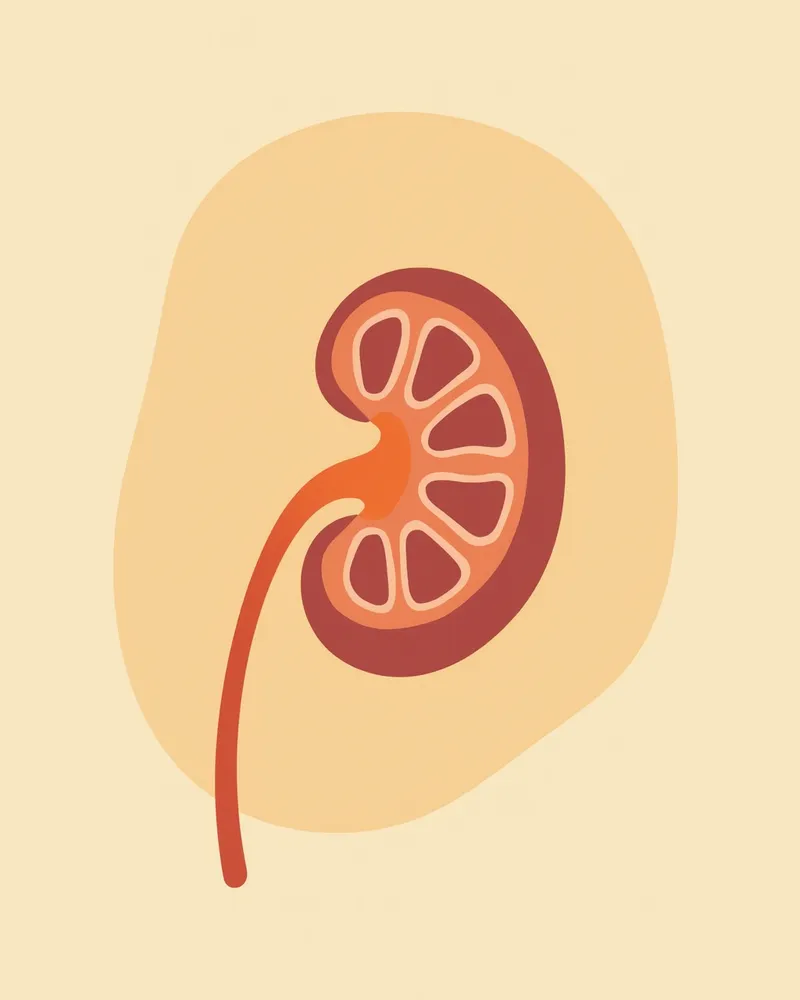
High blood pressure exerts continuous pressure on the tiny blood vessels in the kidneys, causing damage. - Damage to small blood vessels: Elevated blood pressure can damage the kidney’s filtration membrane, allowing protein to leak into the urine. - Proteinuria: This is an early sign of declining kidney function and is often difficult for pet owners to notice. - Importance of early detection: Regular urine tests and blood pressure monitoring are essential for early detection and management. - Treatability: With early intervention, the condition can be stabilized through medication. - Working with your veterinarian: Ongoing monitoring is crucial.
The structure of the kidney's filtration membrane damaged by high blood pressure

Main Causes of High Blood Pressure and Proteinuria Occurring Together
High blood pressure and proteinuria in dogs are associated with several underlying conditions. - Chronic kidney disease: As kidney function declines, blood pressure regulation becomes difficult, often accompanied by proteinuria. - Endocrine disorders: Conditions such as hyperadrenocorticism (Cushing’s disease) and diabetes mellitus can lead to elevated blood pressure and proteinuria. - Cardiac disease: Circulatory disturbances caused by heart failure can affect the kidneys, potentially resulting in increased urinary protein. - Senior dogs: As dogs age past middle age, their kidney function naturally declines, increasing the risk of hypertension and proteinuria; therefore, regular check-ups are essential. - Identifying the cause: A veterinarian must determine the exact underlying cause to enable effective management.
A senior dog undergoing blood pressure and urine tests with a veterinarian.

Comparison of Characteristics of High Blood Pressure and Proteinuria by Severity

ItemMildModerateSevere
Blood Pressure Level (mmHg)140–159160–179180 or higher
Proteinuria Assessment (UPC-based)Mild or borderline levelPersistent proteinuria confirmedMarked proteinuria, may be accompanied by hypoalbuminemia
Main SymptomsAsymptomaticFatigue, decreased appetiteVomiting, diarrhea, lethargy
Need for TreatmentRegular monitoringStart medication treatmentEmergency clinic visit

The higher the blood pressure and degree of proteinuria, the greater the risk of kidney damage. Proteinuria is assessed by the urine protein/creatinine ratio (UPC) rather than the absolute mg/dL value, and early detection and continuous monitoring are important.

Early Detection Is Possible Through Regular Check-ups
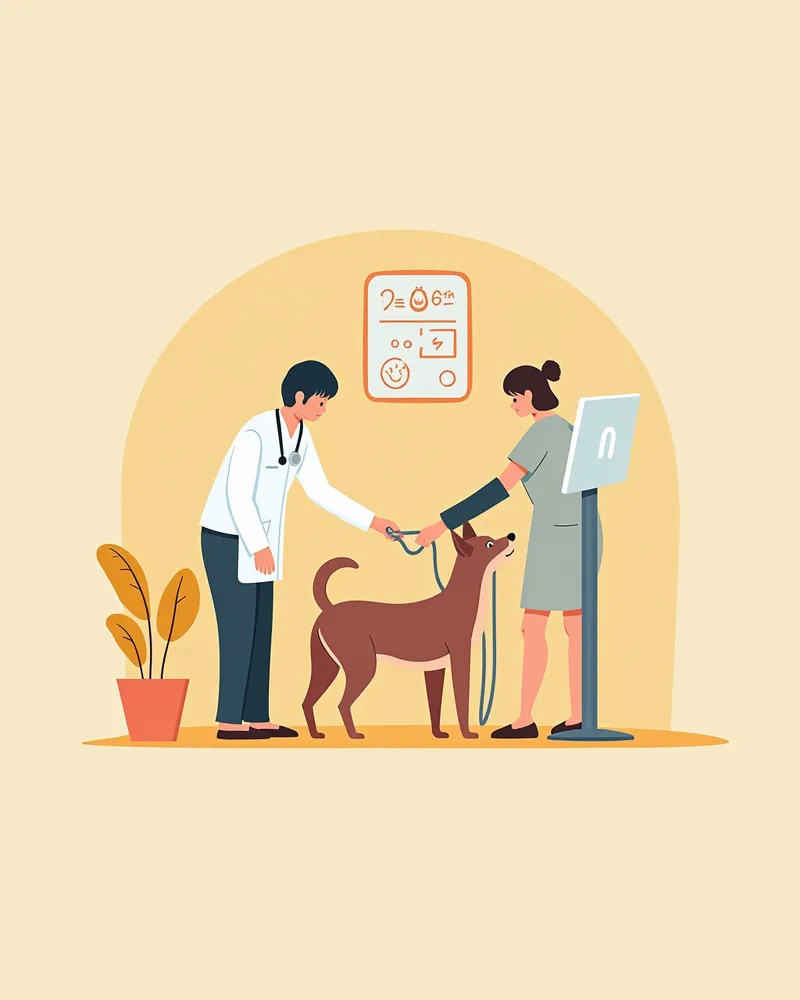
High blood pressure and proteinuria in dogs often show no clear symptoms in the early stages. - Regular check-ups are essential: Early detection is key through urine tests and blood pressure measurements at intervals recommended by your veterinarian. - The importance of early detection: Identifying issues before symptoms appear significantly improves treatment outcomes. - Senior dogs: Older dogs are at higher risk, making regular check-ups especially important. - Treatability: When caught early, medication can help stabilize blood pressure and reduce proteinuria. - Ongoing monitoring: Working closely with your veterinarian is crucial for maintaining long-term health.
A veterinarian measuring a puppy's blood pressure

Severe Proteinuria Can Lead to Declining Kidney Function

Persistent protein in the urine can lead to cumulative damage to kidney cells and function. If this condition persists, it may progress to chronic kidney disease, making a veterinary evaluation essential. Your veterinarian will assess kidney function and the extent of any lesions through blood tests and ultrasound.

Treatment Methods and Management Points
Hypertension and proteinuria require comprehensive management. - Medication: Administer antihypertensive drugs and renal-protective agents (such as RAAS inhibitors) to control blood pressure and reduce proteinuria. The goal is to maintain a stable condition rather than achieve a cure. - Dietary Management: Avoid excessive salt and choose a diet that reduces the burden on the kidneys. - Hydration: Provide frequent access to water to support kidney function and regulate urine concentration. - Stress Management: Keep your pet in a quiet, comfortable environment to minimize stress. - Medication Adherence: Follow your veterinarian’s instructions precisely to ensure treatment effectiveness. - Regular Check-ups: Conduct regular blood pressure, urinalysis, and kidney function tests to continuously monitor treatment progress.
A dog eating special food for kidney health

Checkpoints Pet Owners Must Know

- Regular check-ups: Have urine tests and blood pressure checks every six months. - Dietary management: Choose a low-sodium, low-protein diet. - Hydration: Provide fresh water frequently. - Stress management: Keep your pet in a quiet, comfortable environment. - Medication adherence: Administer medications exactly as directed by your veterinarian. - Medical record keeping: Maintain a clear record of the treatment process to facilitate communication with your veterinarian. - Monitor for symptom changes: Visit the clinic immediately if you notice decreased appetite, lethargy, or vomiting.
Checklist for Managing Your Dog's Health

Reviewed by a veterinarian

Dr. Tony — Punnawat Phongkittirak

Dr. Tony — Punnawat Phongkittirak

Veterinarian

A veterinarian who majored in veterinary medicine at Khon Kaen University, Thailand, and completed the IVSA program at North Carolina State University in the United States. Drawing on clinical experience at animal hospitals, he works in the pet healthcare field and is dedicated to building a digital care environment that connects pet parents with veterinarians.

Frequently Asked Questions

Why does high blood pressure in dogs cause protein in the urine?
High blood pressure continuously exerts excessive pressure on the kidney's glomeruli, damaging the filtration membrane. This allows proteins that should normally remain in the bloodstream to leak into the urine, resulting in proteinuria.
Does proteinuria always indicate high blood pressure?
No. Proteinuria can result from a variety of causes beyond hypertension, including kidney disease, infections, and immune-mediated disorders. A veterinarian’s evaluation is necessary to reach an accurate diagnosis.
Are senior dogs at higher risk for high blood pressure and protein in the urine?
Yes, as dogs age, their kidney function naturally declines, making it harder to regulate blood pressure and increasing the risk of hypertension and proteinuria. Regular check-ups are essential.
Can high blood pressure and proteinuria be prevented?
Yes, you can reduce the risk through regular check-ups, a balanced diet, adequate hydration, and stress management. However, complete prevention is difficult, so early detection and proper management are key.
Can medication lead to a complete cure?
While a complete cure is difficult, blood pressure can be stabilized and proteinuria reduced through medication and lifestyle adjustments. Long-term management can help slow the progression of the disease, so ongoing care in partnership with your veterinarian is essential.

Share

Related Guides

References

[1] Acierno, M.J., Brown, S., Coleman, A.E. et al. (2018). ACVIM consensus statement: guidelines for the identification, evaluation, and management of systemic hypertension in dogs and cats. J. Vet. Intern. Med. 32: 1803–1822.

[2] Finco, D.R., Brown, S.A., Crowell, W.A. et al. (1994). Effects of aging and dietary protein intake on uninephrectomized geriatric dogs. Am. J. Vet. Res. 55: 1282–1290.

[3] Ross, S.J., Osborne, C.A., Kirk, C.A. et al. (2006). Clinical evaluation of dietary modification for treatment of spontaneous chronic kidney disease in cats. J. Am. Vet. Med. Assoc. 229: 949–957.

This information is based on veterinary literature and does not replace diagnosis or treatment. Please consult a veterinarian for specific health concerns.

Metapet Co., Ltd. | CEO: Park Sung-yong | Business Reg. No. 417-88-02562 | Seoul, South Korea | Customer Center

Dog Hypertension and Proteinuria: 5 Key Questions | Meongsiljang