Like
Share
멍실장
강아지 고환 종양 자주 묻는 질문 Q&A — 보호자가 꼭 알아야 할 핵심

Dog Testicular Tumors FAQ — Key Information Every Pet Owner Should Know

Oncology/CancerQ&AMeongsiljang Veterinary Advisory Board

Early detection is crucial for testicular tumors in dogs. Here’s a summary of the key information pet owners need to know about causes, symptoms, treatment options, and prognosis.

What Are Dog Testicular Tumors?

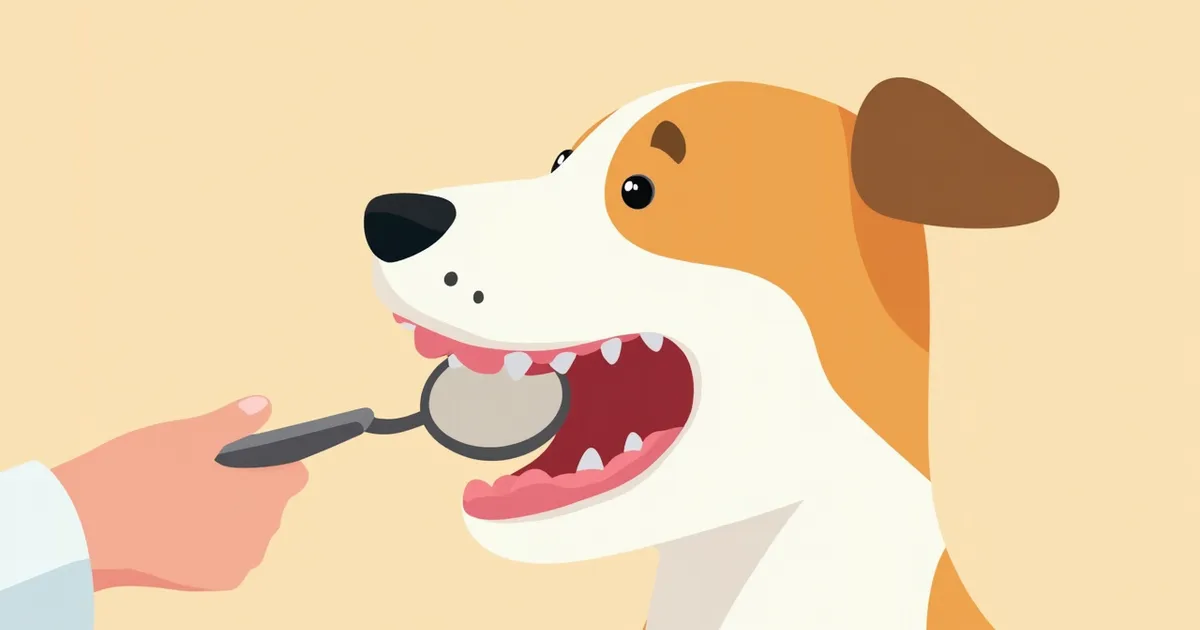
A veterinarian examining a puppy’s testicles by gently palpating the area.
- Testicular tumors: These are growths that develop in the testicles and are commonly seen in intact male dogs, particularly those in middle age or older. While most are benign or slow-growing and rarely life-threatening, they can cause the testicles to enlarge or lead to hormonal changes, making veterinary evaluation important. - Early diagnosis: During routine check-ups, it is crucial to carefully check for signs such as enlargement of one testicle, asymmetry in size between the two, or any indicators of hormonal imbalance. - Key to treatment: In most cases, the condition can be effectively cured with relatively straightforward surgery to remove the testicles (castration). - Risk factors: The risk is highest in intact dogs, especially those with cryptorchidism (undescended testicles that remain inside the abdomen). - Potential for metastasis: While some tumors can spread to other parts of the body, others, such as interstitial cell tumors (Leydig cell tumors), rarely metastasize. - Survival rate: Fewer than 1% of dogs die from testicular tumors. With appropriate treatment, the prognosis is excellent.

Main Causes and Risk Factors of Testicular Tumors

- Age: Testicular tumors are most commonly diagnosed in older dogs, typically between 6 and 16 years of age, with risk increasing as they get older. - Genetic Predisposition: While some breeds are reported to be more frequently affected, the exact genetic causes have not yet been clearly identified. - Hormone Secretion: Sertoli cell tumors can secrete estrogen, and interstitial cell tumors can secrete testosterone, potentially causing hormonal imbalances. - Cryptorchidism: The risk is highest in dogs with cryptorchidism, where one or both testicles fail to descend into the scrotum and remain inside the abdomen. - Sex: Since these tumors develop in the testicles, they occur only in male dogs and not in females. - Combined Risk Factors: The most significant risk factors are being intact (unneutered), having cryptorchidism, and advanced age.
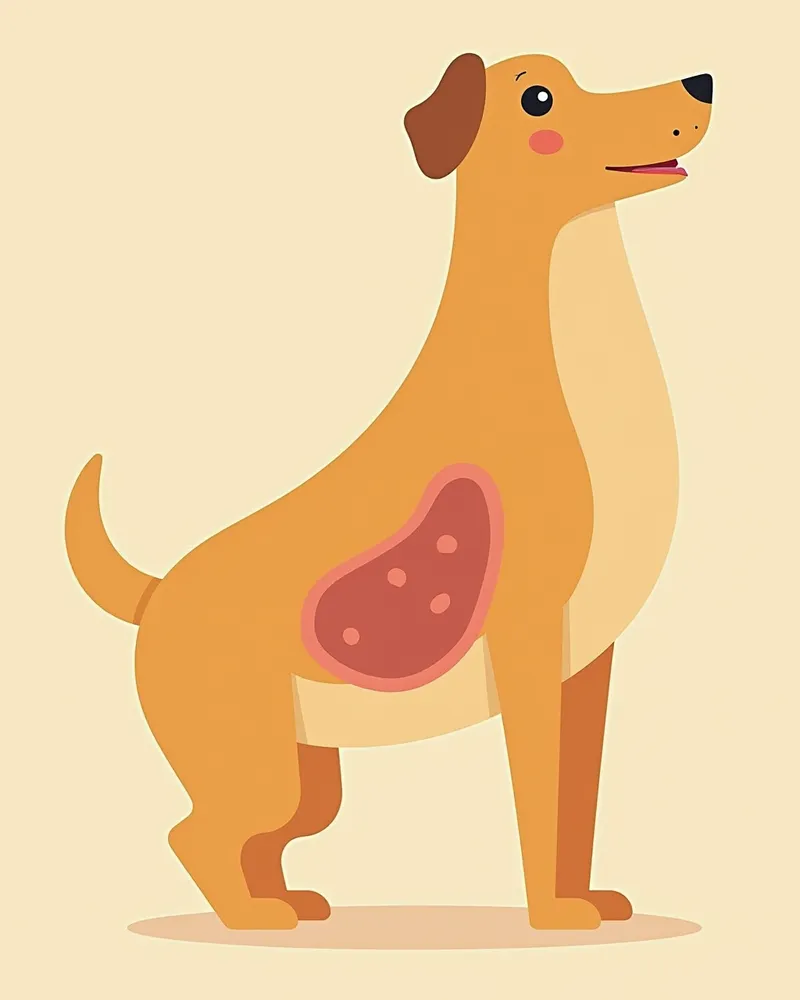
Diagram of a dog’s reproductive anatomy, with tumors marked on the testicles

Main Symptoms and Signs of Testicular Tumors
- Testicular enlargement: A common sign is an enlarged testicle on the affected side, while the normal testicle on the opposite side may shrink, leading to a noticeable size difference between the two. - Asymmetry: It is often the case that only one testicle enlarges, so feeling for a size difference between the left and right can be helpful. - Hormonal abnormalities (feminization): Particularly with Sertoli cell tumors, estrogen secretion can cause feminizing changes such as mammary gland enlargement and hair loss. - Systemic symptoms: Although rare, conditions like Sertoli cell tumors can lead to anemia or pancytopenia due to bone marrow suppression. - Asymptomatic cases: Tumors such as interstitial cell tumors are often discovered incidentally, as they typically do not cause obvious signs of discomfort. - Importance of early detection: Since symptoms may not be obvious, early detection through regular check-ups and physical palpation is recommended.
Comparison of the testicular area in a normal dog and one with testicular tumors

Signs That Require an Immediate Veterinary Visit

If one testicle suddenly enlarges, becomes noticeably asymmetrical, or if you observe signs of feminization such as mammary gland enlargement and hair loss, along with symptoms like gum bleeding and lethargy, a veterinary visit is necessary. Some Sertoli cell tumors can cause bone marrow suppression, making prompt diagnosis crucial. Most testicular tumors are effectively treated with castration surgery, so it is best to seek veterinary care early if any abnormalities are noticed.

Diagnostic Methods and Procedures
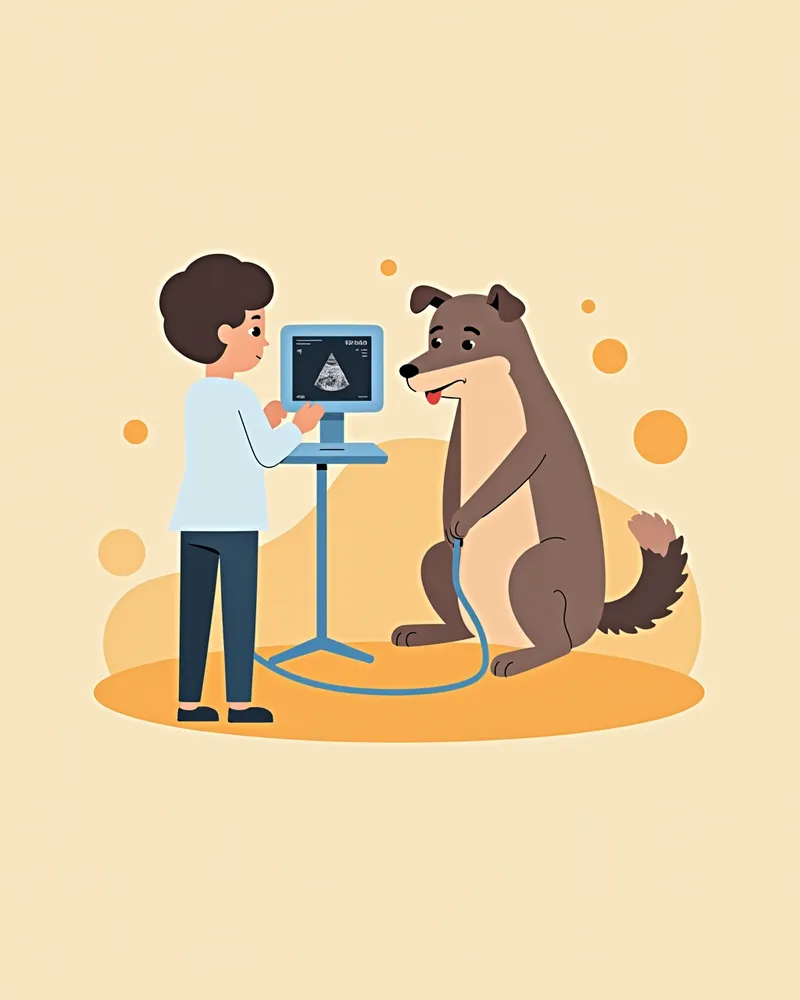
- Ultrasound examination: This allows us to visualize the internal structure of the testicle and determine the size and location of the tumor. However, ultrasound alone cannot definitively identify the specific type of tumor. - Fine-needle aspiration (FNA) and cytology: Using ultrasound guidance, we collect cells from the tumor, which helps in estimating the tumor type. - Histopathology: The removed testicle is examined under a microscope to definitively determine whether the tumor is benign or malignant and to identify its specific type. - Blood tests: These check for changes that may accompany hormone-secreting tumors, such as anemia or pancytopenia. - Metastasis evaluation: We use abdominal ultrasound or chest imaging to check for metastasis, and may utilize CT or MRI scans if necessary. - Comprehensive assessment: We integrate the results from these various tests to establish an accurate diagnosis and develop an appropriate treatment plan.
A veterinarian using an ultrasound on a puppy's testicular area.

Treatment Methods and Step-by-Step Approach
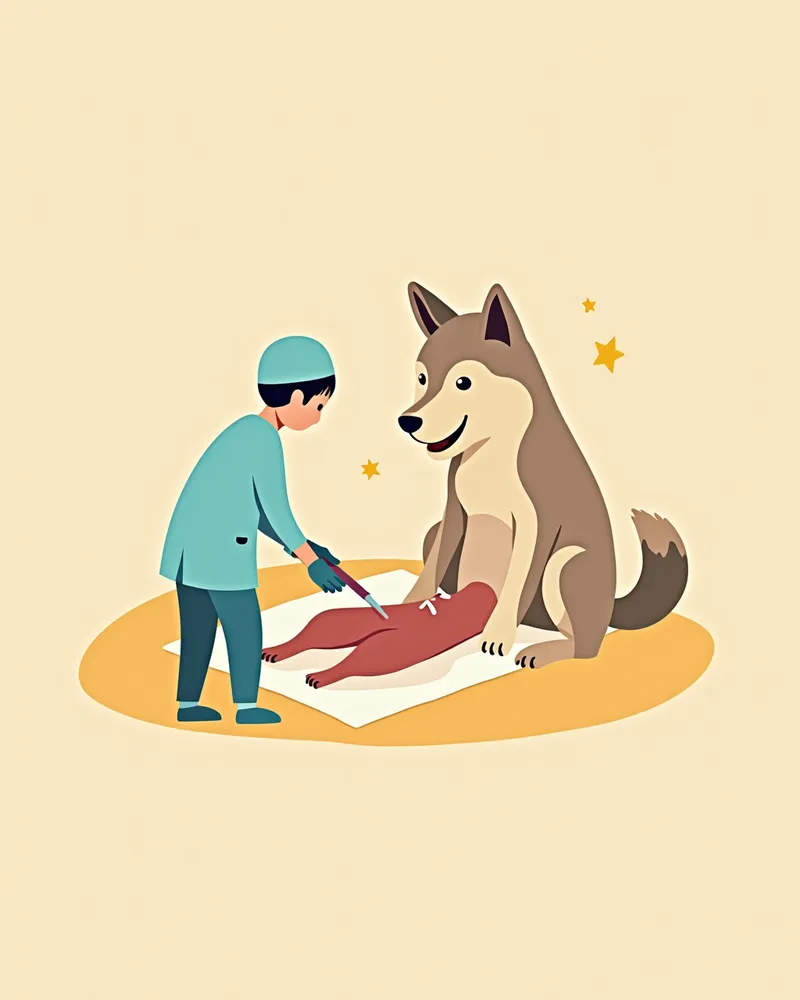
- Orchiectomy (castration): In most cases, surgical removal of both testicles is the primary treatment, and it often leads to a complete cure. - Concurrent scrotal removal: If adhesions are present in the scrotum, the scrotum may also be removed during the procedure. - Post-operative care: Careful management is essential to control pain and prevent infection. - Additional treatment: In rare cases where malignancy or metastasis is confirmed, further treatment may be considered in consultation with your veterinarian. - Treatment planning: The plan is tailored based on tumor type, presence of metastasis, and the pet’s overall health status. - Treatment success rate: Testicular tumors are relatively easy to cure with castration, and mortality directly caused by the tumor itself is less than 1%.
A veterinarian performing an orchiectomy on a puppy

Comparison of Treatment Methods: Surgery vs. Radiation vs. Chemotherapy

ItemLevel of evidenceRoleSuitable cases
Orchiectomy (castration)EstablishedFirst-line, curative intentMost testicular tumors
Radiation therapyLimitedAdjuvant considerationRare malignant cases or when surgery is difficult
ChemotherapyLimitedAdjuvant considerationRare cases with confirmed metastasis

Most testicular tumors are cured by castration surgery alone. Radiation and chemotherapy are considered only in rare cases where malignancy or metastasis is confirmed, after consulting a veterinarian.

Caution: Testicular Tumors Can Metastasize

Testicular tumors can occasionally spread to the lymph nodes or other areas, but many types, such as interstitial cell tumors (Leydig cell tumors), rarely metastasize, and metastasis itself is uncommon. Still, it’s safest to monitor for recurrence or spread with regular follow-up exams after surgery. Early detection and consistent care make a big difference.

Reviewed by a veterinarian

Dr. Tony — Punnawat Phongkittirak

Dr. Tony — Punnawat Phongkittirak

Veterinarian

A veterinarian who majored in veterinary medicine at Khon Kaen University, Thailand, and completed the IVSA program at North Carolina State University in the United States. Drawing on clinical experience at animal hospitals, he works in the pet healthcare field and is dedicated to building a digital care environment that connects pet parents with veterinarians.

Frequently Asked Questions

Can testicular tumors be treated?
In most cases, the condition can be easily cured with castration (orchiectomy). Additional treatment is only considered in rare instances where the tumor is malignant or has metastasized.
Can testicular tumors be hereditary?
Although some breeds are reported to be more prone to this condition, the exact genetic cause remains unknown. The most significant risk factors are being intact and having undescended testicles.
Can my dog become healthier after having his testicles removed?
Yes, removing the testicles will resolve both the tumor and the hormone-related issues, and your pet can resume a normal daily life after surgery.
Is it possible to prevent testicular tumors?
Orchiectomy (neutering/castration) is the most effective preventive measure. In particular, we strongly recommend castration for dogs with cryptorchidism, where one or both testicles remain undescended within the abdomen.
Can testicular tumors be transmitted to other dogs?
No, testicular tumors are not contagious. They are influenced by genetic predisposition and environmental factors.

Share

Related Guides

References

[1] Heaton, C.M. et al. (2020). Clinical Evaluation of toceranib for treatment of apocrine gland anal sac adenocarcinoma in dogs. Journal of Veterinary Internal Medicine, 34(2), 873–881.

[2] BSAVA Manual of Canine and Feline Dermatology, 4th Ed. (2021). Chapter 18: Anal Sac Neoplasia.

[3] Jubb, K. (1993). The pancreas. In Pathology of Domestic Animals. Elsevier.

This information is based on veterinary literature and does not replace diagnosis or treatment. Please consult a veterinarian for specific health concerns.

Metapet Co., Ltd. | CEO: Park Sung-yong | Business Reg. No. 417-88-02562 | Seoul, South Korea | Customer Center

5 Common Questions About Testicular Tumors in Dogs | Meongsiljang