

What Is Feline Tumor Immunotherapy? — Essential Q&A for Pet Owners on Principles to Efficacy
We’ve compiled five essential questions every pet owner should know about the core principles, practical application, side effects, and efficacy of tumor immunotherapy in cats.
What Is Feline Tumor Immunotherapy?

Why Can Immunotherapy Be Effective for Feline Tumors?
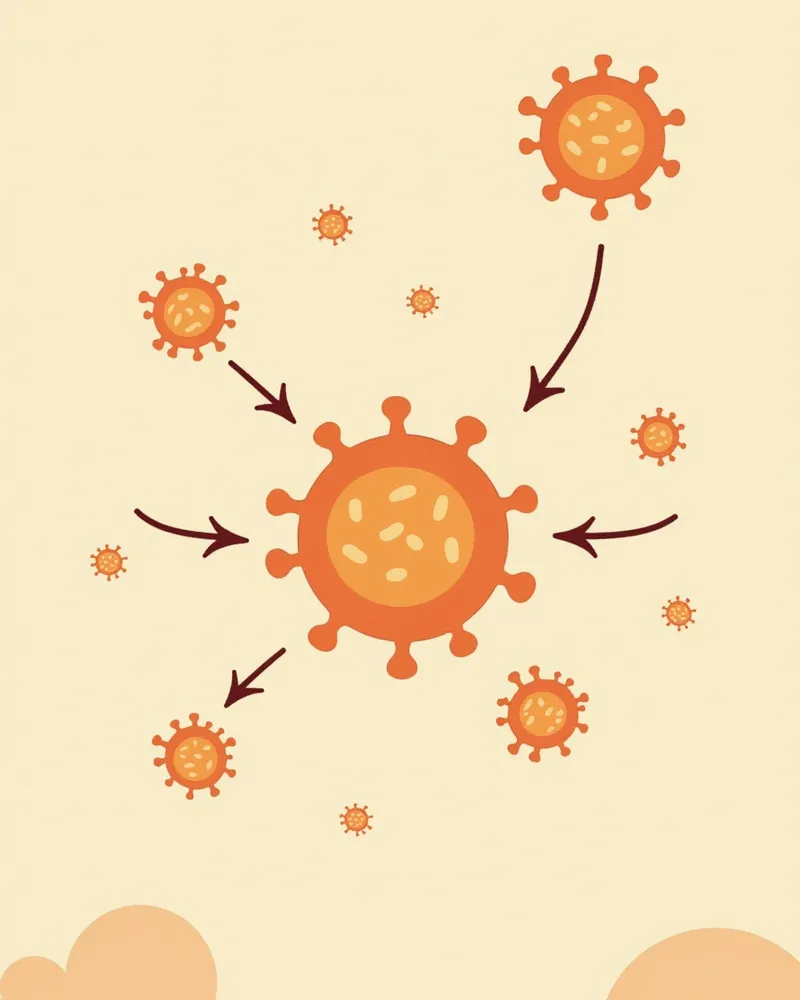
What Are the Main Types of Immunotherapy?

Comparison of Characteristics by Immunotherapy Type
| Item | Type | Mechanism of Action | Main Advantage | Precautions |
|---|---|---|---|---|
| Immune Checkpoint Inhibitors | Blocking the PD-1/PD-L1 pathway | Activation of immune cells | Potential for long-term effect | Possibility of immune-related side effects |
| Antibody Therapy | Binding to specific antigens on the cancer cell surface | Direct cell destruction | Precise targeting | High cost, limited response rate |
| Vaccine Therapy | Inducing an immune response via cancer cell antigens | Potential for preventive effect | High safety | Limited therapeutic effect |
Treatment selection is determined by the veterinarian based on the tumor type, condition, and the cat's overall health.
How Much Effectiveness Can Be Expected from Immunotherapy?

Visit the Clinic Immediately If Abnormal Symptoms Occur During Immunotherapy
If your pet shows signs of fatigue, loss of appetite, vomiting, diarrhea, fever, or skin rashes, it could indicate an excessive immune response or side effects. Please consult your veterinarian immediately.
What Should Be Considered Alongside Immunotherapy?
Reviewed by a veterinarian

Dr. Tony — Punnawat Phongkittirak
VeterinarianA veterinarian who majored in veterinary medicine at Khon Kaen University, Thailand, and completed the IVSA program at North Carolina State University in the United States. Drawing on clinical experience at animal hospitals, he works in the pet healthcare field and is dedicated to building a digital care environment that connects pet parents with veterinarians.
Reviewed 2026-06-07
Frequently Asked Questions
Does immunotherapy cause pain in cats?
When can we expect to see the effects of immunotherapy?
Can immunotherapy be used alongside other treatments?
What are the side effects of immunotherapy?
What should I do if immunotherapy isn’t working?
Share
Related Guides

Comprehensive Guide to Recommended Hospice Care and Quality of Life Management for Cats with Tumors

7 Factors Determining Prognosis and Life Expectancy in Dogs with Tumors, According to Veterinarians

7 Key Management Points for Canine Transitional Cell Carcinoma (Bladder Cancer) Recommended by Veterinarians — From Symptoms to Care

Is My Dog Always Lethargic? — Symptoms and Causes of Portosystemic Shunt (PSS) Q&A

Is a liver biopsy necessary for dogs? — From the procedure to cost and risks

When to Administer SAMe and Milk Thistle for Dogs: Effects and Selection Points

What is Canine Hepatocellular Carcinoma? — Key Points on Benign vs. Malignant, Treatment, and Prognosis

Dog Liver Tumors: Primary vs. Metastatic — Owner Q&A from Diagnosis to Prognosis

Will My Dog’s Bleeding Not Stop If Their Liver Is Bad? — Q&A on Coagulation Abnormality and Bleeding Signs

What Is a Liver Abscess in Dogs? — Key Q&A on Symptoms to Treatment
References
[1] Rassnick KM, Williams LE, Kristal O et al. (2008) Lomustine for treatment of mast cell tumors in cats: 38 cases (1999-2005). Journal of the American Veterinary Medical Association 232, 1200-1205.
[2] Lee, W.S., Yang, H., Chon, H.J. and Kim, C. (2020) Combination of anti-angiogenic therapy and immune checkpoint blockade normalizes vascular-immune crosstalk to potentiate cancer immunity. Experimental & Molecular Medicine 52(9), 1475–1485.
[3] Mitchell, L., Thamm, D.H. and Biller, B.J. (2012) Clinical and immunomodulatory effects of toceranib combined with low-dose cyclophosphamide in dogs with cancer. Journal of Veterinary Internal Medicine 26(2), 355–362.