
Do Cats with Behavioral Problems Need Medication? — A Complete Guide to Effects and Precautions
Our veterinary advisory panel has compiled a Q&A on the types, effects, and precautions of behavioral modification medications used for anxiety, aggression, and compulsive behaviors in cats.
What Is Feline Behavior Modification Medication?
When Should Medication Be Considered?
Comparison of Main Types of Feline Behavior Modification Medications
| Item | Main indications | Characteristics | Precautions |
|---|---|---|---|
| SSRIs | Anxiety, territorial spraying, compulsive behavior | Suitable for long-term use, effects take at least 4–6 weeks to appear | Possible early appetite changes and lethargy |
| Tricyclic antidepressants | Compulsive behavior, territorial spraying, anxiety, inter-cat aggression | Effects similar to SSRIs, long-term prescription | Not recommended for cats with liver or kidney disease or obesity; watch for cardiac side effects such as tachycardia and arrhythmia |
| Benzodiazepines | Acute anxiety or fear situations (travel, clinic visits, etc.) | Acts relatively quickly within 1–2 hours after dosing, short-term use as needed | Possible sedation and ataxia; rarely anxiety or aggression may paradoxically increase; only short-term prescription recommended |
| Serotonin antagonist and reuptake inhibitors (SARIs) | Mild fear or anxiety, travel, clinic visits | A relatively new option also used for situational preparation | Possible sedation; do not combine with MAO inhibitors (risk of serotonin syndrome) |
All medications are used only under veterinary prescription and guidance. Drug type and dose vary by each individual cat's condition.
How Do Medications Work?
Never Do This — Self-Medication Is Dangerous
Never give your cat human anti-anxiety or antidepressant medications without veterinary guidance, as they can cause severe adverse effects. Most behavioral drugs are formulated for humans and must be used in cats only off-label with extreme caution; a dose that is safe for people can be fatal to cats. Additionally, combining these medications with natural supplements can lead to dangerous interactions, such as serotonin syndrome. Never administer medications obtained online or those prescribed to you. These drugs should only be used under the direct prescription and supervision of a veterinarian.
What Owners Should Do During Medication Treatment
How Long Should the Medication Be Given?
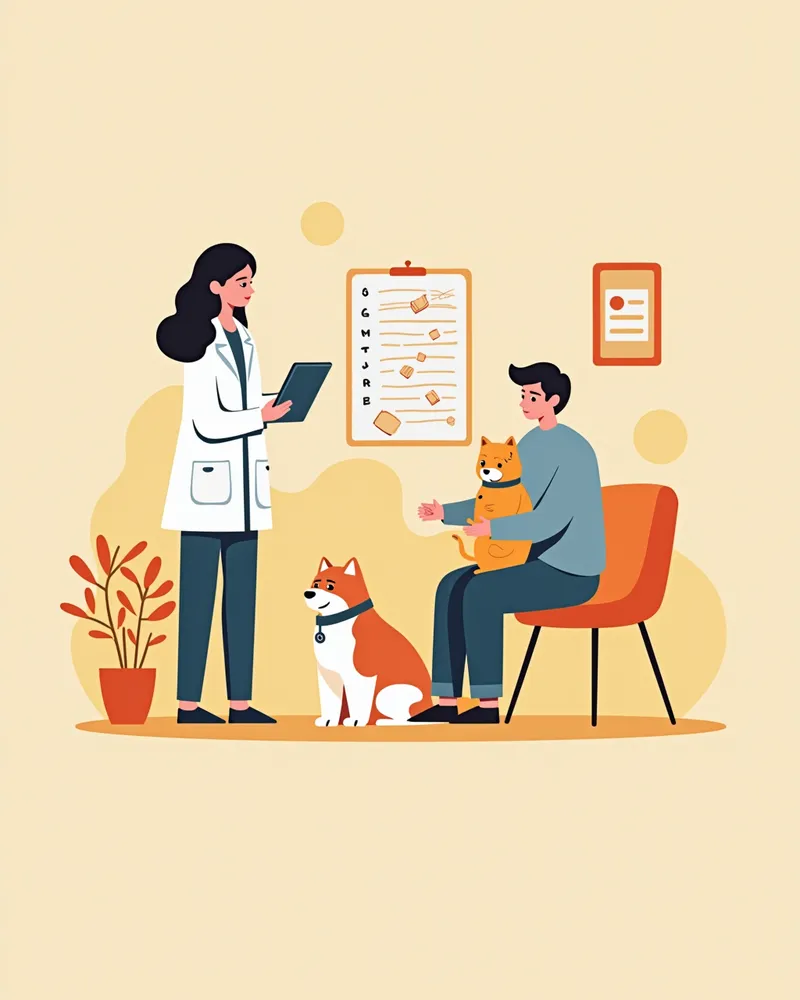
Always Get a Physical Exam Before Starting Medication
What appears to be a behavioral issue is often actually caused by an underlying medical condition. Hyperthyroidism can lead to hyperexcitability and aggression, while lower urinary tract disease may manifest as inappropriate elimination outside the litter box. Cats in pain also tend to become more aggressive. It is important to first rule out medical causes through basic health screenings, such as blood and urine tests.
Reviewed by a veterinarian

Dr. Tony — Punnawat Phongkittirak
VeterinarianA veterinarian who majored in veterinary medicine at Khon Kaen University, Thailand, and completed the IVSA program at North Carolina State University in the United States. Drawing on clinical experience at animal hospitals, he works in the pet healthcare field and is dedicated to building a digital care environment that connects pet parents with veterinarians.
Reviewed 2026-06-01
Frequently Asked Questions
Will giving medication change my cat’s personality?
When will the effects start to show?
Giving my pet medication is so difficult. Are there any tips to make it easier?
Is it possible to resolve behavioral issues without using medication?
I’m currently giving my pet another medication. Is it safe to use this product alongside it?
Share
Related Guides

7 Behavioral Enrichment Strategies for Mental Stimulation Recommended by Veterinarians
Top 5 Calming Supplements for Dogs and Cats in 2026

L-Theanine Effects and Calming Support
What is Feline Pericardial Effusion and Cardiac Tamponade? — Emergency Warning Signs and Treatment Timing
Do Cats Get Pacemakers Too? — Complete Guide to Timing, Costs, and Recovery
What is Feline Endocarditis? — A Pet Owner’s Essential Guide to Symptoms and Treatment

What is Feline Hypertrophic Cardiomyopathy (HCM)? — From Causes to Signs Requiring a Vet Visit
What Is Feline Hypertensive Heart Disease — Warning Signs You Must Not Miss
What Are the Stages of Feline Heart Failure? — Key Points of ACVIM Classification and Stage-Specific Management
Can I exercise my cat with heart disease? — Key to daily management of exercise restriction
References
[1] Riviere J.E., Papich M.G., Handbook of Veterinary Pharmacology, Chapter 5: Behavior Modifying Drugs, Wiley-Blackwell, 2009
[2] Hart B.L., Cliff K.D., Tynes V.V., Bergman L., Control of urine marking by use of long-term treatment with fluoxetine or clomipramine in cats, J. Am. Vet. Med. Assoc., 2005, 219, pp.1557-1561
[3] Metz D., Medam T., Masson S., Double-blind, placebo-controlled trial of venlafaxine to treat behavioural disorders in cats: a pilot study, Journal of Feline Medicine and Surgery, 2022, 24(6), pp.539-549
[4] Ellis S.L.H., Introduction to Animal Behavior and Veterinary Behavioral Medicine, Chapter 17, Wiley-Blackwell, 2023