Like
Share
멍실장
고양이 이사·환경 변화 스트레스 자주 묻는 질문 Q&A — 보호자가 꼭 알아야 할 핵심

If Your Cat Has Changed After the Move — Is Environmental Change Stress Normal?

Brain & CognitionQ&AMeongsiljang Veterinary Advisory Board

We’ve compiled a Q&A guide on the causes and symptoms of stress in cats due to moving or environmental changes, along with step-by-step adaptation methods for before and after the move. Discover key care tips to help your cat adjust quickly to their new home.

What Is Stress from Moving or Environmental Changes in Cats?
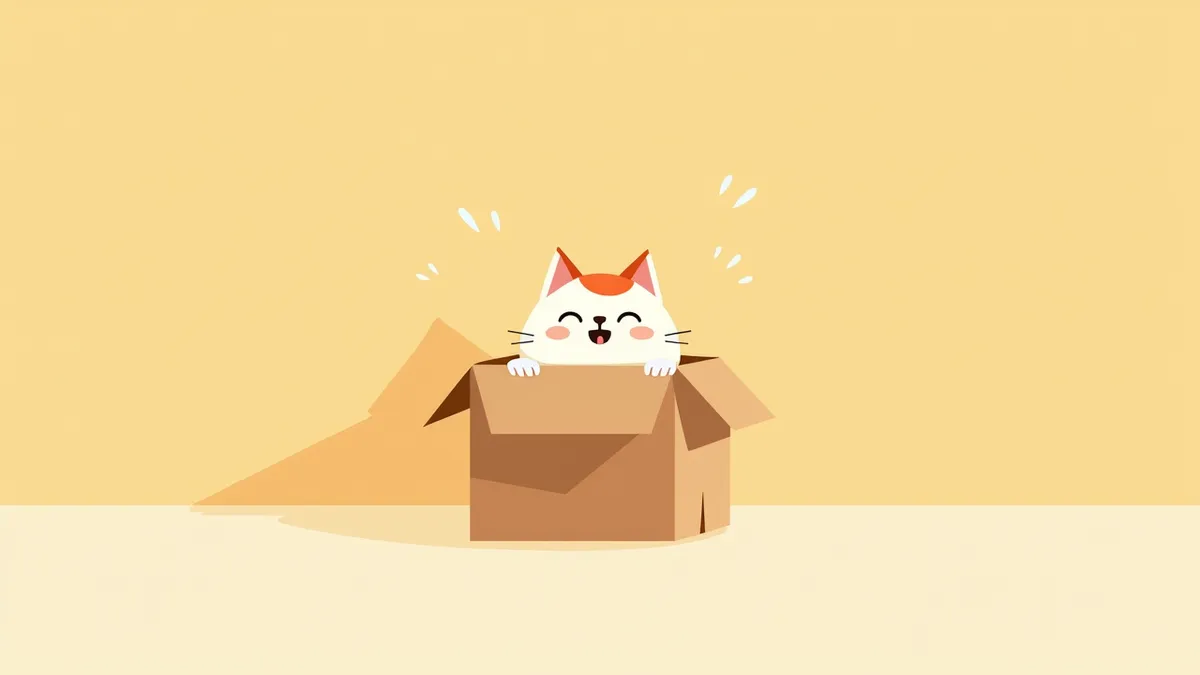
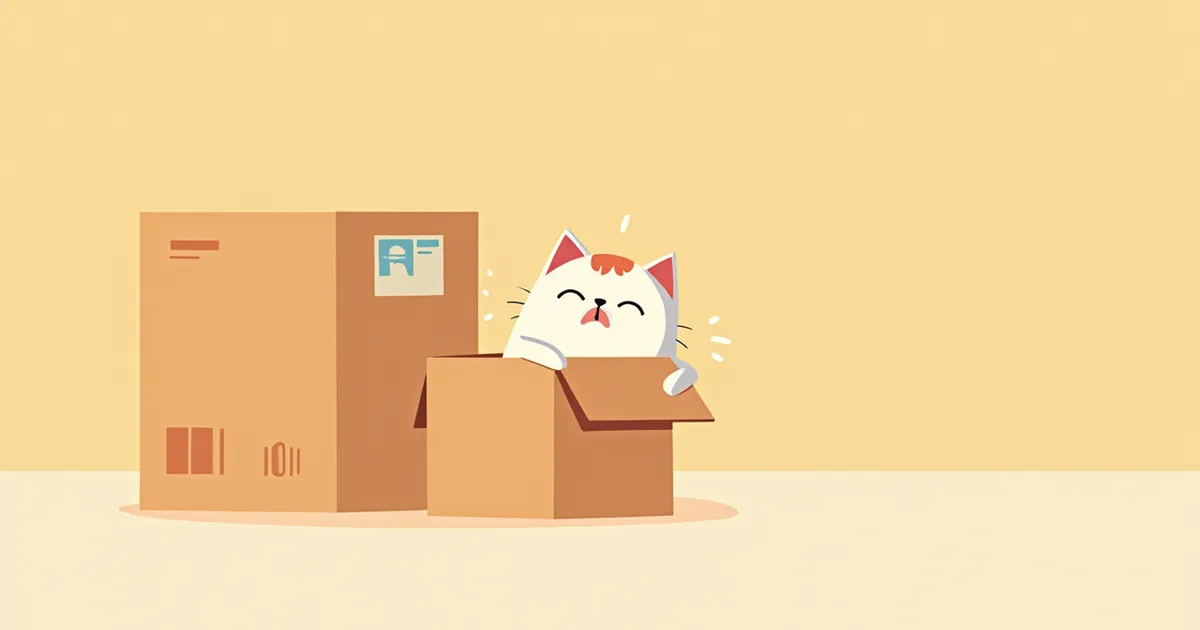
A cat cautiously exploring its new home from behind a moving box
Stress from moving or environmental changes in cats is a psychological and physical tension response triggered by exposure to unfamiliar spaces, smells, and sounds. The key lies in understanding that cats are inherently territorial animals. When their familiar scent map disappears, they lose their sense of security and switch into defense mode. The recovery speed varies among cats; those with good socialization experiences in their early years tend to regain stability relatively quickly, while others may take longer. However, if the state of tension persists for too long, it can lead to chronic stress, which is strongly linked to various health issues, including inappropriate urination. What truly matters is ensuring that cats have enough time to explore on their own.

Why Are Cats So Sensitive to Environmental Changes?

Cats rely on their sense of smell and spatial memory to identify “safe” places. Because their familiar scent map is completely reset in a new environment, they may experience significant internal anxiety even if they appear perfectly fine to their owners. According to veterinary behavioral science textbooks, fear, anxiety, and stress are closely interconnected emotional states, with stress being the body’s natural response to fear and anxiety. A cat’s early socialization experiences and past history influence the intensity of its reactions; cats that had positive early experiences tend to recover relatively quickly, while those with a history of negative experiences may take longer to adjust.

Stress Signal Checklist — Watch Out for These Behaviors

Hiding or seclusion: Your pet stays hidden under moving boxes or in corners for several days without coming out.
Decreased appetite: Your pet suddenly refuses their usual food or eats significantly less than normal.
Excessive grooming: Your pet repeatedly licks a specific area, causing hair loss.
Litter box issues: Stress-induced idiopathic cystitis may cause urination outside the litter box.
Panting and trembling: Your pet pants or shakes during or immediately after travel.
Increased vocalization: Your pet meows or cries more frequently and loudly than usual in unfamiliar environments.
A cat hiding in the darkness under the bed, with only its eyes glowing.

When to Seek Immediate Veterinary Care

If your cat hasn’t eaten or drunk anything for more than 48 hours, isn’t urinating at all (especially if male), or is vomiting or passing blood in the stool, this is no longer just a stress response and requires medical treatment. Stress-induced idiopathic cystitis can progress to a life-threatening urethral obstruction if not treated promptly, so it’s considered an emergency.

Pre-Move Preparation for Better Adaptation
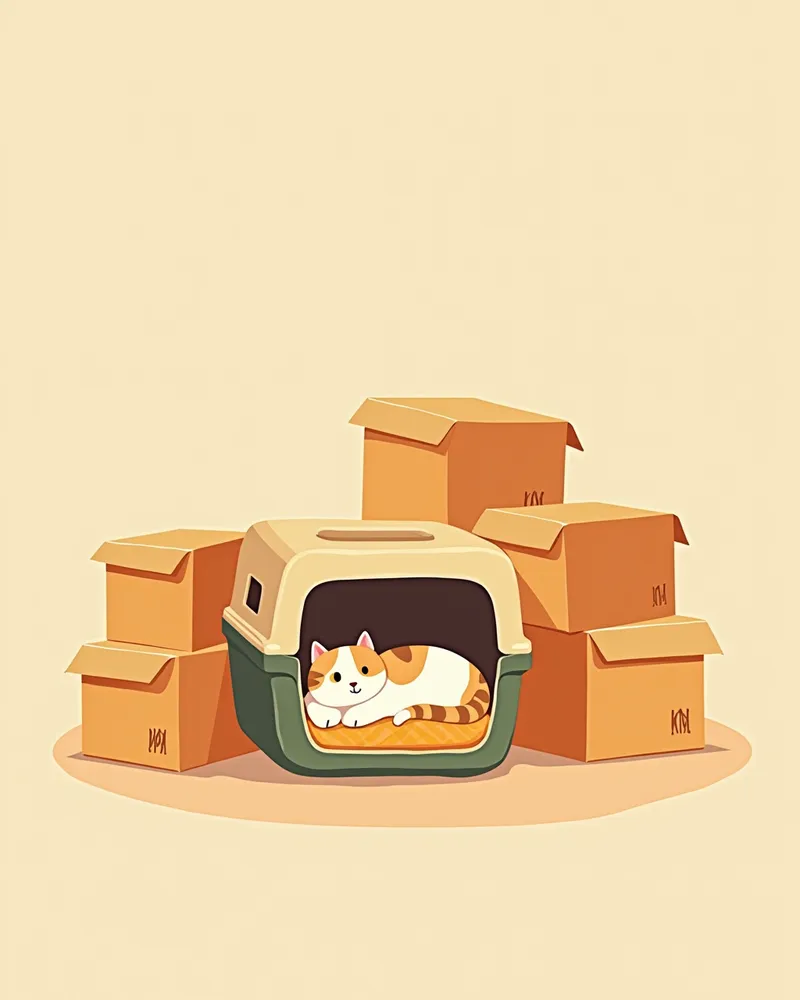
Start leaving the moving boxes open two to three days before the move so your cat can get used to the smells. If you keep the carrier accessible at home, you won’t have to force your cat into it on moving day. Placing a blanket or piece of clothing with your scent inside the carrier is also a good idea. Items carrying familiar scents can help provide your cat with a sense of familiarity and environmental stability. Spraying synthetic facial pheromone products in the carrier and key areas of the new home starting the day before the move can also be helpful, as synthetic pheromones are a supportive measure reported to aid in adapting to unfamiliar environments and reducing travel-related stress.
A cat resting comfortably inside a carrier lined with a soft blanket.

Moving Day — Step-by-Step Adaptation Methods

Step 1 (Day 1): Upon arriving at the new home, isolate the cat in a single room (including a litter box). Exposing the cat to the entire space all at once can increase stress.
Step 2 (Days 2–3): Place food, water, and the litter box inside the room. The owner should visit frequently and speak quietly to the cat.
Step 3 (Days 4–7): When the cat starts coming to the door on its own or meowing, gradually expand its exploration area.
Step 4 (2–4 weeks): Once the cat can freely roam the entire space, it has fully adjusted.

How to Handle Environmental Changes Other Than Moving
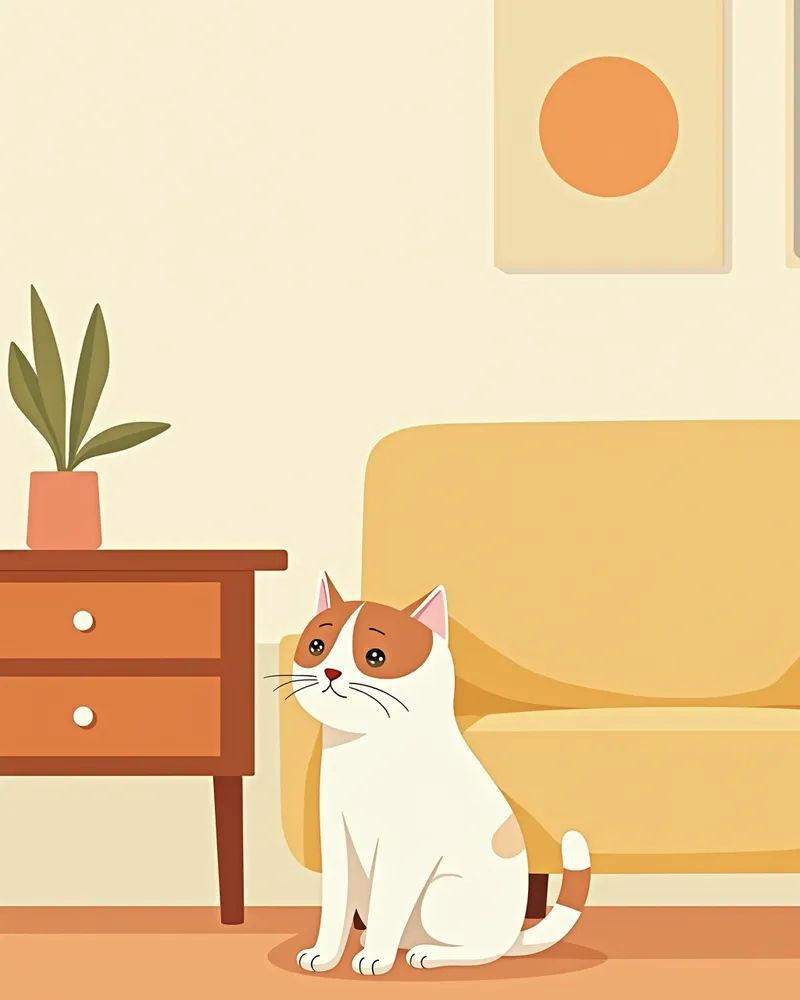
Cats are highly sensitive to even minor changes that wouldn’t seem significant to us.
New furniture or renovations: The loss of familiar scents can cause stress. Allow your cat to naturally rub its face on the new furniture to leave its scent and feel more comfortable.
Bringing in a new pet: Start by separating their territories, then gradually progress through scent swapping, visual exposure through a glass door, and finally shared space over a period of 2 to 4 weeks.
Changes in daily routine: Returning to the office or the arrival of a new baby can also be stressful for your cat. Maintaining consistent playtime is key to helping them adjust.
A cat cautiously sniffing the scent of new furniture

Things to Know When Using Pheromone Products

Synthetic feline facial pheromone diffusers and sprays are supportive aids with empirical and evidence-based reports indicating they can help cats adjust to unfamiliar environments, reduce travel-related stress, and decrease urine marking. However, further research is still needed, and effectiveness may vary from cat to cat, so they work best when used alongside environmental management rather than as a standalone solution. For diffusers, plug them into an outlet near your cat’s favorite resting spots and use them consistently, while monitoring your cat’s response to assess whether they’re having the desired effect.

Reviewed by a veterinarian

Dr. Tony — Punnawat Phongkittirak

Dr. Tony — Punnawat Phongkittirak

Veterinarian

A veterinarian who majored in veterinary medicine at Khon Kaen University, Thailand, and completed the IVSA program at North Carolina State University in the United States. Drawing on clinical experience at animal hospitals, he works in the pet healthcare field and is dedicated to building a digital care environment that connects pet parents with veterinarians.

Frequently Asked Questions

My cat isn’t eating after we moved. How long should I wait?
It’s common for pets to have a decreased appetite for 1–2 days right after moving. If they start eating even a little within 48 hours, it’s okay to monitor them. However, if they don’t eat at all or continue to show a poor appetite beyond 48 hours, it could strain their health, so you should take them to a veterinary clinic. Try enticing them with their favorite treats or strong-smelling wet food first.
My cat peed outside the litter box after we moved. Should I scold them?
Please avoid scolding your pet, as stress-induced idiopathic cystitis is likely the cause. Scolding can increase anxiety and lead to recurring issues. Instead, provide multiple litter box locations and thoroughly clean any urine spots with an enzymatic cleaner to completely eliminate odors.
My cat keeps trying to escape, as if trying to go back to the home where he lived before we moved. Is this normal?
This is a normal territorial instinct driving your pet to seek out familiar spaces. Until they’ve fully adjusted to their new environment, be sure to keep windows and entryways securely closed. Escaping during this adjustment period can lead to them getting lost, so please exercise extra caution until they’re completely settled in.
Do senior cats experience more severe stress from moving?
Yes, senior cats may take longer to adjust to environmental changes because their senses and physical abilities decline. The bigger the change, the more confused they can become, so keep the litter box, bed, and food and water bowls in roughly the same places and allow plenty of time for adjustment. If any unusual behaviors persist, it’s a good idea to consult your veterinarian.
Should I give my pet medication if they’re experiencing severe stress from moving?
In severe cases, your veterinarian may prescribe short-acting anti-anxiety medication or nutritional supplements. Never administer human medications on your own. If your pet experiences a loss of appetite, hiding behavior, or litter box issues for more than two weeks, it is advisable to seek a behavioral consultation at an animal hospital.

Share

Related Guides

References

[1] Little S.E. (ed.), The Cat: Clinical Medicine and Management, 2nd Edition, Elsevier Saunders, 2012

[2] Bowen J., Heath S., Behaviour Problems in Small Animals: Practical Advice for the Veterinary Team, Elsevier Saunders, 2005

[3] Behnke A.C., Vitale K.R., Udell M.A.R., 'The effect of owner presence and scent on stress resilience in cats', Applied Animal Behaviour Science, 243, 2021

[4] McCobb E.C. et al., 'Assessment of stress levels among cats in four animal shelters', Journal of the American Veterinary Medical Association, 226(4), 2005

This information is based on veterinary literature and does not replace diagnosis or treatment. Please consult a veterinarian for specific health concerns.

Metapet Co., Ltd. | CEO: Park Sung-yong | Business Reg. No. 417-88-02562 | Seoul, South Korea | Customer Center

Cat Acting Different After a Move? Is Change Stress Normal? | Meongsiljang