Like
Share
멍실장
고양이 안검내반(눈꺼풀 말림) 자주 묻는 질문 Q&A — 보호자가 꼭 알아야 할 핵심

Feline Entropion (Eyelid Rolling) FAQ — Key Information Pet Owners Must Know

Eye HealthQ&AMeongsiljang Veterinary Advisory Board

Feline entropion is a condition in which the eyelid rolls inward, causing irritation to the eye and potentially leading to pain and corneal damage. Here’s a summary of the key information pet owners should know.

Feline entropion is a condition in which the eyelid rolls inward, causing irritation to the eye.
A cat with epiphora (excessive tearing) due to entropion
Feline entropion is a condition in which the eyelid margin rolls inward, causing misdirected eyelashes to rub against the cornea and create persistent irritation. It may be accompanied by excessive tearing (epiphora), eye rubbing, mucoid discharge, and photophobia. If left untreated and becoming chronic, it can lead to complications such as conjunctival hyperemia, corneal neovascularization, and corneal ulcers. In cats, entropion is commonly seen in brachycephalic breeds (such as Persians) due to facial conformation that predisposes the medial and lower eyelids to roll inward. In senior cats, it often results from atrophy of the orbital fat, leading to enophthalmos (sunken eyes) and subsequent rolling of the lower eyelid. If you notice excessive tearing or frequent blinking, early veterinary examination is recommended. Mild cases may be managed conservatively with lubricants, but surgical correction is necessary if significant corneal damage is present. Regular ophthalmic examinations are key to preventing complications.

The main causes of entropion are genetics, aging, and changes in the structure around the eyes.
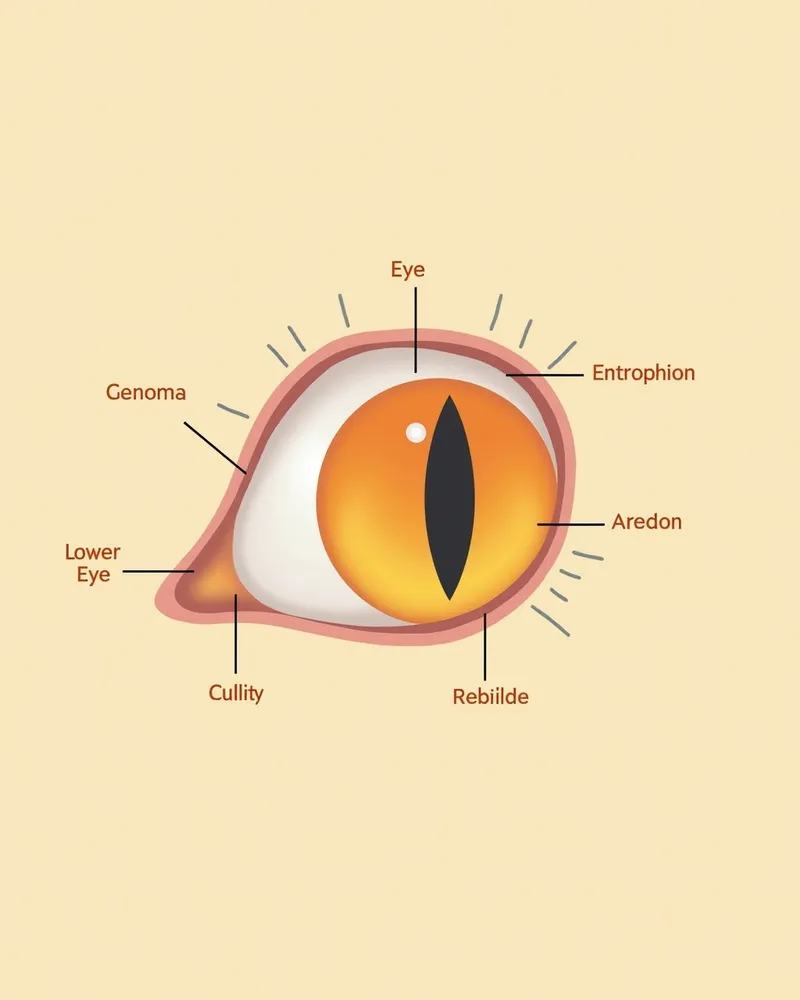
Entropion is broadly classified into three types based on its underlying cause: developmental (structural), cicatricial, and spastic. In cats, structural (developmental) entropion, where the inner and lower eyelids roll inward due to facial conformation, is common in brachycephalic breeds and is linked to breed-specific traits. In senior cats, atrophy of the fat surrounding the orbit can lead to enophthalmos, or sinking of the eyeball, which often causes the lower eyelid to roll inward. Additionally, entropion can develop following trauma or inflammation, such as cicatricial entropion resulting from scarring as eyelid margin wounds heal, or spastic entropion triggered by pain and eyelid spasms. Because these structural changes can worsen over time, early detection and management are crucial. Timely diagnosis and appropriate treatment are essential for protecting the cornea and preserving vision.
Diagram of the anatomical structure of entropion in a cat's eye

The main symptoms of entropion are tearing, eye discharge, squinting, and pain.
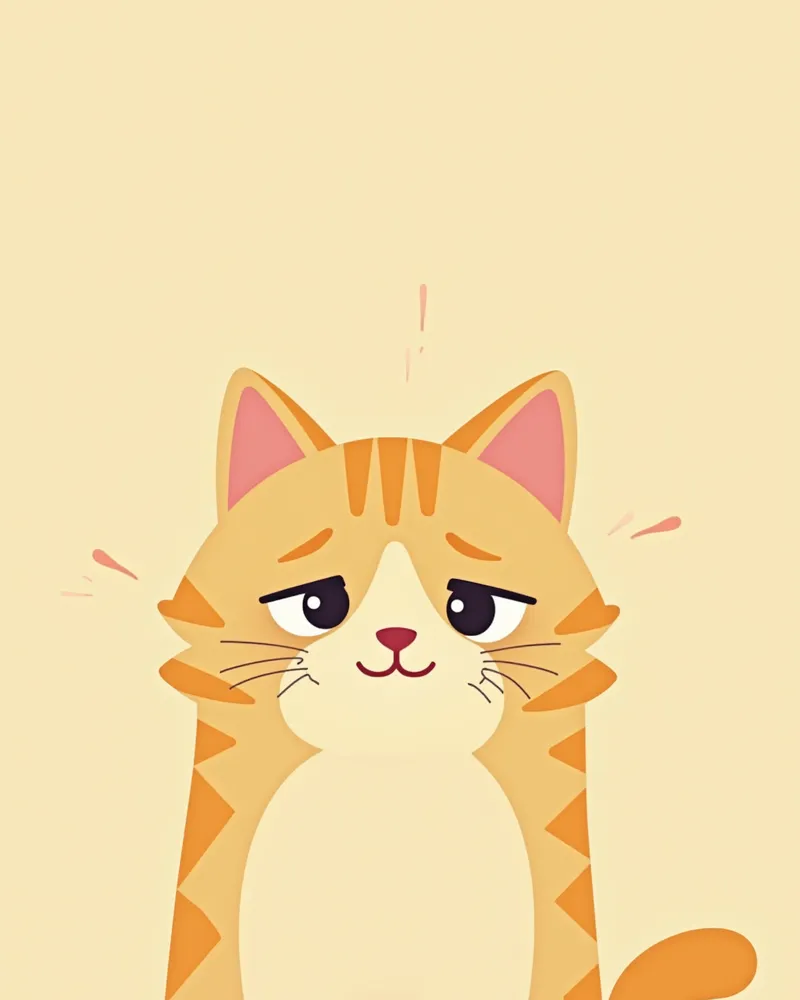
The hallmark signs of entropion include persistent tearing, redness of the conjunctiva, and the presence of mucous discharge or crusty eye secretions. Be alert if your pet frequently squints, blinks awkwardly, or shows repeated signs of light sensitivity. If they persistently scratch or rub their eyes, the cornea can become damaged, potentially leading to corneal ulcers, neovascularization, and scarring; in severe cases, this may result in vision loss. Eye pain may cause your pet to keep their eyes partially closed or resist being touched around the face, and you might notice a decline in activity level or appetite, reflecting an overall change in their well-being. If you observe unusual squinting or hiding behaviors, these could be signals of discomfort. Careful monitoring is essential, and it is important to consult a veterinarian if any of these symptoms appear.
A cat’s face showing discomfort due to entropion

Signs requiring immediate veterinary visit

If your pet’s eyes become red, tear excessively, remain partially closed, or if they repeatedly scratch or rub their eyes, seek veterinary care as soon as possible. Corneal ulcers or injuries can lead to vision loss, so it is crucial not to delay and to have a veterinarian examine your pet promptly when these symptoms appear.

Surgery is the primary treatment for entropion.
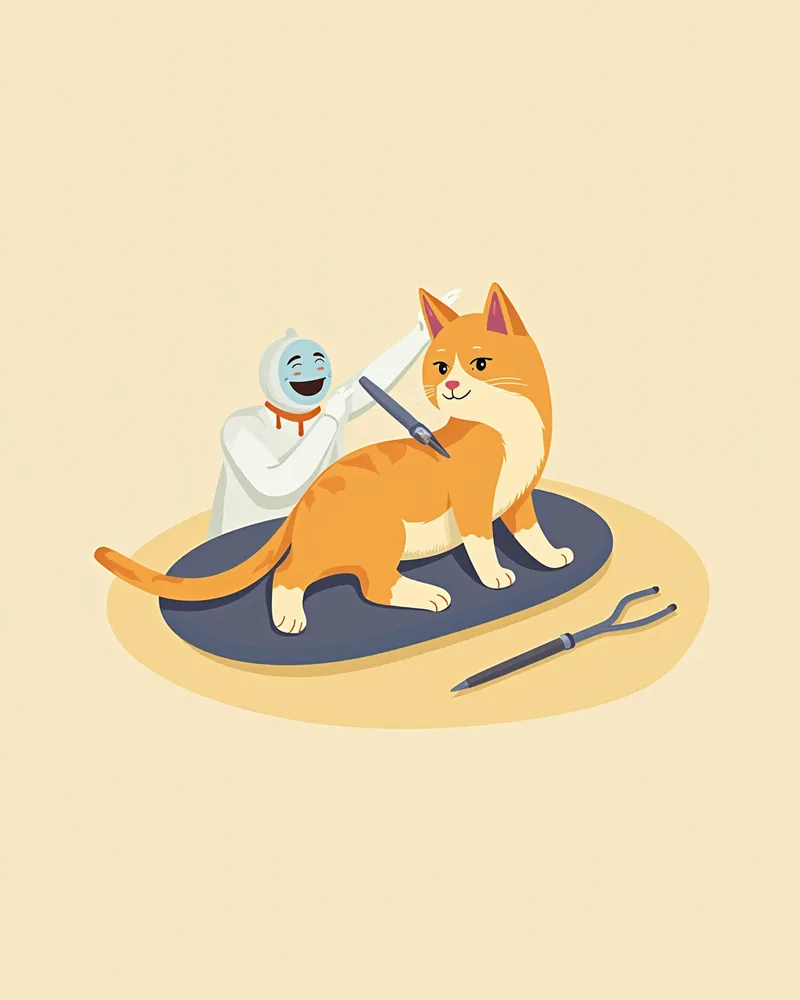
The definitive treatment for entropion is surgery. However, mild cases or transient (spastic) entropion in young animals may initially be managed conservatively with lubricants and anti-inflammatory therapy, as the condition often resolves spontaneously as the animal’s facial structure matures. Surgical correction involves repositioning the inverted eyelid to its normal anatomical location or removing excess skin, using techniques such as the Hotz-Celsus procedure. Postoperatively, antibiotics and anti-inflammatory medications are administered, along with measures to protect the eye. Prior to surgery, a thorough ophthalmic examination is conducted to assess the corneal condition and the degree of eyelid inversion. In young animals, surgery is typically deferred until the eyelid structure has fully matured; in the interim, temporary measures such as sutures or staples may be used to evert the eyelid. Regular postoperative follow-up examinations are essential to closely monitor tear production and any changes in ocular health.
A cat undergoing surgery for entropion

The key to managing entropion is early detection and regular check-ups.
Feline entropion often presents with only mild symptoms like tearing or discharge in its early stages, making it easy for owners to overlook. Regular eye exams are especially important for high-risk cats, such as seniors and brachycephalic breeds. Gently clean the area around the eyes and maintain hygiene if tear staining occurs. Even after surgery, regular follow-up visits are necessary, and you should closely monitor any changes in your cat’s eye condition. Early detection is crucial for protecting the cornea and vision, as well as maintaining your cat’s quality of life. If your cat frequently squints or rubs its eyes, please visit the vet as soon as possible. Regular check-ups are highly effective in preventing complications such as corneal ulcers.
Cleaning around a cat's eyes

Comparison of entropion treatments: Surgery vs. Conservative Management

ItemSurgical TreatmentConservative Management
Durability of effectLong-term, definitive correctionTemporary relief
Suitable casesSignificant secondary lesions such as corneal damageMild symptoms, cases where surgery is difficult
Cost and durationHigh, requires recovery/management periodLow, requires ongoing management
Side effects/limitationsInfection, recurrence, ectropion if overcorrectedUnderlying cause is not corrected, so irritation persists

Surgery is the definitive corrective method for entropion, but conservative management should be used for mild cases or as a temporary measure until surgery.

Note: Pre- and post-operative care is important

After surgery, your pet may need protective measures, such as an Elizabethan collar, to prevent eye injury. It’s important to administer antibiotics and anti-inflammatory medications exactly as prescribed by your veterinarian, and to keep your pet from touching or scratching their eyes. Regular follow-up visits on schedule are essential to monitor your pet’s eye health during recovery.

Reviewed by a veterinarian

Dr. Tony — Punnawat Phongkittirak

Dr. Tony — Punnawat Phongkittirak

Veterinarian

A veterinarian who majored in veterinary medicine at Khon Kaen University, Thailand, and completed the IVSA program at North Carolina State University in the United States. Drawing on clinical experience at animal hospitals, he works in the pet healthcare field and is dedicated to building a digital care environment that connects pet parents with veterinarians.

Frequently Asked Questions

Can entropion in cats resolve naturally as they grow?
In young kittens, mild entropion may improve on its own as their facial structure matures. However, structural entropion in brachycephalic breeds or entropion caused by enophthalmos in older cats rarely resolves spontaneously, so surgical correction is often necessary if symptoms persist.
How painful is entropion surgery?
Surgery is performed under anesthesia, so your pet won’t feel any pain during the procedure. After surgery, there may be some discomfort, but your veterinarian will prescribe appropriate pain medication to manage it.
Can entropion be transmitted to other cats?
No, entropion is a condition caused by structural or developmental factors, or age-related sunken eyes, so it is neither infectious nor contagious. It will not spread to other cats.
Can entropion recur after surgery?
While most cases correct well, some may recur or overcorrect, leading to ectropion, where the eyelid turns outward. Therefore, it's a good idea to have regular check-ups after surgery to monitor the eye's condition.
Can entropion be prevented?
While structural and genetic factors are difficult to prevent, early detection and management are possible through regular eye exams, especially for senior cats or those at higher risk. It’s important to monitor your cat based on their breed characteristics and age.

Share

Related Guides

References

[1] The Cat, Clinical Medicine and Management, 2nd Edition. Elsevier, 2020.

[2] Maggs DJ. Third eyelid. In: Maggs DJ, Miller PE, Ofri R, Slat... Clinical Atlas of Canine and Feline Ophthalmic Disease, 2nd Ed. Elsevier, 2018.

[3] Cullen CL, Njaa BL, Grahn BH. Ulcerative keratitis associated with qualitative tear film abnormalities. Vet Ophthalmol. 1999;2:197–204.

This information is based on veterinary literature and does not replace diagnosis or treatment. Please consult a veterinarian for specific health concerns.

Metapet Co., Ltd. | CEO: Park Sung-yong | Business Reg. No. 417-88-02562 | Seoul, South Korea | Customer Center

Feline Entropion FAQ: Signs You Must See a Vet Now | Meongsiljang