Like
Share
멍실장
고양이 안압 측정(토노메트리) 자주 묻는 질문 Q&A — 보호자가 꼭 알아야 할 핵심

What Is Intraocular Pressure Measurement in Cats? — How to Diagnose Glaucoma Early

Eye HealthQ&AMeongsiljang Veterinary Advisory Board

Measuring intraocular pressure in cats is essential for the early detection of serious eye conditions such as glaucoma. We’ve outlined the key procedures, equipment, and precautions that pet owners should know.

What Is Intraocular Pressure Measurement (Tonometry) in Cats?
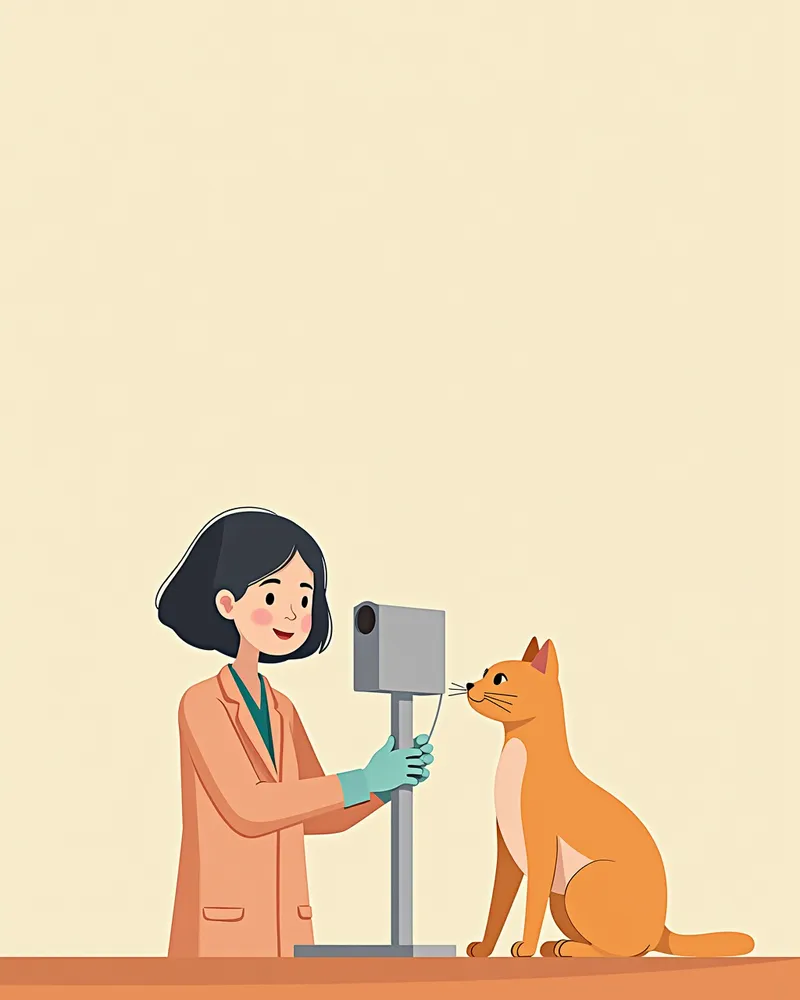
A veterinarian using a tonometry device on a cat's eye
Measuring intraocular pressure (IOP) in cats is a test that quantifies the pressure inside the eye, serving as a crucial step in evaluating eye conditions such as glaucoma. - IOP Measurement: This key procedure quantifies internal eye pressure to determine whether the optic nerve is under stress. - Glaucoma Risk: Persistently elevated IOP can damage the optic nerve, potentially leading to vision loss or blindness. - Characteristics of Feline Glaucoma: Primary glaucoma, caused by genetic predisposition, is very rare in cats; most cases are secondary glaucoma, which develops following other eye diseases such as uveitis. - Importance of Early Detection: Identifying abnormalities before symptoms appear or in the early stages significantly increases the likelihood of preserving vision through treatment. - Regular Evaluation: It is advisable to consult with a veterinarian to check IOP if your cat shows any signs of eye issues or is suffering from other eye diseases.

What Devices Are Used?

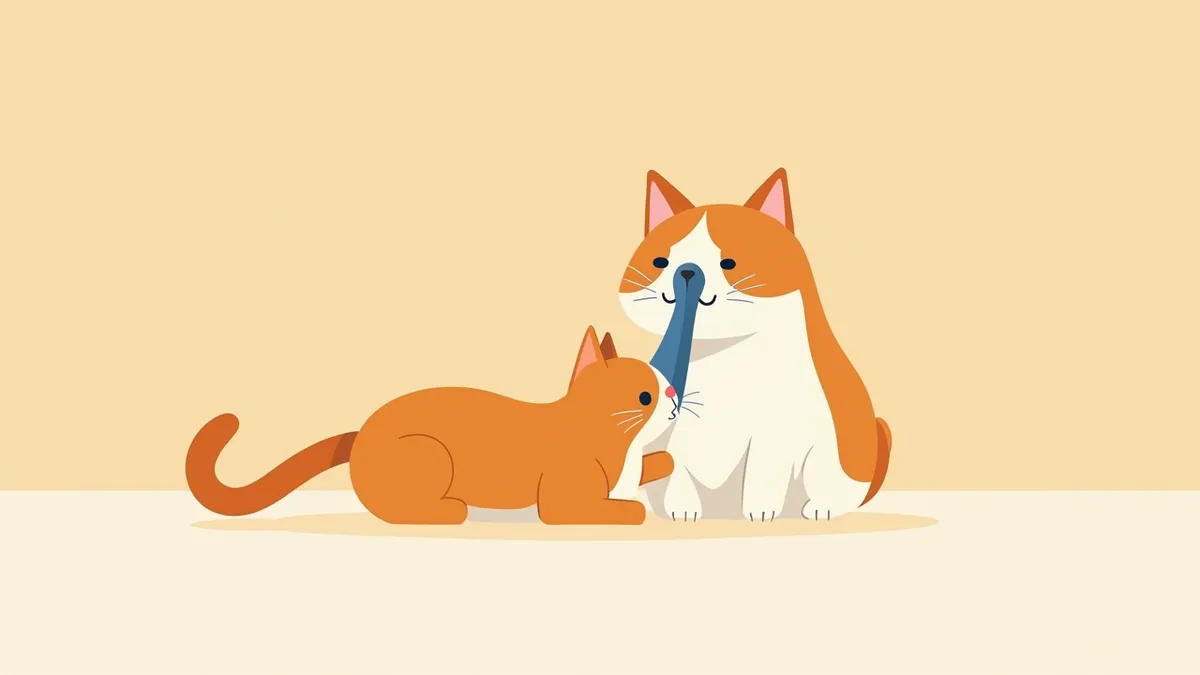
Tonometry in cats is primarily performed using either the TonoPen or the TonoVet. - TonoPen: This device uses an applanation method. After the cornea is anesthetized, the probe is gently placed against it to slightly flatten the surface, and the pressure is determined by averaging multiple readings. - TonoVet: This device uses a rebound method. A lightweight probe briefly touches the cornea and bounces back, measuring the pressure in a gentle and rapid process. - Common considerations: Both devices require the probe tip to be positioned perpendicular to the curvature of the cornea. Care must be taken to avoid excessive pressure on the eye or the jugular vein. - Device selection: The veterinarian selects the most appropriate device based on the cat’s condition, level of stress, and ocular anatomy. - Interpreting results: Since readings can vary depending on the environment and the animal’s response, the veterinarian makes a comprehensive assessment to interpret the results.
Two tonometry devices: TonoPen and TonoVet

Is the Examination Painful?

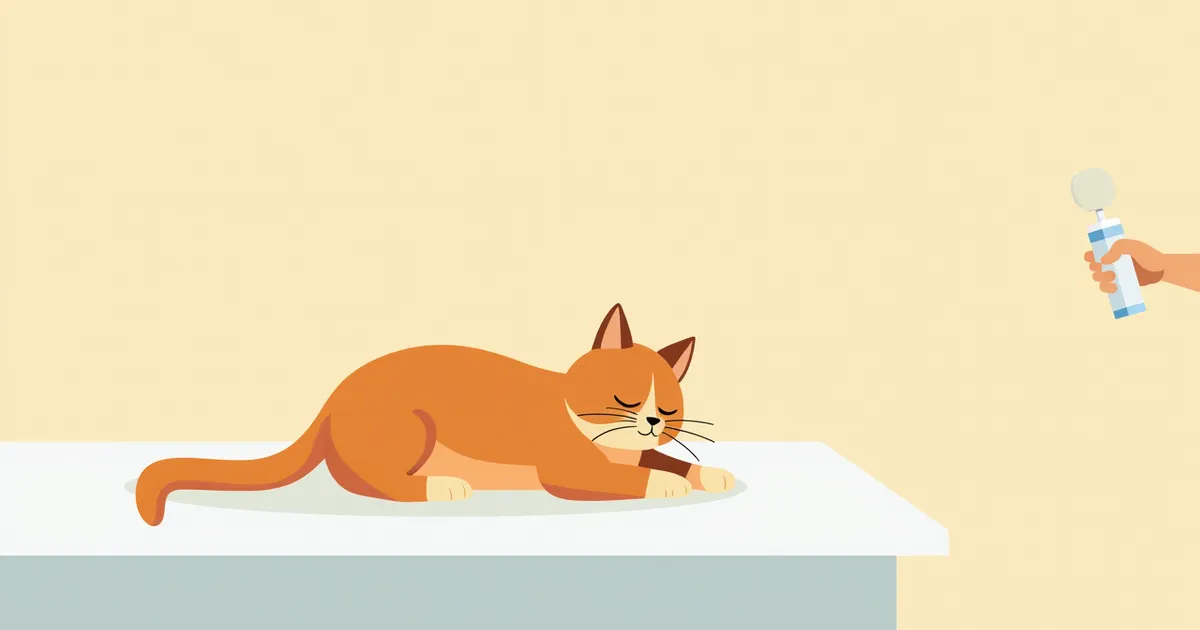
Most cats do not experience significant discomfort during the examination. - When using TonoVet: This rebound tonometer uses a lightweight probe that briefly touches the cornea and bounces off, allowing for a gentle and rapid measurement without the need for local anesthetic eye drops. - When using TonoPen: This applanation tonometer requires instilling local anesthetic eye drops into the cornea before measurement to minimize discomfort when the device makes contact. - Considering the cat’s response: The veterinarian monitors the cat’s stress levels and proceeds slowly and gently throughout the examination. - Minimizing discomfort: All examination tools are clean and disinfected, and contact time is kept extremely brief. - Providing a calm environment: The examination is conducted in a quiet space to help keep the cat relaxed and reduce anxiety.
A cat having its eye pressure measured without anesthesia

How to Prepare for the Examination?

Following the correct order of tests is crucial for accurate results. - Tear test first: The Schirmer tear test, which measures tear production, should be performed before applying any eye drops. - Caution with medications affecting intraocular pressure: Eye drops containing steroids (corticosteroids) or mydriatics like tropicamide, which dilate the pupil, can raise intraocular pressure. Please inform your veterinarian in advance if these have been used. - Avoid eye irritation: Try to prevent your cat from rubbing or being touched roughly around the eyes before the examination. - Use of anesthetic drops: When measuring with a TonoPen, a local anesthetic eye drop is applied to the cornea, whereas the TonoVet can be used without anesthesia. - Veterinarian’s judgment takes priority: Your veterinarian will directly assess the eye condition before testing and may perform additional tests, such as a tear test, to ensure the reliability of the results.
A veterinarian preparing for a tonometry test

Comparison Table: TonoPen vs TonoVet

ItemTonoPenTonoVet
Measurement methodApplanation methodRebound method
Anesthesia requiredUsually requiredUsually not required
Measurement speedModerateFast
Cat stress levelMediumLow

The TonoVet uses a rebound method, allowing gentler and faster measurement in cats. The veterinarian chooses based on the situation.

When Is the Examination Necessary?
If your cat frequently rubs its eyes, has red or bloodshot eyes, shows light sensitivity, or appears to have diminished vision, a veterinary examination is necessary. - When symptoms are suspected: Be alert if your cat squints (blepharospasm), if the cornea appears cloudy or hazy, if pupil size is abnormal, or if the eye appears painful. - When other eye diseases are present: Feline glaucoma is most often secondary, developing as a complication of other eye conditions such as uveitis. Therefore, if your cat has an existing eye disease, monitoring intraocular pressure is essential. - Breed and genetic factors: Hereditary (primary) glaucoma is very rare in cats. Rather than focusing on specific breeds, diagnosis should be based on observed eye symptoms and medical history. - Preventive assessment: Even in the absence of obvious symptoms, consult your veterinarian for an examination if you notice any changes in your cat’s eye health. - Benefits of early intervention: Early detection significantly increases the likelihood of preserving vision through treatment.
An elderly cat undergoing an eye examination by a veterinarian

Signs Requiring Immediate Veterinary Visit

If your cat keeps its eyes tightly shut, produces excessive tears, has cloudy-looking eyes, or shakes its head in apparent pain, seek veterinary care immediately. These signs may indicate a sudden rise in intraocular pressure. Prompt treatment is crucial to preserve vision.

How to Interpret the Examination Results?

Normal intraocular pressure typically ranges from 15 to 25 mmHg. - Normal range: Pressures above this range may indicate glaucoma, while pressures below it could suggest other eye conditions such as uveitis. - Individual variations: Readings can vary depending on factors like age, measurement conditions (e.g., tension), corneal status, and time of day. - Caution during measurement: Excessive restraint that compresses the jugular vein can cause falsely elevated pressure readings. - Limitations of single measurements: A single reading is insufficient for diagnosis; repeated measurements are necessary. - Comprehensive assessment: Test results should be interpreted in conjunction with the overall eye condition, behavioral changes, and findings from other diagnostic tests.
A veterinarian checking the results of a cat's intraocular pressure measurement.

Reviewed by a veterinarian

Dr. Tony — Punnawat Phongkittirak

Dr. Tony — Punnawat Phongkittirak

Veterinarian

A veterinarian who majored in veterinary medicine at Khon Kaen University, Thailand, and completed the IVSA program at North Carolina State University in the United States. Drawing on clinical experience at animal hospitals, he works in the pet healthcare field and is dedicated to building a digital care environment that connects pet parents with veterinarians.

Frequently Asked Questions

How long does it take to measure a cat's intraocular pressure?
It usually takes about 1 to 2 minutes per eye. If both eyes are measured, it takes around 3 to 5 minutes. The time may vary depending on the cat's condition.
Is there anything special I should watch out for after the test?
After the examination, avoid touching your pet’s eyes, and if your veterinarian has prescribed any medication, use it as directed. In most cases, there are no special aftereffects.
Can kittens also be tested?
Yes, young cats can also undergo the test. The veterinarian will assess the cat’s condition and cooperation level before deciding whether to proceed. Young cats tend to have lower intraocular pressure readings compared to adult cats.
How often should I have my pet undergo routine check-ups?
The recommended check-up interval varies depending on your cat’s eye health. If your cat has an eye condition or elevated intraocular pressure, it’s best to have their eyes examined more frequently, at intervals recommended by your veterinarian.
Is intraocular pressure measurement covered by insurance?
Most pet insurance plans cover intraocular pressure measurements as part of routine preventive exams. Be sure to check with your insurer for details.

Share

Related Guides

References

[1] Rusanen E, Florin M, Hässig M, Spiess BM. Evaluation of a rebound tonometer (Tonovet) in clinically normal cat eyes. Vet Ophthalmol. 2010;13(1):31–6.

[2] The Cat, Clinical Medicine and Management, 2nd Edition. Elsevier Health Sciences, 2000.

[3] Tilley LP, Smith FWK. Blackwell’s Five-Minute Veterinary Consult: Canine and Feline. 4th ed. Wiley-Blackwell, 2007.

This information is based on veterinary literature and does not replace diagnosis or treatment. Please consult a veterinarian for specific health concerns.

Metapet Co., Ltd. | CEO: Park Sung-yong | Business Reg. No. 417-88-02562 | Seoul, South Korea | Customer Center

What Is Feline Tonometry? Diagnosing Glaucoma Early in Cats | Meongsiljang