Like
Share
멍실장
고양이 포도막염 자주 묻는 질문 Q&A — 보호자가 꼭 알아야 할 핵심

If Your Cat’s Eyes Are Red and Painful — Signs of Uveitis and When to Visit the Vet

Eye HealthQ&AMeongsiljang Veterinary Advisory Board

Feline uveitis is an inflammation of the eye that can lead to vision loss. Early detection and treatment are crucial, so we’ve compiled the key information every pet owner should know.

What Is Feline Uveitis?
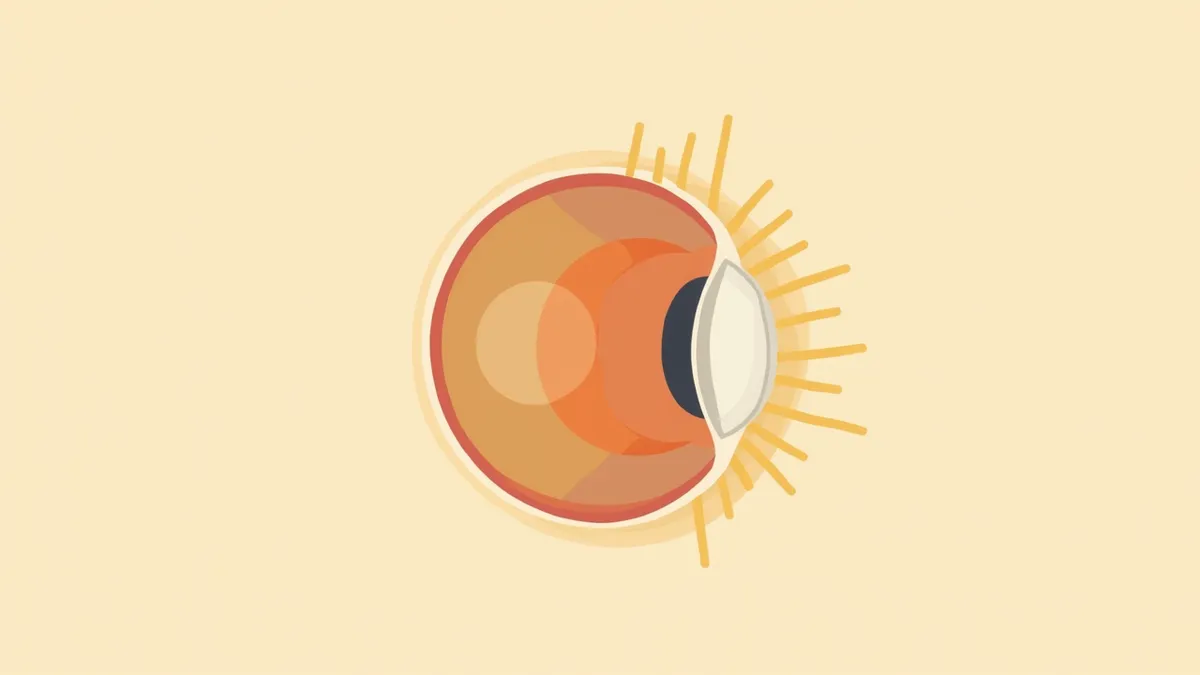
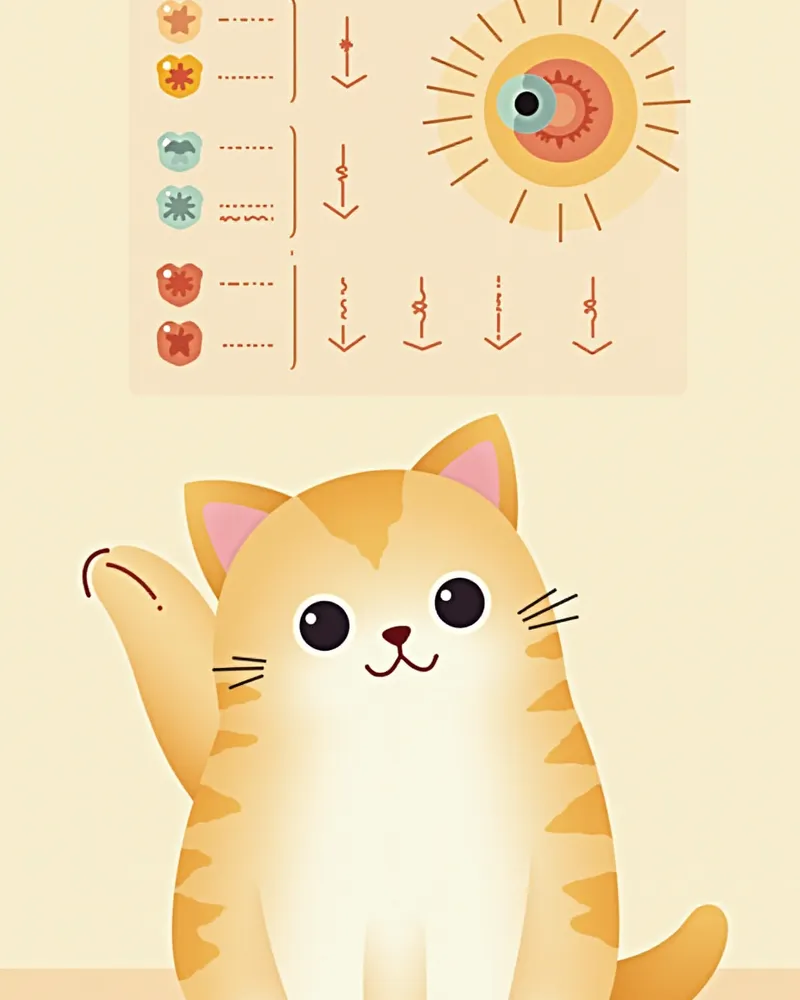
An anatomical diagram illustrating the uveal structures of a cat's eye
Feline uveitis is an inflammatory condition affecting the uvea, the vascular layer of the eye. It can lead to vision loss, corneal damage, or glaucoma. Early detection is key to successful treatment. If the condition becomes chronic, restoring vision becomes difficult, so it’s important to consult a veterinarian promptly. As inflammation progresses, it can cause structural damage to the eye, making it essential to visit a clinic quickly if symptoms appear. Accurate diagnosis and early treatment are crucial for preserving your cat’s vision.

What Are the Main Causes of Uveitis?

The causes of feline uveitis are divided into infectious and non-infectious categories. Infectious causes include feline immunodeficiency virus (FIV), feline leukemia virus (FeLV), feline infectious peritonitis (FIP), feline herpesvirus (FHV), protozoan infections such as Toxoplasma, as well as bacterial and fungal infections. Non-infectious causes include immune-mediated diseases, trauma, tumors (cancer), metabolic disorders, and genetic factors. In some cases, the cause remains unclear even after thorough diagnostic testing. - Infectious causes: These arise from viruses, bacteria, fungi, or protozoa like Toxoplasma, and may be associated with systemic infectious diseases. - Non-infectious causes: These include immune-mediated disorders, trauma, tumors, and metabolic diseases, which are key in determining the treatment approach. - Idiopathic (unknown cause): Idiopathic cases are the most common, with the exact cause remaining unidentified in approximately 40–70% of cases despite comprehensive testing. Nevertheless, identifying the cause is essential to developing a treatment plan, ensuring that treatable conditions or systemic diseases are not overlooked.
A medical chart summarizing the causes of feline uveitis

What Are the Main Symptoms of Uveitis?

The hallmark signs of feline uveitis include redness of the eye, light sensitivity (photophobia), excessive tearing, and reluctance to open the eye due to pain. You may notice redness of the conjunctiva, cloudy swelling of the cornea, or "aqueous flare"—a cloudiness in the anterior chamber caused by floating proteins and fibrin. Other possible signs include hypopyon (pus accumulation in the anterior chamber), hyphema (bleeding into the anterior chamber), asymmetry or irregularity of the pupils, and blurred vision. In severe cases, the cat may barely open its eyes or become unable to see light. If these symptoms persist or worsen suddenly, immediate veterinary attention is required. Early detection is key to preserving vision. If you suspect even mild symptoms, it is safest to consult your veterinarian.
A cat rubbing its eyes and showing signs of discomfort

Signs That Require Immediate Veterinary Care

If your pet’s eyes are severely bloodshot, the pupils are asymmetrical or irregular, they’re barely able to open their eyes due to pain, or their vision has suddenly deteriorated, seek veterinary care immediately. Uveitis is a highly painful condition that can lead to blindness if left untreated, and the underlying cause may even be life-threatening. Because there’s also an increased risk of secondary glaucoma or corneal damage, early treatment is crucial to preserving both life and vision.

What Tests Are Needed for an Accurate Diagnosis?
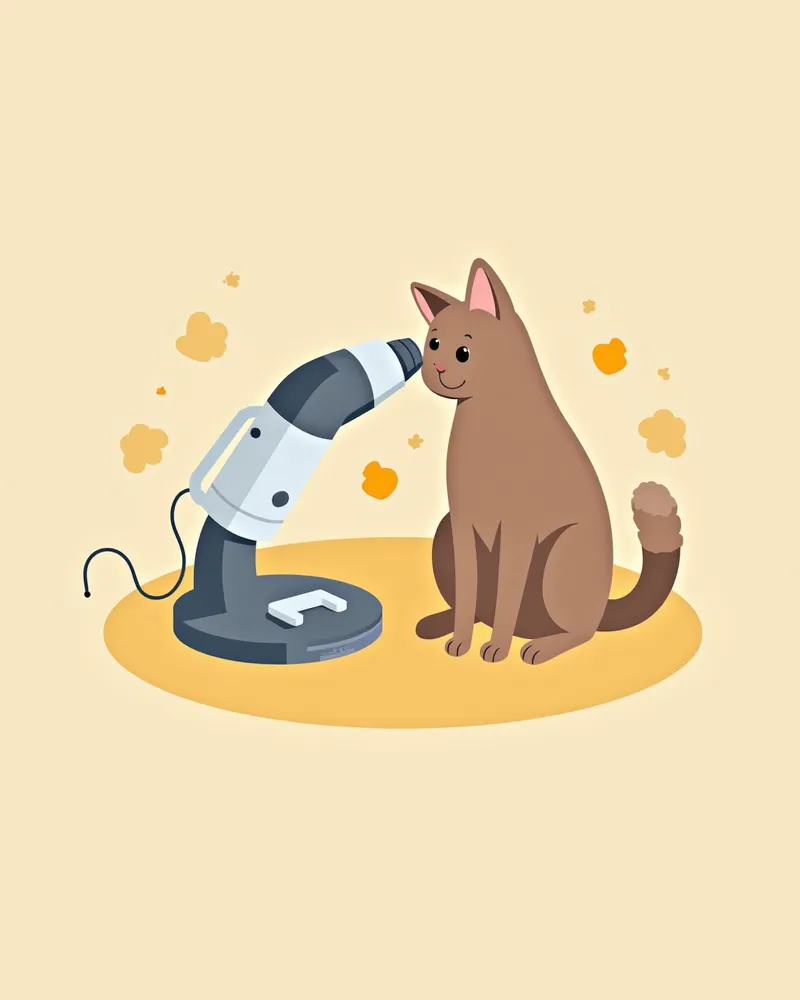
Accurate diagnosis of feline uveitis requires a combination of tests. When no clear external cause is identified, we conduct a thorough physical examination alongside tests to screen for underlying systemic diseases. - Ophthalmic Examination: We directly observe the eye to assess the extent of inflammation. - Physical Examination: A comprehensive check of the cat’s overall health helps uncover clues to hidden systemic conditions. - Blood Tests: A complete blood count (CBC) and serum biochemistry panel are used to detect infections or systemic abnormalities. - Infectious Disease Testing: We test for specific pathogens such as FIV, FeLV, FIP, and Toxoplasma. - Ophthalmic Imaging: Techniques like ultrasound help detect abnormalities in the deeper structures of the eye. Identifying the exact cause is the first step toward successful treatment.
A veterinarian examining a cat's eyes using a slit lamp

What Are the Treatment Options?

Treatment for feline uveitis depends on the underlying cause. If the condition is infectious, antibiotics or antiviral medications are used. In cases of severe inflammation, steroids or immunosuppressants may be prescribed. Anti-inflammatory drugs are also often administered to help relieve pain. The treatment period can range from several weeks to several months. It is crucial to administer medication consistently without interruption for the prescribed duration. Failure to follow veterinary instructions can lead to recurrence or complications. Regular veterinary visits and follow-up examinations are also necessary. Throughout treatment, it is important to carefully monitor any changes in symptoms.
A veterinarian administering medication to a cat

Comparing Severity Levels of Uveitis by Symptoms

ItemMildModerateSevere
Degree of rednessMild rednessSevere rednessRedness of the entire eye
Response to lightSlightly avoidsStrongly avoidsCannot see light
Vision changeNormalSlightly blurredSeverely blurred or blind
Treatment courseImprovement expected with short-term treatmentTreatment may become prolongedLong-term treatment and recurrence management needed

The more severe the symptoms, the harder recovery can become, and without treatment it can lead to blindness. However, no single sign can definitively identify a specific cause, so a comprehensive veterinary diagnosis is essential.

Caution: Precautions When Taking Medication

Long-term use of steroids or immunosuppressants can lead to side effects. While your cat is on these medications, closely monitor any changes in appetite, bowel movements, and mental state. Never stop the medication abruptly; instead, gradually taper the dose under your veterinarian’s guidance.

Reviewed by a veterinarian

Dr. Tony — Punnawat Phongkittirak

Dr. Tony — Punnawat Phongkittirak

Veterinarian

A veterinarian who majored in veterinary medicine at Khon Kaen University, Thailand, and completed the IVSA program at North Carolina State University in the United States. Drawing on clinical experience at animal hospitals, he works in the pet healthcare field and is dedicated to building a digital care environment that connects pet parents with veterinarians.

Frequently Asked Questions

Is feline uveitis treatable?
In most cases, symptoms improve with appropriate treatment, and vision is either maintained or restored. In particular, idiopathic (cause unknown) uveitis tends to respond better to treatment than infectious or neoplastic uveitis. However, early diagnosis and consistent treatment are essential.
Can uveitis recur?
Yes, clinical uveitis can recur or become chronic. In particular, if the cause is unclear or the condition has become chronic, the likelihood of recurrence is high, so regular ophthalmic examinations are important.
Is uveitis a common condition in cats?
This is not a rare condition overall; it is one of the common and painful causes of eye redness. The risk is especially high in cats with systemic infections such as feline immunodeficiency virus (FIV), feline leukemia virus (FeLV), or infectious peritonitis (FIP).
Can uveitis be transmitted to other cats?
Uveitis itself is not contagious, but if it’s caused by an infectious agent such as FIV, FeLV, or FIP, the underlying infection can spread to other cats. If a viral infection is suspected, it’s best to prevent contact with other cats and follow your veterinarian’s management instructions.
Is it possible to prevent uveitis?
Some causes can be prevented. For example, vaccinations against feline leukemia virus (FeLV) and herpesvirus, reducing outdoor exposure and contact with infectious agents, and managing parasites and Toxoplasma can all help. Regular health check-ups are also important.

Share

Related Guides

References

[1] Kirk RW, Bonagura JD. Current Veterinary Therapy XII: Small Animal Practice. 2020.

[2] Gelatt KN, et al. Veterinary Ophthalmology. 5th ed. Wiley-Blackwell, 2018.

[3] American College of Veterinary Ophthalmologists. Guidelines for Diagnosis and Management of Feline Uveitis. 2022.

This information is based on veterinary literature and does not replace diagnosis or treatment. Please consult a veterinarian for specific health concerns.

Metapet Co., Ltd. | CEO: Park Sung-yong | Business Reg. No. 417-88-02562 | Seoul, South Korea | Customer Center

Red, Painful Cat Eyes: Signs of Uveitis and When to See a Vet | Meongsiljang