
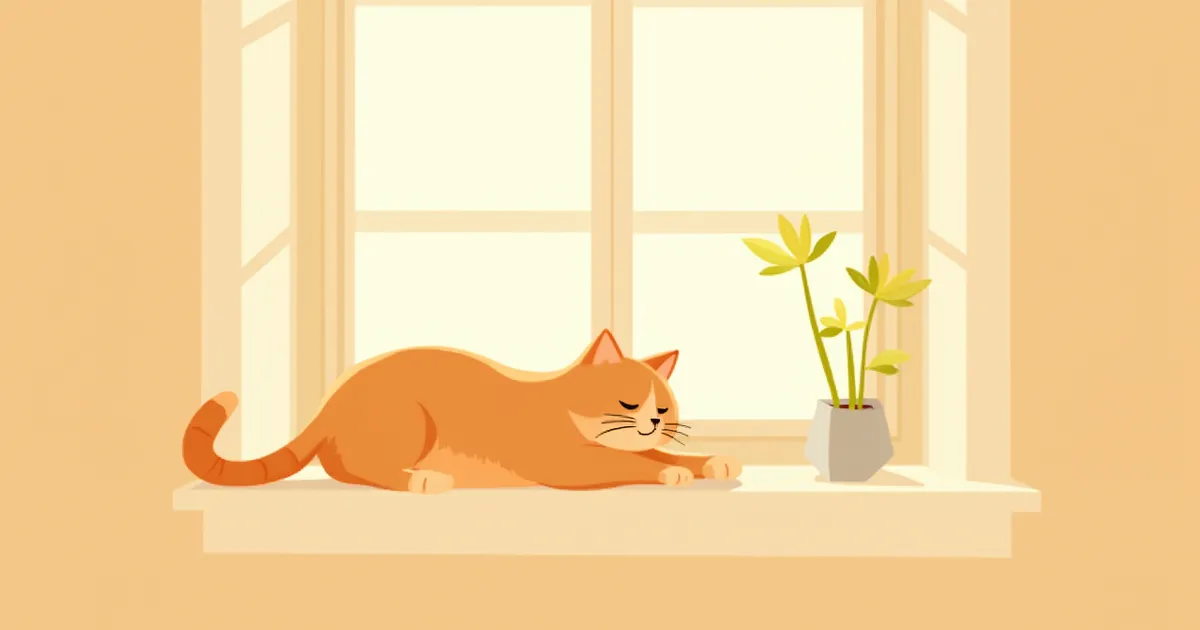
A Complete Guide to a Cat’s Daily Routine and Activity Patterns
A cat’s daily routine consists of sleeping, grooming, hunting play, and eating. We’ll share their activity patterns by time of day and tips for creating a healthy daily routine.
How Is a Cat’s Daily Routine Structured?

Why Do Cats Sleep More Than Half the Day?
Cat Activity Patterns by Time of Day
| Item | Main activity | Owner's role |
|---|---|---|
| 5–7 AM | Hunting play·requesting food | Give morning meal |
| 9 AM–12 PM | Grooming·sunbathing | Keep a quiet environment |
| 12–4 PM | Deep sleep | Minimize disturbance |
| 5–8 PM | Active play·hunting | Toy play for 15–20 minutes |
| 9 PM–12 AM | Evening meal·grooming | Give evening meal |
| 1–4 AM | Light sleep·patrolling | Keep the sleeping environment calm |
There are individual differences, and it may vary depending on the indoor environment and feeding time
Checklist for a Healthy Cat’s Daily Routine

When to Visit the Vet for Changes in Daily Routine
If your pet hasn’t eaten for more than 24 hours, is sleeping noticeably longer than usual, seems sluggish, or is hiding and refusing to come out, these could be early signs of illness. Hiding, lethargy, and changes in sleep patterns are common behavioral changes associated with pain or chronic stress. A sudden stop or increase in grooming can also be an important clue indicating stress, pain, or skin disease. Changes in water and food intake or urination and defecation frequency may also signal kidney or lower urinary tract issues. If you notice any deviations from your pet’s normal routine, it’s best to seek veterinary care within 24 to 48 hours.
What Owners Should Provide in Daily Life
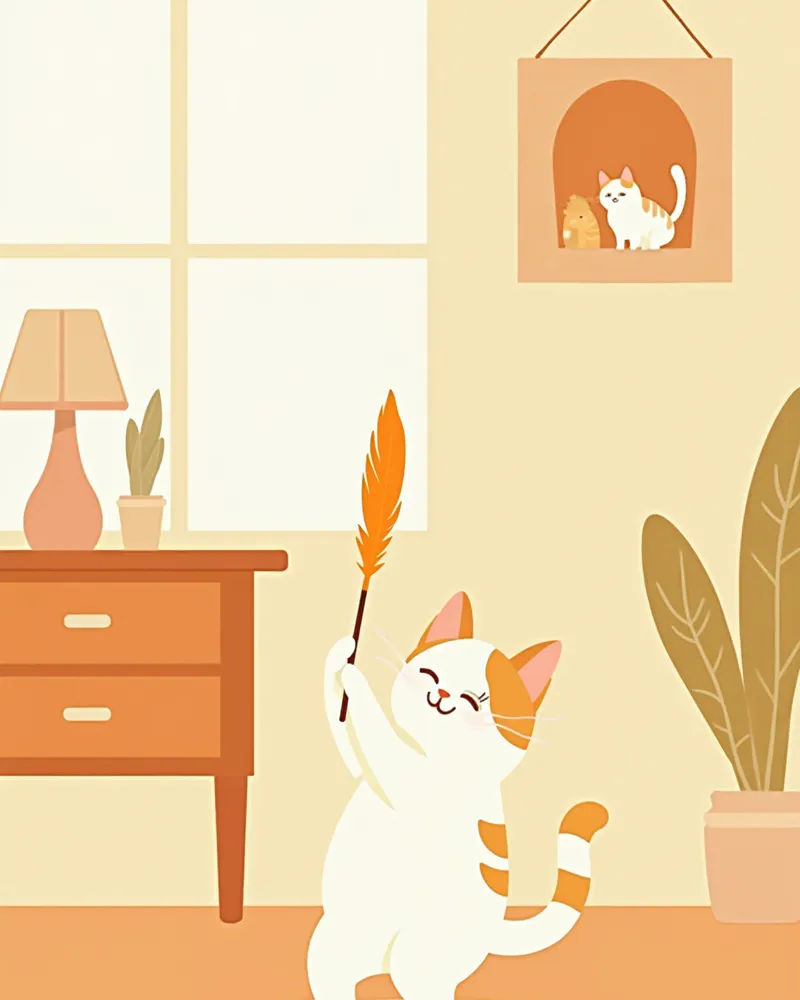
Daily Routine Patterns Vary by Age
How to Maintain Immunity in Indoor Cats’ Daily Lives
Chronic stress is a significant factor that can negatively impact the overall health and behavior of indoor cats. In fact, it is linked to various physical and behavioral changes, such as appetite fluctuations, excessive grooming, and inappropriate elimination. Therefore, simply maintaining a consistent routine with regular meal times, a quiet resting area, and short daily play sessions can help establish a healthy daily rhythm. In multi-cat households, the key to preventing chronic stress is providing one litter box for every cat plus one extra, along with ensuring each cat has its own hiding spot.
Reviewed by a veterinarian

Dr. Tony — Punnawat Phongkittirak
VeterinarianA veterinarian who majored in veterinary medicine at Khon Kaen University, Thailand, and completed the IVSA program at North Carolina State University in the United States. Drawing on clinical experience at animal hospitals, he works in the pet healthcare field and is dedicated to building a digital care environment that connects pet parents with veterinarians.
Reviewed 2026-04-26
Frequently Asked Questions
Is it normal for my cat to seem like it’s sleeping all day?
Is there any way to stop my dog from barking in the early morning and keeping me awake?
Is it okay if my cat grooms itself for too long?
My pet is left alone for long periods. Could this disrupt their daily routine?
My senior cat has suddenly become less active. Could this be due to aging?
Share
Related Guides

Primary vs. Secondary Veterinary Hospitals: A Comparison
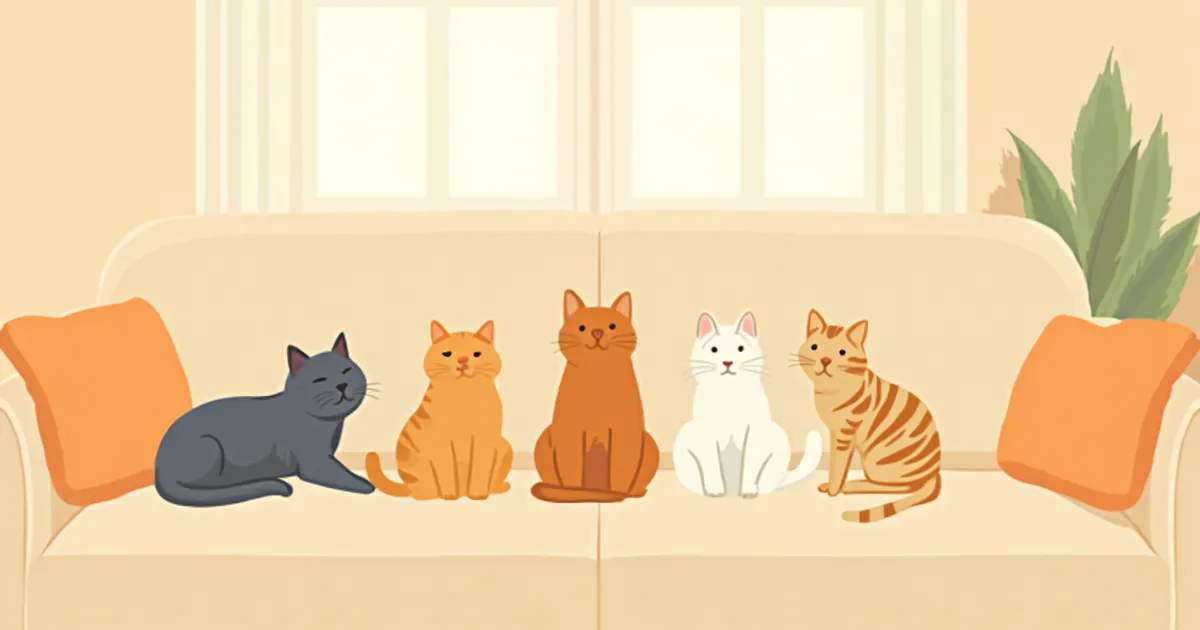
5 Easy-to-Raise Cat Breeds for First-Time Owners — Grooming Difficulty Comparison

Top 7 Short-Legged Dog Breeds

Why Is My Cat’s Eye Sticky? — Causes and Management of Keratoconjunctivitis Sicca (KCS)

What if a tumor develops inside a cat’s eye? — What are the early symptoms and diagnostic methods?
Feline Herpes Keratitis FAQ — Key Information Every Pet Owner Should Know

What Is Feline Glaucoma? — From Symptoms to Preventing Blindness: A Must-Read for Pet Owners

What Is Fluorescein Staining for Cats? — A Complete Guide to the Procedure and Result Interpretation

Why Do Tear Stains Form on My Cat? — Causes and When to Visit the Vet Q&A

Feline Entropion (Eyelid Rolling) FAQ — Key Information Pet Owners Must Know
References
[1] The Cat, Clinical Medicine and Management, 2nd Edition - Feline Behavior and Daily Activity Patterns
[2] A Professional's Guide to Feline Behaviour: Understanding, Improving and Resolving Problems
[3] Ellis, S.L. (2009) Environmental enrichment: Practical strategies for improving feline welfare, Journal of Feline Medicine and Surgery, 11(11), 901-912