

My Cat Is Suddenly Breathing Rapidly — Emergency Signs of Heart Failure and When to Go to the Vet
Early detection is crucial for improving survival rates in cats with heart failure. We’ve outlined the immediate actions and precautions pet owners should take in emergency situations.
Emergency Care for Feline Heart Failure Is Key to Saving Lives

Key Causes and Mechanisms of Heart Failure Emergencies
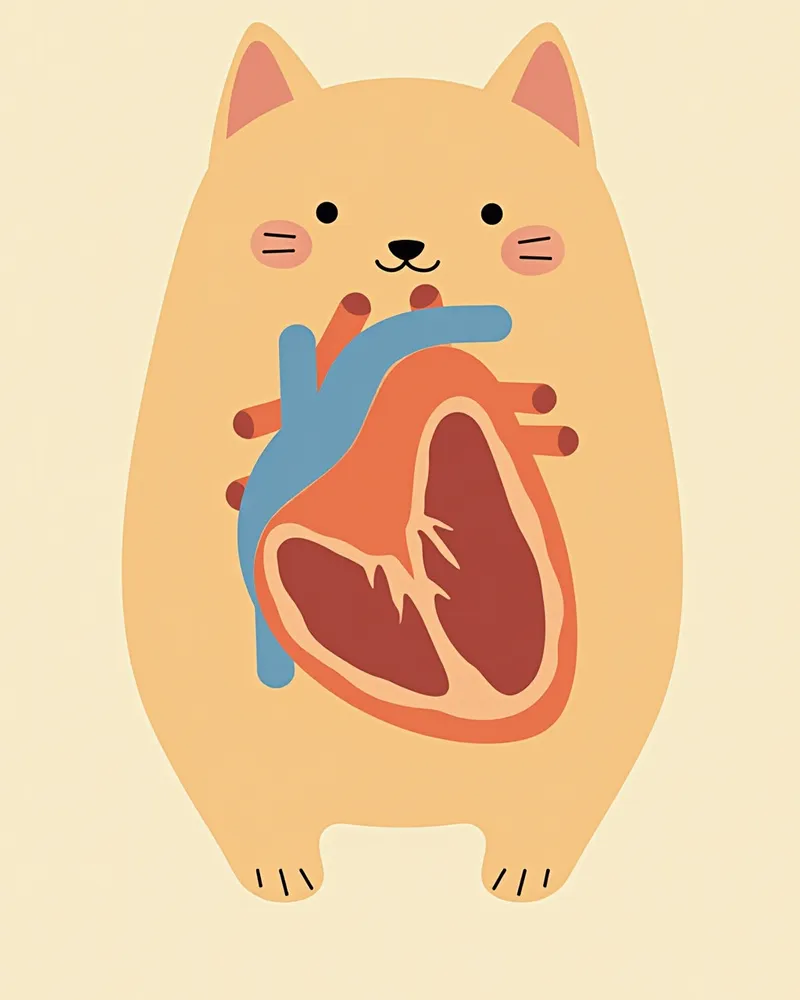
5 Major Signs of Heart Failure Emergencies

Emergency Signs Requiring Immediate Veterinary Visit
If your pet is struggling to breathe, or if their lips or paw pads turn blue, seek veterinary care immediately. Similarly, if they collapse into shock or become disoriented, this is a life-threatening emergency—contact emergency services or an emergency animal hospital right away.
Comparison Table of Responses by Heart Failure Emergency Situation
| Item | Emergency Response | Items to Prepare for Hospital Visit |
|---|---|---|
| Difficulty Breathing | Calm the cat in a position that makes breathing easier, and move it to a well-ventilated area. | Prepare an oxygen mask or oxygen cap. |
| Abdominal/Chest Distension | Keep the cat from moving to reduce strain, and if breathing appears labored, move to the hospital for observation without delay. Cats commonly have fluid accumulation in the thoracic cavity. | Prepare records of abdominal/chest circumference measurements and recent weight records. |
| Reduced Consciousness | Take care to maintain body temperature, and move to the hospital quickly. | Bring a list of recently administered medications and hospital records. |
In an emergency, the guardian's quick judgment determines the start of treatment.
Preparations Owners Can Make Before Visiting the Clinic

4 Precautions for Emergency Care

Caution on Drug Interactions — Especially When Using ACE Inhibitors
If your cat is taking an ACE inhibitor, interactions with other medications in an emergency can cause severe hypotension. Be sure to provide a list of all current medications before arriving at the clinic to help the veterinarian adjust treatment promptly.
Reviewed by a veterinarian

Dr. Tony — Punnawat Phongkittirak
VeterinarianA veterinarian who majored in veterinary medicine at Khon Kaen University, Thailand, and completed the IVSA program at North Carolina State University in the United States. Drawing on clinical experience at animal hospitals, he works in the pet healthcare field and is dedicated to building a digital care environment that connects pet parents with veterinarians.
Reviewed 2026-06-03
Frequently Asked Questions
How should I provide emergency care for a cat with heart failure?
Is it okay to give my cat medication before going to the vet?
Can an oxygen mask be used in an emergency situation involving heart failure?
What should I do if my cat collapses?
What should I prepare before arriving at the hospital in a heart failure emergency?
Share
Related Guides

Coenzyme Q10 Benefits and Administration Guide

Dog Pulmonary Edema Warning — 7 Best Diuretics (Furosemide) for Heart Management

7 Best Prescription Diets for Feline Heart Disease Recommended by Veterinarians — Criteria for Choosing Low-Sodium Food

Frequently Asked Questions on Recommended Cat Oral Exam Intervals — Key Points Every Owner Should Know

Is early detection of dog cancer possible? — Which screening tests should be done first?

Is My Breed at Risk for Hepatitis? — Vulnerable Breeds and Early Signs Not to Miss

What is Feline Triaditis (Liver-Pancreas-Intestine)? — Key Summary from Symptoms to Treatment

Is leptospiral kidney involvement in puppies dangerous? — A complete guide to symptoms and prevention
What is feline ureteral obstruction? — Why is it an emergency?

Frequently Asked Questions (Q&A) on Feline Hypertrophic Cardiomyopathy Genetic Testing — Key Information Every Pet Owner Should Know
References
[1] H. M. K. et al. (2022) Textbook of Cardiovascular Medicine in Dogs and Cats. Wiley-Blackwell.
[2] J. A. Smith et al. (2021) Handbook of Veterinary Pharmacology. Elsevier.
[3] American College of Veterinary Internal Medicine (ACVIM) (2023) Consensus Guidelines on Feline Congestive Heart Failure Management.