
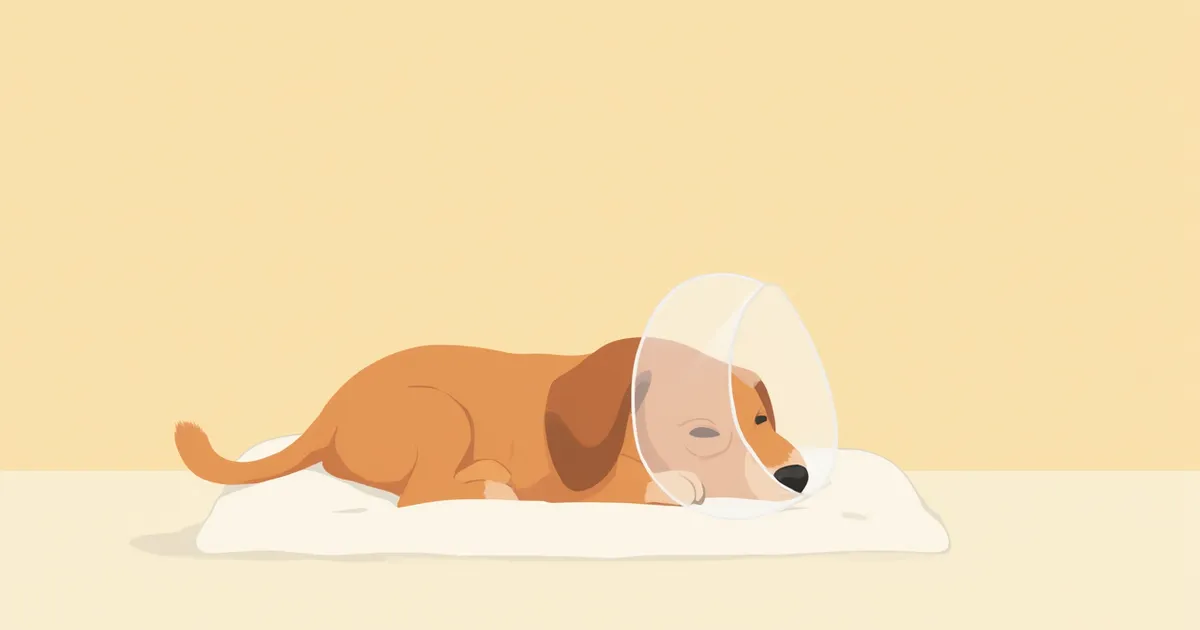
What is femoral head ostectomy (FHO)?
Femoral head ostectomy (FHO) is a surgical procedure that removes the damaged femoral head to alleviate pain and create a false joint. Here’s an overview of the surgical process, recovery period, and prognosis.
What is femoral head ostectomy (FHO)?

When is FHO chosen?
FHO vs. total hip replacement (THR) comparison
| Item | FHO | THR (artificial joint) |
|---|---|---|
| Suitable body weight | Mainly small and medium breeds (poor prognosis reported in large breeds) | Regardless of weight (preferred for large breeds) |
| Surgical difficulty | Relatively low | Very high (specialist required) |
| Recovery period | 6–12 weeks | 3–6 months |
| Joint function restoration | Pseudarthrosis formation (limited function) | Nearly normal joint function |
| Complication risk | Low | High (dislocation, infection, etc.) |
| Cost burden | Relatively low | Very high |
Consultation with a veterinarian is needed, taking into account body weight, breed, and the owner's ability to provide rehabilitation.
How is the surgery performed?

What to check before surgery
FHO is an irreversible surgical procedure. Because the femoral head cannot be restored to its original joint once removed, it is essential to carefully consider the following points before surgery: - Have conservative treatments (pain relievers, physical therapy, weight management) been adequately attempted? - Is the owner able to actively participate in the 8–12 week rehabilitation process? - Do preoperative blood tests and cardiac evaluations show no risk factors for anesthesia? - If both hips are affected, is the owner prepared for sequential surgeries, one hip at a time?
Recovery period and rehabilitation are the keys to success

Essential home care after surgery
Visit the vet immediately if you notice these symptoms
Most dogs recover smoothly after FHO surgery, but if you notice any of the following symptoms, it may indicate a complication, and you should visit the vet immediately: - Discharge, pus, or a foul odor from the surgical site - Complete refusal to put weight on the operated leg even after 3 days post-surgery - High fever (above 39.5°C) lasting more than 24 hours - Persistent whimpering due to pain even after 2 weeks post-surgery - The incision opening up or stitches coming out
Reviewed by a veterinarian

Dr. Tony — Punnawat Phongkittirak
VeterinarianA veterinarian who majored in veterinary medicine at Khon Kaen University, Thailand, and completed the IVSA program at North Carolina State University in the United States. Drawing on clinical experience at animal hospitals, he works in the pet healthcare field and is dedicated to building a digital care environment that connects pet parents with veterinarians.
Reviewed 2026-04-26
Frequently asked questions
Will my dog be able to walk completely normally after FHO surgery?
Is FHO surgery an option for large-breed dogs as well?
If both hips need surgery, are they operated on at the same time?
How much does the surgery cost?
What happens if rehabilitation isn’t done?
Share
Related Guides
Top 5 Patellar Support Braces for Dogs — Stage-by-Stage Size Guide
Curcumin Efficacy and Anti-inflammatory/Joint Support

Top 5 Recommended Joint Supplements for Dogs in 2026

Complete Guide to Post-Neutering Recovery for Cats — Key Points for Pet Owners

Complete Guide to Post-Neutering Recovery for Dogs — Key Points for Pet Owners
Is General Anesthesia in Cats Really Safe? — From Pre-anesthetic Tests to Risk Factors

Which Cat Dewormer Should You Choose? — Differences by Type and Selection Criteria

Complete Guide to Post-Tooth Extraction Care for Cats — Key Points for Owners

Complete Guide to Post-Tooth Extraction Care for Dogs — Key Points for Pet Owners
How to Administer Insulin to Cats — Key Precautions to Prevent Hypoglycemia
References
[1] Fossum TW, Small Animal Surgery, 5th Edition, Chapter on Hip Joint, Elsevier, 2019
[2] Piermattei DL, Flo GL, DeCamp CE, Brinker, Piermattei and Flo's Handbook of Small Animal Orthopedics and Fracture Repair, 5th Edition, Saunders, 2016
[3] Tobias KM, Johnston SA, Veterinary Surgery: Small Animal, 2nd Edition, Elsevier, 2018
[4] Off W, Matis U, Excision arthroplasty of the hip joint in dogs and cats. Clinical, radiographic, and gait analysis findings, Vet Comp Orthop Traumatol, 2010