
Anal Sac Excision Procedure
Anal sac excision is a surgical procedure to remove anal sacs that have developed chronic inflammation or tumors. Here’s an overview of the entire process, recovery period, and important precautions.
What is Anal Sac Excision?
When is Surgery Necessary?
Comparison of Incision Methods
| Item | Closed | Open |
|---|---|---|
| Method | Incise around the sac and remove it whole | Open the sac, dissect the inner-wall mucosa, then remove |
| Advantages | Less contamination, faster recovery | Reliably removes even small sacs |
| Disadvantages | Risk of recurrence if the sac ruptures | Possible contamination of surrounding tissue |
| Commonly used when | General cases with inflammation or tumor | When the sac is severely adhered |
Based on Fossum, Small Animal Surgery 5th Ed
Preoperative Preparation
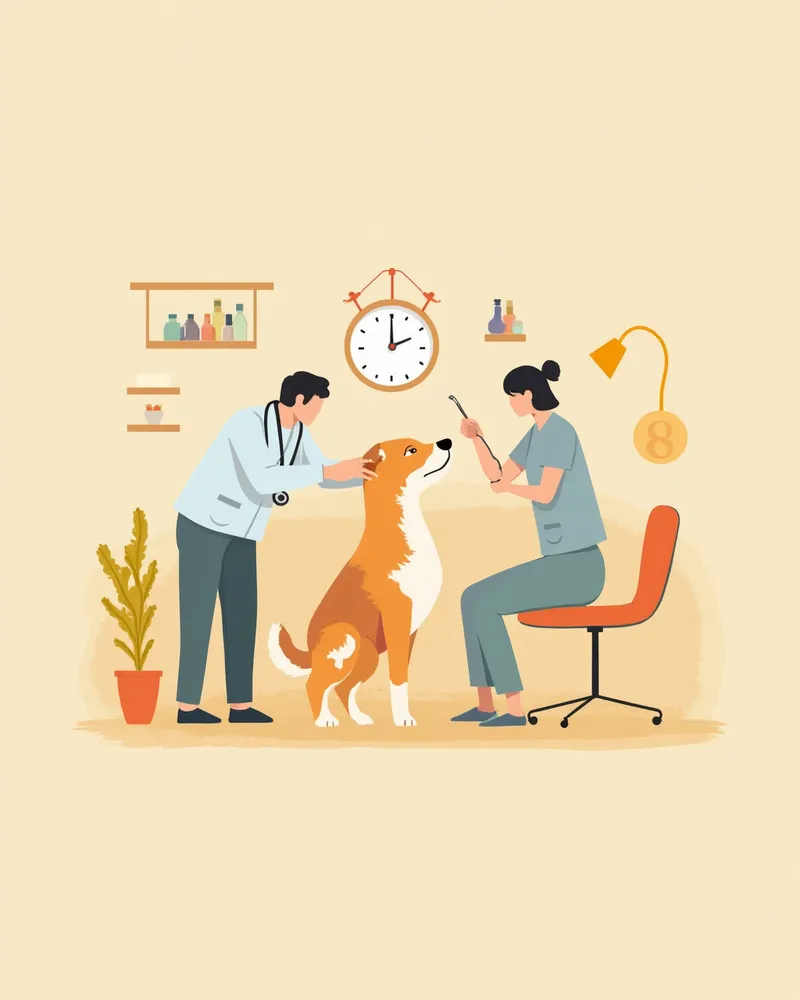
Step-by-Step Surgical Procedure
Complications to Watch For During Surgery
The caudal rectal nerve, which helps control defecation, runs close to the anal sacs. According to veterinary surgical textbooks, damage to this nerve can lead to temporary or permanent fecal incontinence. If only one side of the nerve is injured, recovery may occur over time as long as the other side remains intact. However, if both sides are damaged, permanent fecal incontinence may result. That’s why precise dissection by an experienced surgeon is crucial, and owners should always be informed about the risks of fecal incontinence, suture dehiscence, and infection before surgery.
Recovery Period and Home Care

When to Contact Your Veterinarian Immediately
Contact your veterinarian immediately if you notice any of the following symptoms during the recovery period: - Bleeding, pus, or severe swelling at the suture site - Inability to defecate for more than 24 hours or persistent constipation - Fecal incontinence (involuntary loss of bowel control) - Fever (above 39.5°C) or complete loss of appetite - Persistent dragging or rubbing of the hindquarters on the floor Fecal incontinence, in particular, may indicate nerve damage and requires prompt re-evaluation by your veterinarian.
Risk of Recurrence After Surgery
Reviewed by a veterinarian

Dr. Tony — Punnawat Phongkittirak
VeterinarianA veterinarian who majored in veterinary medicine at Khon Kaen University, Thailand, and completed the IVSA program at North Carolina State University in the United States. Drawing on clinical experience at animal hospitals, he works in the pet healthcare field and is dedicated to building a digital care environment that connects pet parents with veterinarians.
Reviewed 2026-04-26
Frequently Asked Questions
Can bowel movements be affected after surgery?
Is it okay to have surgery on just one side?
How much does the surgery cost?
Is there any alternative to surgery?
Is surgery an option for senior dogs?
Share
Related Guides

Primary vs. Secondary Veterinary Hospitals: A Comparison

5 Easy-to-Raise Cat Breeds for First-Time Owners — Grooming Difficulty Comparison

Top 7 Short-Legged Dog Breeds

Why Has My Cat Changed Since the Baby Arrived? — Behavioral Changes and Adaptation Timing
Dog Mammary Tumors FAQ — Key Information Every Pet Owner Must Know

My Cat Is Urinating Outside the Litter Box — Is It a Simple Mistake or a Sign of Disease?

Why Does Feline Cognitive Dysfunction Occur? — Causes, Behavioral Modification, and Treatment

If Your Cat Repeats the Same Behavior — Signs of Compulsive Disorder and Treatment

What are hookworms in puppies? — Why do anemia and weight loss occur?
Preventing Mammary Tumors in Dogs — Spaying Timing and Risk Reduction Effects
References
[1] Kudnig S.T., Séguin B., Veterinary Surgical Oncology, 2nd Ed, 2022
[2] Tobias K.M., Johnston S.A., Veterinary Surgery: Small Animal, 2nd Ed, 2018
[3] Fossum T.W., Small Animal Surgery, 5th Ed, 2019