Like
Share
멍실장
강아지 당뇨 식이 관리 — 처방식 추천과 급여 시간 가이드

Diabetic Dog Dietary Management — Prescription Diet Recommendations and Feeding Time Guide

EndocrineQ&AMeongsiljang Veterinary Advisory Board

Diabetic dog food is a prescription diet formulated with adjusted fiber and carbohydrate ratios to help minimize blood sugar fluctuations. The key to maintaining stable blood glucose levels is administering insulin injections and feeding meals at precisely 12-hour intervals.

How to Choose Diabetic Dog Food: What Criteria Should You Use?
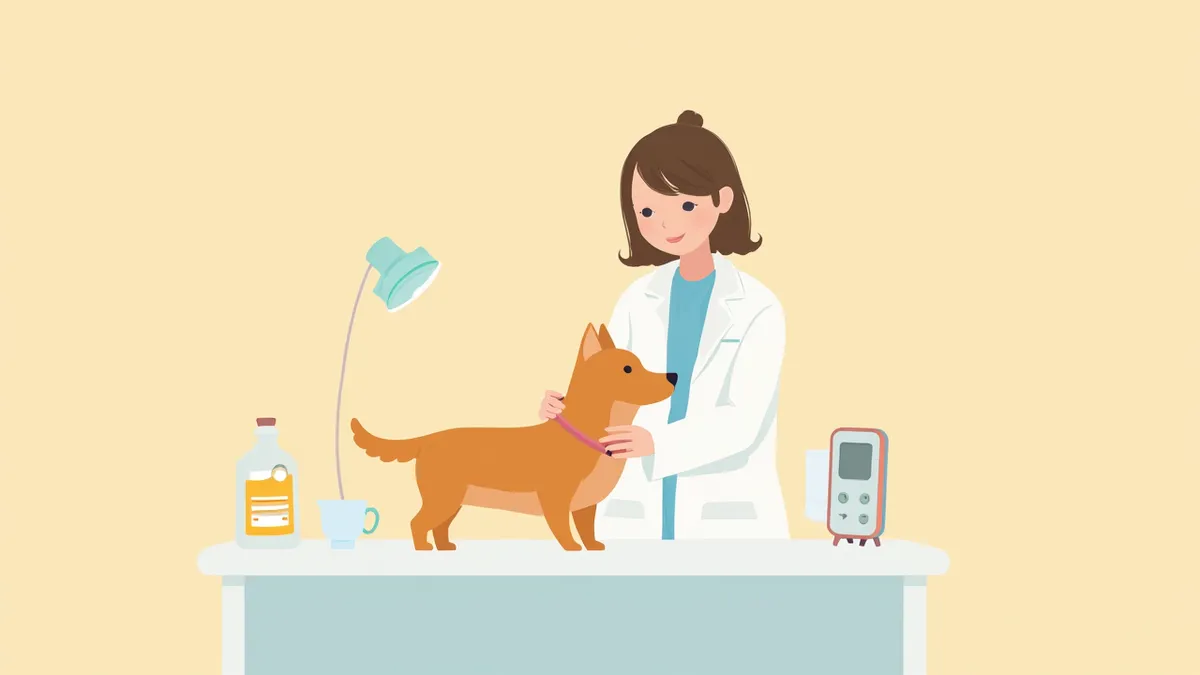
A veterinarian examining an elderly dog with diabetes in the clinic.
Prescription diets for diabetic dogs are formulated with adjusted levels of dietary fiber and complex carbohydrates to help minimize blood sugar fluctuations. However, what truly matters is not the type of food, but precisely synchronizing insulin injections with meal times. The foundation of stable blood glucose levels is feeding the same amount at the same time twice a day, spaced exactly 12 hours apart. Standard dog foods can cause rapid carbohydrate absorption, which may misalign with the insulin action curve and lead to dangerous cycles of hypoglycemia and hyperglycemia.

Goals of Dietary Management for Diabetic Dogs

The primary goal of a diabetic dog’s diet is to prevent sharp spikes and drops in blood sugar after meals. Veterinary nutrition textbooks explain that high-fiber prescription diets, which slow carbohydrate absorption, help stabilize postprandial blood glucose fluctuations. The second objective is maintaining an ideal body weight. Obesity worsens insulin resistance, making it harder to lower blood sugar even with the same insulin dosage. Therefore, weight loss is pursued concurrently in overweight dogs, while underweight dogs are prioritized for standard maintenance diets or specialized diabetic formulas with adequate calories. In either case, it is crucial to feed the same food consistently every day.

Comparison of Prescription Diets for Diabetic Dogs Available in Korea

ItemHill's w/dRoyal Canin GlycobalancePurina DM
Protein (dry matter basis)18.5%32%47%
Crude fiber18.7%8.5%5.2%
Carbohydrate proportionLowMediumVery low
With obesitySuitableSuitableModerate
Thin diabetic dogModerateSuitableSuitable
Prescription requiredTrueTrueTrue

Why High-Fiber Prescription Diets Are Effective

Dietary fiber slows down the passage of food through the gastrointestinal tract, which helps glucose be absorbed more gradually. This results in a smoother post-meal blood sugar peak that aligns better with the duration of insulin action. Studies have reported that feeding prescription diets containing approximately 11–23% dietary fiber on a dry matter basis improved insulin requirements, fasting blood glucose, and glycated hemoglobin levels. It is important to provide sufficient high-quality animal-based protein. Simple sugars (such as snacks containing sugar, honey, corn syrup, or fructose) must be strictly avoided. Human foods high in refined carbohydrates, such as white bread, white rice, and sweet pumpkin porridge, can also cause blood sugar spikes.
High-fiber prescription food in a stainless steel bowl and a measuring cup

Skipping Meals After Insulin Increases Hypoglycemia Risk!

Skipping a meal or significantly reducing food intake immediately after an insulin injection can lead to hypoglycemic shock. If you notice symptoms such as trembling, staggering, weakness, or confusion, immediately apply honey or syrup to the gums and rush to an emergency veterinary clinic. Do not pour the liquid into the mouth; instead, apply it to the gums or the inside of the cheeks to prevent aspiration.

How to Synchronize Feeding Times with Insulin
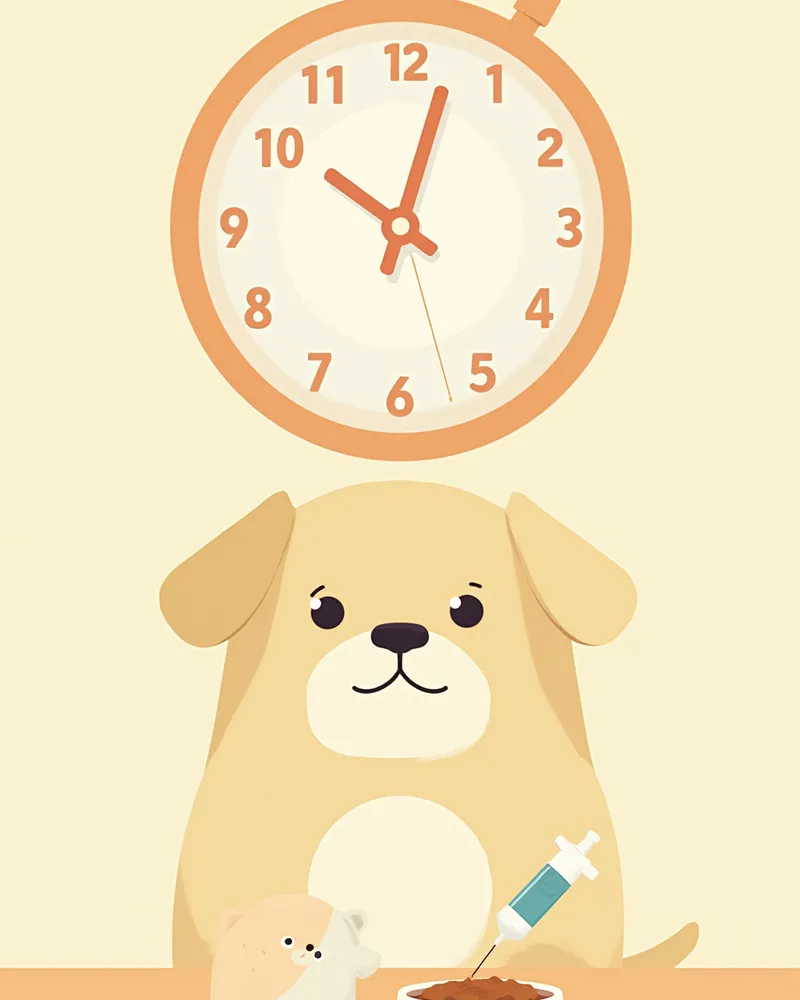
For diabetic dogs, meals should be scheduled around the timing of insulin injections. Standard veterinary guidelines recommend feeding your dog first and administering insulin immediately after confirming they have eaten well. This approach helps minimize the risk of hypoglycemia caused by missed meals if your dog’s appetite fluctuates. Ideally, both meals and insulin injections should be given twice daily, exactly 12 hours apart. Consistency is key, so it’s crucial to maintain the same schedule every day. The best times are those you can reliably keep, such as 7 a.m. and 7 p.m., taking your work schedule into account.
Dog diabetes feeding and insulin schedule marked at 12-hour intervals

Treats and Exercise — Home Care Points

For dogs with diabetes, treats and scavenged food can destabilize blood sugar levels, so it’s best to minimize them as much as possible. If you do offer treats, keep the portions very small. Avoid sugary or syrup-based snacks (such as commercial lickable treats or fruit chews) and high-carbohydrate foods; instead, offer only small amounts of plain, sugar-free treats. Exercise can help regulate blood sugar, but vigorous activity right after an insulin injection may cause hypoglycemia. A light walk after some time has passed since meals and insulin administration is appropriate. Consistent daily walks at a moderate, steady intensity are far better than irregular, intense exercise.

Regular Recheck Exams and Blood Glucose Curve Testing

Prescription plans and insulin dosages aren’t set in stone. Insulin typically takes several days to fully take effect after a dose adjustment, so we initially fine-tune the regimen by monitoring blood glucose curves to assess the insulin’s duration of action and identify the lowest blood sugar levels. Even once your pet stabilizes, regular re-evaluations are essential. If you notice sudden increases in water consumption or urination, these could signal the need for a dosage adjustment. Keep a daily log of your pet’s weight, appetite, water intake, and urine output to help us make informed decisions.

Reviewed by a veterinarian

Dr. Tony — Punnawat Phongkittirak

Dr. Tony — Punnawat Phongkittirak

Veterinarian

A veterinarian who majored in veterinary medicine at Khon Kaen University, Thailand, and completed the IVSA program at North Carolina State University in the United States. Drawing on clinical experience at animal hospitals, he works in the pet healthcare field and is dedicated to building a digital care environment that connects pet parents with veterinarians.

Frequently Asked Questions

Can I continue feeding regular pet food after my pet is diagnosed with diabetes?
We don’t recommend it. Regular pet food is quickly absorbed, which can cause a sharp spike in blood sugar after meals. Prescription diets are formulated to slow carbohydrate absorption, helping to minimize post-meal blood sugar fluctuations. Larger swings in blood sugar levels make management more difficult and may increase the risk of complications. If transitioning to a prescription diet is challenging, please consult your veterinarian for guidance on a gradual switch.
I find prescription diets expensive. Can I substitute them with homemade meals?
It is possible, but you must use a recipe formulated by a board-certified veterinary nutritionist. Homemade diets are prone to imbalances in protein, fiber, and minerals, making long-term exclusive feeding risky. Additionally, since consistency in diet is crucial for dogs with diabetes, we recommend using a prescription diet as the foundation and consulting your veterinarian to make any changes gradually.
I accidentally gave my pet a smaller meal than usual. What should I do about the insulin dose?
Insulin dosages should be adjusted based on your dog’s food intake. If your dog eats less than usual, the dose may need to be reduced, and if they barely eat at all, you may skip the dose. However, since each dog responds differently, it’s safest to follow your veterinarian’s specific instructions. If your dog has barely eaten, contact your vet immediately.
How many meals per day should a diabetic dog have?
The standard regimen is twice daily, with 12-hour intervals between doses. Since most insulin formulations are designed to last for 12 hours, feeding schedules are typically aligned accordingly. If maintaining stable blood sugar levels is challenging, the dose may be divided into three or four administrations per day. If your pet has been prescribed once-daily insulin, adjust the number of meals according to your veterinarian’s instructions.
Can cataracts still develop even if my pet is on prescription medication?
Unfortunately, cataracts in diabetic dogs are difficult to prevent entirely through diet alone. However, the progression tends to slow down when blood sugar levels are well controlled. It is best to maintain stable blood sugar with a prescription diet and insulin, while also having regular eye exams to catch any changes early.

Share

Related Guides

References

[1] Fascetti AJ, Delaney SJ. Applied Veterinary Clinical Nutrition, 2nd Ed. Wiley-Blackwell, 2023. Ch. 8 Commercial and Home-Prepared Diets

[2] Schaer M, Gaschen F. Clinical Medicine of the Dog and Cat, 4th Ed. CRC Press, 2017. Ch. 25 Nutritional Support

[3] Behrend E, et al. 2018 AAHA Diabetes Management Guidelines for Dogs and Cats. J Am Anim Hosp Assoc, 2018

This information is based on veterinary literature and does not replace diagnosis or treatment. Please consult a veterinarian for specific health concerns.

Metapet Co., Ltd. | CEO: Park Sung-yong | Business Reg. No. 417-88-02562 | Seoul, South Korea | Customer Center

Diabetic Dog Diet: Prescription Food & Feeding-Time Guide | Meongsiljang