
Like
Share
멍실장
강아지 신스포라(뉴포라) 자주 묻는 질문 Q&A — 보호자가 꼭 알아야 할 핵심

Dog Neospora (Neospora caninum) Frequently Asked Questions Q&A — Key Information Pet Owners Must Know

Infection/ParasitesQ&AMeongsiljang Veterinary Advisory Board

Neospora (Neospora caninum) is a parasite that can be transmitted from pregnant dogs to their fetuses. Here’s a Q&A summary of the key information pet owners should know.

What is Dog Neospora (Neospora caninum)?

A scientific image of the Neospora parasite that has invaded a dog's brain
Neospora caninum is a protozoan parasite that can invade the neuromuscular system and affect fetuses. - Neospora: This parasite can be transmitted to fetuses through pregnant dogs, with vertical transmission via the placenta in the uterus being a significant route of infection. - Brain and spinal cord invasion: This parasite can penetrate the nervous system, causing inflammation and damage to the brain and spinal cord. - Neuromuscular disorders: It primarily manifests as neuromuscular diseases, leading to hind limb weakness, ascending paralysis that progresses upward, and muscle abnormalities. In severe cases, it can result in seizures or paralysis. - Global presence: According to veterinary textbooks, this parasite is a disease reported worldwide, with a higher risk of infection in dogs from rural environments where cattle are present. - Early detection is crucial: Early detection before symptoms appear can aid in management and response.

Transmission Routes and Causes

Neospora caninum, a parasite affecting dogs, is primarily transmitted vertically from pregnant dogs to their fetuses through the placenta. Puppies born to infected mothers may already be infected at birth. Additionally, dogs can become infected by consuming infected meat, aborted fetuses, or placentas from intermediate hosts such as cattle or sheep, or through contaminated food and water, making horizontal transmission a significant route of infection. Dogs in farm environments with cattle or those fed raw meat are at higher risk of infection. According to veterinary textbooks, this parasite spreads through both vertical and horizontal transmission, and dogs, as definitive hosts, shed oocysts in their feces.
A realistic image of a puppy eating from contaminated soil.

Main Symptoms and Signs

In the early stages of Neospora (Neospora caninum) infection in dogs, symptoms are often subtle or absent. However, as the disease progresses, it can lead to neuromuscular abnormalities. Key signs include:
Muscle atrophy and weakness: The hind legs typically become weak first, gradually progressing to an ascending paralysis that makes walking difficult.
Neurological tremors or seizures: Sudden trembling or convulsions may occur.
Lethargy: The dog may remain inactive and stay in the same spot all day.
If you notice any of these symptoms, seek veterinary care immediately.
A realistic image of a dog swaying due to muscle atrophy

When to Visit the Vet Immediately

If your dog suddenly starts having seizures or becomes unable to walk, you should take them to the vet immediately. This is a sign of severe neurological damage. A veterinarian needs to begin emergency diagnosis and treatment right away, as the longer you wait, the lower the chances of recovery become.

Diagnostic Methods
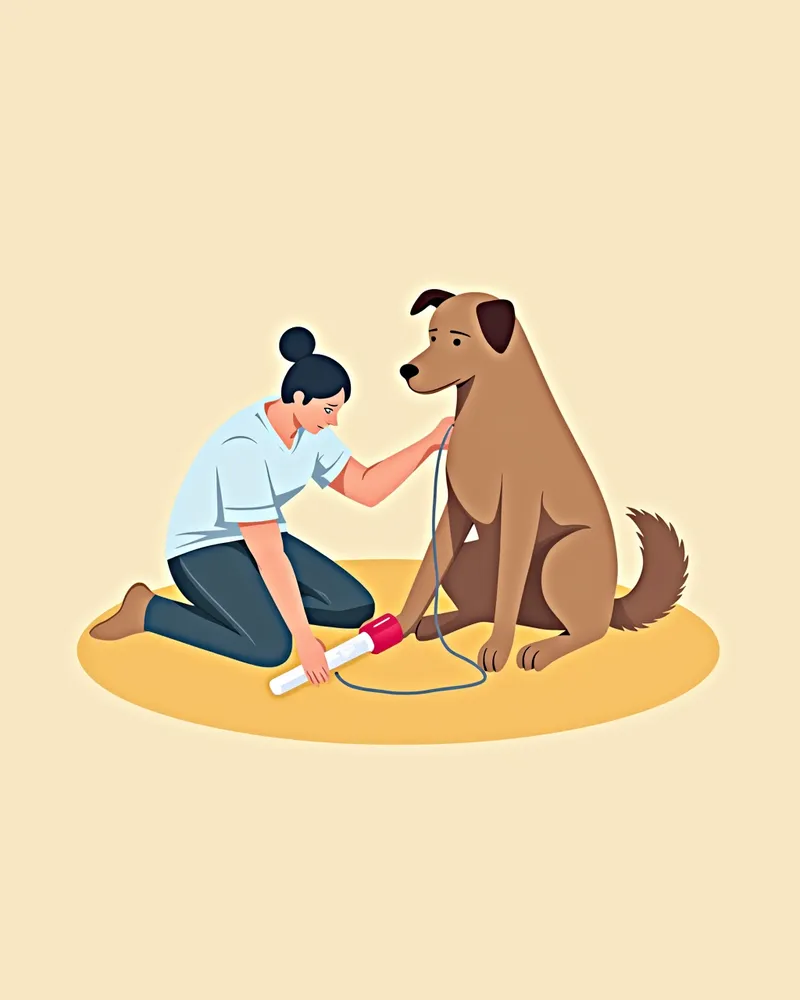
We confirm whether a dog is infected with Neospora (Neospora caninum) through several diagnostic tests. - Blood tests: Antibody testing is the most common method and helps accurately determine infection status. - Cerebrospinal fluid analysis: If neurological symptoms are present, cerebrospinal fluid is collected to check for the presence of the parasite. - Imaging studies: MRI or CT scans are essential for visualizing areas of brain damage. - Importance of early diagnosis: Early detection when symptoms are mild significantly improves treatment outcomes. - Recommended testing for pregnant dogs: Pregnant dogs should undergo regular testing.
A realistic image of a veterinarian drawing blood from a puppy.

Treatment Methods and Management

Treating canine Neospora (Neospora caninum) infection requires a consistent, diagnosis-driven approach. - Confirm the diagnosis: First, verify the infection and identify lesions through blood (antibody) tests, cerebrospinal fluid analysis, or PCR testing. - Medication: According to veterinary textbooks, clindamycin may be effective, and trimethoprim-sulfonamide drugs are also used. Always follow your veterinarian’s instructions for drug selection and dosage. - Symptom management: If your dog shows neuromuscular symptoms, provide care to relieve pain and keep the patient comfortable. - Environmental control: It is crucial to prevent your dog from accessing raw meat, aborted fetuses or placentas, and contaminated food or water. - Provide a stable environment: Restrict movement and support recovery in a quiet, calm space.
A realistic image of a puppy recovering in a calm, stable environment

Comparison of Symptoms and Responses by Infection Stage

ItemMain SymptomsManagement
MildSlight lethargy, difficulty walkingRegular check-ups, environmental tidying
ModerateMuscle atrophy, induced seizuresVeterinary consultation after antibody testing, in-clinic observation
SevereLoss of neurological function, persistent seizuresInpatient treatment, symptom management and investigation of the infection source

If symptoms worsen, an immediate visit to the clinic is necessary.

Pregnant Dogs Require Special Attention

Pregnant dogs are at high risk of transmitting Neospora (Neospora caninum) to their fetuses via the placenta. This can result in fetal resorption or stillbirth, and even if the puppies are born alive, they may suffer from neuromuscular disorders, putting them at high risk of death due to pneumonia and ascending paralysis. Pregnant dogs should be kept away from raw meat and contaminated environments, and it’s best to consult with a veterinarian to develop a prevention and management plan.

Reviewed by a veterinarian

Dr. Tony — Punnawat Phongkittirak

Dr. Tony — Punnawat Phongkittirak

Veterinarian

A veterinarian who majored in veterinary medicine at Khon Kaen University, Thailand, and completed the IVSA program at North Carolina State University in the United States. Drawing on clinical experience at animal hospitals, he works in the pet healthcare field and is dedicated to building a digital care environment that connects pet parents with veterinarians.

Frequently Asked Questions

Can dog Microsporum (Newpora) be transmitted to humans?
Based on current data, there have been no confirmed cases of Neospora (Neospora caninum) transmission to humans, with dogs and intermediate hosts such as cattle being the primary hosts. Although the risk of human infection is considered very low, it is advisable to maintain good hygiene practices rather than assuming there is no risk.
Is there a preventive vaccine?
There is currently no commercially available vaccine for dogs against Neospora (Neospora caninum). Therefore, it is important to avoid feeding raw meat, prevent dogs from coming into contact with aborted fetuses, placentas, or contaminated food, and rely on regular veterinary check-ups for early detection.
Can an infected puppy recover and regain its health?
While some cases respond to treatment, Neospora caninum can cause neuromuscular disease that may be fatal. The risk of death is particularly high when ascending paralysis progresses or in young puppies, and severe nerve damage may result in incomplete recovery. Therefore, early diagnosis and veterinary care are essential.
Can my dog live with other dogs after being infected?
While direct transmission between dogs is not the primary route, infected dogs can shed parasite eggs in their feces, leading to environmental contamination. Pregnant dogs are at high risk of transmitting the infection to their fetuses, so if infection is suspected, consult your veterinarian about isolating the dog and implementing strict environmental hygiene measures.
How can I determine whether my pet has an infection?
Antibodies or parasite DNA can be detected through blood (antibody) tests, cerebrospinal fluid analysis, or PCR testing. However, since a single test may not be sufficient for a definitive diagnosis, it’s best to consult with your veterinarian to combine test results with clinical symptoms for an accurate diagnosis.

Share

Related Guides

References

[1] Plumb's Veterinary Drug Handbook, 9th Edition, 2021

[2] L. Solano-Gallego, A. Sainz, X. Roura et al. (2012). Canine Neospora caninum: A review of pathogenesis and diagnosis. Veterinary Parasitology, 187(1-2), 1-12.

[3] American College of Veterinary Internal Medicine (ACVIM) Consensus Statement on Neospora caninum in Dogs, 2018

This information is based on veterinary literature and does not replace diagnosis or treatment. Please consult a veterinarian for specific health concerns.

Metapet Co., Ltd. | CEO: Park Sung-yong | Business Reg. No. 417-88-02562 | Seoul, South Korea | Customer Center

5 Questions About Canine Neospora (Neosporosis) Answered by Experts | Meongsiljang