Like
Share
멍실장
고양이 여행·이동 시 건강 관리 자주 묻는 질문 Q&A — 보호자가 꼭 알아야 할 핵심

Frequently Asked Questions on Cat Travel and Transport Health Care — Key Points Every Owner Must Know

Lifestyle & Age CareQ&AMeongsiljang Veterinary Advisory Board

Here’s a summary of essential health care tips and precautions for pet owners when transporting their cats. I’ll share practical advice on everything from reducing stress to ensuring safe travel.

Health Management Is Essential When Traveling or Transporting Your Cat

A cat lying comfortably inside a carrier.
When transporting your cat, health management is crucial. To minimize stress and prevent illness, thorough preparation in advance is essential. - Travel Stress: Cats are highly sensitive to new environments, so it’s important to gradually acclimate them to their carrier. - Environmental Stability: Maintain a quiet environment during transit and cover the carrier to create a dark, secure space. - Feeding Adjustments: Withhold food for at least several hours before travel, but ensure your cat has plenty of water. Emptying the stomach beforehand helps prevent motion sickness. - Stable Transit: Park the vehicle safely, observe your cat’s behavior, and work to reduce tension. These preparations are key to ensuring a safe journey.

How Should You Prepare Before Transport?

Start acclimating your cat to the carrier well in advance of travel. Leave the carrier in the home, place treats inside to encourage positive associations, and gradually increase the duration of use in short intervals. - Carrier acclimation: Help your cat perceive the carrier as a safe space. - Feeding management: Withhold food for at least a few hours before travel, but ensure your cat has access to plenty of water. - Pre-travel checks: Verify the carrier’s structural safety, ventilation, and ability to be securely fastened during transit. - Familiar scents: Place a cloth or owner’s clothing carrying your cat’s scent inside the carrier to reduce anxiety. - Quiet environment: Minimize noise and human movement before departure. These preparations collectively promote calmness during travel.
A cat carrying a carrier with food inside

What Should You Do If Your Cat Becomes Agitated or Aggressive During Transport?
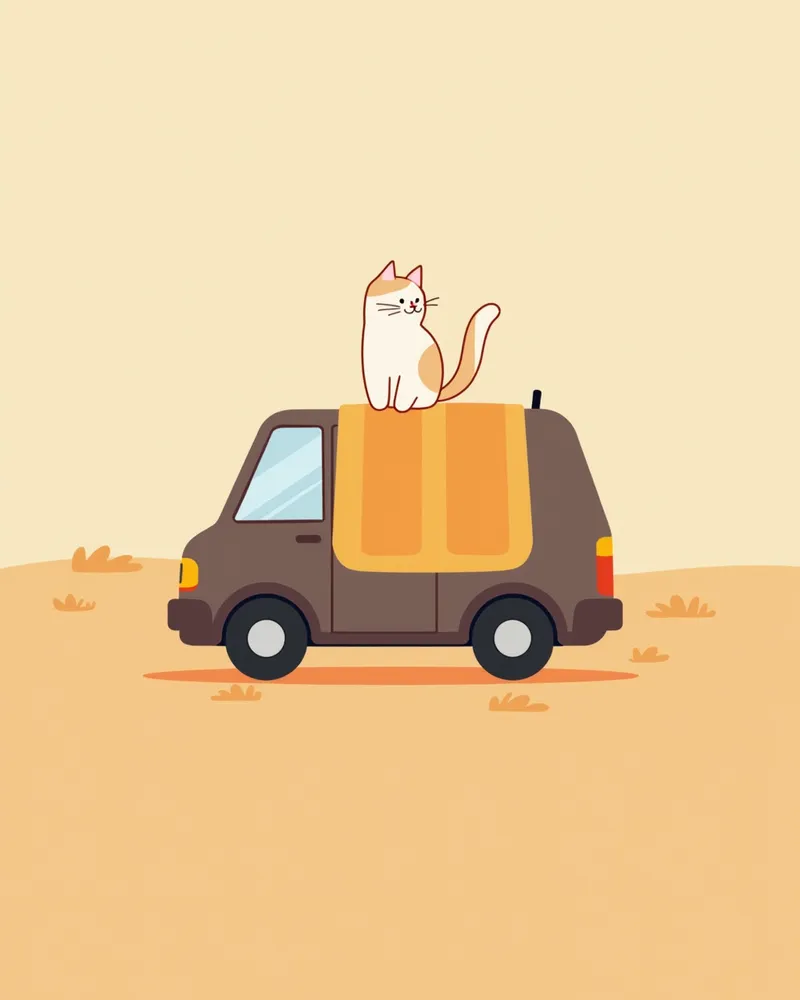
If your cat becomes agitated or aggressive during travel, first pull over to a safe spot and maintain a quiet environment. - Create a calming space: Covering the carrier or dimming the light can help your cat feel more secure. - Minimize noise: Avoid loud sounds or talking; quietly waiting is the most effective approach. - Avoid physical contact: Do not touch or pull your cat; respect their natural rhythm. - Allow time: It is important to wait patiently until the anxiety subsides. - Reassess: If the behavior persists, review your travel method and preparation. All these measures help reduce your cat's stress.
A cat resting quietly inside a covered carrier

Comparison of Carrier Types for Cat Transport

ItemSoft-Sided CarrierHard-Sided CarrierTravel Bag
Travel StabilityHighVery HighMedium
Air CirculationGoodVery GoodModerate
Travel ConvenienceVery GoodModerateVery Good
CostMediumHighLow

Choose a suitable carrier based on your cat's temperament and travel distance.

What Should You Do If Your Cat Is Anxious After a Vet Visit?

If your cat seems anxious after a vet visit, leave familiar scents from home (such as your clothes or bedding) nearby and provide a quiet, safe space. Be sure to thoroughly clean any lingering hospital odors. Anxiety or behavioral changes following a visit can last from several hours to a few days and are often part of the normal recovery process. However, if unusual behaviors persist—such as loss of appetite, significantly reduced grooming, or hiding and refusing to come out—please consult your veterinarian. These supportive measures will help your cat recover.
A cat hiding under the bed

If Your Cat Vomits or Has Difficulty Breathing During Transport, Immediate Veterinary Attention Is Required

If your cat experiences repeated vomiting, difficulty breathing, frequent agitation, or decreased consciousness while traveling, contact a veterinarian immediately. These symptoms can compromise safety during the drive and may indicate a serious health issue. Safely pull over and seek professional help right away.

5 Key Points to Check When Transporting Your Cat

Here are the key points to check when traveling with your cat. Missing even one of these can increase stress.
Carrier Familiarization Before Travel: Allow plenty of time to gradually acclimate your cat to the carrier in advance.
Fasting Before Travel: It is advisable to withhold food for at least a few hours before travel. This helps prevent vomiting due to motion sickness during the trip.
Ensure Adequate Water Intake: Encourage your cat to drink plenty of water before traveling.
Maintain a Comfortable Environment: Reduce noise and light in the vehicle, and provide an environment where your cat can feel secure.
Incorporate Familiar Home Scents: Placing items with familiar scents from home, such as your clothes or bedding, can help your cat feel more at ease.
Checklist for Preparing Your Cat for Travel

If Your Cat Shows Severe Anxiety During Transport, Consider Medication

If your cat exhibits repeated severe anxiety or if travel poses a significant health risk, consult your veterinarian about considering medication. Anti-anxiety medications and sedatives should only be used under veterinary prescription, and you must carefully follow the prescribed dosage instructions and precautions.

Reviewed by a veterinarian

Dr. Tony — Punnawat Phongkittirak

Dr. Tony — Punnawat Phongkittirak

Veterinarian

A veterinarian who majored in veterinary medicine at Khon Kaen University, Thailand, and completed the IVSA program at North Carolina State University in the United States. Drawing on clinical experience at animal hospitals, he works in the pet healthcare field and is dedicated to building a digital care environment that connects pet parents with veterinarians.

Frequently Asked Questions

What kind of carrier should I use when transporting my cat?
Choose a carrier based on your cat’s personality and the distance of travel. Soft-sided carriers are more portable, while hard-sided ones offer greater stability. Carriers with large openings on the front or top make it easier to handle your cat without removing them, which can be very helpful. Regardless of the type, the most important step is to gradually familiarize your cat with the carrier so they perceive it as a safe space.
Can I feed my cat before traveling?
It's best to withhold food for at least a few hours before travel. This helps prevent motion sickness and vomiting during the journey. However, make sure your pet has plenty of water to drink, as proper hydration before travel is important.
What should I do if my cat refuses to get into the carrier?
Place the carrier in your home a few days in advance and put treats inside to help your pet get used to it. Start by leaving the door open, then gradually encourage your pet to enter. Avoid forcing them; instead, build this habit slowly and gently. The key is to help your pet see the carrier as a safe and comfortable space.
What should I do if my cat makes noise during travel?
Vocalizing is a sign of anxiety. Safely pull over and maintain a quiet environment. Covering the carrier or creating a darker space can help your pet feel more secure. If the stress intensifies, step back to the previous stage and proceed slowly; quietly waiting is the most effective approach.
What should I do if my cat remains anxious after returning home from a vet visit?
Leave familiar scents from home, such as your clothes or bedding, and provide a quiet space. If any hospital odors remain, clean the area thoroughly. Anxiety or behavioral changes after a vet visit can last from a few hours to several days. If unusual behaviors persist—such as refusing food, significantly reduced grooming, or hiding and not coming out—please consult your veterinarian.

Share

Related Guides

References

[1] Rodan, I. & Heath, S. (2022). Feline Behavioral Health and Welfare: Prevention and Treatment. Wiley-Blackwell.

[2] The Cat, Clinical Medicine and Management, 2nd Edition. (2021). Elsevier.

[3] BSAVA Manual of Canine and Feline Dermatology, 4th Ed. (2020). British Small Animal Veterinary Association.

This information is based on veterinary literature and does not replace diagnosis or treatment. Please consult a veterinarian for specific health concerns.

Metapet Co., Ltd. | CEO: Park Sung-yong | Business Reg. No. 417-88-02562 | Seoul, South Korea | Customer Center

5 Essential Health Questions for Traveling with Your Cat | Meongsiljang