Like
Share
멍실장
고양이 삼장기 질환(간-췌-장) 자주 묻는 질문 Q&A — 보호자가 꼭 알아야 할 핵심

What is Feline Triaditis (Liver-Pancreas-Intestine)? — Key Summary from Symptoms to Treatment

Liver HealthQ&AMeongsiljang Veterinary Advisory Board

Triaditis in cats is a condition characterized by chronic inflammation affecting the liver, pancreas, and small intestine simultaneously, often presenting with symptoms such as abdominal pain, vomiting, and diarrhea. Early detection and proper management are essential.

What is Feline Triaditis?
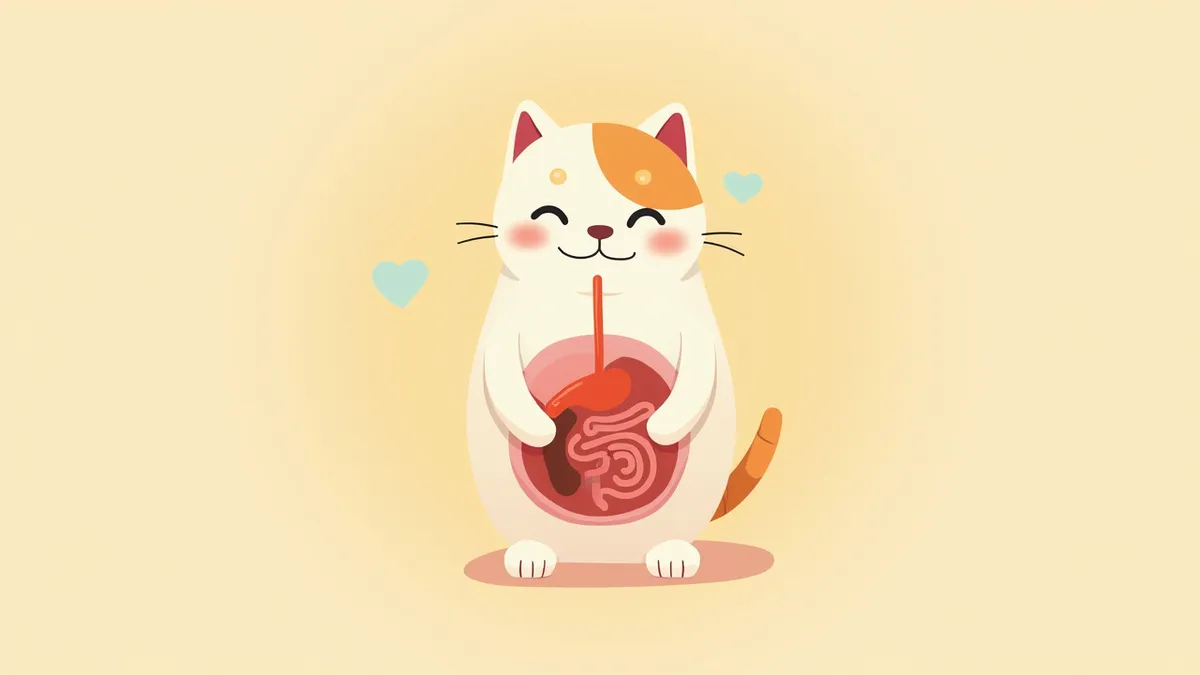
Location of the main organs and areas of inflammation in feline triaditis
Feline triaditis is a complex condition characterized by simultaneous chronic inflammation of the pancreas, biliary tree (liver), and small intestine. It is believed that these three organs influence one another, driving the progression of the disease. However, the exact causes and underlying mechanisms remain unclear. The most common symptoms in cats are lethargy and loss of appetite. Unlike dogs, vomiting and abdominal pain are relatively rare, occurring in less than 40% of cases. Weight loss may also occur, and because early signs can be subtle, the condition is often mistakenly dismissed as minor. - Liver (biliary tree) inflammation: Persistent inflammation of the pancreas and biliary tree can place a burden on liver function and worsen overall health. - Pancreatic inflammation: Inflammation of the pancreas can impair digestive functions. - Small intestine inflammation: Chronic enteritis can reduce nutrient absorption and lead to a decline in overall condition. Early detection and appropriate management are crucial for achieving positive treatment outcomes.

What are the Main Causes of Triaditis?
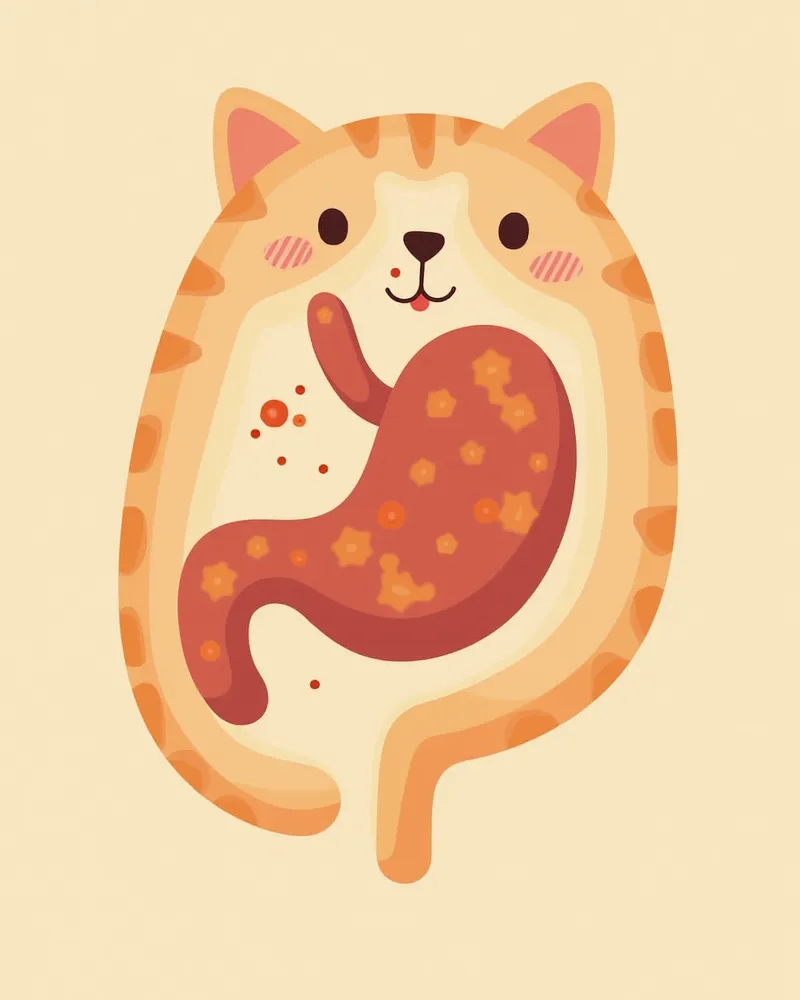
While the exact cause of triaditis remains unclear, it is believed that the three organs share a common underlying trigger. It is known that multiple factors, such as gut microbiome imbalance, immune system dysfunction, and chronic inflammation, interact in a complex manner. - Gut microbiome imbalance: There is a hypothesis that when intestinal inflammation disrupts the balance of gut bacteria, these bacteria can migrate toward the bile and pancreatic ducts, spreading inflammation. - Spread of pancreatic inflammation: Pancreatic inflammation may spread to the intestines and liver through direct contact or systemic inflammatory responses. - Immune system dysfunction: Excessive immune and inflammatory responses may contribute to organ damage. - Chronic infection: Infections, such as those caused by bacteria, may play a role in organ inflammation. However, risk factors in cats are not yet clearly defined, so comprehensive monitoring and management are essential.
Microscopic image of inflammatory cells observed in tri-organ disease

What are the Main Symptoms?

The most common symptoms of feline triaditis are lethargy and loss of appetite. Unlike dogs, vomiting and abdominal pain are relatively rare in cats (occurring in less than 40% of cases), so these signs may not be obvious. Therefore, it is important not to overlook non-specific changes such as decreased energy and reduced food intake. - Lethargy and loss of appetite: These are the most frequently observed signs, with reduced activity levels and decreased food consumption. - Weight loss: Appetite suppression and impaired nutrient absorption can lead to weight loss. - Vomiting: While some cats may experience vomiting, it is not as common as in dogs. - Dehydration: Poor appetite and progressive dehydration can worsen overall health. Prolonged loss of appetite can lead to hepatic lipidosis (fatty liver disease), making early diagnosis crucial.
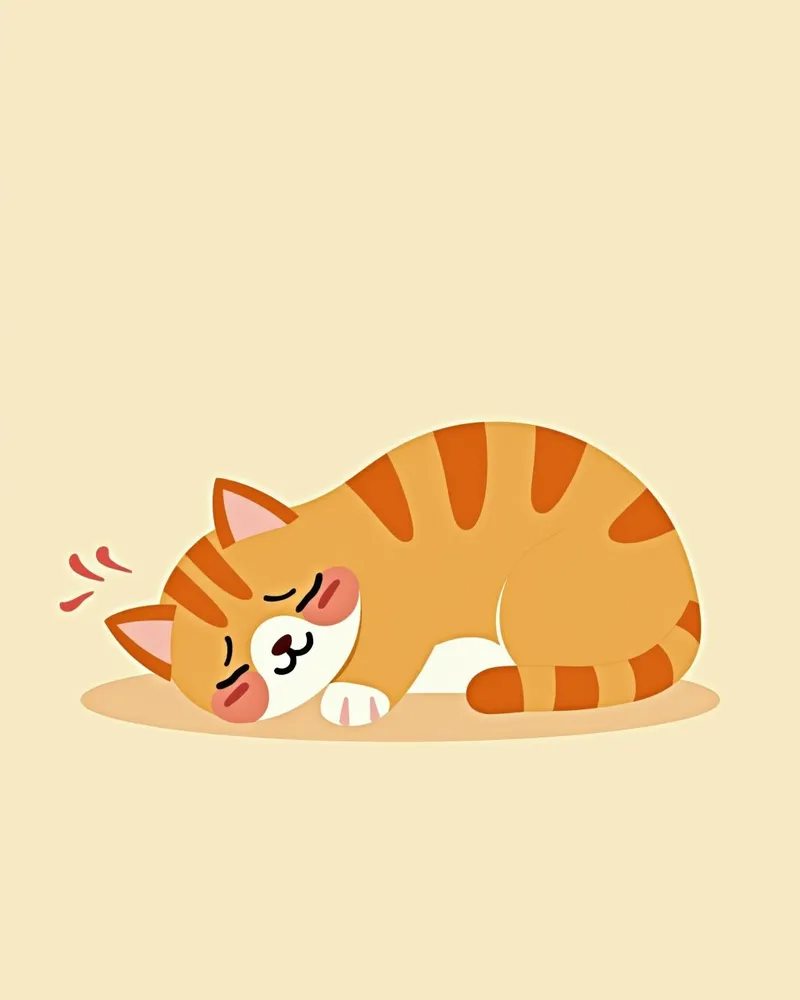
Cats showing abdominal pain due to tri-organ disease

Signs Requiring Immediate Veterinary Visit

If your pet shows severe lethargy, loss of appetite, persistent vomiting, bloody stools, signs of dehydration (such as dry mouth and sunken eyes), or decreased consciousness, seek veterinary care immediately. Prolonged poor appetite can lead to serious complications such as fatty liver disease or organ dysfunction.

How is Diagnosis Performed?
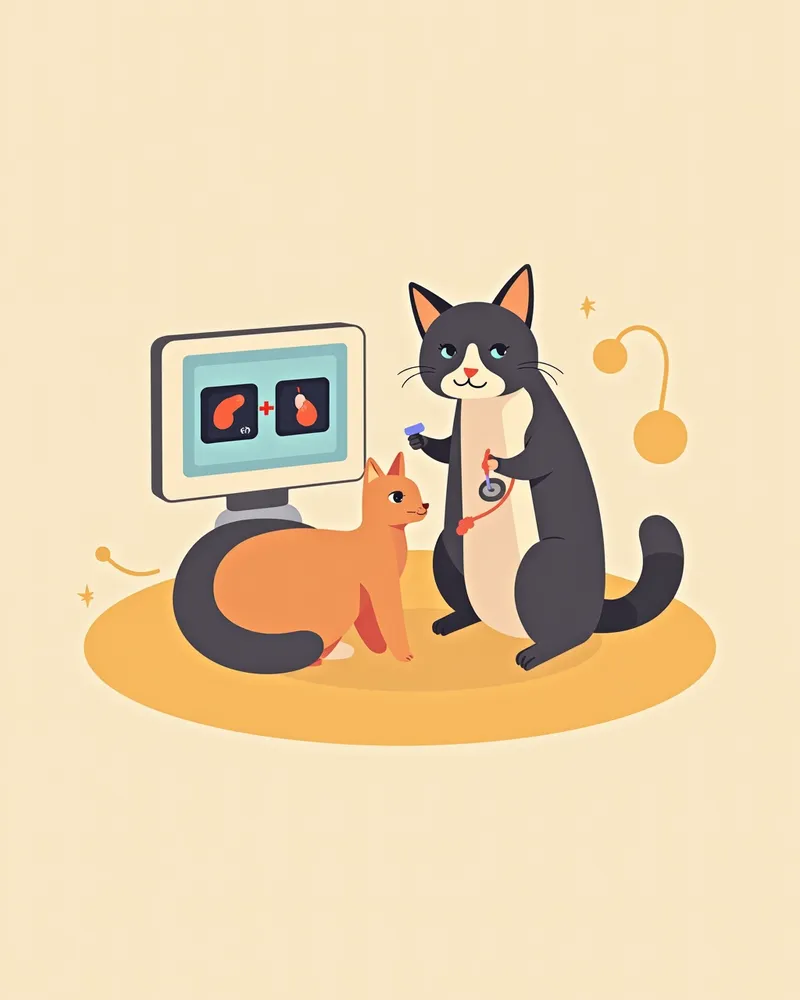
Diagnosing triaditis is challenging with a single test, so we rely on a comprehensive combination of tests. We recommend performing blood tests (CBC), serum chemistry, urinalysis, and imaging studies together. - Blood tests: These check liver enzyme levels, inflammatory markers, and overall health status. For pancreatitis, the serum fPL (Spec fPL) test is currently the most accurate blood test available. - Abdominal ultrasound: This examines structural changes in the pancreas and liver, but results heavily depend on the operator’s skill and equipment quality. Even normal findings cannot completely rule out pancreatitis. - Urinalysis: This evaluates overall condition, including hydration status and kidney function. - Tissue and cytology: Ultrasound-guided aspiration or biopsy can determine the degree and cause of inflammation. Accurate diagnosis requires interpreting all test results together.
Abdominal ultrasound examination for diagnosing feline tri-organ disease

What are the Treatment Options?

Treatment for tri-organ disease involves a multifaceted approach tailored to the specific symptoms. - Anti-inflammatory and immunomodulatory therapy: We manage excessive inflammatory and immune responses using anti-inflammatory medications or immunosuppressants. - Pain management: Since pancreatitis can be painful, it is important to control discomfort with medications such as opioids. - Dietary management: Switching to easily digestible food helps reduce the burden on the organs while maintaining proper nutrition. - Gut microbiome regulation: If necessary, we use antibiotics or other agents to restore balance to the intestinal bacteria. - Fluid therapy: To prevent dehydration, we provide fluids either orally or through intravenous injection. - Long-term care: Treatment goes beyond short-term symptom relief; long-term management is essential, requiring regular check-ups and medication adjustments.
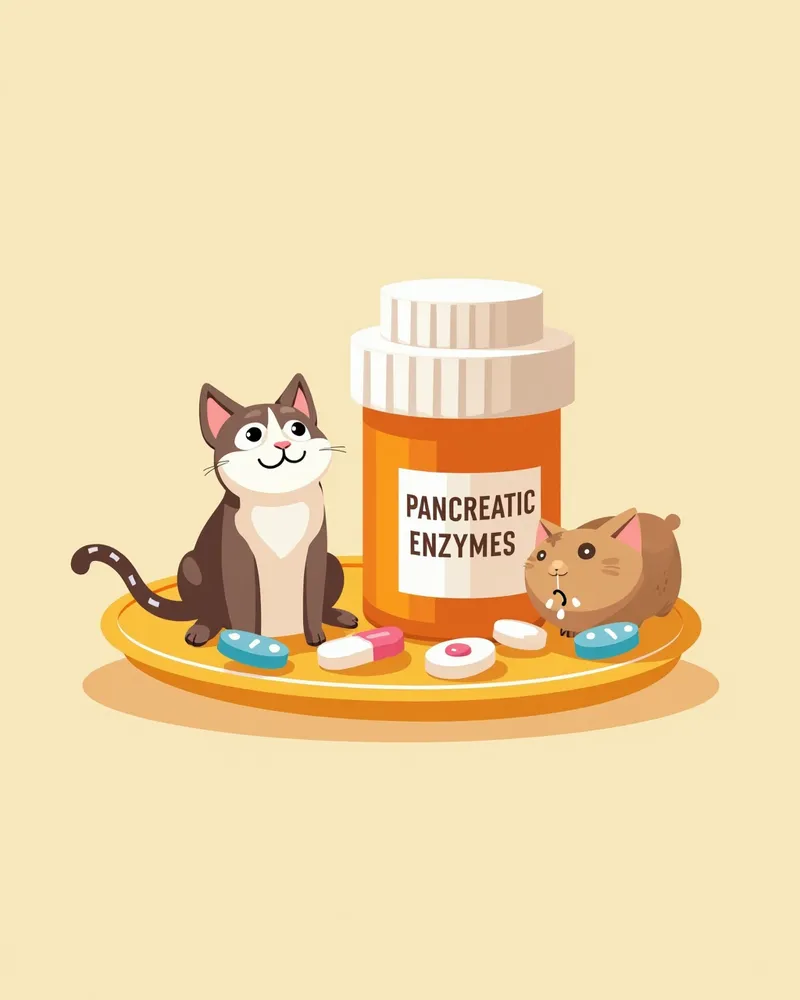
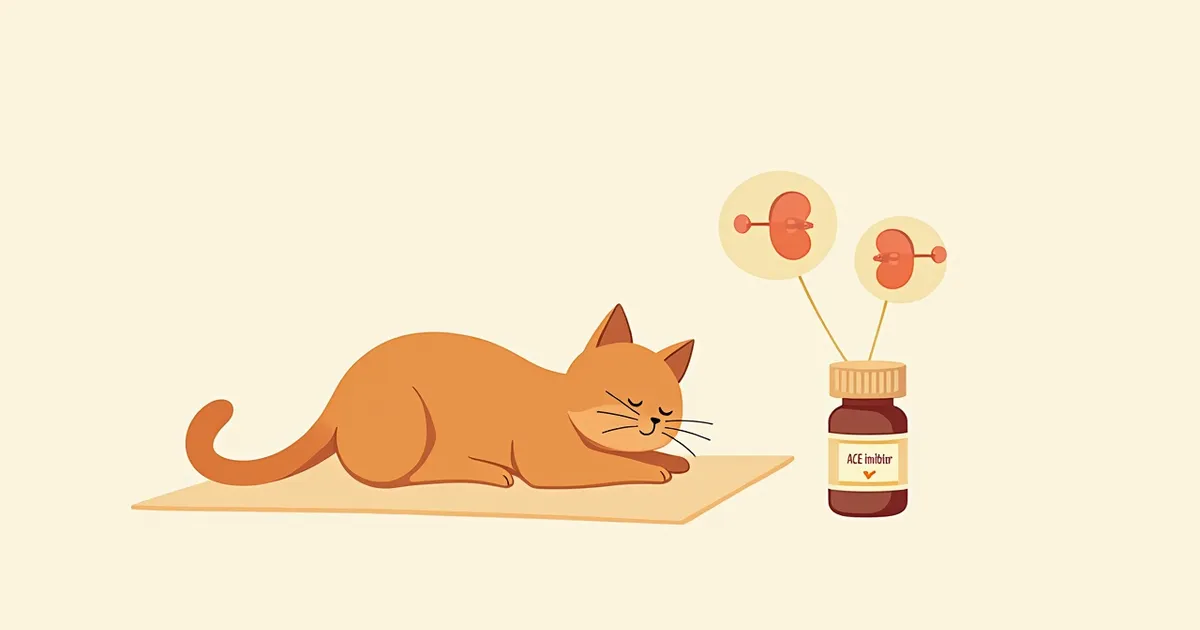
Medications and supplements used in the treatment of liver, kidney, and heart diseases

Home Care Points

- Maintain food intake: If your pet stops eating for an extended period, the risk of fatty liver disease increases. To help maintain their appetite, offer small meals three to four times a day. - Easy-to-digest diet: Choose appropriate food that reduces the burden on digestion. - Hydration: Change the water frequently and create an environment that encourages your pet to drink plenty of water. - Minimize stress: Provide a quiet environment where your pet can rest comfortably. - Medication adherence: Ensure your pet takes their medication at the prescribed times. - Activity management: Avoid excessive exercise and ensure your pet has ample time to rest. - Regular check-ups: We recommend visiting the clinic every one to three months to quickly monitor any changes in symptoms.
Daily Care Environment for Cats with Tri-Organ Disease

Breeds and Ages to Watch For

It’s difficult to definitively state that triaditis is more common in specific breeds, and the risk factors for cats remain unclear. However, clinically, it tends to be reported more often in middle-aged and older cats, making early screening and consistent management increasingly important as cats age.

Reviewed by a veterinarian

Dr. Tony — Punnawat Phongkittirak

Dr. Tony — Punnawat Phongkittirak

Veterinarian

A veterinarian who majored in veterinary medicine at Khon Kaen University, Thailand, and completed the IVSA program at North Carolina State University in the United States. Drawing on clinical experience at animal hospitals, he works in the pet healthcare field and is dedicated to building a digital care environment that connects pet parents with veterinarians.

Frequently Asked Questions

Is chronic kidney disease curable?
While a complete cure may not be possible, symptoms can be well managed and quality of life maintained with appropriate treatment and care. Long-term management is key.
Why is dietary management important?
Dietary management helps reduce the digestive burden, alleviate inflammation, and plays a crucial role in enhancing the effectiveness of medications.
Do I need to give my pet this medication for a long time?
In most cases, once symptoms have stabilized, medication is gradually tapered down, but the decision to completely discontinue it should be made in consultation with your veterinarian.
Is a three-organ disease contagious?
It is not contagious. The cause is an immune system abnormality or environmental factors, and it does not spread to other cats.
Is prevention possible?
While there’s no foolproof way to prevent it, you can lower the risk by scheduling regular health check-ups, providing a balanced diet, and managing stress.

How to Handle Triaditis Symptoms by Severity

ItemSymptom severityMain symptomsRecommended managementHospital visit needed
MildMild loss of appetite, lethargyVomiting absent or rareDietary management, observationNo
ModerateMarked poor appetite, lethargyWeight loss, intermittent vomitingDrug therapy, consult a veterinarianYes
SevereComplete loss of appetite, severe lethargyDehydration, reduced consciousness, persistent vomiting and bloody stoolVisit the hospital immediately, emergency treatmentYes

Cats may rarely show vomiting or abdominal pain, so if your cat isn't eating well or lacks energy, don't take the symptoms lightly—consult a veterinarian.

Share

Related Guides
References

[1] Greenhalgh SN, Reeve JA, Johnstone T, et al. Long-term survival and quality of life in cats with clinical signs associated with triaditis. J Vet Intern Med. 2015;29(4):1123–1130.

[2] Plumb's Veterinary Drug Handbook, 9th Edition. Wiley-Blackwell, 2021.

[3] Clinical Medicine of the Dog and Cat, 4th Edition. Elsevier, 2022.

This information is based on veterinary literature and does not replace diagnosis or treatment. Please consult a veterinarian for specific health concerns.

Metapet Co., Ltd. | CEO: Park Sung-yong | Business Reg. No. 417-88-02562 | Seoul, South Korea | Customer Center

What Is Feline Triaditis (Liver-Pancreas-Intestine)? Key Guide | Meongsiljang