
Like
Share
멍실장
고양이 심근염 자주 묻는 질문 Q&A — 보호자가 꼭 알아야 할 핵심

Inflammation in Our Cat’s Heart? — Causes of Myocarditis and Emergency Signs You Must Not Miss

HeartQ&AMeongsiljang Veterinary Advisory Board

Feline myocarditis is a condition that can be difficult to detect in its early stages. We’ve compiled the key questions pet owners should ask and the steps they should take. Early diagnosis and management are crucial for saving lives.

What Is Feline Myocarditis?

An anatomical illustration of a cat’s heart with thickened myocardium
Feline myocarditis is a condition in which inflammation of the heart muscle impairs the heart’s ability to contract and relax, as well as its electrical signaling. It is relatively rare and is known to primarily affect young adult cats. Unlike hypertrophic cardiomyopathy (HCM), in which the heart muscle thickens, myocarditis is most commonly caused by infections such as viruses, bacteria, or parasites. In the early stages, symptoms are often minimal, with only abnormalities on an electrocardiogram (ECG) or signs that owners may easily overlook. However, as the disease progresses, it can lead to serious complications such as arrhythmias, heart failure, and blood clots (arterial thromboembolism). Therefore, early detection and consistent management are key to improving survival rates and quality of life.

What Are the Main Causes of Myocarditis?

Infection is the most significant cause of myocarditis in cats. Viral infections, particularly feline immunodeficiency virus (FIV), are common, while bacterial infections (such as Streptococcus canis and Bartonella henselae) and parasitic infections like Toxoplasma can also trigger the condition. Additionally, toxins, certain medications, metabolic disorders such as uremia, and physical factors like heatstroke can cause inflammation of the heart muscle. Congenital heart disease, diabetes mellitus, hyperthyroidism, trauma, and stress may also predispose cats to the disease. In some cases, however, the exact cause remains unidentified. If symptoms are suspected, thorough diagnostic testing is necessary to determine the underlying cause.
Association between the R820W gene mutation and myocarditis in Ragdoll cats

What Are the Main Symptoms of Myocarditis?
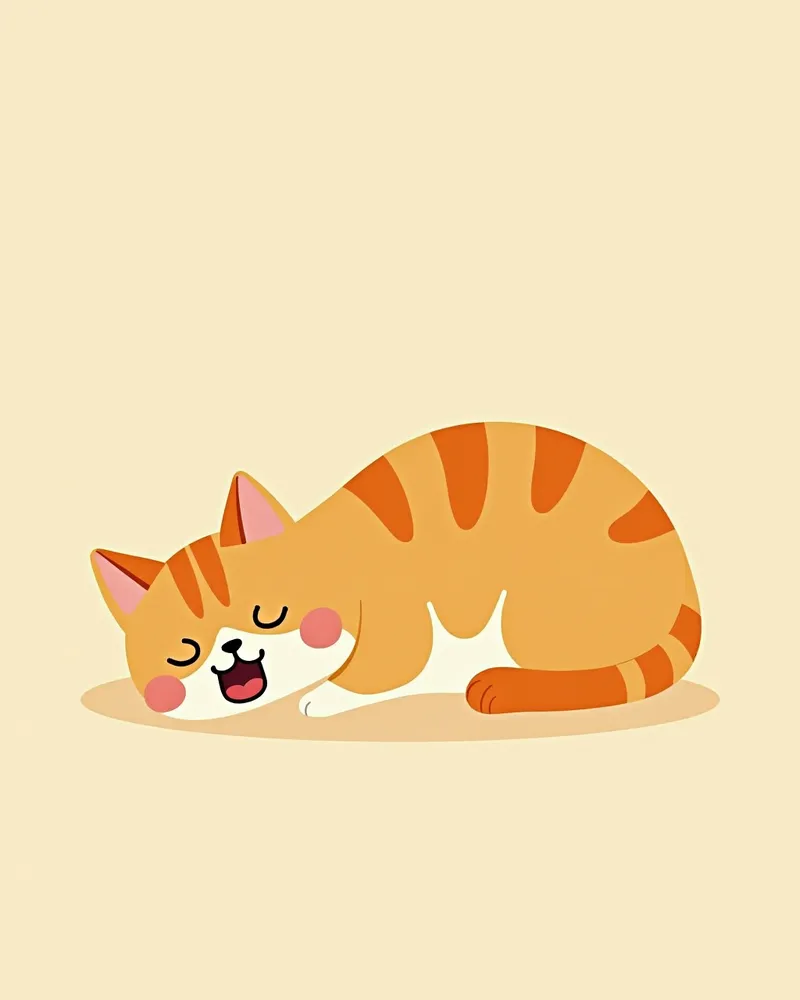
In the early stages, feline myocarditis often presents with few or no clinical signs, sometimes revealing itself only through abnormalities on an electrocardiogram (ECG). However, as heart function deteriorates, the following symptoms may appear:
Difficulty breathing: Rapid breathing or labored respiration, often with the cat sitting with its elbows out and neck extended (orthopnea).
Fainting or weakness: Sudden collapse or recurring episodes of lethargy and reluctance to move.
Lethargy and decreased appetite: Spending the entire day sitting in one spot without moving, or showing little interest in food.
Exercise intolerance: Becoming easily fatigued and short of breath with minimal activity.
Hind limb paralysis: If a blood clot forms and blocks blood flow (arterial thromboembolism), the hind legs may become cold and paralyzed.
Unlike dogs, cats with heart disease rarely cough, so the absence of coughing should not provide false reassurance. If you notice any of these symptoms, seek veterinary care immediately.
A cat showing signs of respiratory distress

Signs Requiring Immediate Veterinary Visit

If your cat suddenly collapses, sits panting, or becomes unable to move due to paralysis, seek veterinary care immediately. These symptoms may indicate a sudden decline in heart function or a serious complication such as a blood clot. The longer you wait, the more difficult treatment becomes and the lower the survival rate, so prompt action is crucial to saving your cat’s life.

How Is Myocarditis Diagnosed?
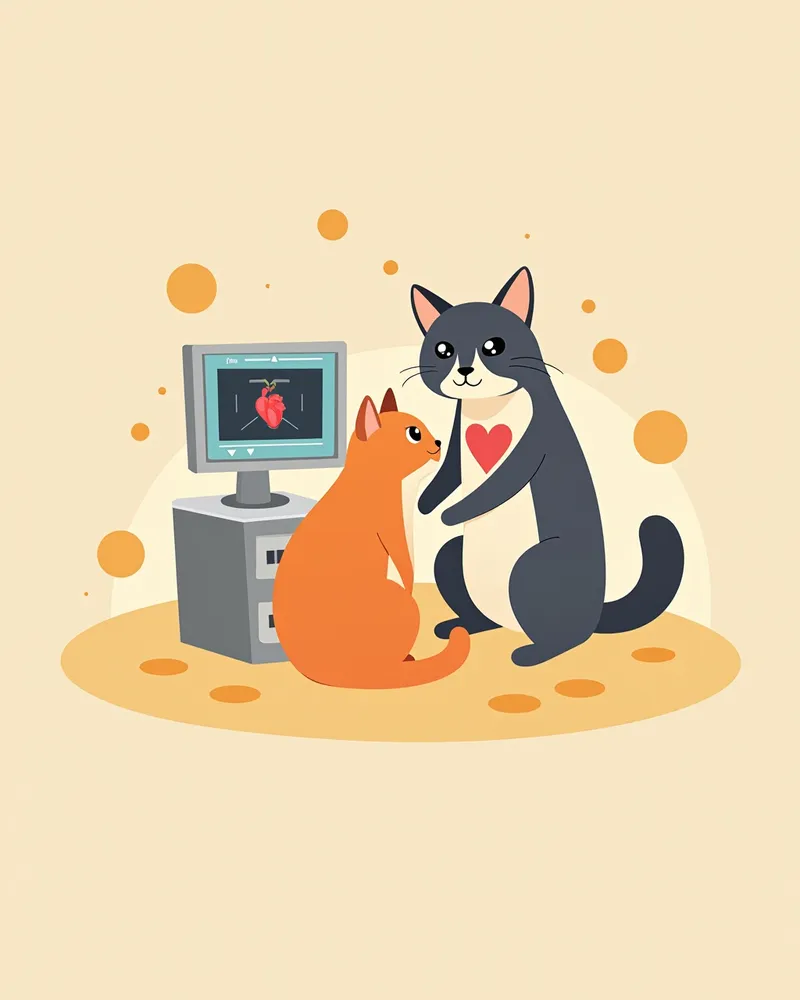
Echocardiography is the cornerstone of diagnosing myocarditis, as it allows us to evaluate the condition and movement of the heart muscle. It is the standard test most commonly used to identify heart disease in cats. However, because myocarditis can be difficult to distinguish from other cardiac conditions, taking a detailed medical history regarding potential infections or exposures is crucial. If an arrhythmia is suspected, an electrocardiogram (ECG) is used to assess the heart rhythm, and blood tests for cardiac biomarkers such as cardiac troponin can help indicate heart damage. We also evaluate for underlying conditions, including thyroid and kidney function. Even if your cat shows no symptoms, regular cardiac screenings are recommended if they have risk factors.
A scene of a cat undergoing an echocardiogram (heart ultrasound) examination.

What Are the Treatment Methods?

The course of myocarditis varies depending on the underlying cause and the extent of heart damage, and it often presents more acutely than other causes of systolic dysfunction. The cornerstone of treatment is addressing potential causes (such as infections) while preventing and managing complications like sudden death from arrhythmias, congestive heart failure, and arterial thromboembolism. Diuretics are used for heart failure accompanied by edema, and antithrombotic agents may be administered at the veterinarian’s discretion if there is a risk of blood clots. In cases of severely compromised cardiac function, emergency interventions such as oxygen therapy are required. Additionally, reducing environmental stress and regulating physical activity can be beneficial, along with regular check-ups tailored to the patient’s condition.
A cat receiving oxygen therapy and an intravenous infusion

Home Care Points

Home care is crucial for managing feline myocarditis.
Minimize stress: Provide a quiet space so your cat can live in a comfortable environment.
Regulate activity: Avoid excessive running or play, and ensure ample rest time.
Dietary management: Feed the heart-healthy diet recommended by your veterinarian.
Medication management: Administer medication accurately at the prescribed times.
Regular check-ups: Have your cat undergo cardiac examinations every 3 to 6 months.
These care measures significantly help reduce complications and improve your cat’s quality of life.
A cat resting comfortably in a cozy environment

Precautions: Contraindications and Side Effects

During myocarditis treatment, taking anticoagulants like aspirin without veterinary approval can increase the risk of bleeding. Additionally, excessive exercise or stress can put a strain on the heart. If your cat shows signs of shock, vomiting, or bloody stool while on medication, consult your veterinarian immediately. Medications are prescribed by your vet based on your cat’s weight and condition, so owners should never alter the dosage or skip doses.

Reviewed by a veterinarian

Dr. Tony — Punnawat Phongkittirak

Dr. Tony — Punnawat Phongkittirak

Veterinarian

A veterinarian who majored in veterinary medicine at Khon Kaen University, Thailand, and completed the IVSA program at North Carolina State University in the United States. Drawing on clinical experience at animal hospitals, he works in the pet healthcare field and is dedicated to building a digital care environment that connects pet parents with veterinarians.

Frequently Asked Questions

Is myocarditis a common condition in cats?
Myocarditis is a relatively rare condition, typically seen in young adult cats. Unlike the more well-known hereditary hypertrophic cardiomyopathy (HCM), myocarditis is primarily caused by infections such as viruses, bacteria, or parasites. Therefore, it is more often associated with infections or underlying health issues rather than being a breed-specific genetic disorder.
Can myocarditis be treated?
Whether a complete cure is possible depends on the underlying cause and the extent of the damage. Our goal is to manage symptoms through targeted treatment of the root cause and careful management of complications, while preventing serious issues such as sudden death, heart failure, and blood clots. Early diagnosis and consistent care play a crucial role in improving the prognosis.
When is the best time to have a genetic test done?
Myocarditis itself is not a genetic disease; it usually develops due to infections or underlying conditions, so it isn’t diagnosed through genetic testing. Genetic testing is recommended to assess the risk of hypertrophic cardiomyopathy (HCM) in breeds such as Ragdolls and Maine Coons, so it’s important to distinguish it from myocarditis.
Can cats with myocarditis go for walks?
I don’t recommend walks, as they can be stressful. Instead, it’s safer to focus on quiet indoor play and rest.
What is the average life expectancy of a cat with myocarditis?
The course of myocarditis varies significantly depending on the underlying cause and the extent of heart damage. While some pets recover well, complications such as arrhythmias, heart failure, or arterial thromboembolism can be life-threatening. Because it’s difficult to predict a specific average lifespan, early diagnosis and consistent management are the most important factors.

Symptoms and Response Methods by Stage of Myocarditis

ItemStageMain SymptomsTreatment DirectionPrognosis
Mild (early detection)Asymptomatic or mild difficulty breathingAbnormality found on regular checkup/echocardiographyObservation after evaluating the causeRelatively good
ModerateDifficulty breathing, lethargy, exercise intoleranceTreatment of the cause and management of complications such as diureticsRegular checkups essentialVariable depending on cause and management
SevereFainting, hind limb paralysis, severe difficulty breathingEmergency treatment, oxygen supply, thrombus managementHigh risk of sudden death and heart failureMay be poor

The course of myocarditis varies depending on the cause and the degree of cardiac damage. It is difficult to determine an average survival period, and early detection and regular checkups are important.

Share

Related Guides

References

[1] The Cat, Clinical Medicine and Management, 2nd Edition. Elsevier, 2022.

[2] Small Animal Critical Care Medicine, 3rd Edition. Elsevier, 2021.

[3] Clinical Medicine of the Dog and Cat, 4th Edition. Elsevier, 2020.

This information is based on veterinary literature and does not replace diagnosis or treatment. Please consult a veterinarian for specific health concerns.

Metapet Co., Ltd. | CEO: Park Sung-yong | Business Reg. No. 417-88-02562 | Seoul, South Korea | Customer Center

Feline Myocarditis: Causes & Emergency Signs to Watch | Meongsiljang