
Elevated Liver Enzymes (ALT/ALP) in Cats: Causes and Necessary Tests
We’ve compiled the essential information pet owners need to know about the most common causes, diagnostic steps, and management strategies when a cat’s ALT and ALP levels are elevated.
What Does Elevated ALT and ALP in Cats Mean?
What Are the Main Causes?
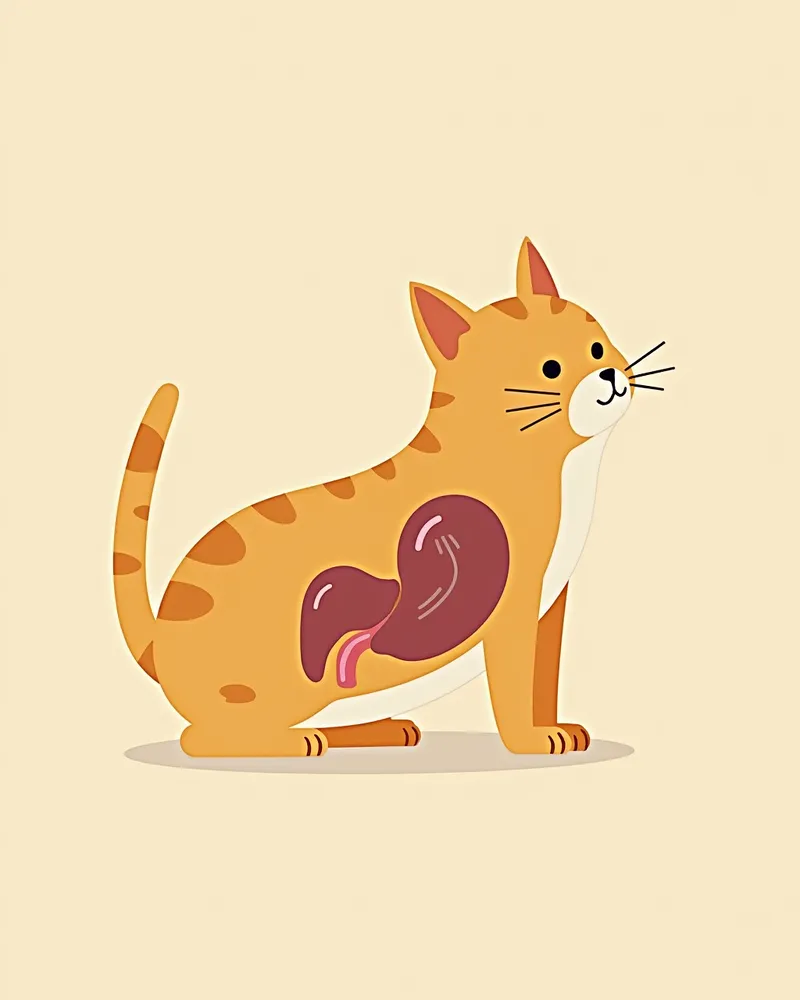
What Tests Are Needed for Differential Diagnosis?

Comparison of Key Features by Cause of Elevated ALT and ALP
| Item | Cause | Main features | Additional testing needed |
|---|---|---|---|
| Hepatitis or hepatocellular injury | ALT elevation is more pronounced | ALP is moderately elevated | Blood test, ultrasound |
| Biliary obstruction (cholestasis) | ALP sensitivity may be low in cats | GGT elevation may be more pronounced than ALP | Ultrasound, blood test (GGT, etc.) |
| Hepatic lipidosis | Increased ALP:GGT ratio (ALP rises more than GGT) | Accompanied by poor appetite | Biopsy, ultrasound |
| Drug-induced liver injury | Need to check history of specific drug use | Tends to recover after discontinuing the drug | Reevaluation after discontinuing the drug |
Veterinarians perform several tests in parallel to accurately identify the cause.
What Are the Treatment Options?
Signs That Require an Immediate Vet Visit
If your pet shows symptoms such as loss of appetite, repeated vomiting, lethargy, jaundice (yellowing of the eyes or lips), or abdominal pain, you should take them to the vet immediately. These could be signs of severe liver damage.
Management Tips You Can Do at Home

Practical Tips for Prevention
Reviewed by a veterinarian

Dr. Tony — Punnawat Phongkittirak
VeterinarianA veterinarian who majored in veterinary medicine at Khon Kaen University, Thailand, and completed the IVSA program at North Carolina State University in the United States. Drawing on clinical experience at animal hospitals, he works in the pet healthcare field and is dedicated to building a digital care environment that connects pet parents with veterinarians.
Reviewed 2026-06-05
Frequently Asked Questions
Is it okay if my cat is still active even though their ALT and ALP levels are high?
How is fatty liver disease treated?
Can medications affect the liver?
Is there anything I can do at home if my pet’s ALT and ALP levels are elevated?
What symptoms appear when a cat’s liver function declines?
Share
Related Guides

Top 7 Low-Protein Diets for Dogs with Liver Disease Recommended by Veterinarians — Protein Adjustment Criteria

7 Key Symptoms and Management Essentials for Canine Cholecystitis Recommended by Veterinarians

Top 5 Milk Thistle (Silymarin) Liver Supplements for Dogs — A Comparison Guide Based on Silybin Content and Absorption Rates

Dog Bladder Polyps & Growths FAQ — Key Information for Pet Owners

Dog Bacterial Cystitis FAQ — Key Information for Pet Owners
Frequently Asked Questions on Increasing Your Cat’s Water Intake — Key Points Every Pet Owner Should Know

Frequently Asked Questions About Feline Urinary Stone Prevention Diets — Key Essentials for Pet Owners

Feline Urethral Stricture FAQ — Key Information Pet Owners Must Know

Feline Urethral Obstruction FAQ — Key Information Every Pet Owner Should Know

Frequently Asked Questions (FAQ) on Cat Urethral Catheter Care — Key Points Every Pet Owner Must Know
References
[1] Fundamentals of Veterinary Clinical Pathology, 3rd Edition, 2023
[2] Small Animal Critical Care Medicine, 3rd Ed, 2022
[3] Veterinary Hepatology: A Clinical Approach, 2021