
My Cat Keeps Vomiting — Is It a Warning Sign of Cholecystitis? Q&A on Abdominal Pain and Vomiting Management
Feline cholecystitis is a condition whose early symptoms are often subtle and easily overlooked by pet owners. This article addresses the five most common questions to help you respond appropriately.
What Is Feline Cholecystitis?
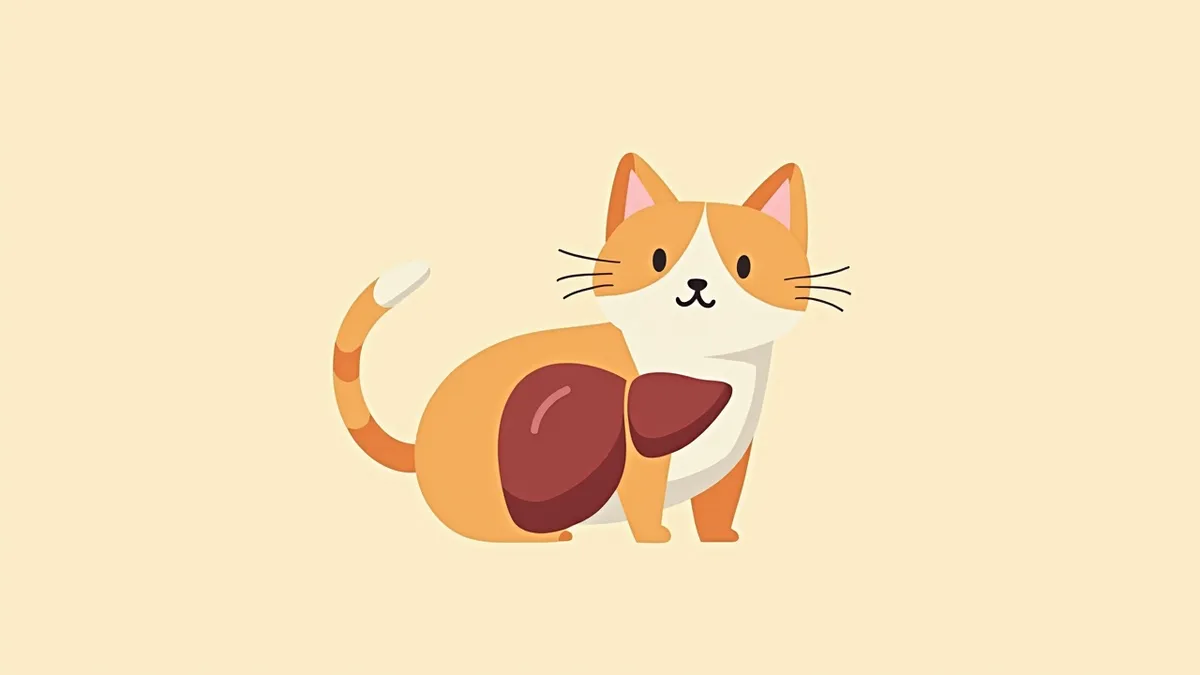
Why Does Feline Cholecystitis Occur?
What Are the Main Symptoms of Cholecystitis?
Signs Requiring Immediate Veterinary Visit
If your cat loses its appetite for more than 24 hours, vomits repeatedly, or has a hard, painful abdomen, seek veterinary care immediately. Worsening jaundice or neurological signs such as lethargy, confusion, or seizures indicate an emergency. Because severe cholecystitis can lead to gallbladder rupture or sepsis, prompt treatment can be life-saving.
Comparison of Symptoms by Severity: Mild, Moderate, and Severe Cholecystitis
| Item | Mild | Moderate | Severe |
|---|---|---|---|
| Appetite | Slightly decreased | Persistent decline | Not eating at all |
| Vomiting | 1–2 times | Recurs daily | Contains blood |
| Abdominal pain | Mild | Persistent | Staggering |
| Jaundice | None | Mild | Severe |
The more severe the symptoms, the more urgent treatment becomes. Early diagnosis is key.
How Is It Diagnosed?
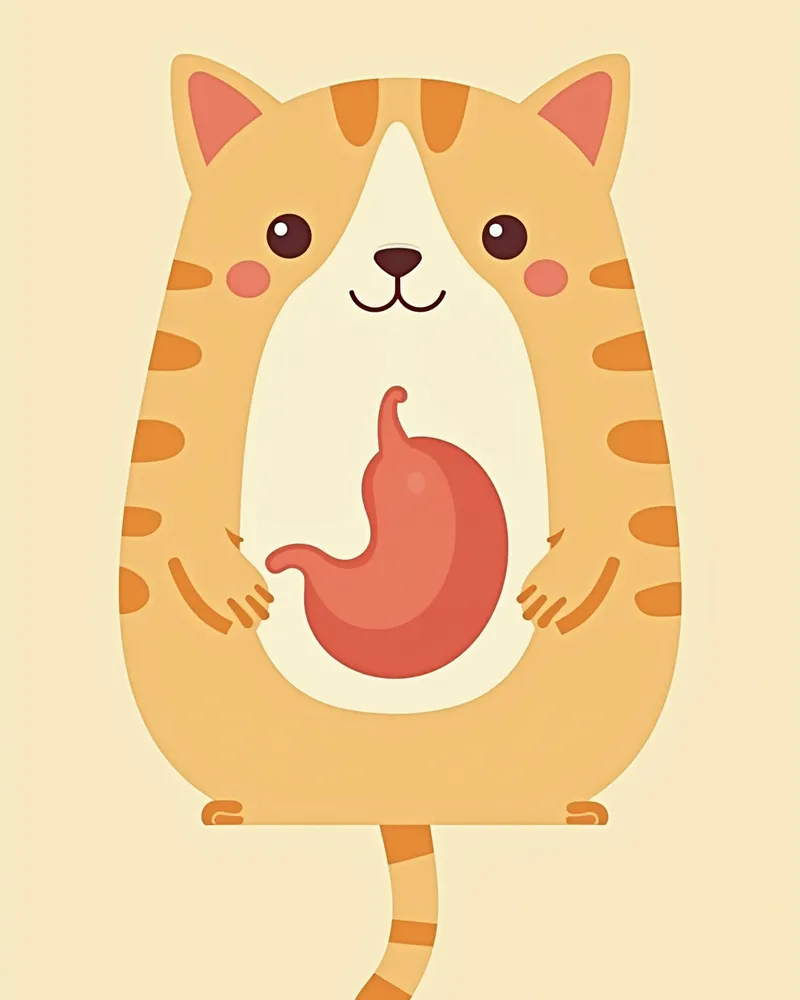
What Are the Treatment Options?
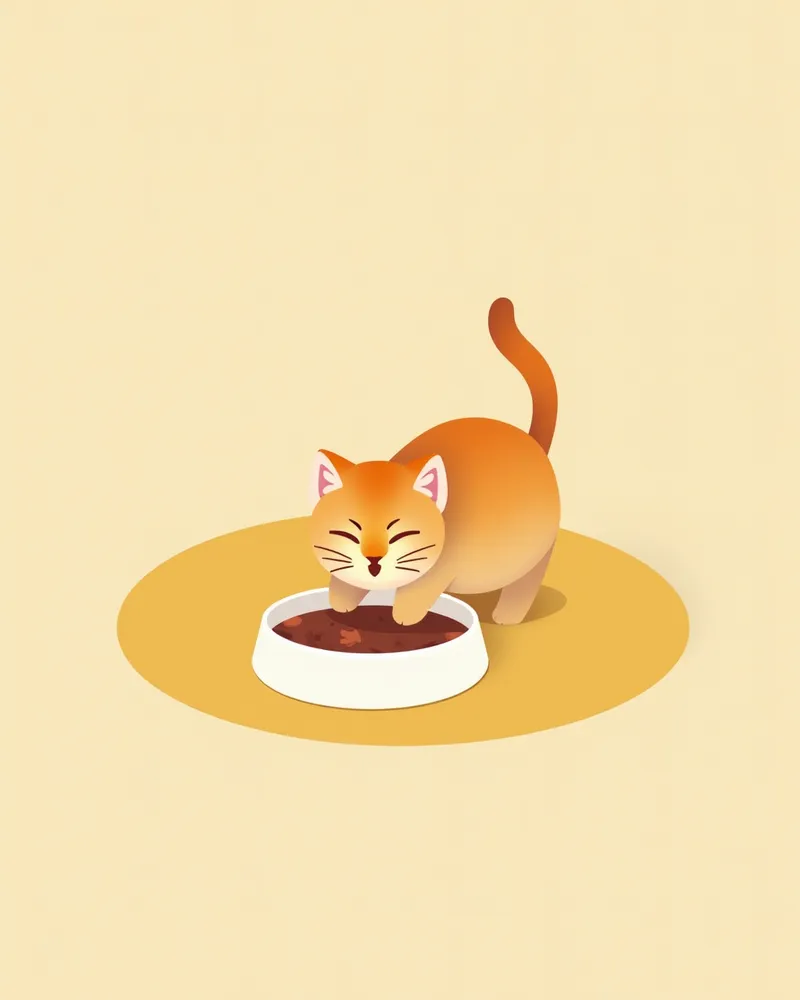
Tips for Home Management

Precautions: Contraindications and Side Effects
During treatment for feline cholecystitis, nonsteroidal anti-inflammatory drugs (NSAIDs) and certain antibiotics must be used with caution. If liver function is compromised, drug metabolism slows down, which can lead to toxicity. Never self-prescribe or discontinue medications on your own. Always follow your veterinarian’s instructions for administration, and report any adverse reactions immediately.
Reviewed by a veterinarian

Dr. Tony — Punnawat Phongkittirak
VeterinarianA veterinarian who majored in veterinary medicine at Khon Kaen University, Thailand, and completed the IVSA program at North Carolina State University in the United States. Drawing on clinical experience at animal hospitals, he works in the pet healthcare field and is dedicated to building a digital care environment that connects pet parents with veterinarians.
Reviewed 2026-06-05
Frequently Asked Questions
Can feline cholecystitis be treated?
Does cholecystitis always require surgery?
Is feline cholecystitis hereditary?
How should I manage my pet’s diet?
How often do recurrences occur?
Share
Related Guides
7 Key Symptoms and Management Essentials for Canine Cholecystitis Recommended by Veterinarians

Top 5 Milk Thistle (Silymarin) Liver Supplements for Dogs — A Comparison Guide Based on Silybin Content and Absorption Rates
Top Prescription Diets for Dogs with Liver Disease and Selection Criteria
How to Bathe Your Cat and Precautions
Symptoms and Management of Canine Diabetes
Dog Urine Specific Gravity Test FAQ — Key Information Pet Owners Must Know
Dog Urine pH Management FAQ — Key Information Every Pet Owner Should Know

Dog Urine Culture Test FAQ — Key Information Every Pet Owner Should Know
Frequently Asked Questions About Urethral Catheter Care in Dogs — Key Points Every Pet Owner Must Know

Dog Struvite Urinary Stones FAQ — Key Points Pet Owners Must Know
References
[1] Greenhalgh SN, Reeve JA, Johnstone T, et al. Long-term survival and quality of life in cats with clinical signs associated with cholelithiasis. J Feline Med Surg. 2018;20(5):412–419.
[2] Sparkes AH, Caney S, Chalhoub S, et al. ISFM consensus guidelines on the diagnosis and management of feline chronic kidney disease. J Fel Med Surg. 2016;18(3):219–239.
[3] Small Animal Critical Care Medicine, 3rd Ed. Elsevier, 2020. Chapter 12: Hepatobiliary Disorders in Cats.