Like
Share
멍실장
강아지 담즙산 검사 자주 묻는 질문 Q&A — 보호자가 꼭 알아야 할 핵심

Complete Guide to Canine Bile Acids Test: Why It’s Done and How to Interpret Results

Liver HealthQ&AMeongsiljang Veterinary Advisory Board

The bile acids test is a key diagnostic tool for accurately assessing your dog’s liver function. We’ve compiled the essential information every pet owner should know in a Q&A format.

The Bile Acids Test Is a Key Diagnostic Tool for Evaluating Liver Function in Dogs
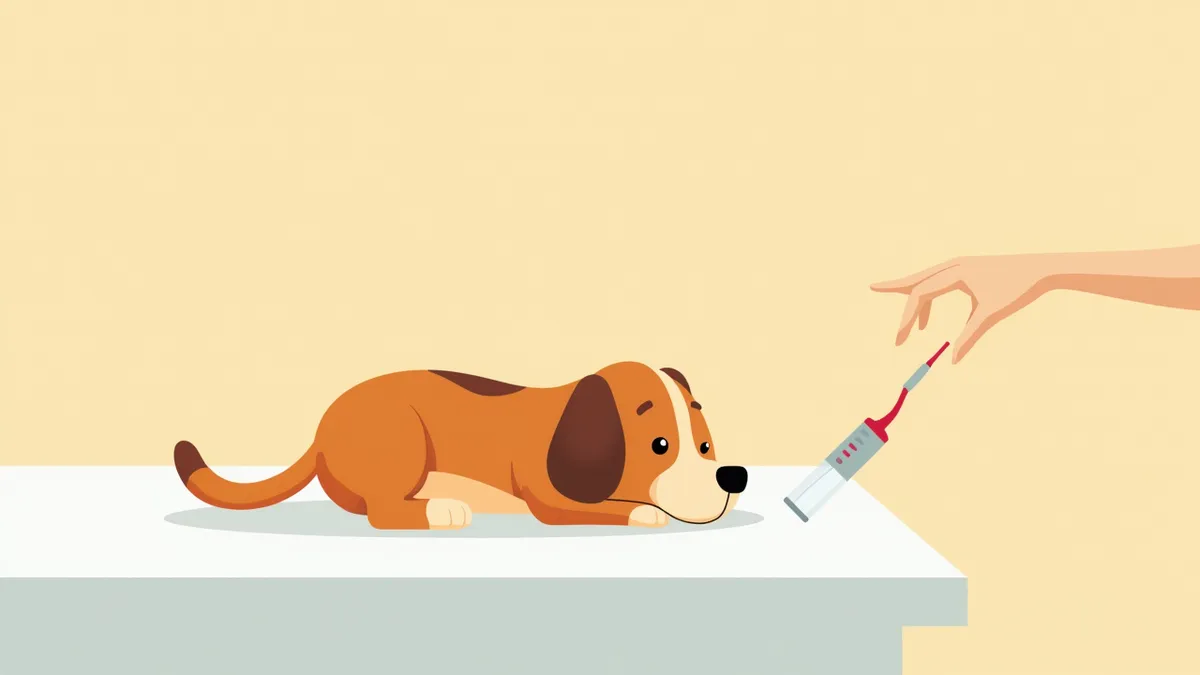
A veterinarian drawing blood from a puppy's vein.
A bile acids test is a key diagnostic tool for accurately assessing your dog’s liver metabolic function and blood flow. - Purpose of the test: It evaluates whether the liver is properly clearing and reabsorbing bile acids, providing an overall picture of liver function. - Why it’s necessary: Early-stage liver disease often shows no symptoms, making early detection crucial. - Pre-test preparation: Your dog must be fasting. No food should be given for 12 hours before the test, but water is allowed. - Interpreting results: Liver function abnormalities are determined by comparing two blood test results. - Next steps: If abnormalities are detected, your veterinarian may recommend further diagnostics such as an ultrasound or biopsy.

Purpose and Necessity of the Test

Bile acid testing plays a crucial role in the early detection of liver dysfunction in dogs. - Importance of early diagnosis: Liver disease often shows few or no symptoms in its early stages, so testing allows us to identify potential issues before they progress. - Test accuracy: By comparing blood samples taken before and after eating, we can precisely evaluate the liver’s metabolic function. - Advice for pet owners: We recommend regular testing even if your dog shows no symptoms. - Disease prevention: Early detection significantly improves treatment outcomes, helping to maintain your dog’s quality of life. - Veterinarian’s perspective: Based on the test results, your veterinarian will recommend any additional diagnostics or a tailored management plan.
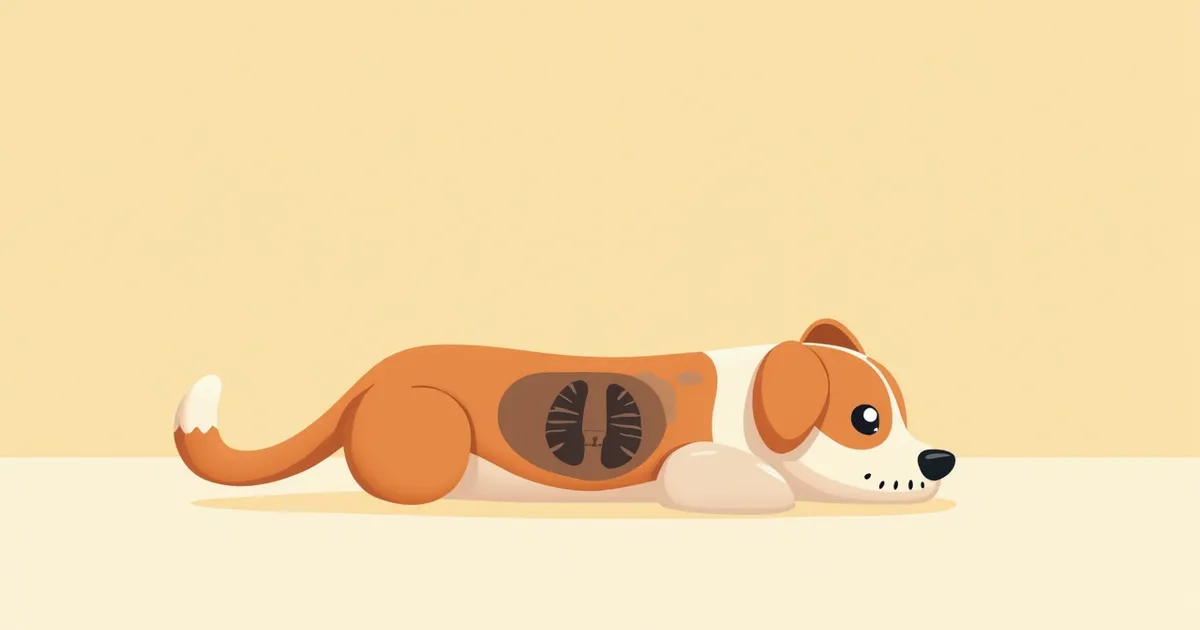
The veterinarian is analyzing the bile acid test results.

Preparation Before the Test

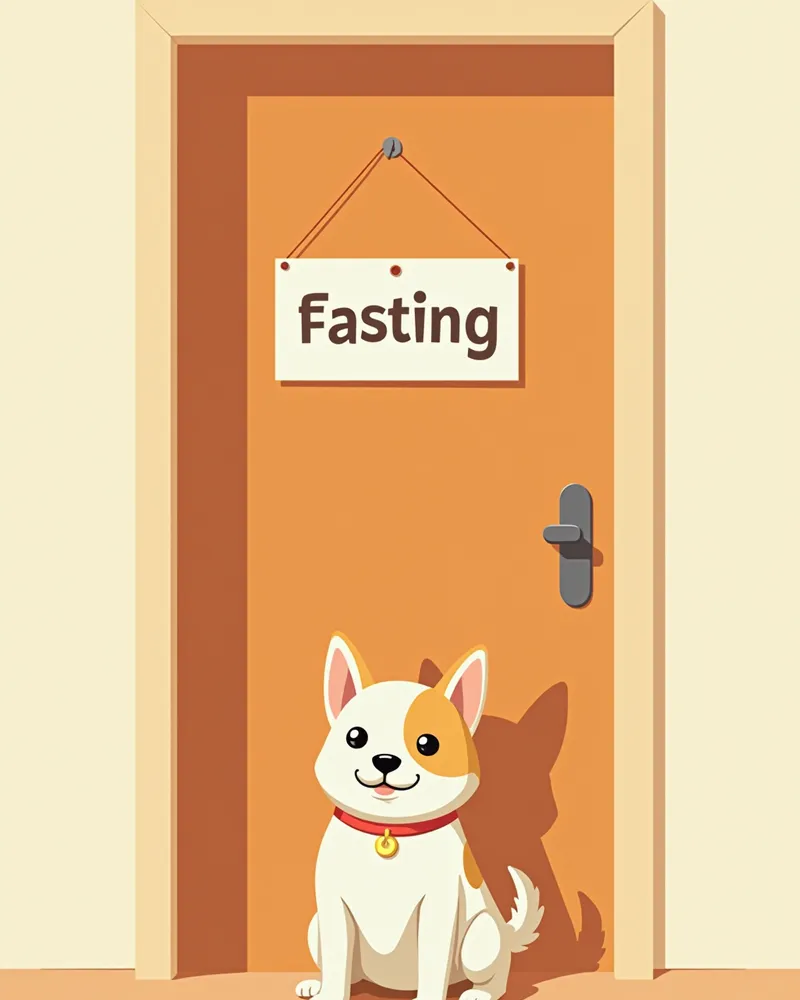
Your dog must fast for 12 hours before undergoing a bile acid test. - Fasting rules: No food should be given at all, but water is allowed. - Preparation on the day of the test: Arrive at the clinic in a fasted state in the morning for more accurate results. - Impact of non-compliance with fasting: If fasting is not properly observed, bile acid levels may be distorted, leading to incorrect interpretations. - Owner responsibility: Carefully following fasting instructions is key to ensuring the reliability of the test. - Clinic confirmation: It’s also a good idea to call the clinic beforehand to double-check preparation requirements.
A dog waiting at the clinic on an empty stomach

Test Procedure and Duration

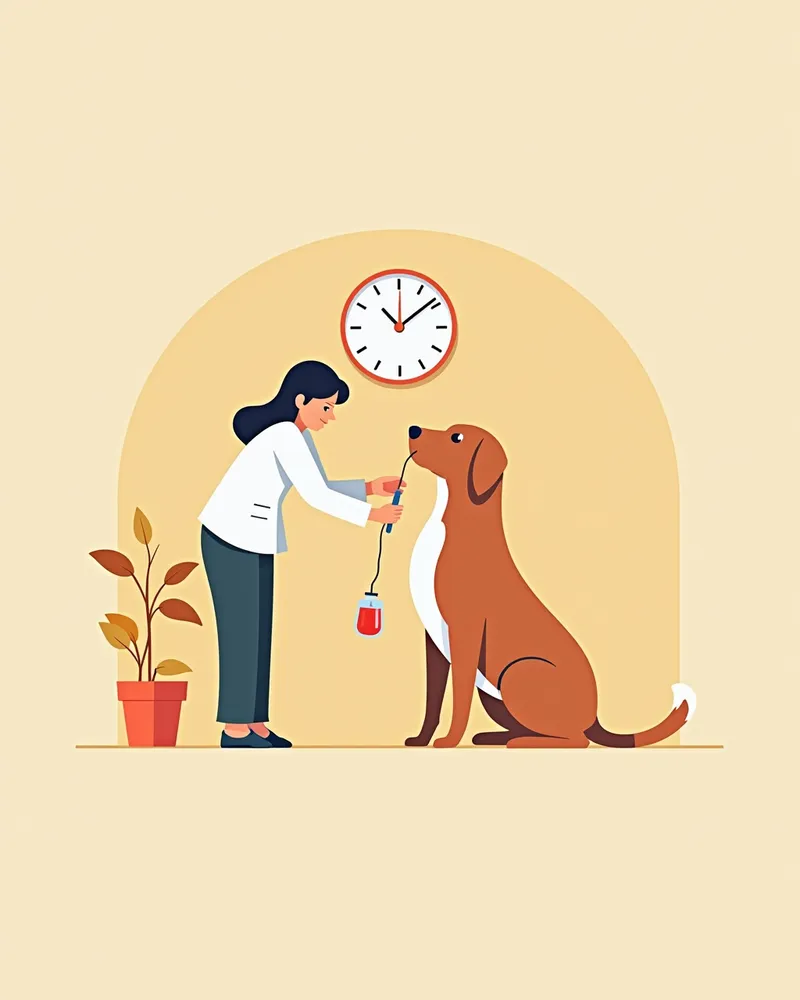
The bile acids test involves two blood draws. - First blood draw: Blood is collected in the morning while your pet is fasting. - Feeding a snack: A snack is given midway through the test, followed by a two-hour waiting period. - Second blood draw: Blood is drawn again after two hours for comparative analysis. - Test duration: The entire process typically takes about 2 to 3 hours. - Interpreting results: Liver function abnormalities are assessed by comparing the values from both samples. - Important note for owners: Skipping the snack or failing to adhere to the timing schedule can compromise the reliability of the results.
Two blood draws taken two hours apart

Criteria for Interpreting Bile Acids Test Results

ItemResult RangeInterpretationAdditional Measures
Fasting Value< 10 µmol/LNormalMaintain normal
2-Hour Postprandial Value< 15.5 µmol/LNormalMaintain normal
Abnormal Value> 25 µmol/LSuspected liver dysfunctionAdditional testing required

Fasting and postprandial values under 25 µmol/L have no clinical significance, and values exceeding 30 µmol/L are associated with liver disease. Results are judged comprehensively by a veterinarian and are not diagnostic on their own.

Interpreting Test Results and Next Steps
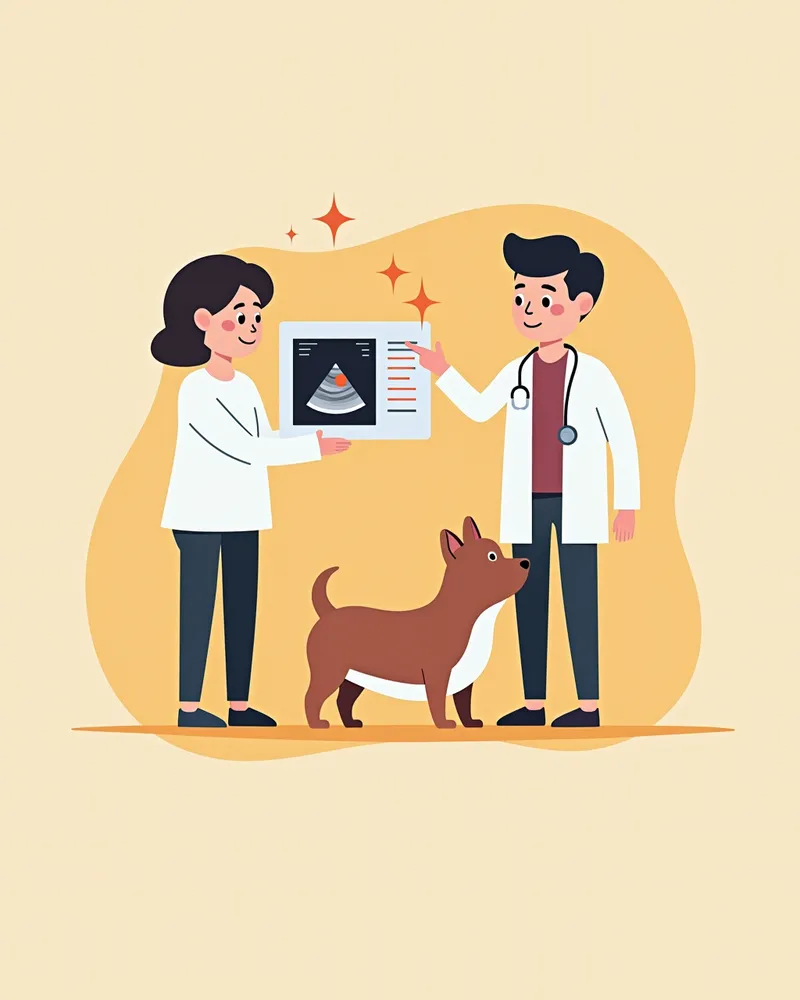
The test results accurately reflect the state of liver function. - Normal results: If bile acid levels are within the normal range, it indicates that the liver is functioning well. - Abnormal results: Elevated levels suggest a higher likelihood of liver disease. - Additional tests: Your veterinarian may recommend further diagnostics such as ultrasound, blood tests, or a biopsy. - Treatment plan: If detected early, the condition can be managed with medication and dietary adjustments. - Ongoing care: Even with abnormalities, consistent management can help maintain a good quality of life. - Owner’s role: Understand the results thoroughly and work closely with your veterinarian to develop a management plan.
A scene where a veterinarian explains the results of a liver ultrasound.

When Immediate Veterinary Visit Is Necessary

Skipping fasting before the test or withholding treats afterward can lead to inaccurate results. To ensure accurate findings, please follow the instructions carefully.

Post-Test Care Points
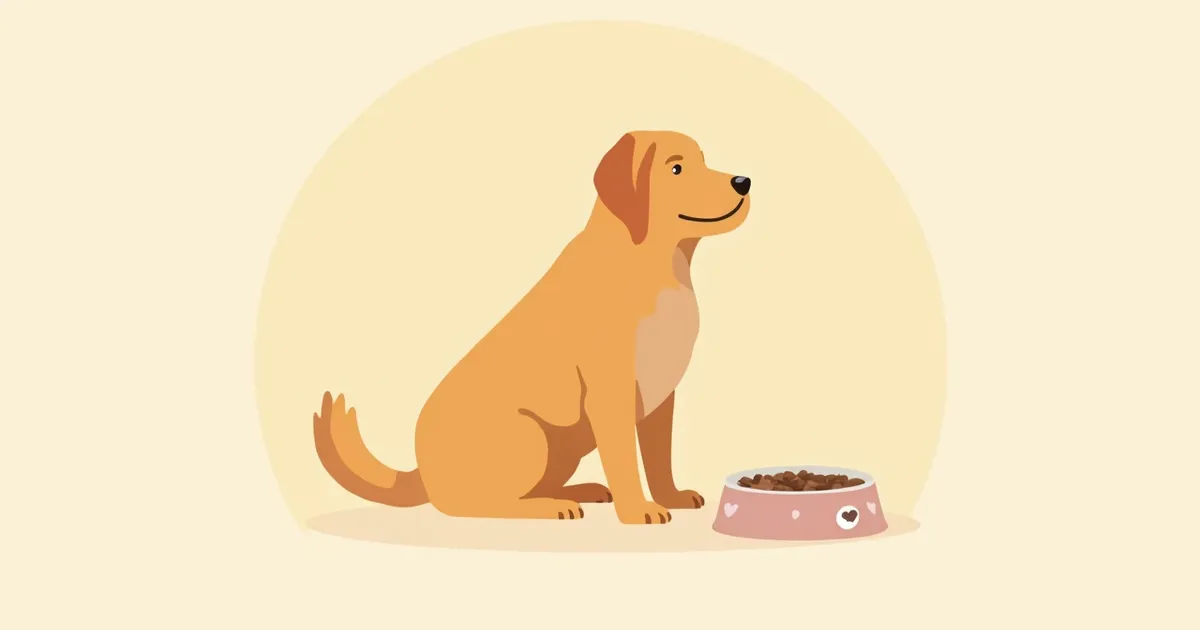
Since the bile acid test only involves a blood draw, no special aftercare is required. - Normal results: Continue with regular health check-ups, and maintain a consistent routine of meals and exercise. - Abnormal results: Follow your veterinarian’s instructions for any additional testing or treatment. - Dietary management: If chronic liver disease is diagnosed, consider a prescription diet for liver conditions as recommended by your veterinarian. - Exercise management: Avoid strenuous activity and adjust walks to suit your dog’s current condition. - Veterinary visits: Return to the clinic if you notice any ongoing changes. - Owner attention: Liver health requires long-term management, so consistent care and attention are essential.
A dog eating veterinarian-recommended food

Reviewed by a veterinarian

Dr. Tony — Punnawat Phongkittirak

Dr. Tony — Punnawat Phongkittirak

Veterinarian

A veterinarian who majored in veterinary medicine at Khon Kaen University, Thailand, and completed the IVSA program at North Carolina State University in the United States. Drawing on clinical experience at animal hospitals, he works in the pet healthcare field and is dedicated to building a digital care environment that connects pet parents with veterinarians.

Frequently Asked Questions

Does the bile acid test cause pain?
Venipuncture may cause a brief moment of discomfort, but it’s over very quickly. Most dogs tolerate it well.
How soon will the test results be available?
Results are typically available within 1 to 2 days, though this may vary depending on the clinic.
What should I do if my dog can’t fast?
If fasting is difficult, you can consult with your veterinarian to consider alternative diagnostic methods.
Is this test necessary for all dogs?
It is recommended when specific symptoms are present or for high-risk groups (e.g., small-breed dogs, those with genetic conditions). Routine testing is not necessary.
How much does the test cost?
Costs vary by clinic, but typically range from $40 to $70. Please confirm with your veterinarian.

Share

Related Guides

References

[1] Plumb's Drug Handbook for Dogs and Cats, 2023. Wiley-Blackwell.

[2] Feldman, B.F., Nelson, R.W. (2019). Veterinary Hematology and Clinical Chemistry, 7th ed. Elsevier.

[3] American College of Veterinary Internal Medicine (ACVIM). Guidelines for the Evaluation of Hepatic Function in Dogs, 2021.

This information is based on veterinary literature and does not replace diagnosis or treatment. Please consult a veterinarian for specific health concerns.

Metapet Co., Ltd. | CEO: Park Sung-yong | Business Reg. No. 417-88-02562 | Seoul, South Korea | Customer Center

Canine Bile Acids Test: Why It's Done & How to Read Results | Meongsiljang