

Frequently Asked Questions (Q&A) on Age-Specific Regular Health Checkups for Cats — Key Information Every Owner Must Know
We’ve outlined the recommended screening tests, their frequency, and preventive strategies based on your cat’s age. Early detection is key to supporting healthy aging.
Why Are Age-Specific Regular Health Checkups Important for Cats?

The Need for Checkups According to a Cat’s Life Stages

Recommended Screening Items by Age Group
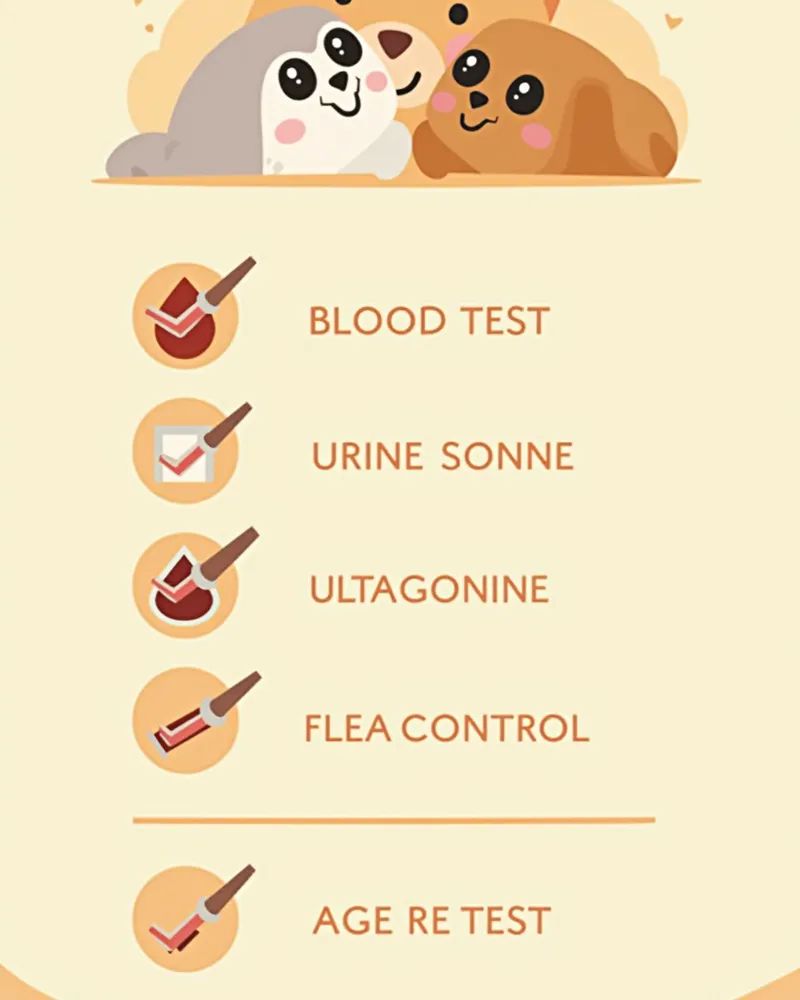
Explanation of the Core Components of a Feline Health Checkup

Comparison Table of Age-Specific Regular Health Checkups for Cats
| Item | Main Checkup Items | Checkup Interval | Precautions |
|---|---|---|---|
| Within the first year of life (0–12 months) | Vaccines, deworming, FeLV/FIV virus testing, basic blood work | Every 3 months | Start from 8 weeks of age |
| Ages 1–6 (young adult cat) | Physical exam, blood pressure, blood/biochemistry testing | Every 6 months | Watch for behavioral changes |
| Ages 7–10 (middle age) | Blood/biochemistry testing, urinalysis, blood pressure measurement | Once a year | Increased risk of chronic disease |
| Age 10 and older (senior) | Whole-body organ function evaluation, regular blood/urine testing, additional organ testing | Every 6 months | Early detection is key |
The checkup interval may be adjusted based on the cat's health condition and the veterinarian's judgment.
Preparations Owners Should Make Before the Checkup

When Immediate Veterinary Visit Is Necessary
If your cat suddenly loses its appetite, experiences repeated vomiting or diarrhea, has difficulty breathing, or becomes significantly less active, you should take it to the vet immediately. These could be signs of a serious condition, so it's important to seek veterinary care right away, regardless of when the last check-up was. For cats over 10 years old, early intervention before symptoms worsen can be life-saving. As a pet owner, regularly monitor your cat for any changes in behavior or health, and consult with a veterinarian as soon as you notice any unusual signs.
Benefits and Effects of Regular Checkups

Reviewed by a veterinarian

Dr. Tony — Punnawat Phongkittirak
VeterinarianA veterinarian who majored in veterinary medicine at Khon Kaen University, Thailand, and completed the IVSA program at North Carolina State University in the United States. Drawing on clinical experience at animal hospitals, he works in the pet healthcare field and is dedicated to building a digital care environment that connects pet parents with veterinarians.
Reviewed 2026-06-29
Frequently Asked Questions
Should I have my kitten checked by a vet within its first year of life?
How often should cats over 10 years old be checked up?
Can I feed my pet before the check-up?
What should I do if my cat is afraid of check-ups?
Should I still have regular check-ups even if the results are normal?
Share
Related Guides

Top Recommendations and Selection Criteria for Cat FIV and FeLV Testing

Top Microchip Implantation Management Recommendations for Dogs and Key Selection Criteria

Complete Guide to Choosing, Comparing, and Managing the Best Heartworm Preventives for Dogs
Dog Patellar Surgery: What Are the Options? — Differences Between TTT and Trochleoplasty

TPLO vs TTA Cruciate Ligament Surgery Comparison

Complete Guide to Stages 1-4 of Feline Cognitive Dysfunction

Feline Hyperthyroidism vs. Hypothyroidism: What’s the Difference?

What Is a Feline Food Allergy Trial? — From Elimination Diet Procedure to Interpretation
Understanding Feline Idiopathic Cystitis (FIC) in Detail

How to Separate Territories in a Multi-Cat Household?