Like
Share
멍실장
고양이 털 관리·빗질 자주 묻는 질문 Q&A — 보호자가 꼭 알아야 할 핵심

Cat Coat Care & Brushing FAQ — Key Information Every Owner Should Know

Lifestyle & Age CareQ&AMeongsiljang Veterinary Advisory Board

Proper coat care is essential for maintaining your cat’s health and reducing stress. We’ve compiled the key information every owner should know, including how often to brush, which tools to choose, and how to spot warning signs.

Cat Coat Care Is Key to Health and Emotional Well-being

A cat enjoying a comfortable brushing session
Caring for your cat’s coat is about more than just looks; it plays a vital role in maintaining their health and emotional well-being. - Coat Care: Brushing can support your cat’s natural grooming habits, depending on their condition and response. Regular brushing helps remove loose hair and allows you to monitor their skin health. - Skin Protection: Brushing complements your cat’s self-grooming and provides an opportunity to check the condition of their skin and coat. It is especially helpful for detecting external parasites or foreign objects. - Stress Relief: Gentle, slow brushing can provide a positive experience for your cat and help strengthen the bond with you. However, always watch your cat’s reactions and proceed accordingly. - Building a Routine: Introduce brushing gradually so your cat feels comfortable, and stop immediately if you notice signs of stress. Starting with short daily sessions and pairing them with rewards helps create a positive association. - Appropriate Frequency: The ideal brushing frequency varies based on your cat’s breed, coat length, health status, and individual response. Adjust the need and frequency of brushing, especially during shedding seasons or when aging or illness makes self-grooming difficult.

Why Is Brushing Your Cat Important?

Brushing your cat is more than just grooming—it’s an important preventive measure that supports both physical health and emotional well-being. - Maintain skin health: Brushing gives you a chance to check your cat’s skin and coat, helping you spot issues like inflammation, parasites, or foreign objects early on. - Remove loose fur: Brushing helps remove shed fur, which is especially helpful when your cat can’t groom themselves effectively. - Monitor for parasites: While brushing, you can check for external parasites or debris, aiding in early detection of potential problems. - Promote emotional stability: Gentle, slow brushing can provide a positive experience for your cat and strengthen your bond. Always watch your cat’s reactions, though. - Make it a routine: Regular brushing helps your cat get used to the process. Start with short sessions and gradually increase the time. - Watch for reactions: If your cat shows signs of discomfort, stop brushing immediately and try again later.
The sight of a cat's fur being gently brushed smooth

How to Determine the Frequency of Brushing Your Cat

The frequency of brushing your cat should vary depending on coat length and type, the season, and your cat’s health status. - Long-haired breeds: Cats with longer coats or heavy shedding may require more frequent brushing. This is especially important during shedding seasons or if your cat has difficulty grooming itself. - Short-haired breeds: If your cat doesn’t form mats easily and grooms itself well, you can brush less frequently. - Individual differences: Rather than sticking to a fixed schedule, it’s important to adjust brushing frequency based on your cat’s reactions, stress levels, and overall health. Stop brushing if your cat shows signs of discomfort. - Making it a routine: Introduce brushing as a small, regular habit, starting with short, low-pressure sessions to make it more comfortable for your cat. - Seasonal adjustments: During spring and fall shedding seasons, increased brushing can help manage loose fur and keep your cat’s coat in good condition. - Stop immediately if needed: If your cat becomes uncomfortable or aggressive during brushing, stop right away and try again at a later time.
A calendar showing the recommended frequency for grooming your cat’s coat

Which Grooming Tools Should You Choose for Your Cat?
Choosing the right grooming tool for your cat depends on their coat type, hair length, and individual temperament. - For long-haired cats: A brush with appropriately spaced, soft bristles helps remove loose hair and gently smooths the coat. - For short-haired cats: A brush with dense, firm bristles can quickly tidy the coat, but avoid applying excessive pressure. Gentle strokes are best. - For removing mats: Specialized brushes or sponge brushes can help untangle matted fur. It’s important to work carefully and gently with appropriate pressure. - Monitor your cat’s reaction: Observe how your cat responds before using any tool. If they seem uncomfortable, switch to a different tool. - Regular cleaning: Grooming tools easily collect hair, so always clean them after use. Rinse with water and store in a dry place. - Use a variety of tools: Combining different tools can make grooming more engaging for your cat and improve overall cleaning effectiveness.
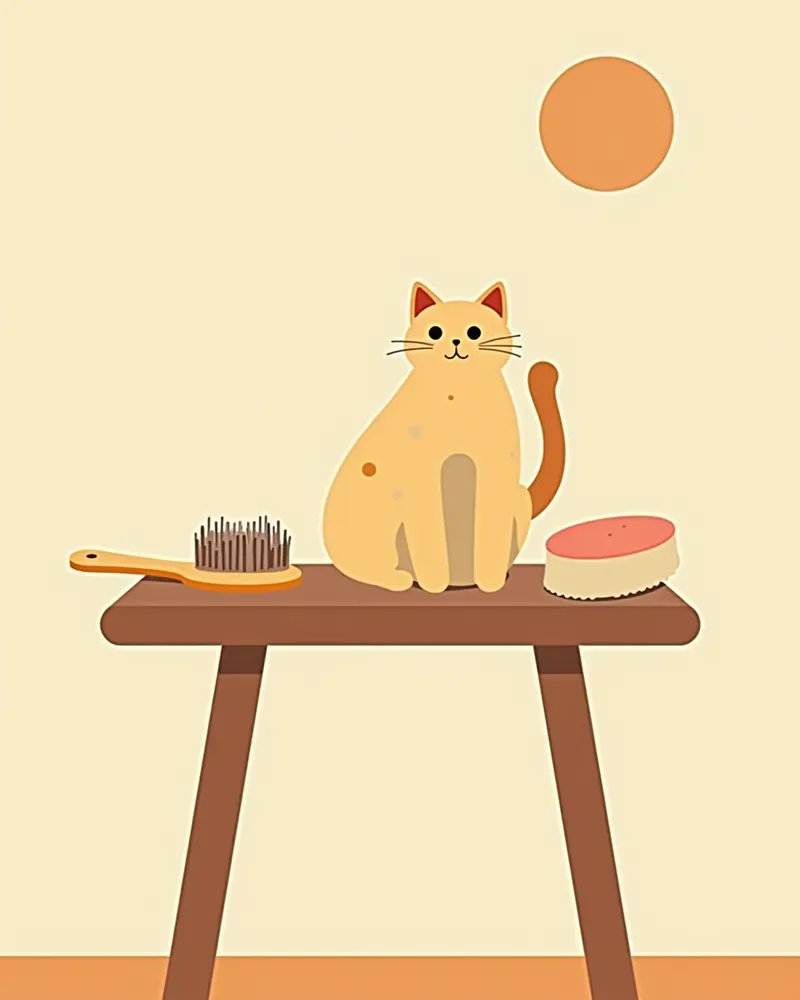
A collection of various cat grooming tools

Cat Grooming Tool Comparison Chart

ItemSuitable coat typeBenefitsCautions
Regular combShort-haired breedsGentle brushing, tidies the coatObserve the cat's response and switch tools if there is discomfort
Sponge brushAll typesMay reduce skin irritation, helps remove hair clumpsMust be rinsed with water and dried
Deshedding toolLong-haired breedsEffective at removing shed hair and hair clumpsDo not use with strong force; proceed carefully
CombAll typesFine coat tidying, allows checking for parasitesUse gradually and carefully, moving gently

Adjust your tool choice according to your cat's response and coat condition. If there is any discomfort, stop immediately and try switching to a different tool.

What to Do If Your Cat Dislikes Brushing

If your cat dislikes brushing, don’t force it—instead, gradually build the habit. Start with short sessions and pair them with rewards. Let your cat see the brush first and gently touch it with your hand. Watch your cat’s reactions closely, and stop immediately if you notice signs of stress. Brushing should be a bonding experience, not a chore.

5 Warning Signs to Watch for During Cat Coat Care

If you notice any unusual symptoms during your cat’s grooming routine, it’s important to pay close attention right away. - Excessive hair loss: If you see a specific area losing more fur than usual, it could indicate an underlying health issue. Especially if the bald spot appears weak or inflamed, consult your veterinarian. - Red or itchy skin: Red patches, itching, or inflammation may be signs of parasitic infection, allergies, or skin disease. - Frequent matting: Cats may struggle to groom themselves properly, and tangled fur that doesn’t come loose with brushing should be monitored closely. - Abnormally excessive grooming: Frequent licking or scratching can be a sign of stress, pain, or emotional issues. Over-grooming due to stress can lead to psychogenic alopecia. - Wounds on bald areas: If the skin is peeling or bleeding, it may indicate injury or inflammation, so immediate veterinary consultation is recommended.
Red spots and hair loss on a cat's skin

5 Cat Coat Care Tips

Consistency is the key to proper cat grooming. - Start with short daily sessions: Begin with just 1–2 minutes, gradually increasing the time as you observe your cat’s reactions. Cats become accustomed to grooming through repeated experiences, so it’s important to create positive associations. - Pair grooming with rewards: Offer treats or affection after brushing to reinforce a positive experience. However, use treats in moderation to avoid excessive weight gain. - Choose the right tools: Select grooming tools that suit your cat’s coat type and temperament, prioritizing soft and safe options. - Clean tools after use: Remove trapped hair by washing the tools with water, and dry them away from direct sunlight. - Respect your cat’s comfort level: If you notice signs of stress, avoidance, or discomfort, stop immediately and try again later. Never force the process.
A cat waiting for a treat during brushing

Reviewed by a veterinarian

Dr. Tony — Punnawat Phongkittirak

Dr. Tony — Punnawat Phongkittirak

Veterinarian

A veterinarian who majored in veterinary medicine at Khon Kaen University, Thailand, and completed the IVSA program at North Carolina State University in the United States. Drawing on clinical experience at animal hospitals, he works in the pet healthcare field and is dedicated to building a digital care environment that connects pet parents with veterinarians.

Frequently Asked Questions

Should I brush my cat every day?
It doesn’t need to be done every day; since each cat is different, it’s common to adjust the frequency based on their response and condition. Cats with long fur or those who have difficulty grooming themselves may benefit from more frequent brushing.
What should I do if my cat hates being brushed?
Don’t force it—start with short sessions and pair them with rewards. Respect your cat’s reactions, and stop immediately if you notice signs of stress. A gradual approach is key.
How do you clean a cat grooming brush?
Rinse tools with hair stuck to them under water, then air-dry them in a dry place out of direct sunlight. After rinsing sponge brushes with water, make sure they are thoroughly dried before storing.
What should I do if my cat’s skin becomes red during grooming?
Stop brushing immediately and observe your pet’s skin condition. If red spots or itching persist or worsen, consult your veterinarian.
What should I do if my cat is licking its fur excessively?
Excessive licking can be a sign of stress, pain, or an underlying medical condition. Help your pet feel more comfortable by stabilizing their environment and monitoring their behavior, but consult your veterinarian if the symptoms persist.

Share

Related Guides

References

[1] Richards, S. (2024). A Professional’s Guide to Feline Behaviour: Understanding, Improving and Resolving Problems.

[2] The Cat, Clinical Medicine and Management, 2nd Edition. (2023). Elsevier Health Sciences.

[3] 100 Top Consultations in Small Animal General Practice. (2022). Wiley-Blackwell.

This information is based on veterinary literature and does not replace diagnosis or treatment. Please consult a veterinarian for specific health concerns.

Metapet Co., Ltd. | CEO: Park Sung-yong | Business Reg. No. 417-88-02562 | Seoul, South Korea | Customer Center

Cat Grooming & Brushing: 5 Frequently Asked Questions | Meongsiljang