Like
Share
멍실장
노견 치매 예방 두뇌 놀이 완벽 가이드

The Ultimate Guide to Brain Games for Preventing Canine Dementia

Brain & CognitionQ&AMeongsiljang Veterinary Advisory Board

Brain-stimulating games for senior dogs are a key management strategy for preventing and delaying canine cognitive dysfunction (dementia). Just 10 to 15 minutes a day of simple activities like nose work, puzzle feeders, or new walking routes can make a significant difference in brain health.

What Are Brain-Stimulating Games for Senior Dogs?
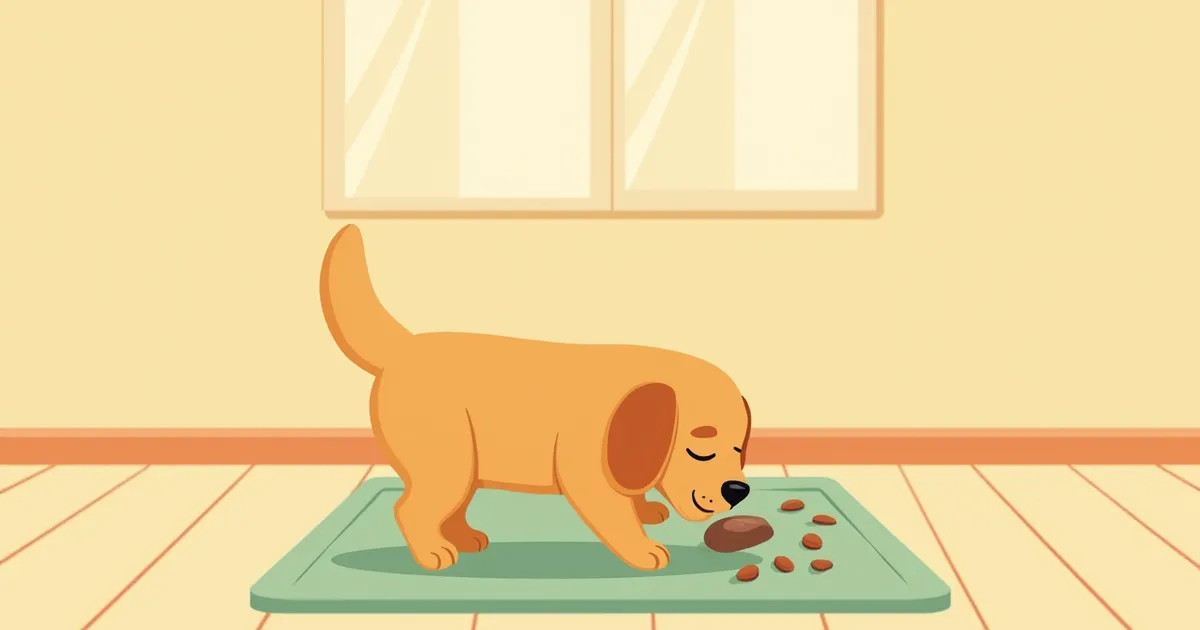
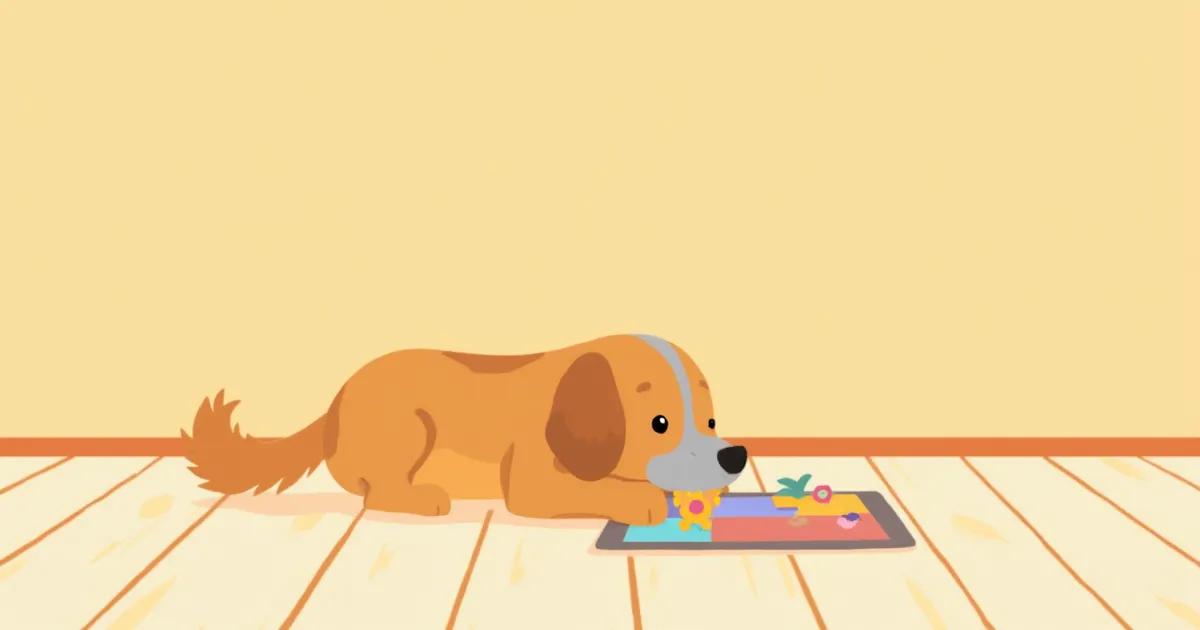
An older dog playing a nosework game with the Snuffle Mat
Brain-stimulating play for senior dogs is a daily management strategy that helps prevent and slow the progression of cognitive dysfunction syndrome (often called “doggy dementia”) by activating brain function in dogs aged seven and older. Consistency is key—just 10 to 15 minutes each day. Activities that engage the sense of smell, problem-solving, and learning tend to be especially effective. This approach is relatively safe, can be started at the first signs of symptoms, and can be used alongside medication. Veterinary textbooks also recommend environmental enrichment and mental stimulation (cognitive activity) as important components in the prevention and management of CDS.

Why Do Senior Dogs Need Brain Games?

As dogs age, their brains undergo changes similar to those in humans. According to veterinary textbooks, senior dogs exhibit neuropathological changes associated with cognitive decline, including reduced frontal lobe volume, enlarged ventricles, decreased neuron counts, and demyelination. Signs of cognitive dysfunction, such as memory loss, are particularly well-documented in older dogs around 13 to 15 years of age. Regular training and consistent mental stimulation are known to have a protective effect, helping to delay these age-related behavioral changes. Therefore, it is better to provide ongoing new stimuli rather than leaving them idle. Think of brain games not as medicine, but as exercise for the brain.

Signs of Dementia in Senior Dogs

If you notice two or more of the following signs, it’s time to start brain games right away: - Disorientation: Getting lost in familiar areas of the home or becoming stuck in corners - Changes in sleep patterns: Sleeping during the day and pacing or barking at night - Decreased social interaction: Slower response to their name and reduced interest in engagement - Decline in learning and memory: Forgetting house-training or previously learned commands - Anxiety and repetitive behaviors: Circling in one spot or staring at walls - Changes in activity level: Increased periods of staring blankly or appearing dazed
A senior dog with a diminished sense of direction

7 Brain Games for Senior Dogs by Difficulty Level

ItemBeginner (7–9 years)Intermediate (10–12 years)Advanced (13 years and older)
Representative ActivitySnuffle Mat Nose WorkPuzzle FeederHidden Treat Search
Stimulation AreaSmell + ConcentrationProblem-Solving + SmellMemory + Learning
Recommended Duration10 min per session / twice a day10–15 min per session / 1–2 times a day5–10 min per session / 2–3 times a day
Materials NeededSnuffle mat & kibblePuzzle toy3 cups & treats
Difficulty AdjustmentMake mat folds deeperAdd dividersIncrease cup-moving speed

Adjust the difficulty to match your dog's stamina and eyesight. Overdoing it can cause frustration.

3 Core Games to Play Daily
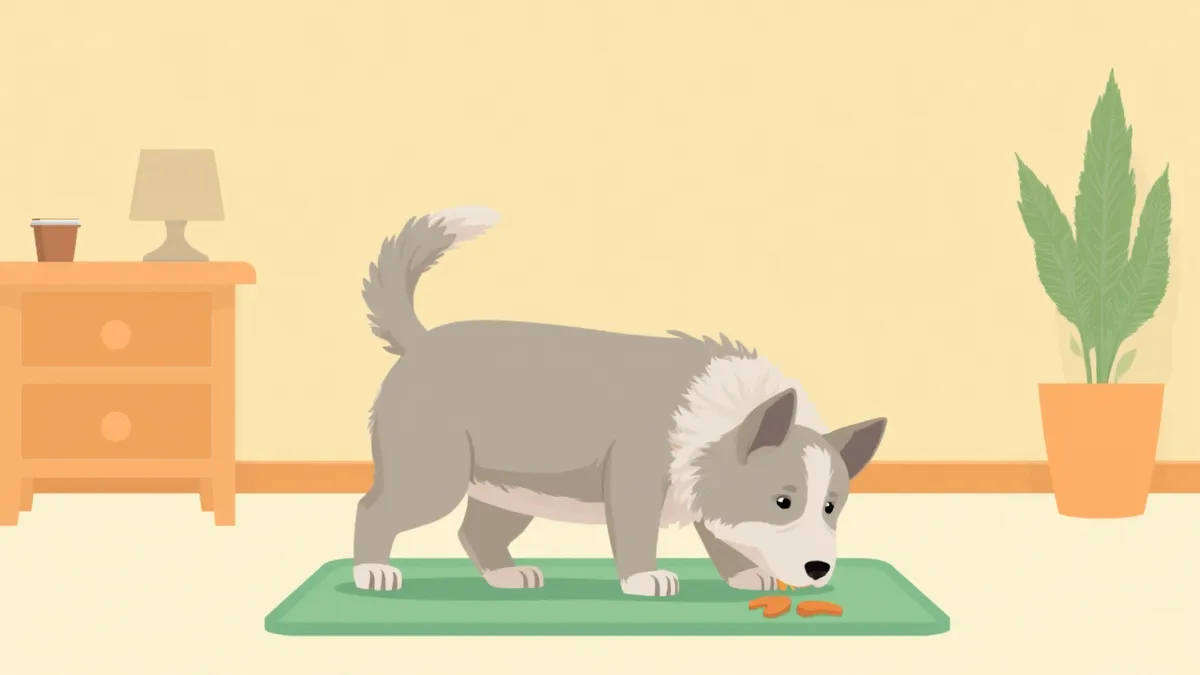
Nose work: Hide kibble or treats in mats, towels, or boxes for your pet to find. Nose work actively engages the sense of smell, stimulating the brain and helping maintain cognitive function.
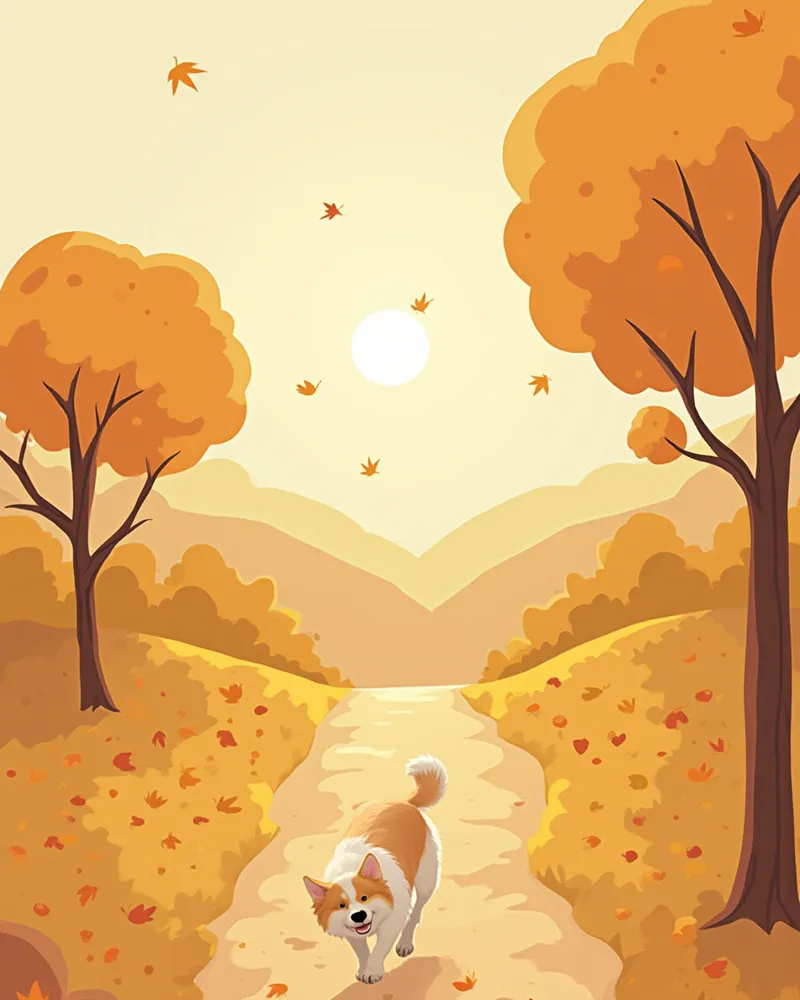
New walking routes: Instead of the same path every day, try different routes 2–3 times a week. Unfamiliar smells, sounds, and scenery provide strong mental stimulation.
Simple review training: Spend just 5 minutes a day reviewing basic commands like sit, stay, and shake. You can also add one new command each month. Using kibble as a reward lets you combine mealtime with learning.
An older dog walking a new route

Key Points to Check Before Starting Brain Games

If your pet already has advanced dementia or severe arthritis and vision loss, forcing them to play can actually cause stress. Stop immediately if they wander aimlessly or breathe heavily during play. Sudden behavioral changes—such as seizures, decreased consciousness, or extreme confusion—may indicate conditions other than dementia, like brain tumors, epilepsy, or diabetes. Before starting brain games, have your pet undergo a comprehensive health checkup and consult your veterinarian to determine an appropriate difficulty level.

Brain Games + Additional Care to Combine
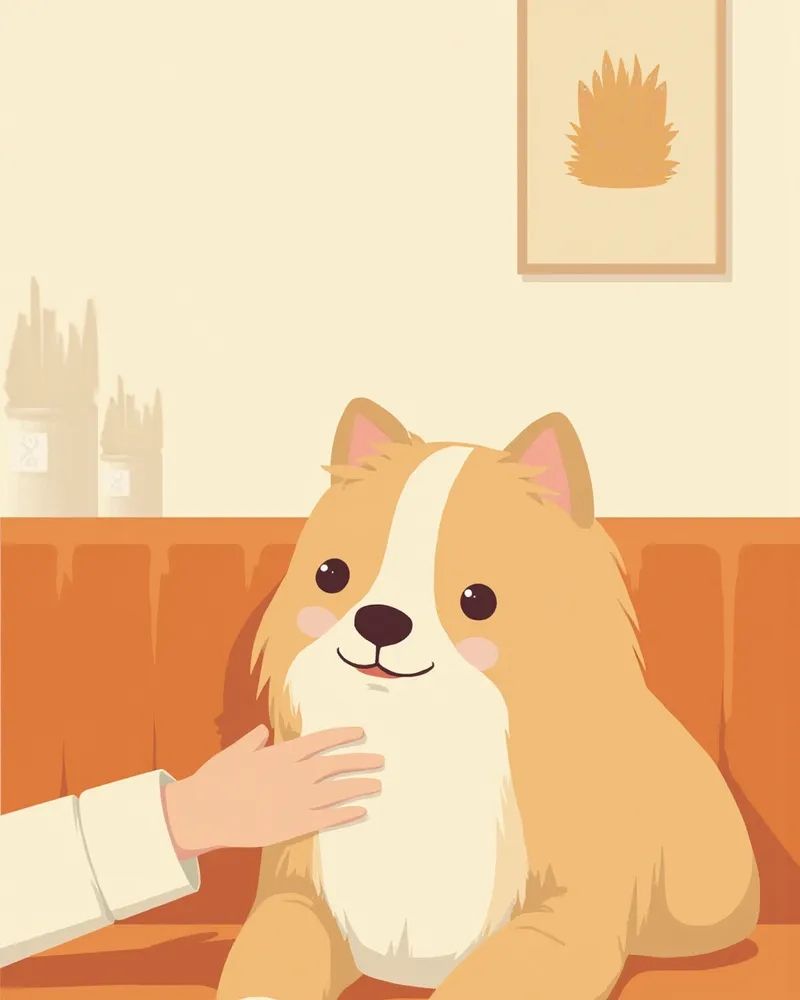
Play alone may not be enough. Veterinary studies have shown that combining an antioxidant diet with environmental enrichment can improve clinical symptoms of cognitive dysfunction and slow its progression. Adding social interaction can provide even more benefit. - Antioxidant nutrition: Senior-specific diets and supplements rich in omega-3 fatty acids, L-carnitine, alpha-lipoic acid, and vitamin E - Regular walks: Twice daily, for 20–30 minutes each session - Social interaction: Increase eye contact, physical touch, and conversation with family members - Consistent routine: Keep feeding, walking, and sleeping times consistent If symptoms progress, your veterinarian may prescribe medications such as selegiline. Selegiline has been shown to improve spatial awareness, sleep patterns, and social interaction in dogs.
A senior dog bonding with its owner

Play Mistakes to Avoid

Even good play can backfire if done incorrectly. - Too difficult: Constant failure builds frustration, causing your dog to reject play altogether. - Repetitive play: The brain adapts, reducing the stimulating effect. Change the activities weekly. - Long, continuous sessions: Playing for over 30 minutes at a time can tire out senior dogs. Short, frequent sessions are best. - Scolding: Never punish mistakes. Negative stimuli and stressful environments adversely affect a senior dog’s mood and behavior, diminishing the benefits of play. - Competitive play: Competing with other dogs increases anxiety. Stick to solo play or one-on-one interaction with you.

Reviewed by a veterinarian

Dr. Tony — Punnawat Phongkittirak

Dr. Tony — Punnawat Phongkittirak

Veterinarian

A veterinarian who majored in veterinary medicine at Khon Kaen University, Thailand, and completed the IVSA program at North Carolina State University in the United States. Drawing on clinical experience at animal hospitals, he works in the pet healthcare field and is dedicated to building a digital care environment that connects pet parents with veterinarians.

Frequently Asked Questions

At what age should I start brain games for my pet?
It’s a good idea to start preventive measures around the age of seven, when dogs begin entering their senior years. Even if there are no symptoms, starting early for prevention can be very helpful. Research shows that dogs who receive consistent training and exposure to various environmental stimuli can experience positive effects on their cognitive health in their later years.
How long should I do it each day?
Aim for 10 to 15 minutes per session, two to three times a day, keeping the total under 30 to 45 minutes. Short, frequent sessions are less taxing on senior dogs than long, continuous ones.
Does it still work for senior dogs who already have advanced dementia?
Yes, it can help. Veterinary studies have shown that combining environmental enrichment with an antioxidant diet can improve clinical symptoms and slow disease progression in dogs already diagnosed with cognitive dysfunction. However, it's best to start with simple activities and use this approach alongside medication.
Do I have to buy expensive puzzle toys?
Not at all. Rolling up a towel to hide treats or hiding a treat in one of three paper cups can be just as effective. Homemade toys made from household recyclables are also perfectly fine.
What should I do if my pet’s dementia progresses despite engaging in play?
Consult your veterinarian about combining medications like selegiline, antioxidant supplements, and senior-specific prescription diets. Keep playing with your pet, but simply adjust the difficulty level to make it easier.

Share

Related Guides

References

[1] Landsberg G, Hunthausen W, Ackerman L. Behavior Problems of the Dog and Cat, 4th Edition. Elsevier, 2023. Chapter on Cognitive Dysfunction Syndrome

[2] Little SE. The Cat, Clinical Medicine and Management, 2nd Edition. Elsevier, 2020. Cognitive Dysfunction chapter

[3] Horwitz DF, Ciribassi J, Dale S. Introduction to Animal Behavior and Veterinary Behavioral Medicine. Wiley-Blackwell, 2018. Chapter 17

[4] Ahn BR, Chapman FM. Handbook of Veterinary Pharmacology. Wiley-Blackwell, 2009. Antidepressants chapter (Selegiline)

This information is based on veterinary literature and does not replace diagnosis or treatment. Please consult a veterinarian for specific health concerns.

Metapet Co., Ltd. | CEO: Park Sung-yong | Business Reg. No. 417-88-02562 | Seoul, South Korea | Customer Center

7 Brain Games to Prevent Canine Dementia | Meongsiljang