Like
Share
멍실장
고양이 항문낭 관리 자주 묻는 질문 Q&A — 보호자가 꼭 알아야 할 핵심

Frequently Asked Questions About Feline Anal Gland Care — Key Points Every Pet Owner Should Know

Lifestyle & Age CareQ&AMeongsiljang Veterinary Advisory Board

Proper anal gland care is essential for preventive health in cats. We’ve compiled the key questions and answers every pet owner should know.

Why Is Anal Gland Care Important for Cats?
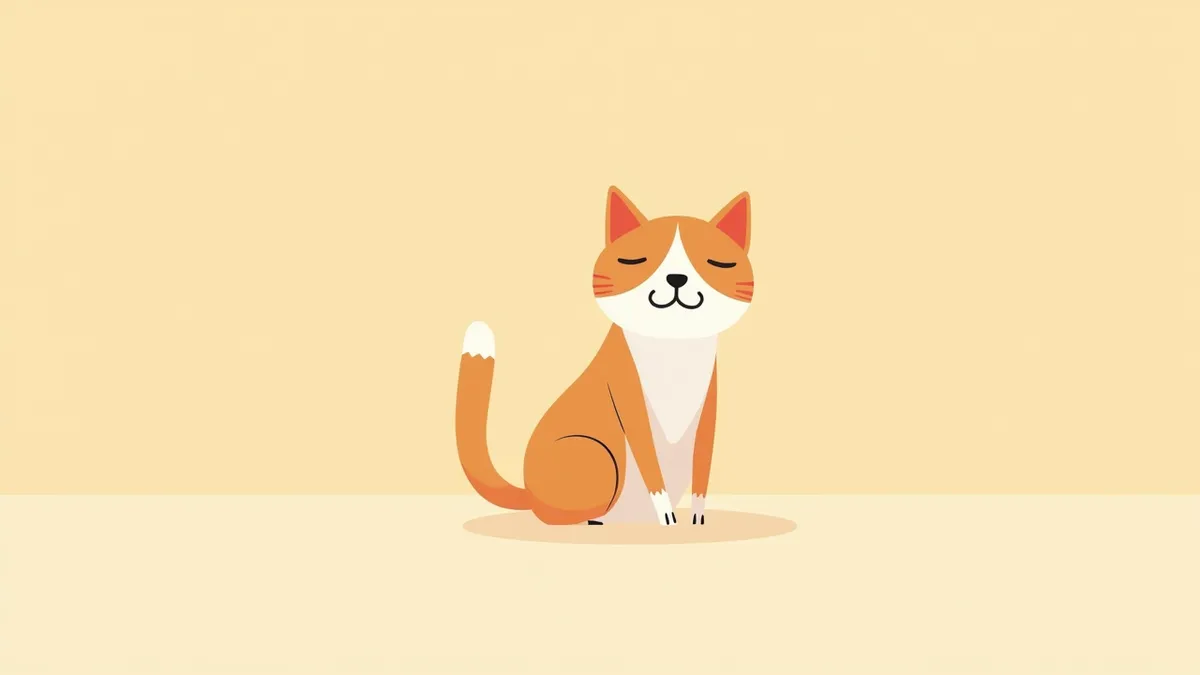
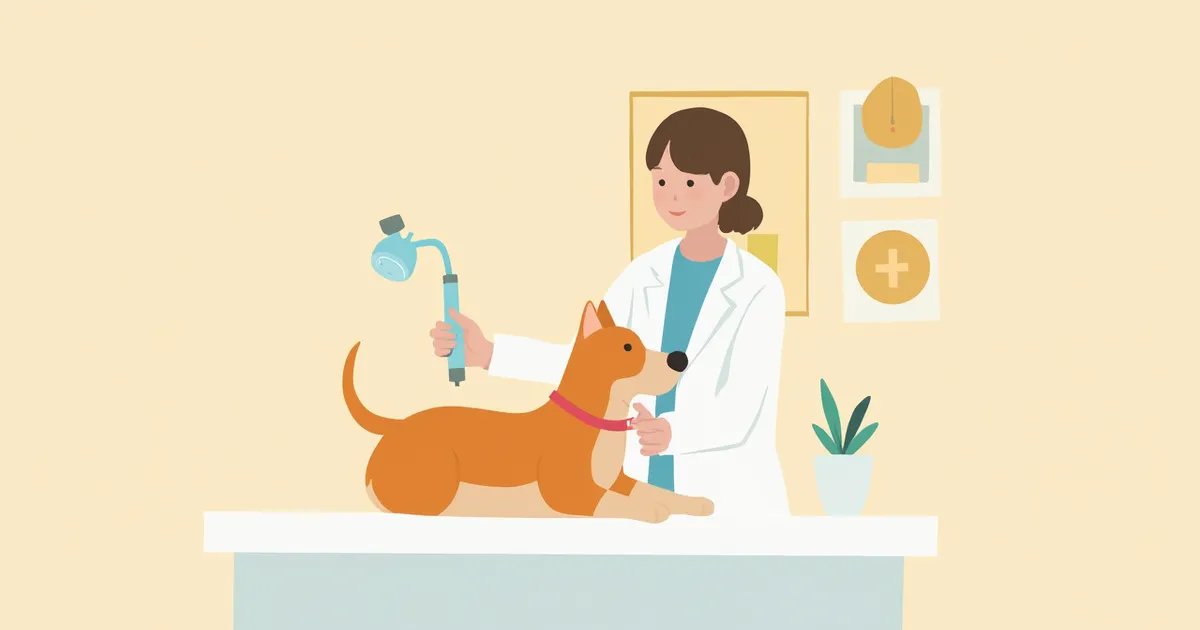
A cat undergoing anal gland care
Anal gland care is an important preventive measure to avoid problems that arise when secretions are not expelled properly. The anal glands are two small sacs located on either side of the anus at the 4 o’clock and 8 o’clock positions. Under normal circumstances, a small amount of their characteristic secretion is released during defecation. It is normal for this secretion to vary in color and consistency and to have a distinct, strong, musky odor. However, if the secretion fails to drain properly and accumulates excessively, the sacs can become distended, causing pain, and over time, this can easily lead to inflammation or infection. Although anal gland disease is relatively uncommon in cats compared to dogs, it tends to recur once it occurs. Therefore, regularly monitoring your cat’s condition and providing consistent care is an important part of maintaining a healthy life.

What Is the Background for the Need for Anal Gland Care?
While a cat’s anal glands normally empty on their own, this process doesn’t always go smoothly for some cats. Repeated bouts of constipation or diarrhea can alter the pressure around the glands, causing secretions to thicken and accumulate. This buildup can lead to discomfort, inflammation, or infection, and in rare cases, tumors may develop. Therefore, it’s important for pet owners to closely monitor any changes in their cat’s behavior and consult a veterinarian to begin appropriate care when needed.
A cat with swollen anal glands

5 Key Questions About Anal Gland Care
Here are the most frequently asked questions about feline anal gland care, reflecting the real concerns of pet owners. Take a close look at management schedules, symptoms, and contraindications. This information will be a great help in maintaining your cat’s health. It’s a good idea to review it before consulting with your veterinarian.
Management Schedule: The frequency of anal gland care varies depending on your cat’s condition. While checking every few months is often sufficient, there is no fixed rule, so it is important to determine the schedule in consultation with your veterinarian based on symptoms.
Bleeding Symptoms: If the anal glands become swollen or if you notice bleeding, it could be a sign of inflammation, infection, or other diseases, so immediate veterinary attention is required.
Precautions for Home Care: While you can learn the proper technique from your veterinarian to express simple secretions at home, incorrect pressure or forceful manipulation carries the risk of anal gland rupture or rectal injury.
Impact of Obesity: Although the exact cause of anal gland disease remains unknown, it is believed to occur secondary to obesity or intestinal disorders. Therefore, appropriate weight management can be helpful.
Breed Differences: Genetic factors are also considered a contributing cause, and Siamese cats, in particular, have been reported to have a higher incidence of anal gland tumors. However, not all anal gland issues can be explained by breed alone.
Infographic: 5 Common Questions About Feline Anal Gland Care

Comparison of Conditions by Anal Gland Care Schedule

ItemNormal StateState Requiring AttentionEmergency Situation
Discharge conditionDischarge is expelled normallyFails to expel well and becomes clumpedBloody/purulent discharge is visible
Area around the anus/odorClean, with only the characteristic fishy odorSwelling develops and the odor becomes strongerAccompanied by severe swelling and foul odor
Accompanying symptomsLives without discomfortScratching and floor-scooting behaviors increaseRisk of pain, inflammation, or rupture

The management interval and symptoms may vary depending on the cat's condition. For an accurate assessment, consult a veterinarian.

What Should You Watch Out for During Anal Gland Care?
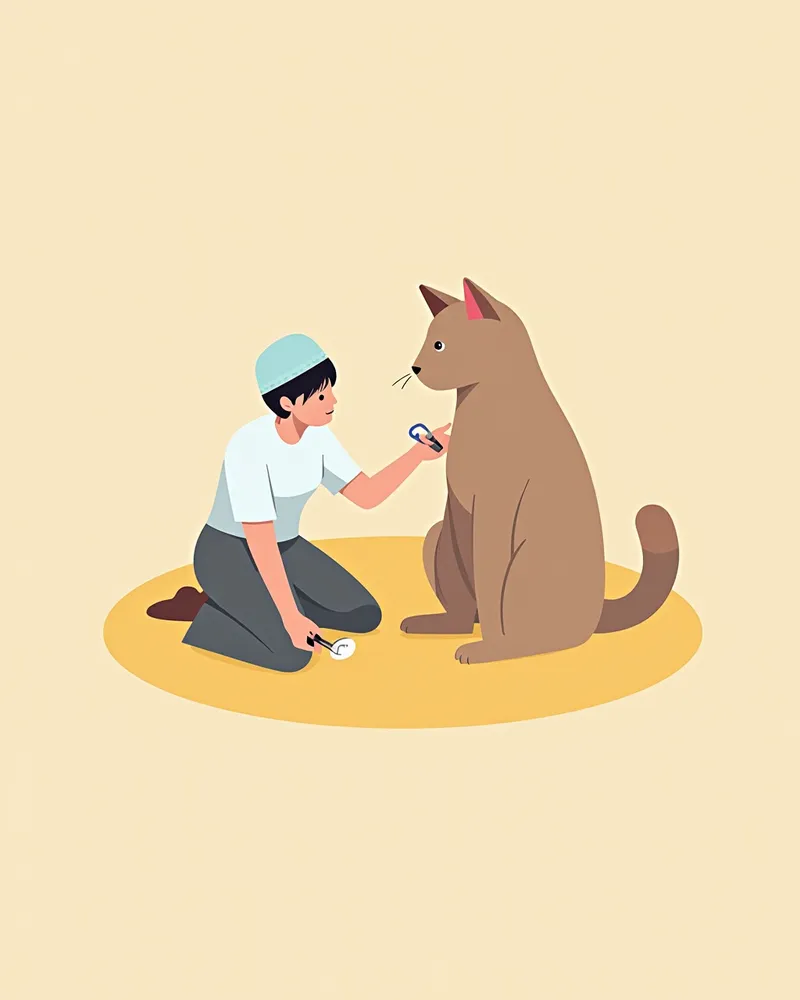
If you learn the proper technique from your veterinarian, you can safely express your cat’s anal glands at home. However, attempting this without adequate experience can lead to serious risks, including infection, anal gland rupture, or rectal injury. Cats are particularly prone to injury if they become tense or react suddenly during the procedure. Moreover, forcibly expressing the glands when inflammation or infection is already present can worsen the condition or cause rupture. In such cases, avoid handling the area yourself and seek professional veterinary treatment. After care, closely monitor your cat for any behavioral changes and consult a veterinarian immediately if you notice any abnormalities.
A veterinarian expressing a cat’s anal glands

Situations Where Anal Gland Care Is Contraindicated

If your cat repeatedly scratches around its anus or scoots its bottom along the floor, it may be a sign of anal gland issues. However, if inflammation or infection has already developed, do not attempt to manage it at home; seek veterinary care immediately. Cases involving bleeding, swelling, or a strong foul odor are considered emergencies. Never squeeze or attempt to drain the glands yourself, as this can spread the infection.

Care Tips After Anal Gland Care
After anal gland care, closely monitor your cat for any behavioral changes. A reduction in behaviors such as scooting, scratching at the ground, or lifting the hind legs indicates that the treatment was effective. Additionally, recurring constipation or diarrhea may be linked to anal gland issues, making a consistent diet and adequate hydration essential. Consult your veterinarian about dietary adjustments if necessary, and schedule regular health check-ups to maintain overall well-being.
A comfortable cat after anal gland care

Reviewed by a veterinarian

Dr. Tony — Punnawat Phongkittirak

Dr. Tony — Punnawat Phongkittirak

Veterinarian

A veterinarian who majored in veterinary medicine at Khon Kaen University, Thailand, and completed the IVSA program at North Carolina State University in the United States. Drawing on clinical experience at animal hospitals, he works in the pet healthcare field and is dedicated to building a digital care environment that connects pet parents with veterinarians.

Frequently Asked Questions

How often should I express my cat’s anal glands?
While it’s generally recommended to have your cat checked every few months, the ideal frequency can vary depending on their health status and symptoms, so be sure to consult with your veterinarian.
What should I do if my cat shows signs of pain during anal gland care?
If your cat is in pain, stop the procedure immediately and consult your veterinarian. Excessive pressure can cause the anal glands to rupture or become damaged.
What should I do if the odor worsens after anal gland care?
The odor may temporarily intensify after treatment. However, if pus persists, it could indicate an infection, so please consult your veterinarian.
Can I manage my pet’s anal glands at home?
Simple expression of the secretions can be attempted at home once you’ve learned the proper technique from your veterinarian. However, improper handling carries the risk of anal sac rupture or rectal injury, so if there is already inflammation, infection, or bleeding, do not attempt to manage it at home and always leave it to your veterinarian.
Is anal gland management expensive?
The cost of anal gland care can vary depending on your location and the veterinary clinic, so it’s best to consult your veterinarian for an exact estimate. Unless surgery is required, preventive care is generally not a significant financial burden.

Share

Related Guides

References

[1] Frankel JL, Scott DW, Erb HN. Gross and cytological characteristics of normal feline anal-sac secretions. J Feline Med Surg. 2008;10:319.

[2] Araújo FPD, Araújo BM, Kemper B, et al. Sacrococcygeal agenesis association and anal atresia in mixed breed cats. Ciencia Rural. 2009;39:1893.

[3] The Cat, Clinical Medicine and Management, 2nd Edition. Elsevier, 2017.

This information is based on veterinary literature and does not replace diagnosis or treatment. Please consult a veterinarian for specific health concerns.

Metapet Co., Ltd. | CEO: Park Sung-yong | Business Reg. No. 417-88-02562 | Seoul, South Korea | Customer Center

Cat Anal Gland Care: 5 Frequently Asked Questions | Meongsiljang