Like
Share
멍실장
강아지 담관 폐색 자주 묻는 질문 Q&A — 보호자가 꼭 알아야 할 핵심

What Is Biliary Obstruction in Dogs? — Warning Signs of Jaundice and Vomiting, and When to Seek Emergency Diagnosis

Liver HealthQ&AMeongsiljang Veterinary Advisory Board

Biliary obstruction in dogs occurs when the ducts that carry bile from the liver to the small intestine become blocked. Early detection and appropriate treatment are essential.

What Is Biliary Obstruction in Dogs?
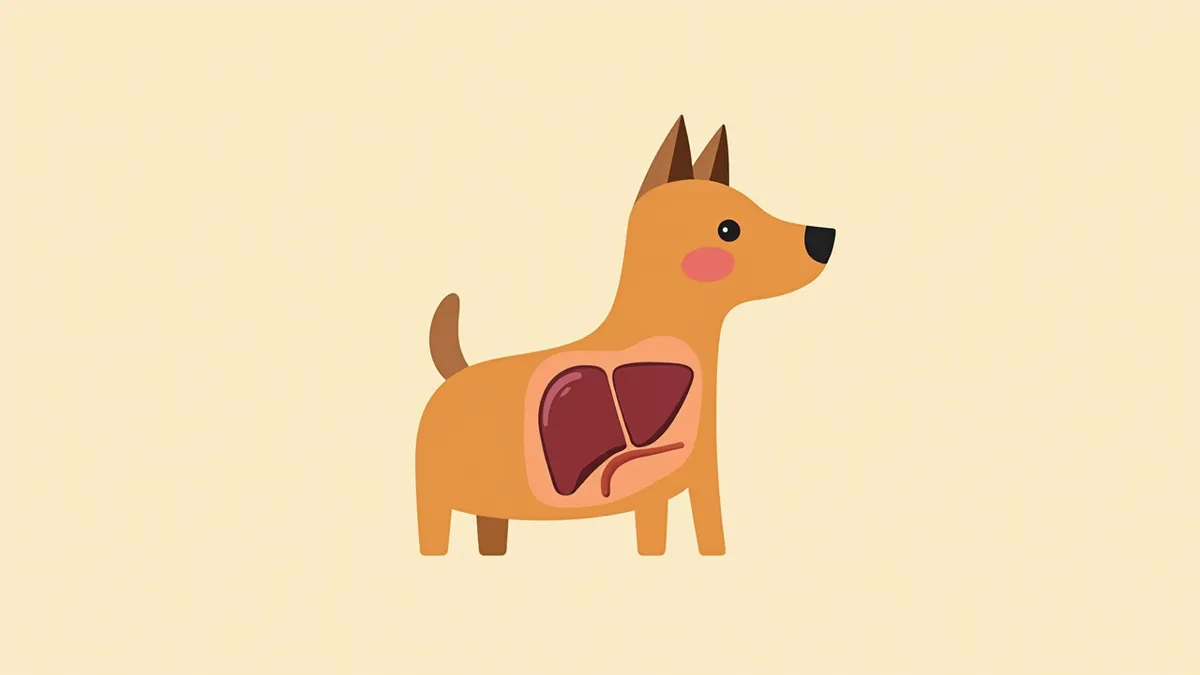
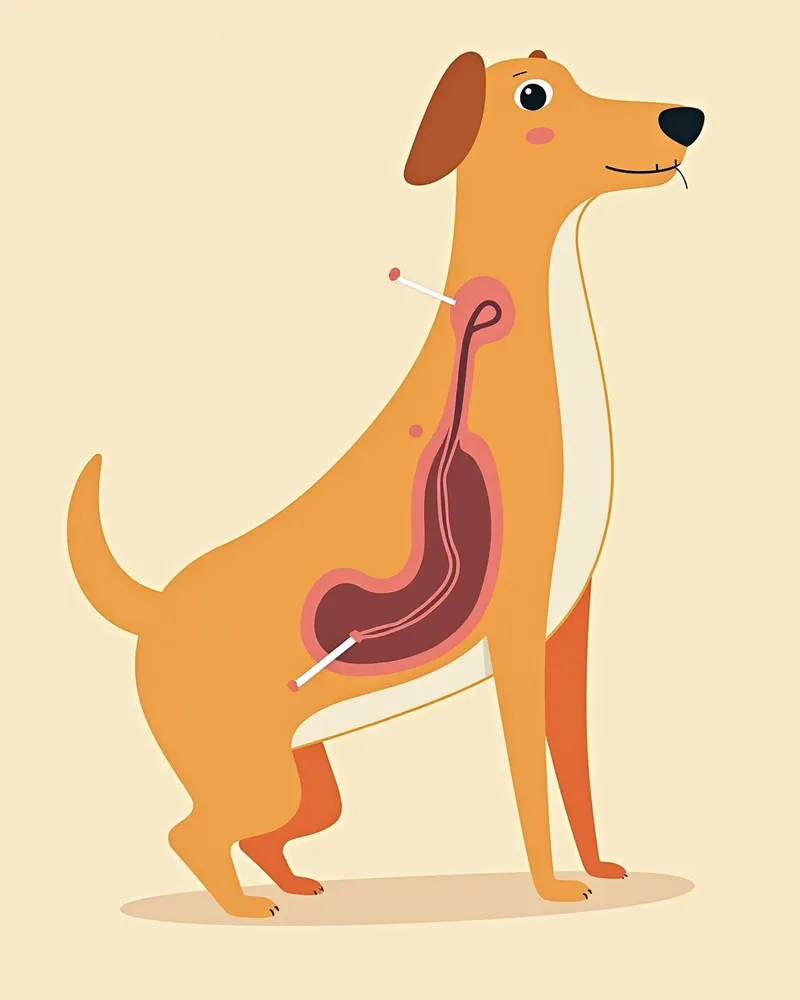
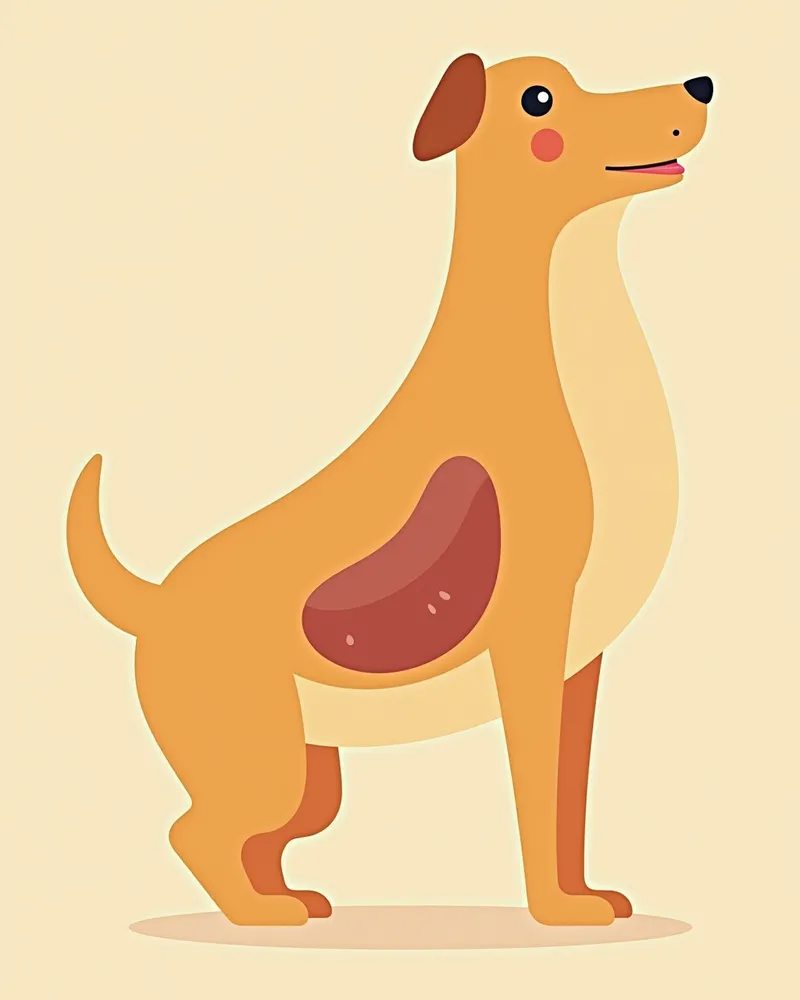
A diagram illustrating the anatomical causes of biliary obstruction in dogs
Biliary obstruction in dogs is a condition that occurs when the bile ducts, which carry bile produced by the liver to the small intestine, become blocked. - Biliary Obstruction: When bile cannot be properly excreted, it accumulates in the liver, leading to liver dysfunction and symptoms such as jaundice, vomiting, and loss of appetite. - Jaundice: A symptom where the eyes or lips turn yellow, indicating that bile has entered the bloodstream. - Prolonged Symptoms: If this condition persists, liver damage can worsen, making early diagnosis crucial. - Early Detection: Consulting with a veterinarian and undergoing tests at the first sign of symptoms can significantly improve treatment success rates. - Timing of Treatment: Early treatment helps prevent complications and increases the likelihood of recovery.

Why Can the Bile Ducts Become Blocked?
Biliary obstruction can stem from a variety of causes: - Gallstones: Stones formed from hardened bile components can block the bile ducts. Gallstones often occur alongside cholecystitis (inflammation of the gallbladder). - Cholecystitis: Inflammation of the gallbladder, caused by gallstones or bacterial infection, can lead to stones obstructing the common bile duct, resulting in blockage and jaundice. - Gallbladder mucocele: Abnormal overproduction of mucus by the gallbladder lining can cause the mucus to spread into or migrate through the cystic and common bile ducts, leading to obstruction. - Pancreatitis: Inflammation of the pancreas can compress or cause swelling of adjacent bile ducts, potentially resulting in extrahepatic biliary duct obstruction (EHBDO). - Tumors: Tumors developing in the biliary tract or surrounding the liver can compress or block the bile ducts. - Trauma: Abdominal injuries can rupture or damage the gallbladder or bile ducts, causing bile leakage or flow obstruction. - Breed predisposition: Certain breeds, such as Cocker Spaniels, Shetland Sheepdogs, and Miniature Schnauzers, are more prone to gallbladder mucoceles, which increases their risk of obstruction.
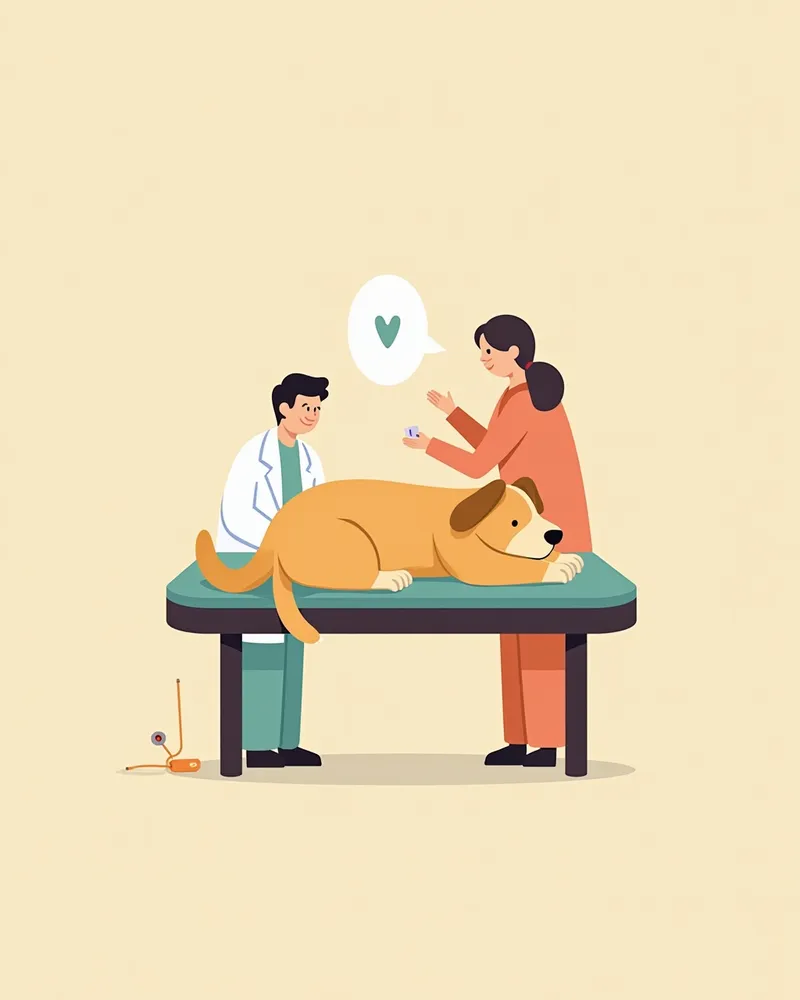
A scene of a veterinarian consultation for diagnosing biliary obstruction in dogs.

What Are the Main Symptoms of Biliary Obstruction?
The most common signs of biliary obstruction in dogs include: - Jaundice: A yellowish tint to the whites of the eyes, lips, or gums, which occurs when bile pigments build up in the bloodstream. - Vomiting and decreased appetite: Impaired bile flow can disrupt gastrointestinal function, leading to inconsistent appetite or vomiting. - Abdominal pain: Your dog may show signs of discomfort or react negatively when their abdomen is touched. - Fever: If inflammation such as cholecystitis is present, a fever may develop. - Dark urine: Bile pigments (bilirubin) are excreted in the urine, causing it to darken, and bilirubin may be detected in urinalysis. - Weight loss and weakness: Ongoing loss of appetite can lead to weight loss and lethargy. Additionally, if insufficient bile reaches the intestines, stool may become pale in color.
Photos of the eye area showing jaundice symptoms in dogs

Signs That Require Immediate Veterinary Visit

If your dog experiences severe vomiting, persistent abdominal pain, decreased consciousness, or rapidly worsening jaundice, seek immediate veterinary care. These signs indicate that the bile duct obstruction has progressed to a serious stage, potentially requiring surgery or emergency treatment. Delaying care can lead to severe liver damage, so early intervention is crucial.

How Is It Diagnosed?
Biliary obstruction is accurately diagnosed through a variety of tests. - Blood tests: Elevated liver enzyme levels suggest impaired bile flow. - Ultrasound: Allows for visual confirmation of bile duct dilation, gallstones, tumors, and other abnormalities. - Cholangiography: Provides detailed observation of the structure and flow within the bile ducts. - Biopsy: Confirms suspected lesions by examining tissue samples to determine the underlying cause. - Combined testing: Multiple tests are often performed together to ensure an accurate diagnosis. - Veterinary assessment: Your veterinarian will recommend the optimal combination of tests based on your pet’s specific condition.
Biliary duct dilation in dogs confirmed by ultrasound

What Are the Treatment Options?

Treatment depends on the underlying cause. - Fluid and supportive care: Intravenous fluids are administered to correct dehydration and stabilize the patient. If vomiting is severe, antiemetics (e.g., maropitant, ondansetron) are used. - Removal of gallstones or obstructions: Surgical intervention is performed to relieve blocked bile ducts or remove the gallbladder, restoring bile flow. - Medication: Hepatoprotectants (SAMe, silymarin) and choleretics (ursodiol) are administered. If bacterial infection or cholecystitis is present, antibiotics are typically given for at least 4–6 weeks. - If a tumor is present: If a tumor is the cause, surgical options such as resection are considered. Whether additional treatment is needed is discussed with your veterinarian based on the patient’s condition. - Dietary management: During recovery, a low-fat diet is provided to reduce the burden on the gallbladder and support bile flow. - Individualized treatment: Your veterinarian will develop an optimal treatment plan tailored to the patient’s specific cause and condition.
Stent insertion surgery for treating bile duct obstruction in dogs

How Can You Manage It at Home?

Consistent aftercare is essential following treatment. - Dietary management: Implement a low-fat diet to support bile flow. - Medication: Administer medications exactly as directed by your veterinarian. - Regular check-ups: Schedule periodic examinations to monitor liver function and bile duct health. - Stress management: Maintain a stable environment by avoiding sudden changes or excessive stimulation. - Routine lifestyle: Balance regular walks with adequate rest. - Recurrence prevention: Early detection and consistent care can help reduce the risk of recurrence.
A scene showing the provision of special food for a puppy recovering from bile duct obstruction

Comparison of Characteristics by Cause of Biliary Obstruction

ItemMain CharacteristicsTreatment MethodPrognosis
GallstonesStones form in the bile duct causing obstructionSurgical or endoscopic removalGood
TumorTumor develops in the bile duct or around the liverConsider surgical resection, additional treatment depending on conditionFair to poor
CholecystitisBile duct stricture or obstruction due to gallstones or bacterial infectionAntibiotics (4–6 weeks or more) and conservative treatmentGood
Gallbladder MucoceleBile duct obstruction due to excessive mucus secretion in the gallbladderSurgical treatment such as cholecystectomyFair

Treatment methods and prognosis may vary depending on the individual patient's condition. Decide after consulting a veterinarian.

Reviewed by a veterinarian

Dr. Tony — Punnawat Phongkittirak

Dr. Tony — Punnawat Phongkittirak

Veterinarian

A veterinarian who majored in veterinary medicine at Khon Kaen University, Thailand, and completed the IVSA program at North Carolina State University in the United States. Drawing on clinical experience at animal hospitals, he works in the pet healthcare field and is dedicated to building a digital care environment that connects pet parents with veterinarians.

Frequently Asked Questions

Is bile duct obstruction in dogs treatable?
Yes, depending on the cause, treatment options include surgery, medication, and endoscopic therapy. Early detection can lead to a better prognosis.
Which breeds are more commonly affected by bile duct obstruction?
Gallbladder mucoceles, which are associated with impaired bile flow, have been reported to occur more frequently in Cocker Spaniels, Shetland Sheepdogs, and Miniature Schnauzers. Additionally, cholecystitis can be relatively common in small-breed dogs. Genetic predisposition may play a role depending on the breed.
How should I adjust my pet’s diet?
Use a low-fat diet that supports bile flow. We recommend a special diet formulated by veterinarians, and excessive treats should be avoided.
Is recurrence possible?
Yes, if the underlying cause isn’t addressed or proper care isn’t maintained, it can recur. Regular check-ups and consistent health management are key.
How do bile duct obstruction and hepatitis differ?
Biliary obstruction is a condition where the flow of bile is blocked, while hepatitis refers to inflammation of the liver itself. Although the symptoms can be similar, the causes and treatments differ.

Share

Related Guides

References

[1] Petersen-Jones SM, Forcier J, Mentzer AL. Ocular melanosis in the Cairn Terrier: clinical description and investigation of mode of inheritance. Vet Ophthalmol. 2007;10 Suppl 1:63–69.

[2] Grozdanic SD, Harper MM, Kecova H. Antibody-mediated retinopathies in canine patients: mechanism, diagnosis, and treatment modalities. Vet Clin North Am Small Anim Pract. 2008;38(2):361–387.

[3] Hanselman BA. Melanocytic glaucoma in a cairn terrier. Can Vet J. 2002;43(4):296–298.

This information is based on veterinary literature and does not replace diagnosis or treatment. Please consult a veterinarian for specific health concerns.

Metapet Co., Ltd. | CEO: Park Sung-yong | Business Reg. No. 417-88-02562 | Seoul, South Korea | Customer Center

Biliary Obstruction in Dogs: Jaundice, Vomiting & Emergency Signs | Meongsiljang