
Like
Share
멍실장
피프로닐(프론트라인) 외부기생충 구제제 완벽 가이드

The Complete Guide to Fipronil (Frontline) External Parasite Control

Skin & CoatQ&AMeongsiljang Veterinary Advisory Board

We’ve put together everything pet owners need to know about fipronil (Frontline), including how it works, which parasites it targets, proper usage instructions, and animals that require special caution.

What is Fipronil (Frontline)?

A veterinarian applying a spot-on external parasite medication to a puppy's neck.
Fipronil is a leading spot-on (topical) ingredient used to kill external parasites such as fleas, ticks, and lice in dogs and cats. It is best known under the brand name Frontline. The key point is that it works by killing parasites after they come into contact with the treated animal, rather than preventing infestation. Therefore, a single application does not provide lifelong protection; consistent monthly applications are necessary to effectively prevent flea and tick infestations.

How Does Fipronil Kill Parasites?

Fipronil is a phenylpyrazole-class medication that works by binding to GABA receptors in the nervous system of parasites. Simply put, it overstimulates the nerves of fleas and ticks, causing paralysis and death. Because its binding affinity for mammalian nerve receptors is more than 500 times lower, it is relatively safe for dogs and cats. After application, it is stored in the skin oils and hair follicles, then slowly spreads across the entire coat and skin. This allows the protective effect to persist for several days, killing any parasites that come into contact with the treated area.

Which Parasites Is It Effective Against?
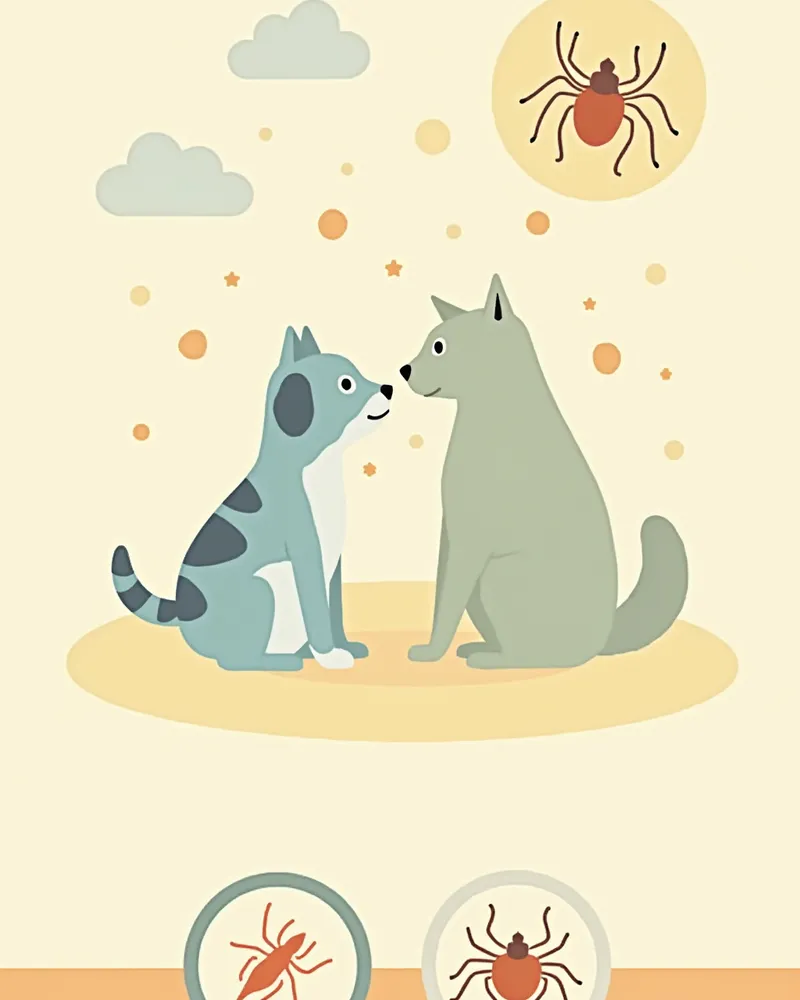
Fipronil is effective against most of the major external parasites that affect dogs and cats. - Fleas: It effectively targets adult fleas. Upon contact with fipronil, fleas die due to overstimulation of their nervous system. - Ticks: It is effective against major tick species, including hard ticks and dog ticks. - Chewing lice: It can also eliminate chewing lice that live in the fur. - Sarcoptic mange: It may be used as an adjunctive treatment for certain types of mange. - Ear mites: It can also be applied to treat ear mites in the external ear canal.
Types of external parasites that are effectively controlled by fipronil

Strictly Prohibited for Rabbits and Hamsters

Fipronil is highly toxic to rabbits and is strictly contraindicated for this species. After exposure, rabbits may first exhibit loss of appetite and lethargy, which can progress to ataxia, tremors, and seizures over several weeks. Safety in other small herbivores, such as hamsters and guinea pigs, has not been sufficiently established, so always consult your veterinarian before use. If you keep rabbits alongside dogs or cats, it is safest to separate the rabbit from any treated pet for at least 48 hours.

Proper Usage — Why Apply to the Back of the Neck?
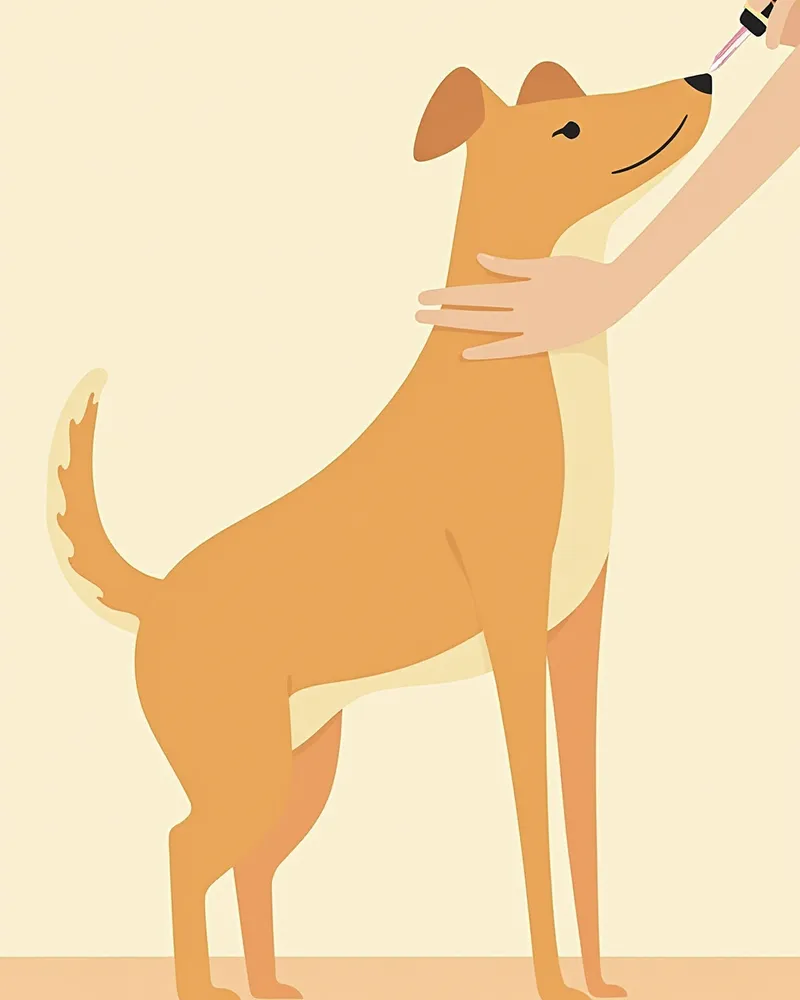
Fipronil Spot-On should be applied directly to the skin between the shoulder blades at the back of the neck. This location is chosen because it prevents pets from licking the medication off. - Part the fur to expose the skin and apply the product directly to the skin. - Select the appropriate dosage based on your pet's weight (under 4 kg, medium, or large). - Avoid bathing or swimming for at least 24 to 48 hours after application. - Keep other pets away until the medication has completely dried to prevent them from licking it. - The typical application frequency is once a month.
How to apply fipronil spot-on to your dog’s back of the neck, between the shoulder blades

Key Ingredient Composition by Fipronil Product

ItemFrontline PlusFrontline Tritak (dogs only)Frontline Spray
Fipronil9.8%9.8%0.29%
(S)-methoprene8.8%8.8%None
CyphenothrinNone5.2%None
Use in catsAllowedNot allowed (cyphenothrin)Allowed
Main effectFleas, ticks, eggs, larvaeBroad-spectrum parasite controlPrecise application

Product label information based on Plumb's Veterinary Drug Handbook, 10th edition

What Are the Side Effects and Adverse Reactions?

According to veterinary pharmacology textbooks, fipronil is a relatively safe medication when used as directed. However, rare side effects may occur. - Local irritation: Itching, redness, or temporary hair loss at the application site - Hypersalivation and vomiting: These may occur if the medication is accidentally ingested through licking - Lethargy and hiding behavior: These may be temporarily observed after application If an allergic reaction occurs or symptoms persist for several days or more, immediate veterinary attention is necessary. In particular, if a cat exhibits excessive drooling after licking the medication, or shows neurological signs such as ataxia or tremors, hospitalization may be required, so please visit a clinic without delay.

It Is Dangerous to Apply 'Dog-Only Products' to Cats

While fipronil itself is safe for cats, dog-only combination products containing pyrethroids (such as cyphenothrin) are strictly prohibited for use on cats. Pyrethroid ingredients like cyphenothrin can cause severe neurological toxicity in cats. Even within the Frontline product line, items such as "Frontline Tritak for Dogs" must never be applied to cats, and cats should not lick dogs that have been treated with these products. Always verify that the packaging clearly states "for use on cats" before purchasing.

When Can You Bathe After Application?

Fipronil is designed to be stored in the skin and hair follicles, so it’s important to keep the application site dry for at least 24 to 48 hours after use. Washing with soap within this period can reduce the product's effectiveness. For pets that bathe frequently, the duration of efficacy may be shortened, so it’s best to consult your veterinarian to determine the appropriate reapplication schedule. Additionally, bathing right before application can remove natural oils, leading to uneven absorption, so we recommend applying the product at least 24 hours after bathing.

Reviewed by a veterinarian

Dr. Tony — Punnawat Phongkittirak

Dr. Tony — Punnawat Phongkittirak

Veterinarian

A veterinarian who majored in veterinary medicine at Khon Kaen University, Thailand, and completed the IVSA program at North Carolina State University in the United States. Drawing on clinical experience at animal hospitals, he works in the pet healthcare field and is dedicated to building a digital care environment that connects pet parents with veterinarians.

Frequently Asked Questions

From what age can fipronil be applied?
The recommended age and weight thresholds vary by product and species. According to Plumb’s Veterinary Drug Handbook, Frontline Plus for cats is approved for use in kittens 8 weeks of age or older, while Frontline TriAct for dogs is indicated for puppies 12 weeks of age or older and weighing at least 1.8 kg (4 lb). Since guidelines differ among products, always verify the specific instructions on the product label and consult your veterinarian.
Can it be used on pregnant or nursing pets?
Safety during pregnancy and lactation varies depending on the specific product and the individual’s health status, so it’s difficult to make a blanket statement that all products are safe. Fipronil-based products have different labeled indications and precautions, and combination products may carry varying risks depending on their additional ingredients. Therefore, if your dog or cat is pregnant or nursing, do not apply any product without first consulting your veterinarian to determine whether it’s safe to use.
I still see fleas after applying the medication. Why is that?
Fipronil works by direct contact, so you may still see live fleas for several hours after application. Additionally, eggs and larvae hidden in your home environment—such as carpets and sofas—can hatch and cause reinfestation, so it’s important to treat your surroundings as well.
Is it okay to ask a human?
If the product gets on your hands right after application, wash them immediately with soap. Be especially careful to keep young children from hugging or touching your pet for at least 24 hours after treatment. If it gets into the eyes, rinse thoroughly with plenty of water right away.
Can I use it together with other external parasite medications?
Using fipronil alongside other external parasite medications can lead to unexpected drug interactions. Combining it with other spot-on treatments or oral dewormers should only be done under veterinary guidance. Avoid any unauthorized combination use that deviates from the instructions on the label.

Share

Related Guides

References

[1] Plumb's Veterinary Drug Handbook, 10th Edition - Fipronil/Fipronil Combinations, Topical

[2] Anadon A, Gupta RC. Fipronil. In: Veterinary Toxicology: Basic and Clinical Principles, 3rd edn. Elsevier, 2018; pp. 533-537.

[3] Blackwell's Five-Minute Veterinary Consult Clinical Companion, Small Animal Toxicology, 3rd Edition

[4] Handbook of Veterinary Pharmacology - External Antiparasitics (Ectoparasiticides)

[5] d'Ovidio D, Cortellini S. Successful management of fipronil toxicosis in two pet rabbits. Open Vet J 2022;12(4):508-510.

This information is based on veterinary literature and does not replace diagnosis or treatment. Please consult a veterinarian for specific health concerns.

Metapet Co., Ltd. | CEO: Park Sung-yong | Business Reg. No. 417-88-02562 | Seoul, South Korea | Customer Center

Fipronil (Frontline) for Dogs & Cats: Parasite Control Guide | Meongsiljang