

What Is Canine Acute Liver Failure? — Jaundice, Loss of Appetite, and When to Go to the Vet
Canine liver failure progresses rapidly, and early detection is crucial for survival. Here’s a summary of the symptoms, causes, and management strategies that pet owners should know.
Canine liver failure is a life-threatening condition caused by acute loss of liver function
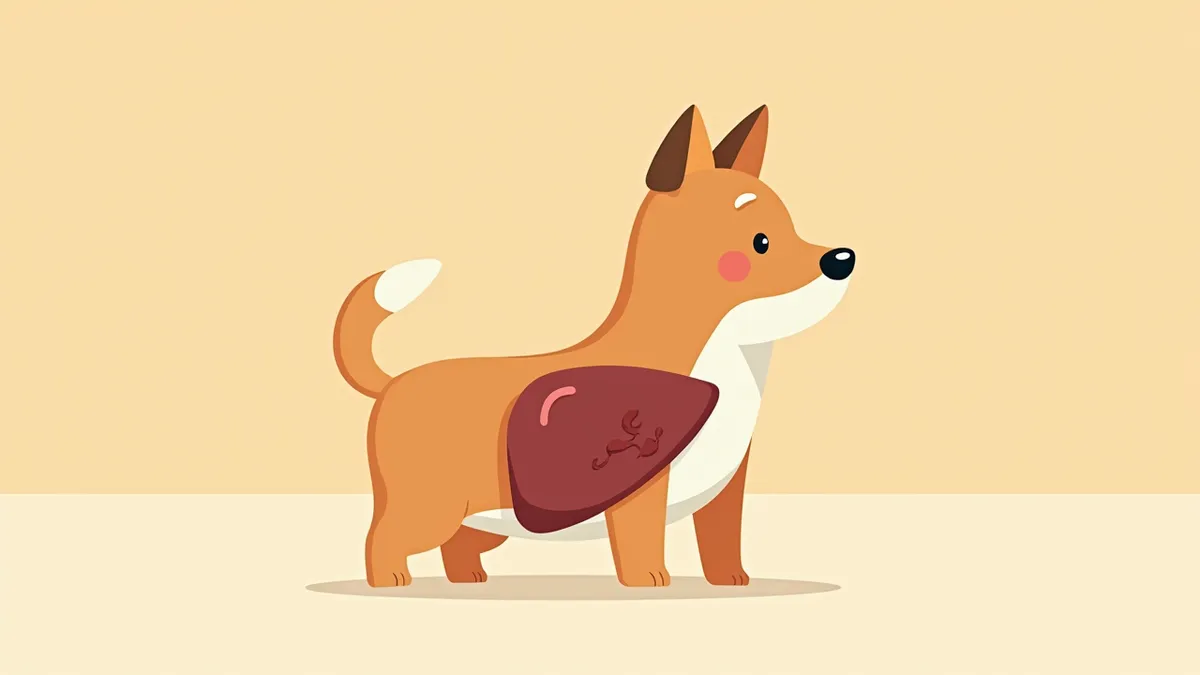
The main causes of liver failure are toxic substances, medications, infections, and genetic predisposition

The main symptoms of liver failure include vomiting, diarrhea, lethargy, and jaundice

Immediate veterinary care is required if jaundice, bleeding disorders, or decreased consciousness occur
If jaundice appears, bleeding doesn’t stop easily, or consciousness becomes clouded, liver failure has likely reached a severe stage. This is a life-threatening emergency, so immediate veterinary care is essential. Without prompt medical intervention, recovery is difficult and the mortality rate is high. Pet owners should carefully monitor for these warning signs and not overlook them.
Comparison of liver failure stages, symptoms, and management strategies
| Item | Main Symptoms | Management | Prognosis |
|---|---|---|---|
| Mild | Decreased appetite, mild vomiting | Dietary management, administration of hepatoprotective agents | Good |
| Moderate | Persistent vomiting, jaundice, drowsiness | Hospitalization, intravenous fluids, medication | Fair |
| Severe | Decreased consciousness, bleeding, respiratory distress | Intensive critical care and supportive therapy (liver replacement therapy is still in the research stage) | Poor |
Stage-specific management may vary according to veterinary judgment. Early diagnosis greatly affects the prognosis.
Treatment for liver failure focuses on removing the underlying cause, protecting liver function, and preventing complications
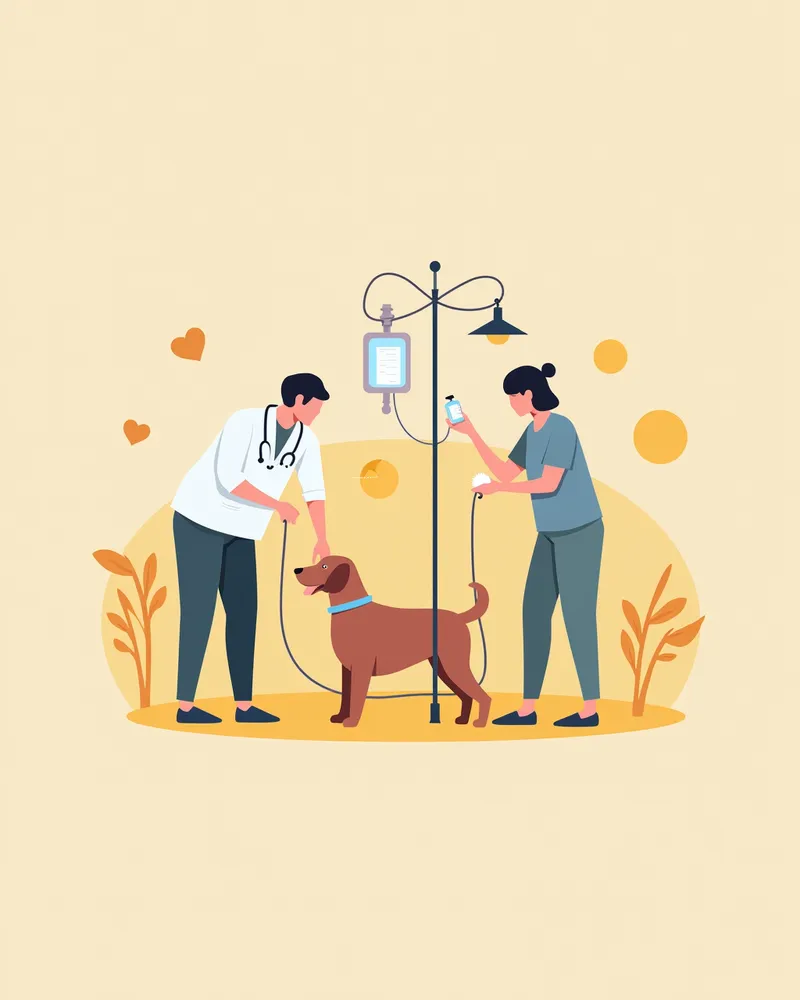
Home management centers on removing toxic substances and conducting regular check-ups
Small breed dogs are more susceptible to liver failure and require special attention
Some medications are highly toxic to dogs and can place a significant burden on the liver, so never administer drugs such as acetaminophen or carprofen without a veterinarian’s prescription. Additionally, certain breeds, including Border Terriers, Cocker Spaniels, and Miniature Schnauzers, have a genetic predisposition to liver and biliary tract diseases, so if your dog belongs to one of these breeds, regular check-ups to monitor liver health are recommended. It is also very important to prevent exposure to toxic substances and medications in daily life.
Reviewed by a veterinarian

Dr. Tony — Punnawat Phongkittirak
VeterinarianA veterinarian who majored in veterinary medicine at Khon Kaen University, Thailand, and completed the IVSA program at North Carolina State University in the United States. Drawing on clinical experience at animal hospitals, he works in the pet healthcare field and is dedicated to building a digital care environment that connects pet parents with veterinarians.
Reviewed 2026-06-07
Frequently Asked Questions
Can liver disease in dogs be cured?
How can we determine the cause of liver failure?
What should I do to prevent liver failure?
What should you do first if you suspect liver failure in your pet?
Is it okay if my dog has no appetite while being treated for liver failure?
Share
Related Guides

7 Key Symptoms and Management Essentials for Canine Cholecystitis Recommended by Veterinarians
Top 5 Milk Thistle (Silymarin) Liver Supplements for Dogs — A Comparison Guide Based on Silybin Content and Absorption Rates

Top Prescription Diets for Dogs with Liver Disease and Selection Criteria

Why Is My Cat Constantly Licking and Losing Hair? — Causes and Management of Psychogenic Alopecia
Is Your Cat’s Hunting Instinct Too Strong? — Just Play or Does It Need Management?

Is Your Cat Avoiding the Litter Box? — Key Q&A on Causes and Solutions

Do Cats Grieve Too? — Behavioral Changes and Care Q&A After Pet Loss

If Your Cat Licks Until It Loses Fur — Signs of Compulsive Behavior and When to Visit the Vet
Why Do Cats Fight? — Causes and Management of Same-Species Aggression

Why Has My Cat Changed Since the Baby Arrived? — Behavioral Changes and Adaptation Timing
References
[1] Plumb's Veterinary Drug Handbook, 9th ed. (2022). Wiley-Blackwell.
[2] Ettinger, S.J., Feldman, E.C. (2020). Textbook of Veterinary Internal Medicine, 9th ed. Elsevier.
[3] American College of Veterinary Internal Medicine (ACVIM). Canine Hepatic Disease Guidelines (2021).