
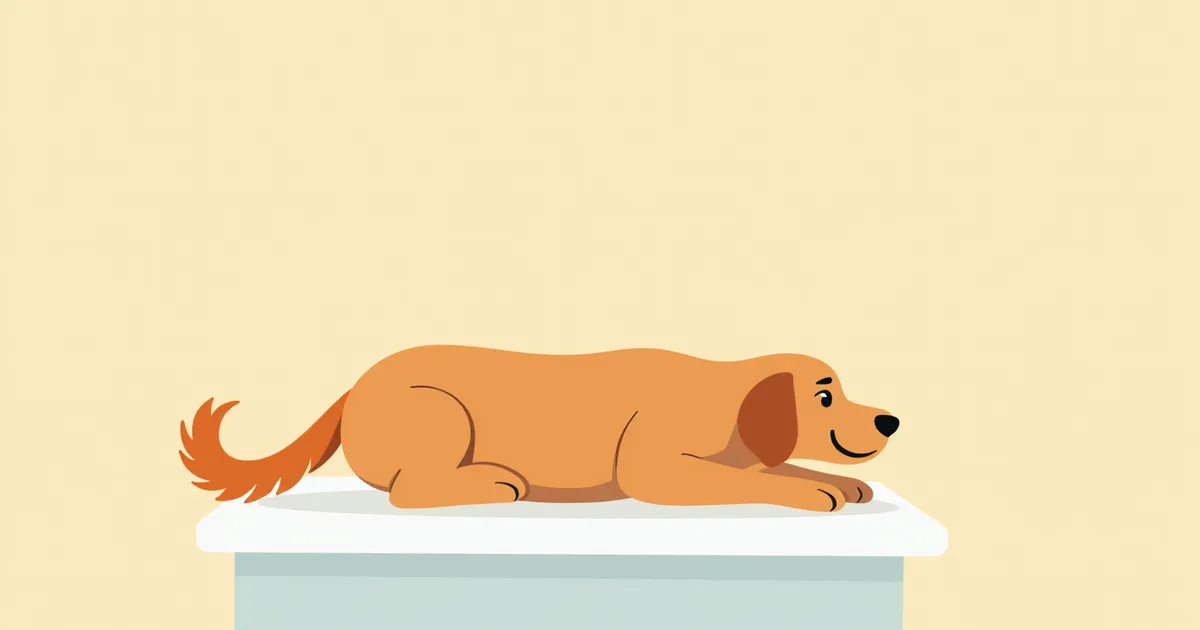
Dog's Belly Is Bloated — Is It Ascites? Liver Disease Signs and When to Visit the Vet
Canine ascites is a symptom that can result from impaired liver function, making early detection and proper management essential. Here’s a summary of the key information every pet owner should know.
Canine Ascites Is a Sign of Impaired Liver Function

The Main Causes of Ascites Are Liver Disease and Heart Failure
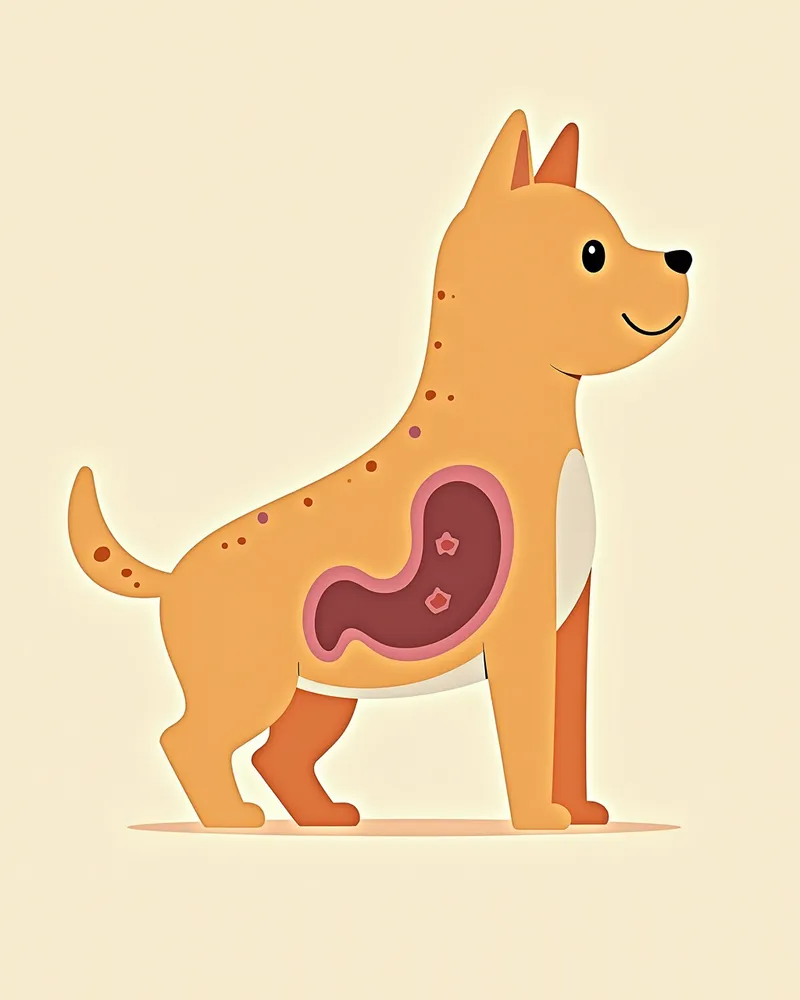
Checklist of Key Symptoms Related to Ascites

Signs That Require Immediate Veterinary Care
If your dog develops abdominal fluid accumulation (ascites) and exhibits rapid breathing, bluish gums, or collapses, seek immediate veterinary care. These are signs of severe respiratory distress or hypoxia caused by the fluid buildup, which can be life-threatening.
Key Diagnostic Tests for Ascites
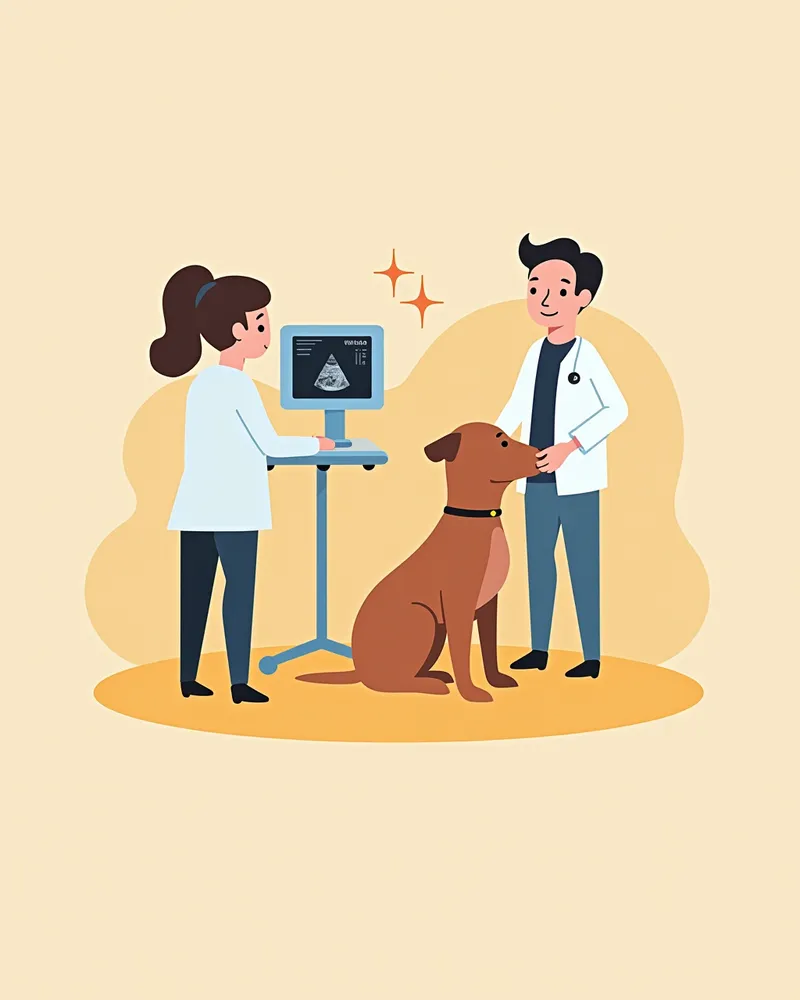
Treatment Methods Vary Depending on the Underlying Cause

Management Points You Can Do at Home

Comparison of Symptoms and Treatments by Cause of Ascites
| Item | Main Symptoms | Main Treatment | Prognosis |
|---|---|---|---|
| Cirrhosis | Abdominal swelling, lethargy, weight loss | Hepatoprotective agents, diuretics, salt-restricted diet | Moderate to possible worsening |
| Heart Failure | Respiratory distress, coughing, fatigue | Cardiac medications, diuretics, oxygen therapy | Manageable, risk of recurrence |
| Hypoproteinemia | Ascites, muscle weakness, skin changes | Protein supplements, treatment of the underlying cause | Improvement possible when the cause is removed |
An accurate diagnosis appropriate to each cause is the key to successful treatment.
Reviewed by a veterinarian

Dr. Tony — Punnawat Phongkittirak
VeterinarianA veterinarian who majored in veterinary medicine at Khon Kaen University, Thailand, and completed the IVSA program at North Carolina State University in the United States. Drawing on clinical experience at animal hospitals, he works in the pet healthcare field and is dedicated to building a digital care environment that connects pet parents with veterinarians.
Reviewed 2026-06-07
Frequently Asked Questions
Does the presence of ascites always require a visit to the vet?
Is ascites treatable?
How can I implement a low-sodium diet at home?
Can ascites recur?
How about the surgery to drain the fluid?
Share
Related Guides

7 Key Symptoms and Management Essentials for Canine Cholecystitis Recommended by Veterinarians

Top 5 Milk Thistle (Silymarin) Liver Supplements for Dogs — A Comparison Guide Based on Silybin Content and Absorption Rates

Top Prescription Diets for Dogs with Liver Disease and Selection Criteria

The Complete Guide to Interpreting Thyroid Panels (T4, fT4, TSH)
The Complete Guide to the Low-Dose Dexamethasone Suppression Test (LDDST)
ACTH Stimulation Test (Cushing’s Diagnosis)

Lobectomy Procedure and Recovery

What Is Canine Enucleation? — From Surgical Procedure to Recovery Care

Helicobacter Infection in Cats: From Symptoms to Treatment

Care Guide for FeLV-Positive Cats
References
[1] Notes on Canine Internal Medicine, 4th Ed. (2020). Chapter 3.20.1A: Alanine Aminotransferase (ALT) and Alkaline Phosphatase (ALP) in Hepatopathy.
[2] Fundamentals of Veterinary Clinical Pathology, 3rd Edition. (2019). Section 18: Hepatopathies and Liver Enzyme Patterns in Dogs.
[3] BSAVA Manual of Canine and Feline Dermatology, 4th Ed. (2021). Chapter 14: Drug-Induced Hepatotoxicity and Liver Enzyme Changes.