Like
Share
멍실장
노견 인지장애(CDS) 1-4단계 완벽 정리

A Complete Guide to Stages 1–4 of Canine Cognitive Dysfunction (CDS)

Brain & CognitionQ&AMeongsiljang Veterinary Advisory Board

We’ve outlined the symptoms of stages 1 through 4 of canine cognitive dysfunction (CDS) and key management points for each stage. Check out how to quickly assess which stage your dog is in and how to respond accordingly.

What Are Stages 1–4 of Canine Cognitive Dysfunction (CDS)?
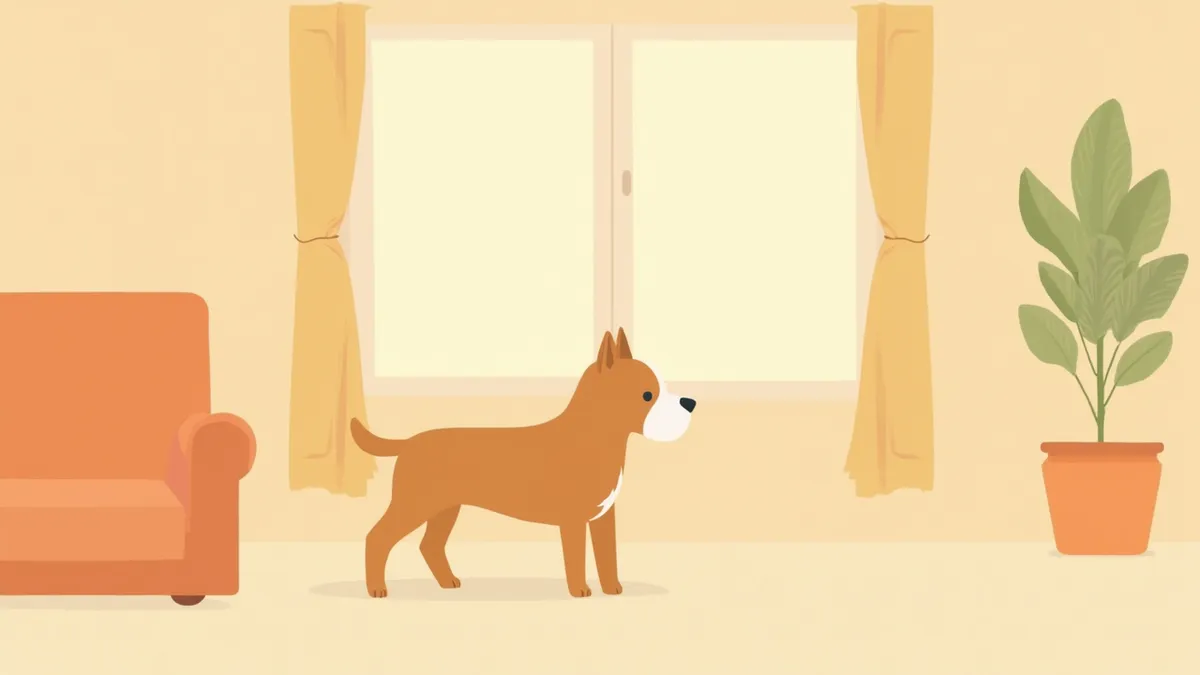
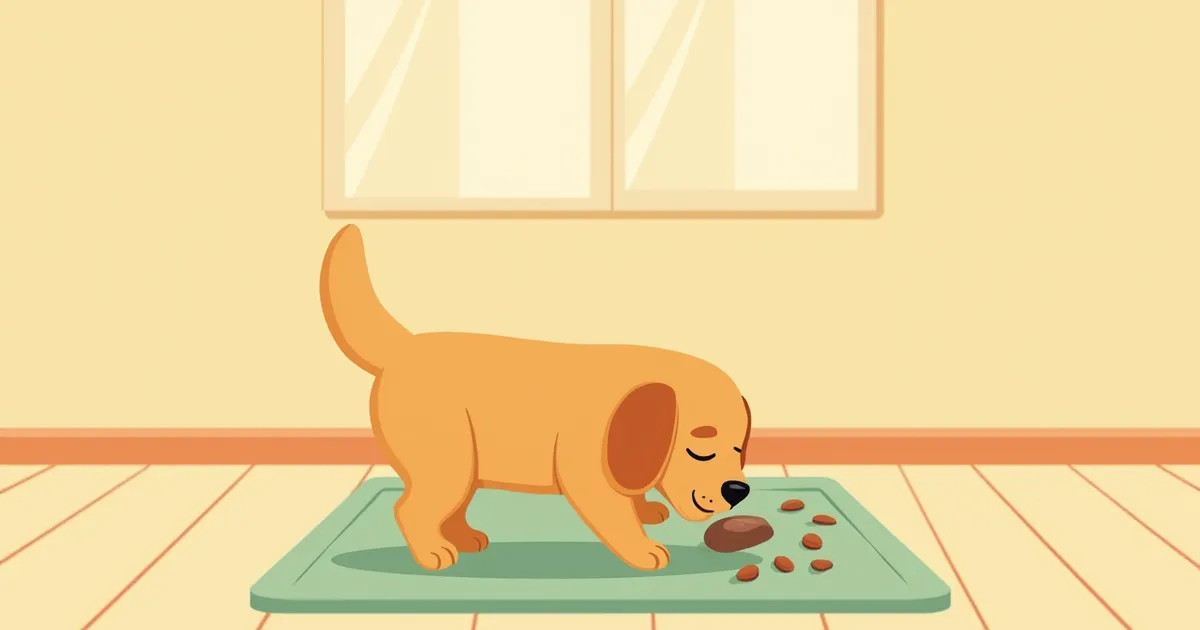
An elderly dog staring blankly at one spot in the living room
Canine Cognitive Dysfunction Syndrome (CDS) is a condition in which the aging brain undergoes degeneration, leading to a decline in cognitive function. The four stages described in this article are not formal diagnostic criteria, but rather a simplified way to help you understand the progression of symptoms from mild to severe. What truly matters is early detection. Studies suggest that starting dietary and environmental interventions during the early, mild stages can help slow disease progression. However, since CDS is not curable, management becomes increasingly challenging as symptoms worsen. If you notice changes such as nighttime pacing, disorientation, or delayed responses to their name in dogs aged seven years or older, a veterinary evaluation is recommended.

Criteria for Assessing CDS — DISHAAL

In veterinary behavioral medicine, we assess CDS symptoms using the DISHA(A) framework. Much like a dementia assessment tool for humans, this checklist helps us identify which specific areas are showing changes. - Disorientation: Impaired sense of direction and spatial awareness - Interaction: Changes in interaction with family members or other animals - Sleep-wake: Reversal of the sleep-wake cycle - House soiling: Accidental elimination - Activity: Changes in activity levels (decreased activity or repetitive behaviors) - Anxiety: New-onset anxiety - Learning/memory: Decline in learning ability and memory Increased vocalization, such as barking, is also commonly reported as a signal. However, these categories are not a formula for determining precise disease stages; rather, they serve as an assessment framework to gauge changes and rule out other conditions with similar symptoms.

A Quick Comparison of CDS Stages 1–4

ItemStage 1 (Mild)Stage 2 (Moderate)Stage 3 (Severe)Stage 4 (End-stage)
Overall severitySymptoms mild and rarely seenClear changes in several areasSevere symptoms in most areasNearly all areas + worsening symptoms
Sense of directionOccasionally dazedGets lost in familiar spacesLoses way inside the houseFails to recognize family
Sleep patternSleeps slightly laterWakes frequently at nightPacing/barking through the nightComplete day-night reversal
EliminationAlmost no accidentsOccasional accidentsFrequent accidentsUnconscious elimination
ResponsivenessDelayed response to nameFrequently ignores being calledMostly unresponsiveAlmost no response to stimuli

This describes progression by symptom severity, and the boundaries between stages vary by individual. Accurate assessment requires a veterinary evaluation after ruling out other conditions.

Stage 1 — Mild: When “Just Aging” Is the Most Dangerous Assumption
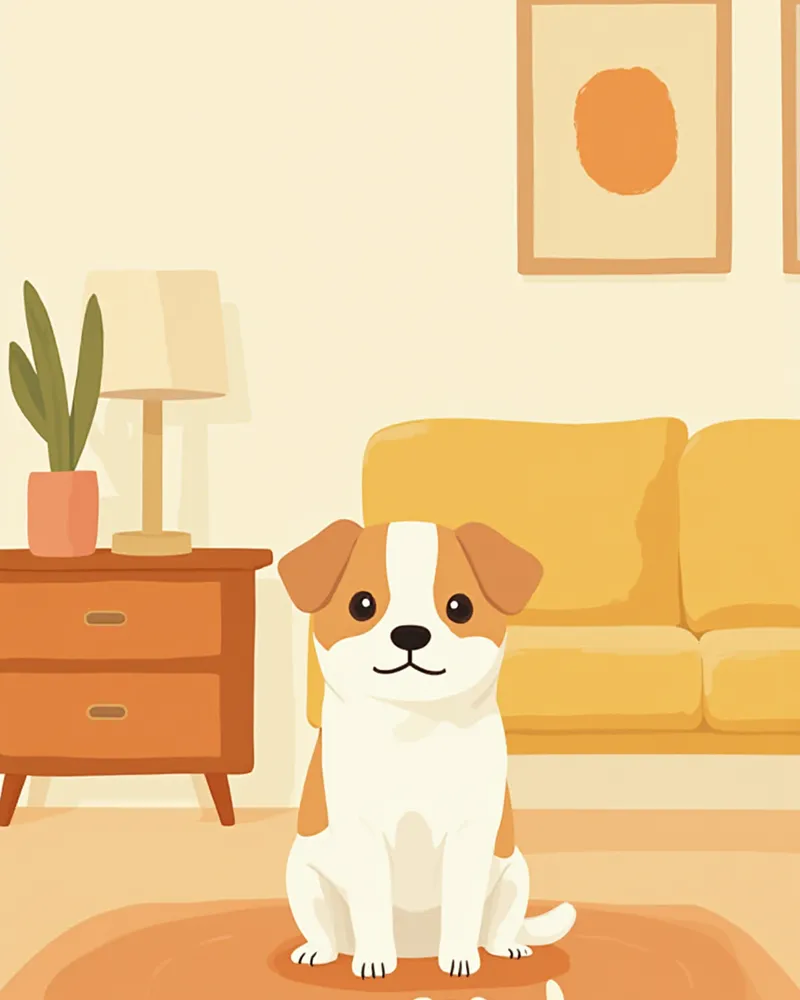
Stage 1 is when symptoms are subtle, making it easy for pet owners to dismiss them as “just aging.” However, this is the period when intervention is most effective. - Delayed response: Takes 2–3 seconds longer to turn around when called by name - Brief episodes of staring: Stares into space 1–2 times a day - Subtle sleep changes: Takes 30 minutes to an hour longer to fall asleep - Decreased interest: Responds less to favorite toys It is important to begin early dietary adjustments—including antioxidants and mitochondrial cofactors—and environmental enrichment at this stage. Clinical studies have reported that such dietary approaches can help slow cognitive decline, so we recommend consulting with your veterinarian to develop a specific nutrition and environmental stimulation plan.
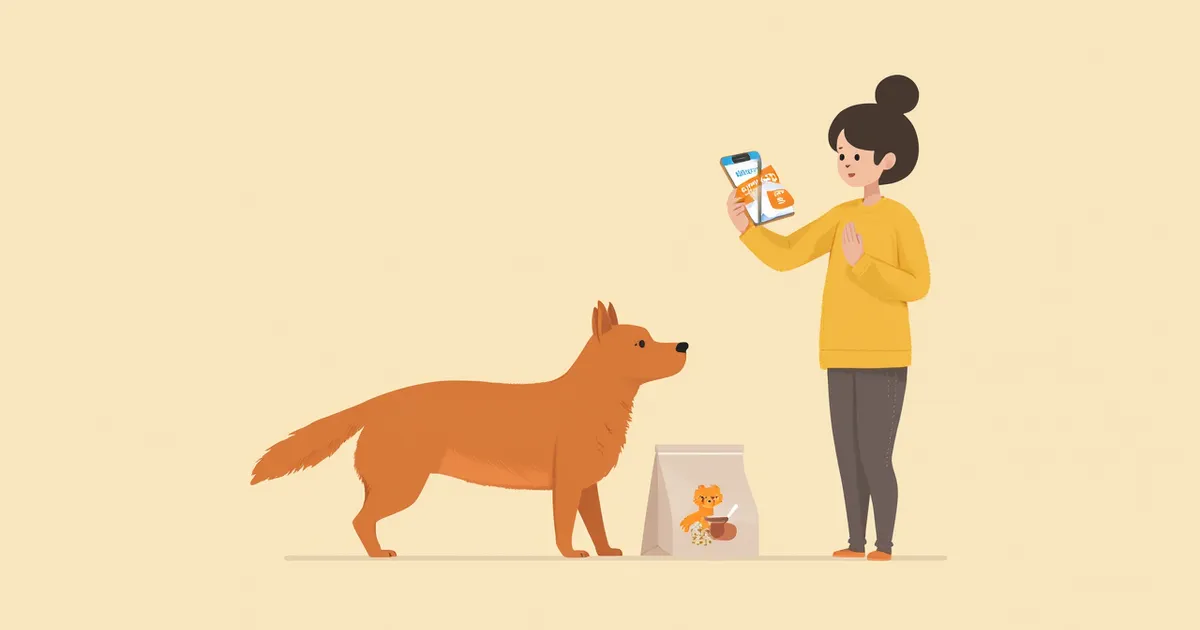
An elderly dog sitting listlessly in front of a toy, showing no interest.

Stage 2 — Moderate: Noticeable Changes in Daily Patterns

By stage 2, every family member will notice that something has changed. Multiple areas within the DISHA framework begin to show signs of decline simultaneously. - Disorientation: Getting stuck behind the sofa or trapped between doors - Sleep-wake cycle reversal: Waking up and pacing around between 2 and 4 AM - House soiling: Having indoor accidents a few times a month - Changes in social interaction: Losing interest in other dogs during walks - Repetitive behaviors: Circling in the same spot or licking walls At this stage, it is essential to consult with a veterinarian and seriously discuss medication prescribed based on the disease stage, any concurrent conditions, and the pet’s weight.

Signs That Require Immediate Veterinary Attention

Canine cognitive dysfunction (CDS) shares symptoms with other neurological and metabolic disorders. If you notice any of the following signs, the issue may be more than just dementia, and your pet should be seen by a veterinarian within 24 hours: - Sudden seizures or a gait that leans to one side - Rapid changes in appetite or water intake over a few days - Behavior suggesting vision loss in one eye only - Episodes of collapsing or losing consciousness while walking Brain tumors, hepatic encephalopathy, and hypothyroidism can mimic CDS symptoms, so blood tests and MRI scans are necessary for differential diagnosis.

Stage 3 — Severe: A Stage That Significantly Impacts the Owner’s Life
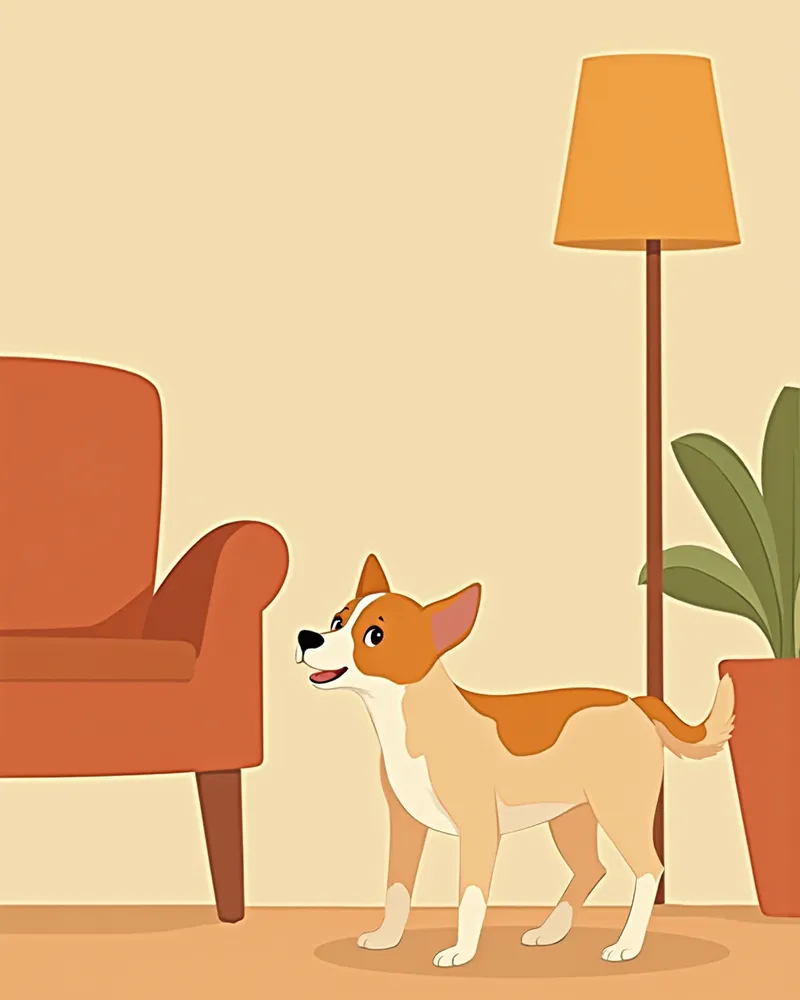
Stage 3 is when symptoms appear across multiple areas simultaneously, making daily care significantly more challenging. - Pacing and vocalizing at night: This disrupts the owner’s sleep. - Getting lost indoors: The pet may struggle to navigate from the living room to the kitchen. - Loss of house-training: Accidents inside the home may occur several times a week. - Forgetting how to eat: The pet may stand confused in front of its food bowl. - Decreased recognition of family members: The pet may act unfamiliar even when the owner enters the room. From this stage onward, environmental adjustments such as diapers, pens, and safety mats are essential alongside medication.
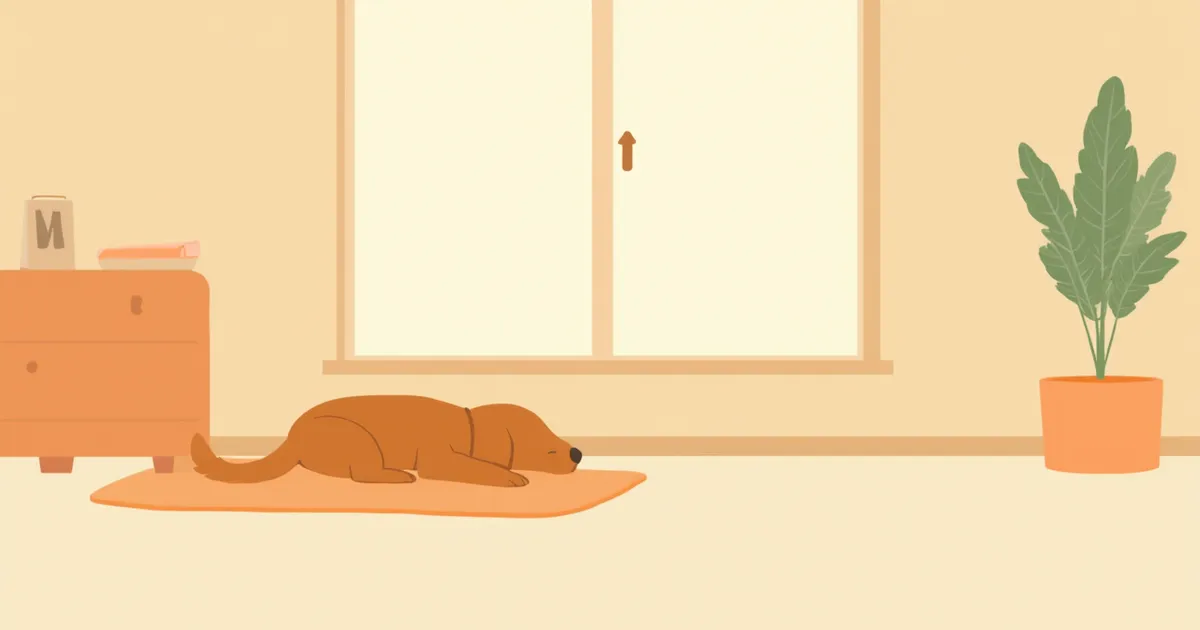
An elderly dog pacing around the living room late at night

Stage 4 — End-Stage: Shifting to Palliative Care
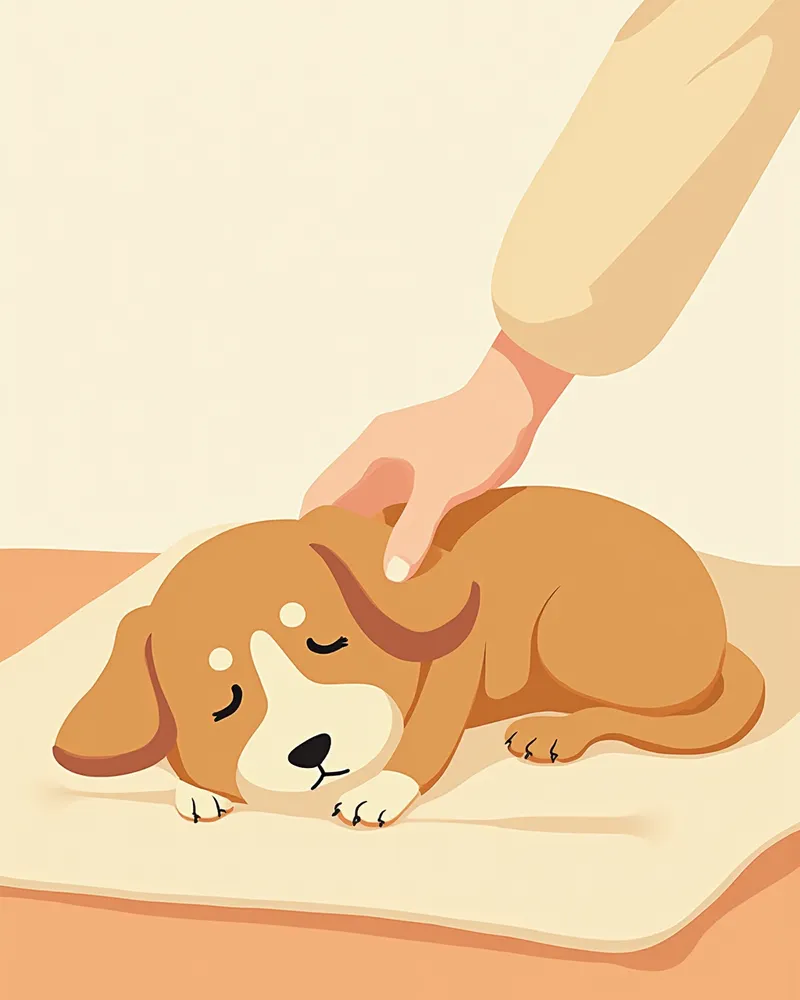
Stage 4 is a state where all DISHAAL criteria are met and symptoms have worsened. The pet does not respond to most stimuli, and unconscious defecation, refusal to eat, and chronic anxiety persist. At this stage, the goal shifts from cure to maintaining quality of life (QoL). - Pain, arthritis, and pressure ulcer management - Soft flooring and non-slip mats - Assistance with feeding and hydration - Palliative care, including consultation with a veterinarian on the timing of euthanasia Veterinary behavior textbooks recommend addressing the owner’s guilt and planning for hospice care at this stage.
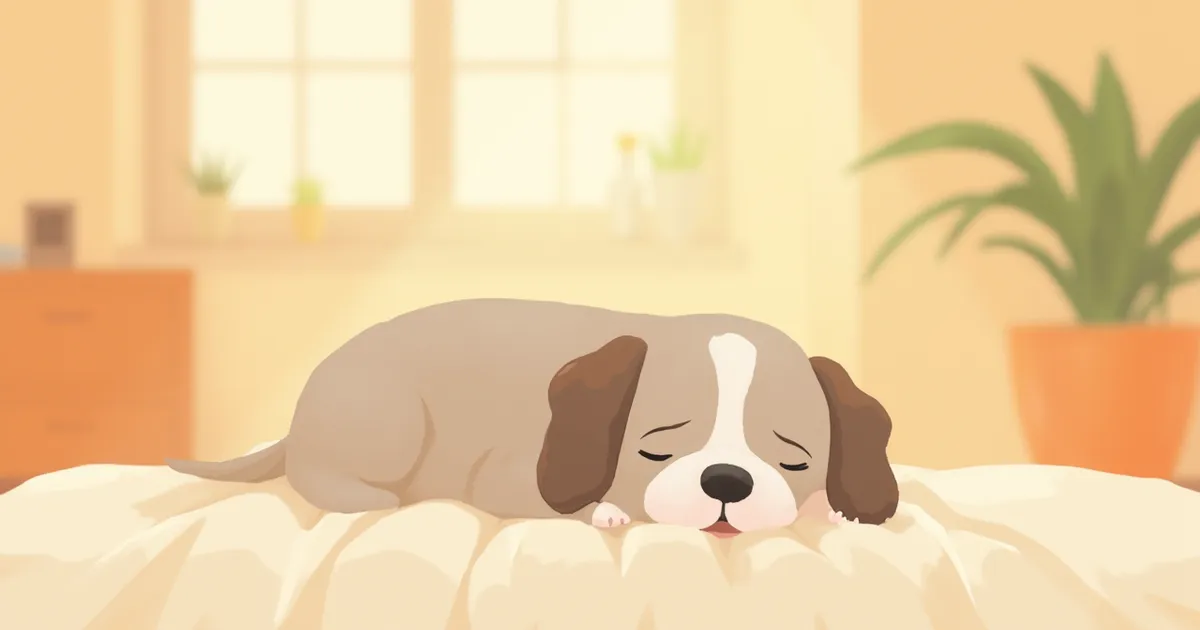
A caregiver gently stroking the face of an elderly dog lying down.

Basic Management Tips Helpful Regardless of Stage

These management tips are helpful for all senior dogs with canine cognitive dysfunction, regardless of the disease stage. - Regular, light training: Short review sessions of commands like "shake" and "sit" have been shown in studies to have brain-protective effects. - Walk stimulation: Sniffing (nose work) is effective for stimulating brain activity. - Antioxidant diet: Consult your veterinarian about considering omega-3 fatty acids, vitamin E, and MCT oil. - Consistent daily routine: Fixed times for meals and walks help maintain a sense of direction. - Lighting adjustments: Using dim, indirect night lights can help reduce disorientation.

Reviewed by a veterinarian

Dr. Tony — Punnawat Phongkittirak

Dr. Tony — Punnawat Phongkittirak

Veterinarian

A veterinarian who majored in veterinary medicine at Khon Kaen University, Thailand, and completed the IVSA program at North Carolina State University in the United States. Drawing on clinical experience at animal hospitals, he works in the pet healthcare field and is dedicated to building a digital care environment that connects pet parents with veterinarians.

Frequently Asked Questions

What are the early signs of CDS, and how can I check for them at home?
Check the DISHA(A) categories—Direction, Interaction, Sleep, Elimination, Activity, Anxiety, and Memory—each week. If you notice changes in one or two areas lasting more than a month, it could be an early sign. However, this isn't a definitive score for staging. A vet visit is necessary to rule out conditions like hypothyroidism or liver disease before making an accurate assessment.
At what age should we start CDS testing?
As dogs enter their senior years, regular cognitive assessments are recommended. Canine Cognitive Dysfunction (CCD) is a common condition in aging dogs, with incidence rates increasing with age. Particularly in dogs over 13 years old, cognitive changes can become quite pronounced, making early detection through regular veterinary check-ups essential.
Can CDS be cured?
While a complete cure is difficult, it is possible to slow the progression of the disease. Studies have shown that starting medication, dietary changes, and environmental modifications in the early stages when symptoms are mild can delay disease progression. Your veterinarian will create a treatment plan tailored to the stage of the disease and any underlying conditions.
My dog keeps barking at night. Can I give it sleeping pills?
Never give your dog human sleep aids. They can cause serious side effects, such as central nervous system depression or paradoxical excitation. Medications for managing nighttime barking and pacing should only be prescribed by a veterinarian, who will determine the appropriate type and dosage based on your dog’s weight, condition, and any underlying health issues. Always consult your veterinarian first.
My dog refuses to go for walks. What should I do?
This is a common symptom in the advanced stages of the condition. Try reducing the distance and switching to a 10-minute walk focused on sniffing. In senior dogs, orthopedic pain such as arthritis may also be present, so if you notice any gait abnormalities, consider having an orthopedic examination as well.

Share

Related Guides

References

[1] Landsberg GM, Nichol J, Araujo JA. Cognitive Dysfunction Syndrome: A Disease of Canine and Feline Brain Aging. Vet Clin Small Anim, 2012

[2] Head E. Neurobiology of the aging dog. Age (Dordr), 2011

[3] Salvin HE, et al. Under diagnosis of canine cognitive dysfunction: a cross-sectional survey of older companion dogs. Vet J, 2010

[4] Introduction to Animal Behavior and Veterinary Behavioral Medicine, Ch.17 Senior Pets

This information is based on veterinary literature and does not replace diagnosis or treatment. Please consult a veterinarian for specific health concerns.

Metapet Co., Ltd. | CEO: Park Sung-yong | Business Reg. No. 417-88-02562 | Seoul, South Korea | Customer Center

Canine Cognitive Dysfunction (CDS): Stages 1–4 Guide | Meongsiljang